Jhotspur Global Agro Solution — Verified Supplier
About Jhotspur Global Agro Solution - Food Ingredients Supplier in United States
Jhotspur Global Agro Solution is based in Texas, United States. The supplier currently lists nine distinct agricultural products in its catalogue. These products cover a range of nuts, legumes, spices, and dried botanical materials. Each item is identified with a specific HS code, such as 1211.90 for hibiscus dried leaves and raw kola nut. The catalogue includes both food‑grade oils and raw plant materials.
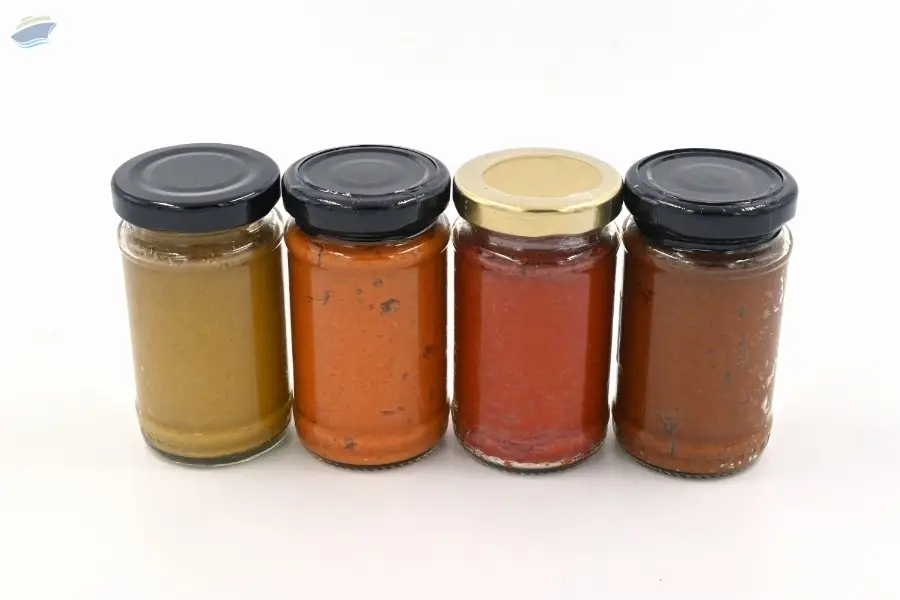
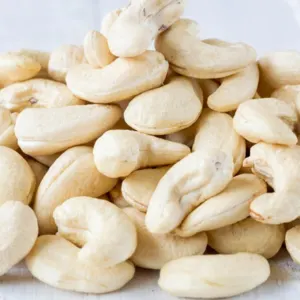
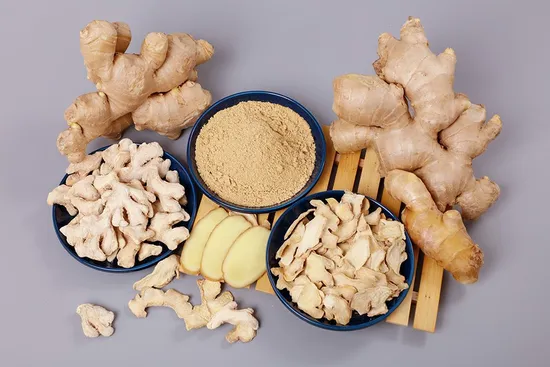
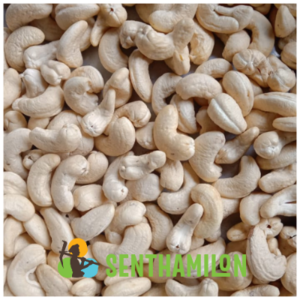
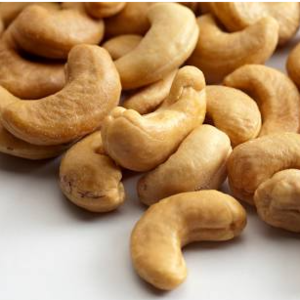
The listed categories include macadamia nuts, coconut, cashew nuts, beans, soybean, dried vegetables, chilli vinegar, and hibiscus. Product entries specify the material composition, for example “Refined / Cold Pressed Cashew Kernel Oil (Food Grade)” under HS code 1515.90. Leguminous items such as pigeon peas (HS 0713.90) and soy beans (HS 1201.90) are described as non‑GMO or conventional. Spice and flavor products include ginger rhizome (HS 0910.11) and turmeric powder (HS 0910.30). The supplier also offers a chili pepper extract in an acetic acid solution (HS 2209.00). All entries reference the United States HS tariff schedule.
Product Range and Specialties of Jhotspur Global Agro Solution
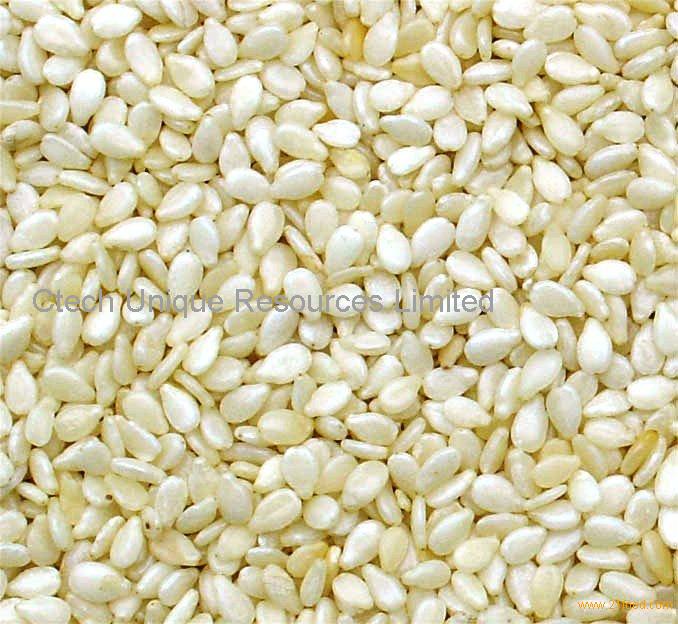
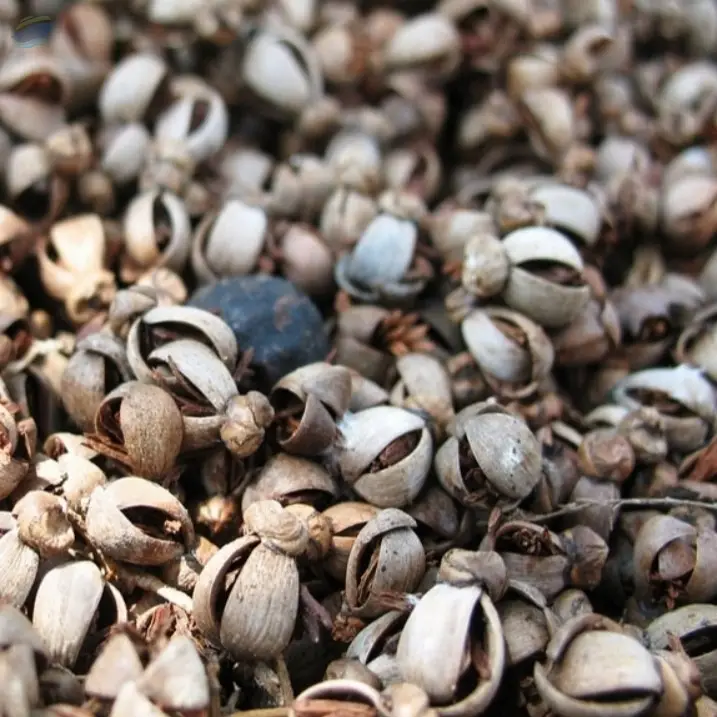
The catalogue’s hibiscus dried leaves (HS 1211.90) are typically sold with moisture content below 12 % and ash content under 5 %, conforming to food‑grade specifications used in herbal teas and natural colorants. US exporters of soy beans (HS 1201.90) usually meet protein levels of 36 - 40 % and moisture limits of 13 % or lower, and non‑GMO batches are often verified by third‑party testing. Dried pigeon peas (HS 0713.90) are graded by size (e.g., 12 mm ± 2 mm) and moisture under 10 %, common in Caribbean and African markets. Ginger rhizome (HS 0910.11) and turmeric powder (HS 0910.30) are exported with essential oil content of 1 - 3 % for ginger and curcumin 3 - 5 % for turmeric, and are subject to pesticide residue limits defined by the Codex Alimentarius. Cashew kernel oil (HS 1515.90) is typically refined to a free fatty acid level below 0.1 % and a peroxide value under 10 meq O₂/kg, meeting food‑grade standards. Sesame seeds (HS 1207.40) are usually supplied with oil content of 45 - 55 % and moisture below 7 %. The chilli pepper extract in acetic acid (HS 2209.00) is classified as a condiment, with acidity between 4 % and 6 % and capsaicin levels recorded for heat classification.
Trade and Export Information - Jhotspur Global Agro Solution
United States exporters of nuts, legumes, and spices commonly ship to the European Union, Middle East, and Southeast Asian markets, where demand for organic and non‑GMO products is high. HS code families 12‑15 and 09‑22 are routinely inspected by U.S. Customs and Border Protection and by destination country authorities for phytosanitary compliance. Buyers typically require USDA Organic certification for organic‑tier suppliers, as well as FDA food facility registration and a phytosanitary certificate for fresh or dried plant material. For oil products such as cold‑pressed cashew kernel oil, a Certificate of Analysis (COA) confirming free fatty acid and peroxide values is standard, and the product is often packed in food‑grade PET or HDPE drums of 200 L or 20 kg containers. Bulk legumes like soy beans and pigeon peas are usually loaded in 20‑ft or 40‑ft containers with moisture‑proof liners, and the HS 1201 and 0713 chapters may be subject to import quotas or tariffs depending on trade agreements. The supplier’s target markets are not listed in the facts, so buyers should confirm whether the goods are intended for food processing, ingredient blending, or direct consumer packaging.
Sourcing from Jhotspur Global Agro Solution - Buyer Guidance
Prospective buyers should request a recent USDA Organic certificate or, if the product is conventional, a non‑GMO verification report for soy beans and other legumes. A phytosanitary certificate issued by the USDA APHIS is required for dried botanical items such as hibiscus leaves, ginger, and turmeric to satisfy most import regulator requirements. For oil and seed products, a COA detailing free fatty acid, peroxide value, moisture, and microbial limits should be reviewed before order confirmation. Samples are typically supplied in 1 kg or 5 kg parcels, sealed in food‑grade poly bags, and accompanied by a lab test report referencing Codex limits. Buyers should verify the packaging type (e.g., 20 kg jute bags for legumes, 200 L drums for oil) and ensure that the Incoterm selected (e.g., FOB Texas) aligns with their logistics plan.
Frequently Asked Questions About Jhotspur Global Agro Solution
What product categories does Jhotspur Global Agro Solution list?
The supplier lists nine products including hibiscus dried leaves (HS 1211.90), soy beans (HS 1201.90), pigeon peas (HS 0713.90), ginger rhizome (HS 0910.11), sesame seed (HS 1207.40), cold‑pressed cashew kernel oil (HS 1515.90), raw dried kola nut (HS 1211.90), turmeric powder (HS 0910.30), and a chili pepper extract in acetic acid (HS 2209.00).
Which certifications are typically required for these agricultural exports?
Importers usually request USDA Organic certification for organic‑tier items, FDA food facility registration, and a phytosanitary certificate for dried plant materials; oil products also need a Certificate of Analysis confirming free fatty acid and peroxide values.
What are the common quality specifications for soy beans exported from the United States?
US soy beans are generally expected to have protein content of 36 - 40 %, moisture ≤13 %, foreign material ≤2 %, and be free of genetically modified material when labeled non‑GMO.
How is hibiscus dried leaves typically packaged for international shipment?
Hibiscus leaves are often packed in food‑grade polyethylene bags of 25 kg, placed in 20‑ft containers with moisture‑proof liners, and accompanied by a phytosanitary certificate and a lab report on moisture and ash content.
What documentation should a buyer request before purchasing cashew kernel oil?
Buyers should ask for a recent Certificate of Analysis showing free fatty acid ≤0.1 %, peroxide value ≤10 meq O₂/kg, and verification that the oil meets food‑grade standards, plus the supplier’s FDA registration number.
Are there any import restrictions for ginger and turmeric powders?
Many destination countries apply maximum pesticide residue limits defined by the Codex Alimentarius, and require a phytosanitary certificate and a COA confirming that moisture content is below 12 % for ginger and 10 % for turmeric.
What are typical lead times and minimum order quantities for these products?
Lead times in the United States range from 2 weeks for small‑batch samples to 4 - 6 weeks for full container loads, and minimum order quantities are commonly 20 kg for spices, 500 kg for legumes, and one 200 L drum for cold‑pressed oils.




 , United States

.jpg.png)