Jay Dee Exports — Verified Supplier
About Jay Dee Exports - Ladies Tops Supplier in India
Jay Dee Exports is based in India and currently lists 16 active products in its catalogue. The company focuses on women’s apparel, covering categories such as Ladies Tops, Other Ladies Dresses, Shirts, Ladies Blouse, Tunic, Night Wear, Jumpsuits and Shorts. Its product portfolio reflects typical fast‑fashion items that are classified under HS chapters 61 and 62 for knitted and woven garments. The supplier’s catalogue does not include specific HS codes, but the items fall within the standard tariff headings for women’s shirts (6105), blouses (6104) and dresses (6204).
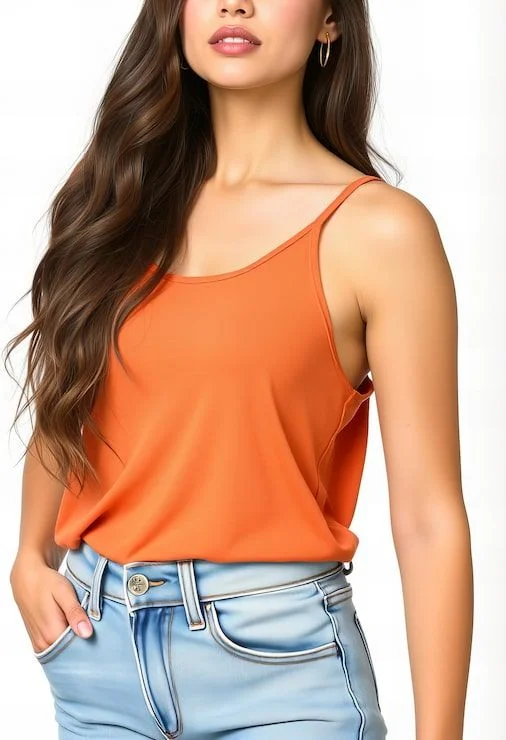
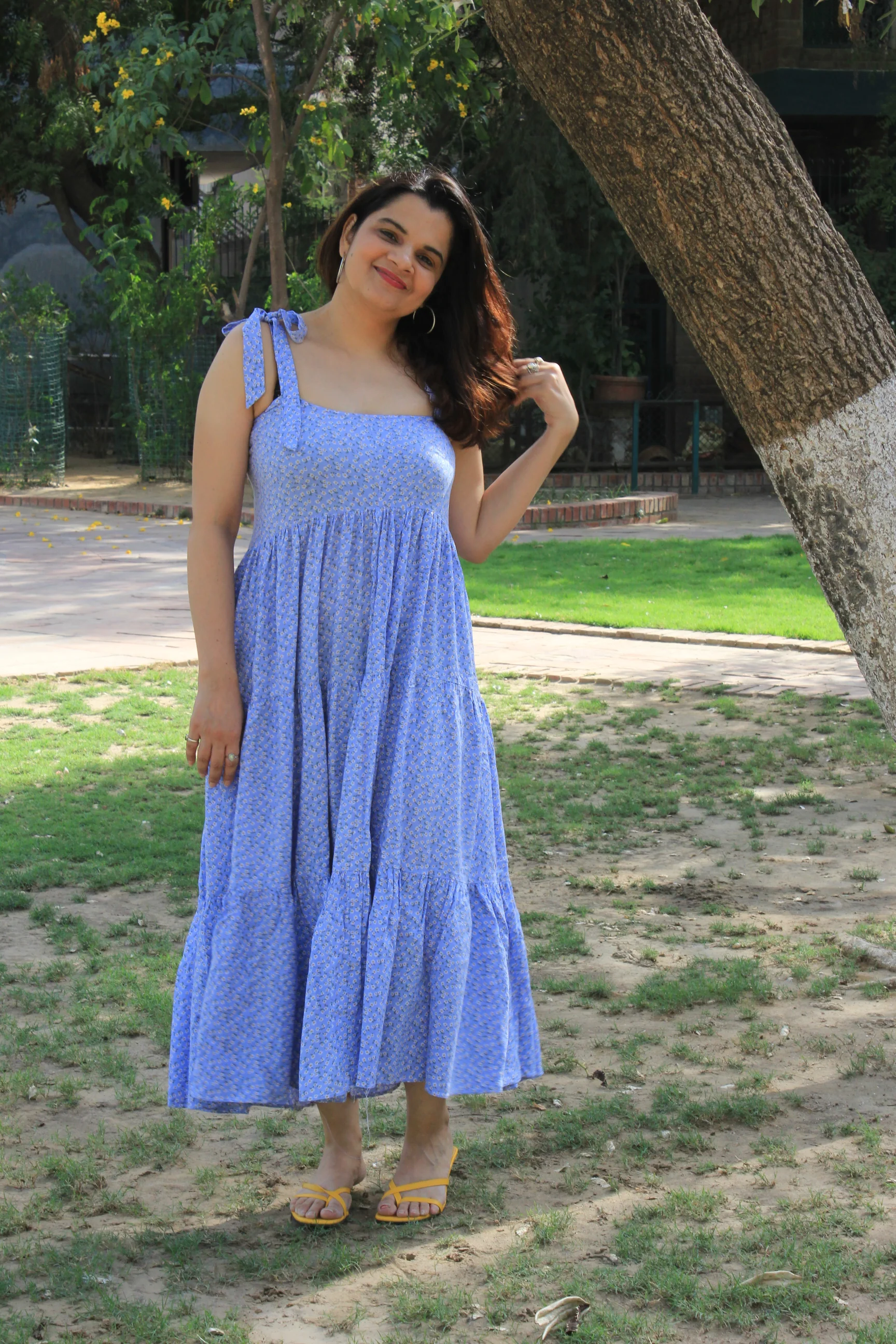
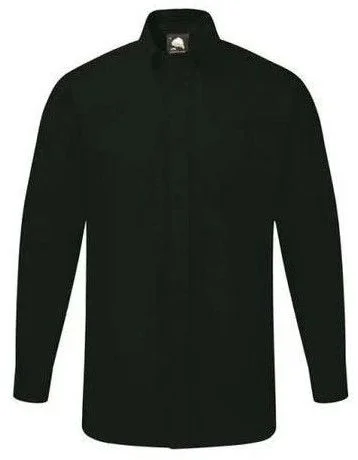
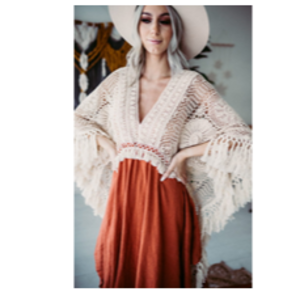
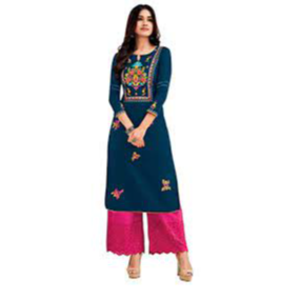
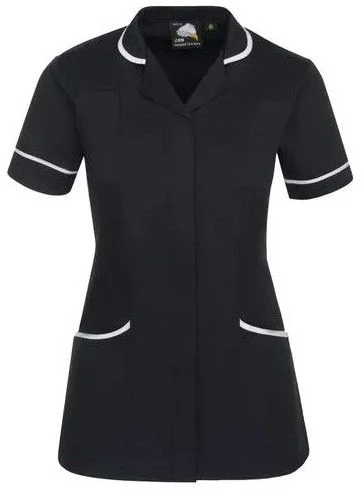
Among the listed items are a Crop Shirt, One Shoulder Top, generic Ladies Dress, Blouse, Dress, Ladies Tops, Shirt, Tops, Tunic, Night Dress, Off Shoulder Tops, Tank Top, Tank Tops, Jumpsuit, Paper Bag Shorts and Romper. These products are typically manufactured from blended cotton‑polyester fabrics with GSM ranges from 140 to 200 for tops and 180 to 250 for dresses and jumpsuits. Common style details include short sleeves, V‑necks, side slits and elastic waistbands, aligning with current market trends for casual and semi‑formal women’s wear. Buyers can expect standard sizing from XS to XL, with color options driven by seasonal palettes.
Product Range and Specialties of Jay Dee Exports
The catalogue comprises a variety of tops, shirts, dresses, tunics, nightwear and short‑style bottoms. In the women’s apparel sector, tops such as crop shirts and one‑shoulder designs are usually produced in 100% cotton, cotton‑rayon blends or polyester blends, with stitch density of 10‑12 stitches per mm and seam strength of 30‑45 N/tex. Dresses and tunics are commonly offered in woven fabrics with a weight of 150‑210 gsm, and nightwear often uses brushed cotton or modal with a softness rating of 3‑4 mm pile height. Jumpsuits and rompers typically require reinforced stitching at stress points and may feature stretch panels of 5‑10 % elastane to improve fit. Shorts, including paper‑bag styles, are generally cut from lightweight knits of 120‑150 gsm and finished with elastic cuffs.
Industry standards for these categories include compliance with ISO 9001 quality‑management, and buyers frequently request OEKO‑TEX Standard 100 certificates to verify the absence of harmful substances. For blended fabrics, a fabric composition test (AATCC 100) and colorfastness to washing (AATCC 61) are standard quality checks. Size measurement tolerances are typically ±1 cm for chest and waist dimensions, and garment labeling must follow the textile labeling regulations of the importing country.
Trade and Export Information - Jay Dee Exports
India is a major exporter of women’s ready‑made garments, with the EU, United States and Middle East accounting for the largest share of shipments. Products such as those listed by Jay Dee Exports fall under HS codes 6105 (women’s shirts) and 6204 (women’s dresses) and are subject to customs duties that vary by destination. Importers usually require a commercial invoice, packing list, certificate of origin and, where applicable, a test report confirming compliance with the EU REACH regulation for restricted substances.
Typical certifications sought by overseas buyers include OEKO‑TEX Standard 100, Global Organic Textile Standard (GOTS) for organic blends, and ISO 14001 for environmental management. Shipping is commonly arranged on 40‑ft containers with garments packed in poly‑bagged cartons of 12‑24 kg each, and Incoterms such as FOB or CIF are used depending on the buyer’s preference. Indian garment exporters often work with freight forwarders experienced in handling textile shipments to mitigate moisture damage and ensure timely delivery.
Sourcing from Jay Dee Exports - Buyer Guidance
When sourcing from Jay Dee Exports, buyers should request a fabric composition certificate and a recent AATCC colorfastness report for each style. Sample garments should be evaluated for seam strength, dimensional stability after a 5‑wash cycle, and compliance with the target GSM range specified in the product description.
It is advisable to verify that the supplier can provide OEKO‑TEX Standard 100 or equivalent test reports before confirming a bulk order. Confirm the minimum order quantity, which typically starts at 500 pieces per style for tops and 300 pieces for dresses, and clarify lead times that range from 30 to 45 days after sample approval. Packaging specifications usually require each garment to be individually poly‑bagged and grouped in cartons of 20‑30 kg, with clear markings of size and style.
Frequently Asked Questions About Jay Dee Exports
What product categories does Jay Dee Exports offer?
They list women’s apparel including crop shirts, one‑shoulder tops, dresses, blouses, tunics, nightwear, jumpsuits, shorts and rompers, covering a total of 16 distinct items.
Which HS codes are relevant for the garments supplied by Jay Dee Exports?
The items fall under HS chapter 61 and 62, commonly classified as 6105 for women’s shirts and tops, 6104 for blouses, and 6204 for dresses, tunics and jumpsuits.
What fabric specifications should a buyer request?
Buyers should ask for the exact fiber blend, GSM (typically 140‑250 gsm for tops and dresses), and any stretch content; a fabric composition test report (AATCC 100) is standard.
Which certifications are typically required for these garments?
Importers often require OEKO‑TEX Standard 100 or an equivalent harmful‑substance test, and may also request ISO 9001 quality‑management or ISO 14001 environmental certificates.
What are the usual minimum order quantities and lead times?
MOQ generally starts at 300‑500 pieces per style, with lead times of 30‑45 days after sample acceptance, depending on the complexity of the design.
How are the garments packaged for export?
Standard practice is individual poly‑bagging of each piece, then packing 20‑30 kg cartons, which are loaded into 40‑ft containers; labeling includes style code, size and country of origin.
What documentation should a buyer obtain before shipment?
Required documents include a commercial invoice, packing list, certificate of origin, fabric composition certificate and any applicable test reports such as OEKO‑TEX or REACH compliance.




 , India