Jagat Industry — Verified Supplier
About Jagat Industry - Clothing & Accessories Supplier in India
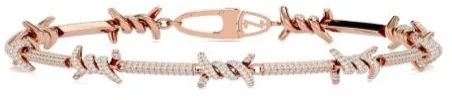
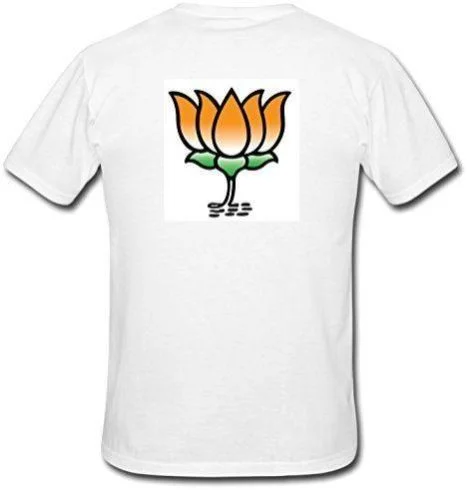
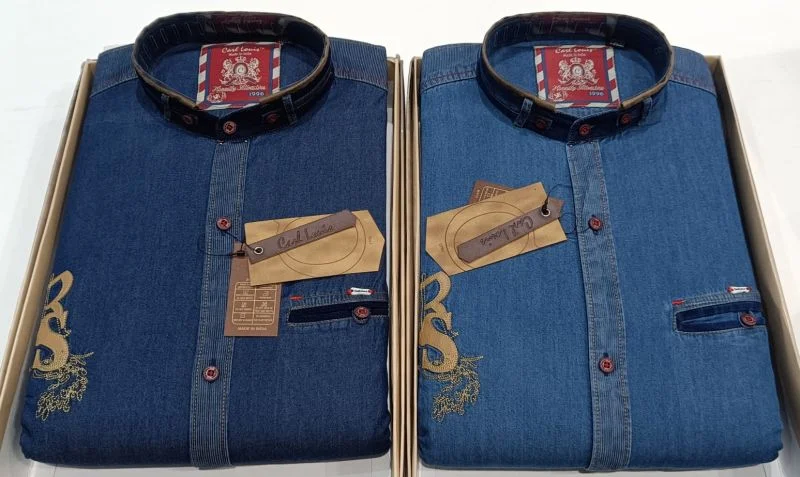
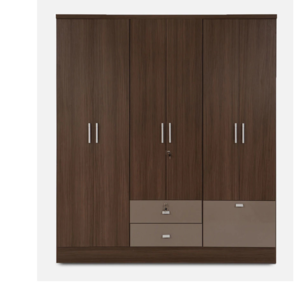
Jagat Industry is based in India and currently lists 53 active products across several fashion and accessory categories. The catalogue includes items such as denim trousers classified under HS code 6203.42, velvet jackets under HS 6203.39, polyester‑wool wedding suits under HS 6203.19, and cotton leisure suits under HS 6201.92. In the accessories segment the supplier offers zinc‑alloy bangles (HS 7117.19), polyurethane handbags (HS 4202.22), and assorted sunglasses, reflecting a mix of apparel and non‑apparel goods. Product titles range from women’s dresses and shirts to men’s jeans, jackets, and leather‑style wallets, illustrating the breadth of the 53 SKUs listed.
The listed items span the top categories identified for the supplier: Clothing Accessories, Ladies Salwar, Suits, Dupattas & Sarees, Shirts & T‑Shirts, Leather Wallets and a generic Titanium category. While no specific titanium products appear in the catalogue, the presence of metal accessories such as zinc‑alloy bangles indicates capability in metal‑based fashion items. Each product entry that includes an HS code aligns with the international tariff classification for textiles (chapter 62) or accessories (chapters 42 and 71). The supplier’s portfolio therefore covers both garment manufacturing and accessory production within the Indian export ecosystem.
Product Range and Specialties of Jagat Industry
Jagat Industry’s garment portfolio includes denim trousers made from cotton‑polyester blends, cotton‑denim/cotton‑linen blends and microfiber denim, all falling under HS 6203.42. In the Indian apparel market, denim of 12‑16 oz weight with a 100% cotton core is common, while blended fabrics often target a stretch‑recoverable finish measured in percent elastane. The supplier also lists velvet jackets (HS 6203.39) typically produced with a 100 % polyester‑viscose blend that meets ISO 105‑B02 colour fastness standards, and polyester‑wool wedding suits (HS 6203.19) where a 65 % polyester‑35 % wool ratio is a standard blend for wrinkle‑resistant formal wear. Accessory items include zinc‑alloy bangles (HS 7117.19) usually composed of 95 % zinc with trace copper and nickel, and PU‑coated handbags (HS 4202.22) that meet PU‑grade 1 or 2 specifications for abrasion resistance. Industry practice also expects garment sizing to follow ISO 3635 size designation and accessories to be packaged in 20 ft containers with individual poly‑bag protection.
Trade and Export Information - Jagat Industry
India is a major exporter of ready‑made garments and fashion accessories, with the United States, European Union and Gulf Cooperation Council countries accounting for the largest share of shipments. HS chapter 62 items such as the denim trousers, jackets and suits are typically subject to customs inspections for fibre content, shrinkage and colourfastness, and buyers often request Oeko‑Tex Standard 100 or ISO 9001 certificates to verify compliance with safety and quality norms. For PU‑leather handbags (HS 4202.22) and metal accessories (HS 7117.19), importers in the EU commonly require REACH registration and, for sunglasses, compliance with the EU’s EN 71 safety standard. Standard export logistics from Indian textile zones involve FOB loading at ports like Mumbai or Chennai, with containers packed in double‑wall cartons, moisture‑proof liners and a typical lead time of 30‑45 days. Buyers should also be aware of the need for a Certificate of Origin to benefit from preferential duty rates under the India‑EU Generalised System of Preferences (GSP).
Sourcing from Jagat Industry - Buyer Guidance
When sourcing from Jagat Industry, buyers should request a detailed material composition certificate for each garment, confirming the exact cotton‑polyester or wool‑polyester ratios indicated in the catalogue. Test reports for colour fastness (ISO 105‑B02), dimensional stability after washing (ISO 6330) and fabric weight (gsm) are standard for apparel, while PU handbags should be accompanied by a PU‑grade certification and abrasion test results. For the zinc‑alloy bangles, a metallurgical analysis confirming zinc content and any nickel plating is advisable to ensure compliance with REACH limits. Buyers are encouraged to obtain product samples, verify packaging dimensions (e.g., 20 ft container load of 1,200 kg for denim trousers) and confirm the HS codes listed match the intended customs classification before placing an order.
Frequently Asked Questions About Jagat Industry
What product categories does Jagat Industry list in its catalogue?
The catalogue includes denim trousers, shirts, dresses, jackets, suits, PU handbags, zinc‑alloy bangles and sunglasses, covering both apparel (HS 62) and accessory (HS 42, 71) segments.
Which HS codes are associated with the denim trousers offered by Jagat Industry?
All denim trousers are classified under HS 6203.42, which covers men’s or boys’ trousers of cotton, denim or similar fabrics.
What material composition should I verify for the polyester‑wool wedding suits?
The suits are described as a 65 % polyester and 35 % wool blend; buyers should request a fibre content certificate confirming this ratio.
Are there any standard certifications commonly required for the PU handbags?
Importers typically ask for a PU‑grade certification, REACH compliance documentation and a product safety test report for any metal hardware.
What testing is standard for the zinc‑alloy bangles?
Buyers should request a metallurgical analysis confirming zinc content, a nickel‑release test for REACH compliance, and a hardness test (e.g., Rockwell B).
What packaging and shipping format is typical for Jagat Industry’s apparel shipments?
Apparel items are usually packed in double‑wall cartons, stacked in 20 ft containers with a total weight around 1,200 kg per container, using FOB terms from Indian ports.
Which markets commonly import the types of products Jagat Industry offers?
The United States, European Union members and Gulf Cooperation Council countries are the primary import markets for Indian ready‑made garments and fashion accessories.
What documentation should I request before confirming an order?
Request a commercial invoice, packing list, Certificate of Origin, fibre content certificate, relevant test reports (colour fastness, shrinkage, PU‑grade) and any applicable certification such as Oeko‑Tex or REACH.




 , India