Iyappan & Co. — Verified Supplier
About Iyappan & Co. - Rice Supplier in India
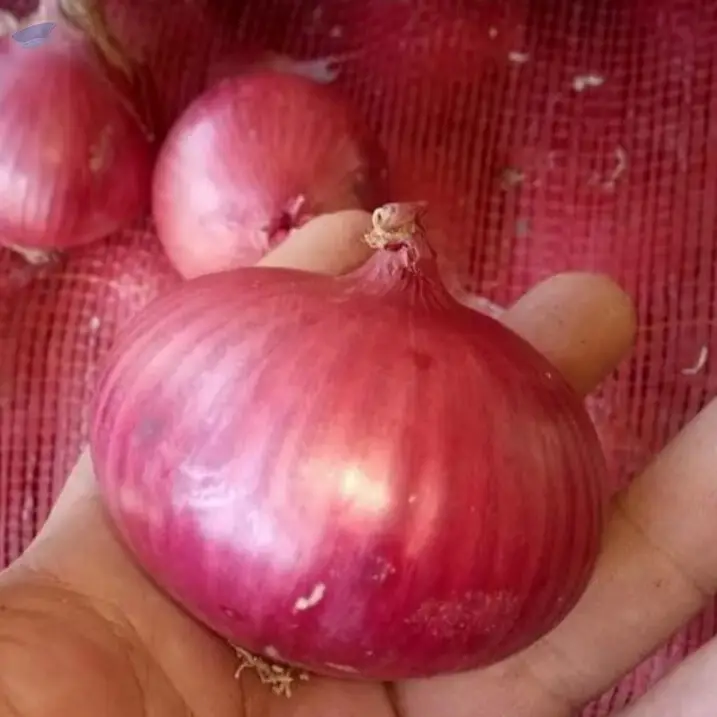
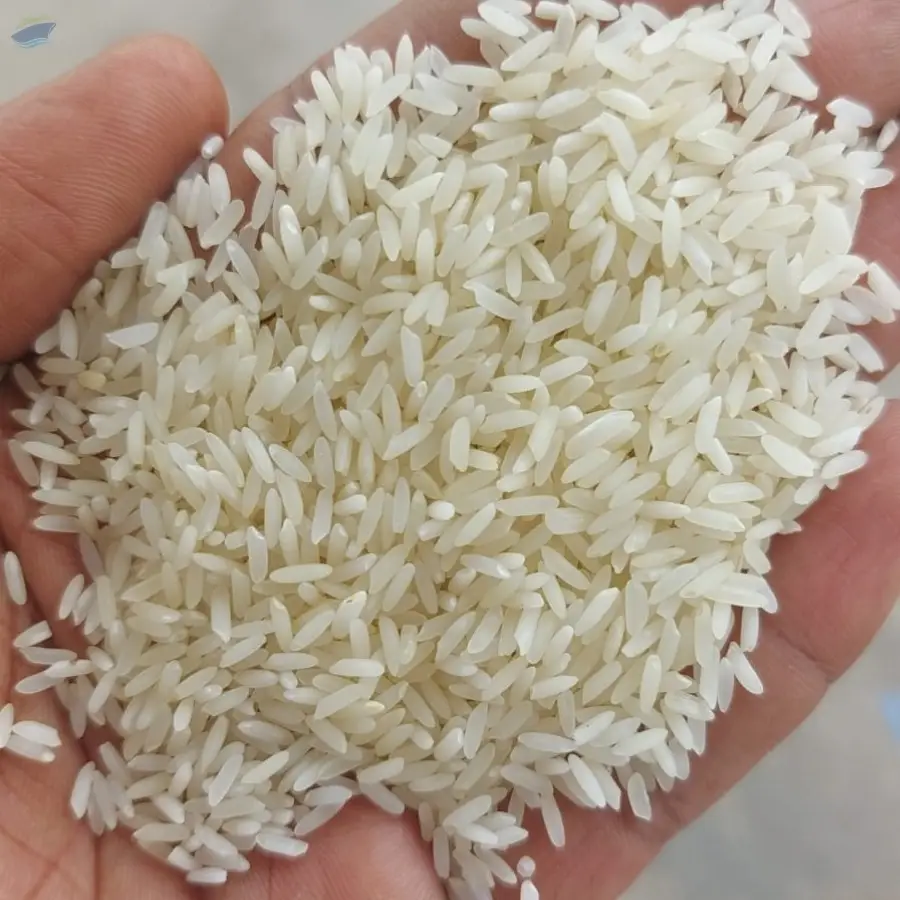
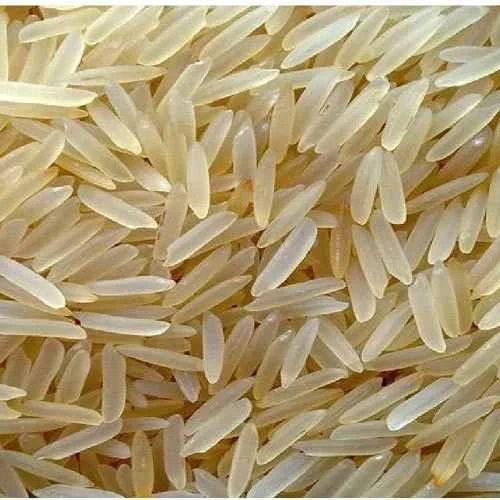
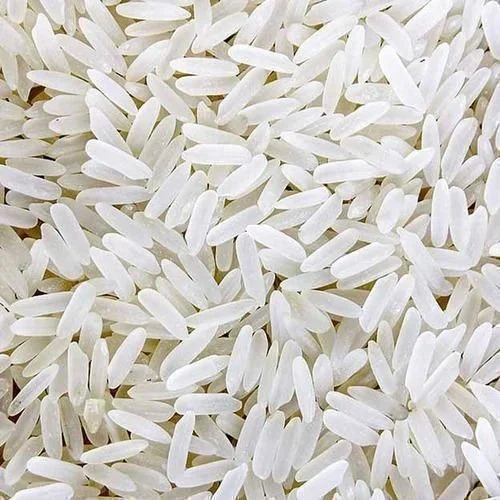
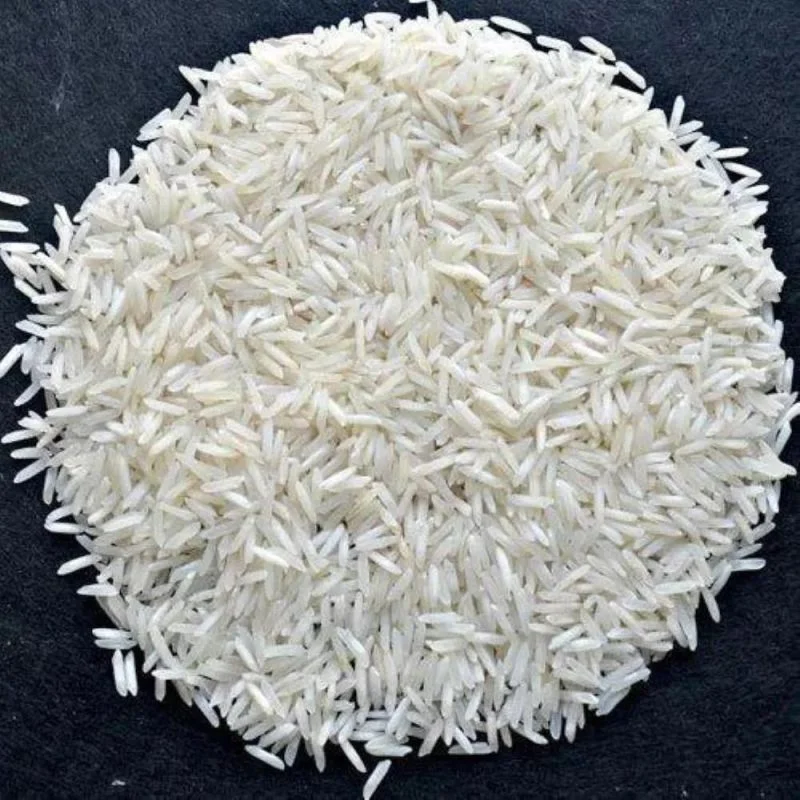
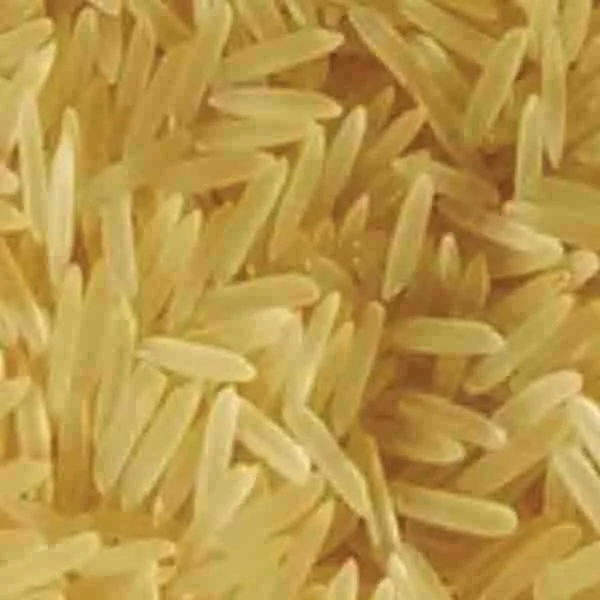
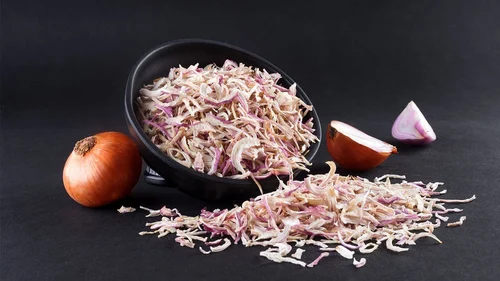
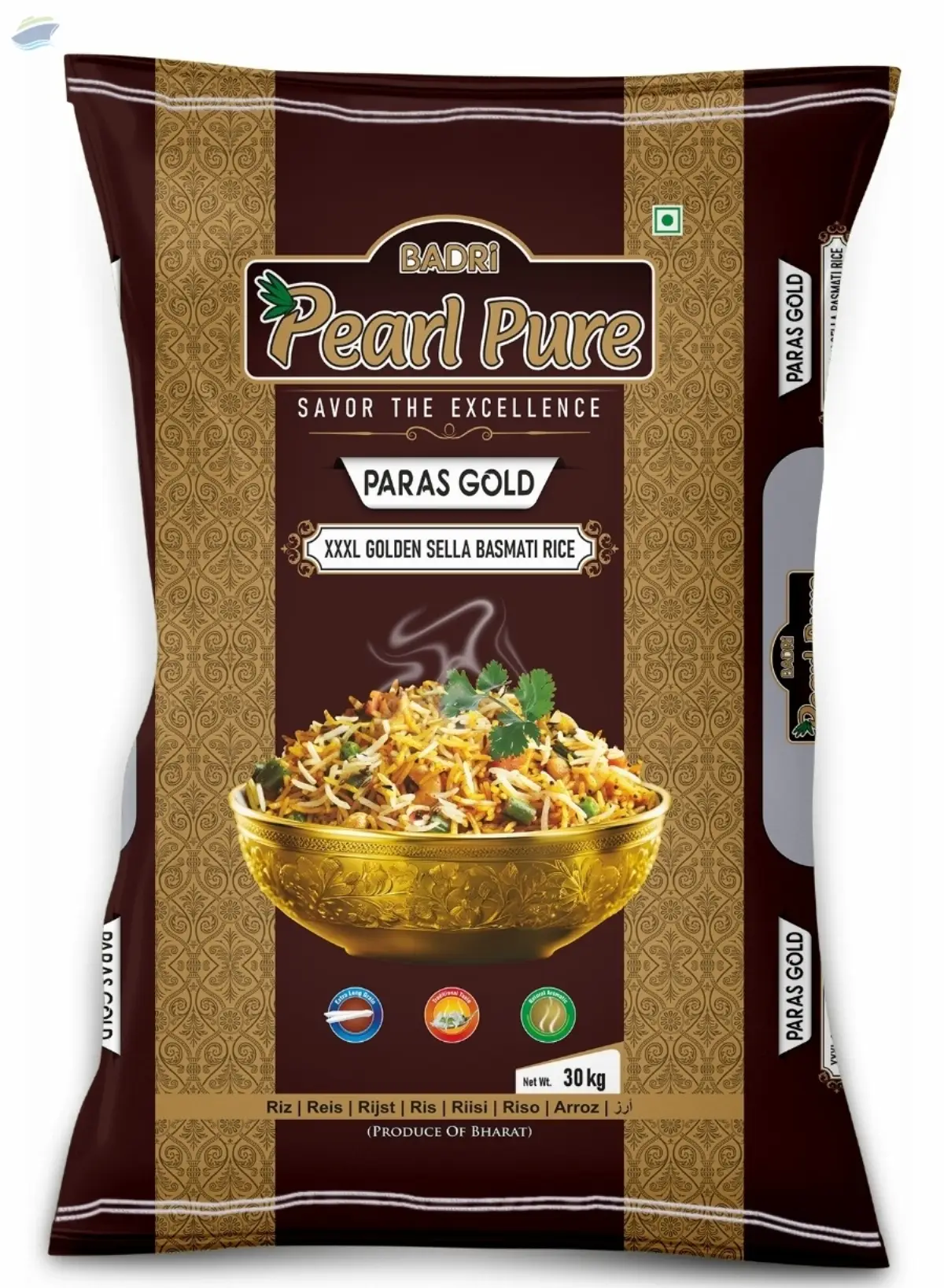
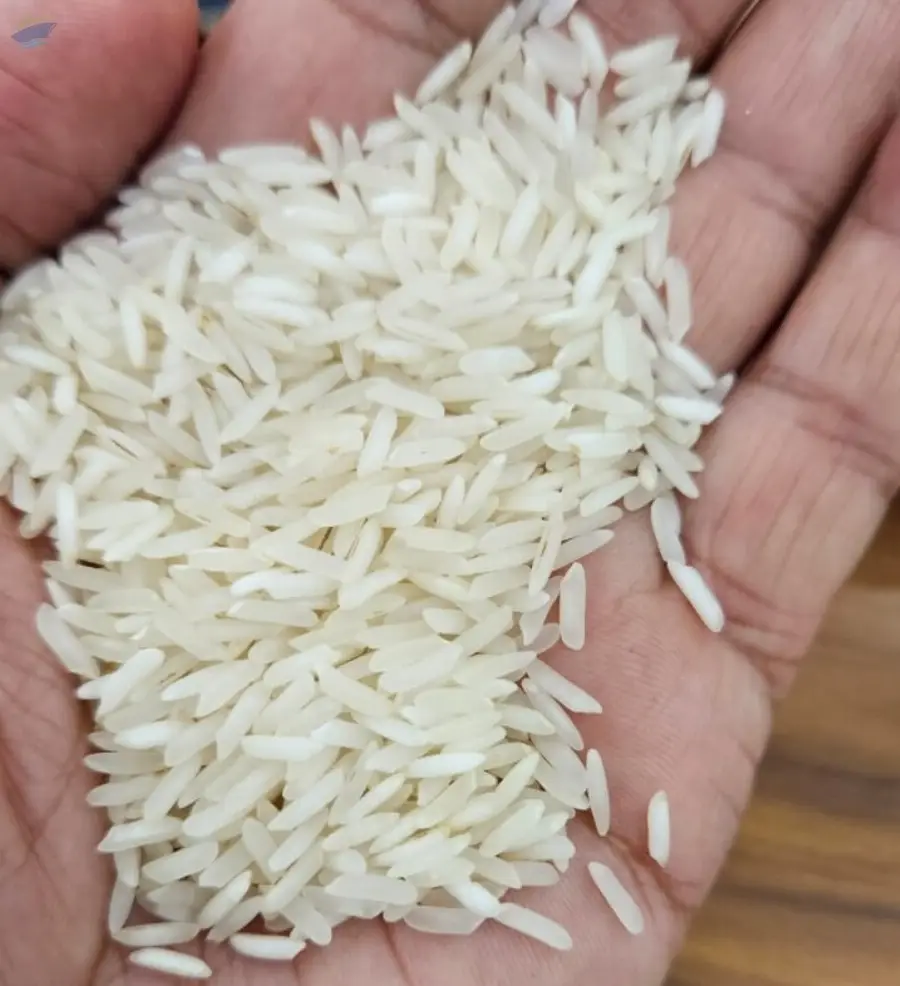
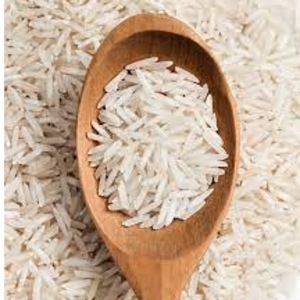
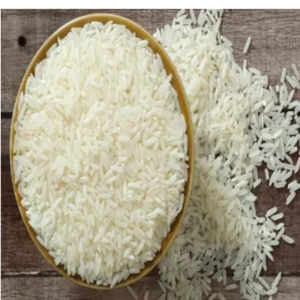
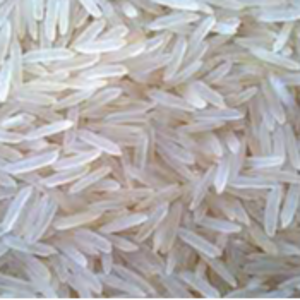
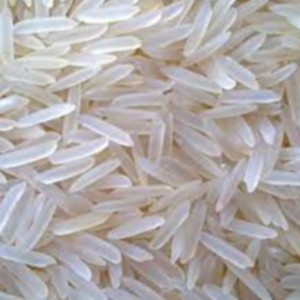
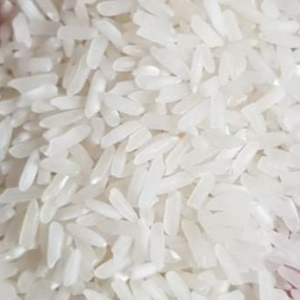
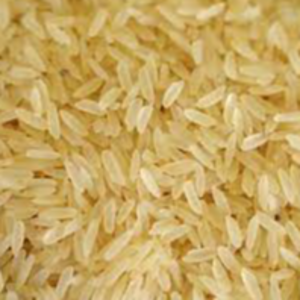
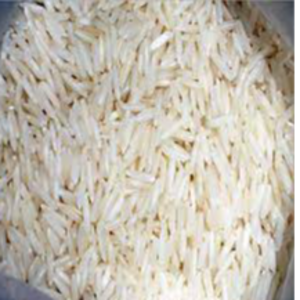
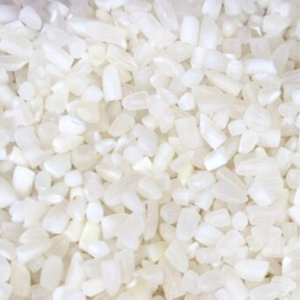
India hosts Iyappan & Co., an imported‑tier supplier that currently lists 25 active products. The catalogue spans food commodities such as multiple rice lines, fresh onion, fresh potato and Alponso mango, as well as non‑food items including sarees, granite tiles, shirts and denim jeans. Among the rice offerings is 100 % Broken Basmati Rice classified under HS chapter 1006.30 and several branded varieties such as Raw Ponni, Ir64 Parboiled, Steam Resorted, Sona Massori Steam, Db Steam Super Mogra, Pr 11 White Sella, 1121 Dubar Basmati and Basmati Golden Sella 1121. The mango entry is recorded with HS code 0804.50 and the onion entry appears as Red Onion. Each entry is grouped under the supplier’s top categories: Rice, Fresh Onion, Sarees, Natural Stone Tiles and Shirts/Jeans.
Product Range and Specialties of Iyappan & Co.
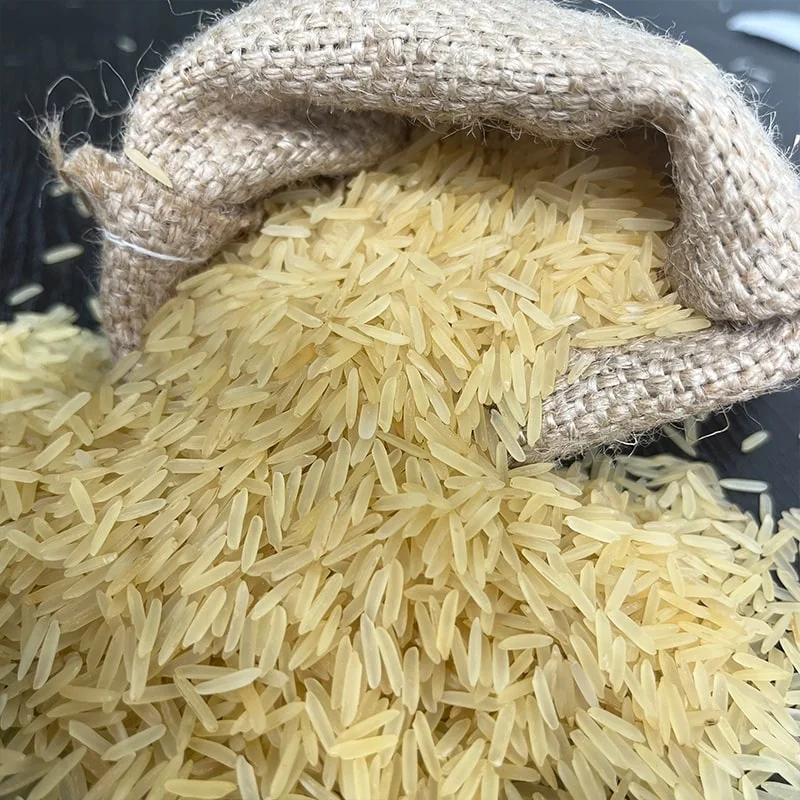
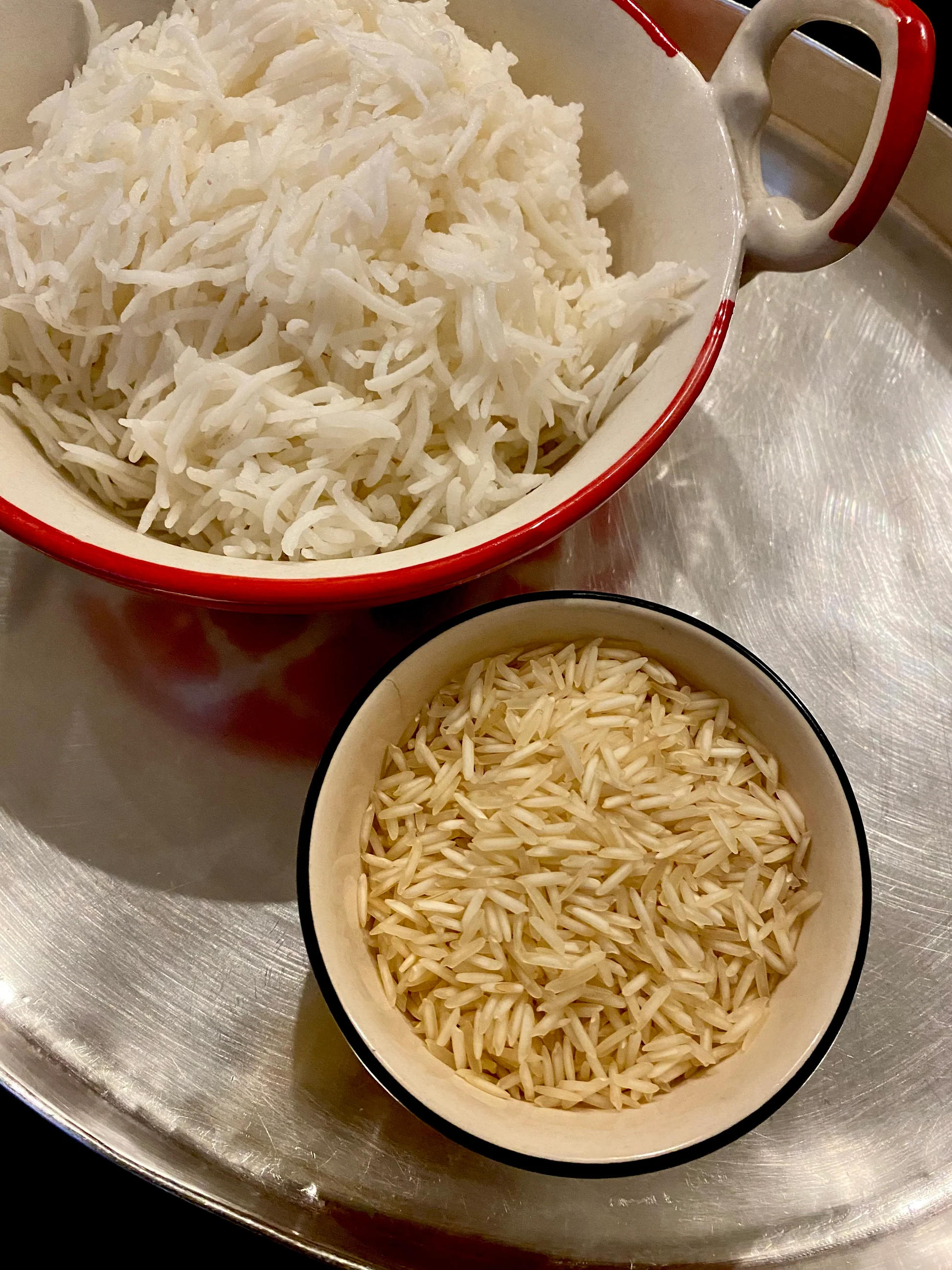
The rice portfolio covers broken, parboiled, steam‑rescued and premium Sella grades. In Indian export practice broken Basmati is typically shipped in 25 kg polypropylene bags with moisture limits of 14 % or lower, while Sella varieties aim for ≤13 % moisture, ≤5 % broken grains and a head‑rice length of 6.5 mm or more. Premium Basmati such as the 1121 line is often certified to the Indian Standards IS 15610 for aroma and grain uniformity. Fresh produce follows standard horticultural grades: onions are sorted by size (small, medium, large), potatoes by grade A/B criteria, and mangoes are evaluated on Brix (≥12 °) and absence of blemishes. The textile segment includes cotton sarees, plain‑weave shirts and denim jeans, usually supplied in assorted sizes and fabric weights ranging from 150 gsm for shirts to 12‑14 oz denim for jeans. Granite tiles are listed as natural stone tiles, commonly offered in 600 mm × 600 mm or 800 mm × 800 mm formats with thicknesses of 10‑20 mm and a polished or honed finish.
Trade and Export Information - Iyappan & Co.
India is a leading exporter of Basmati and non‑Basmati rice to the Middle East, Africa and Southeast Asian markets, with HS chapter 1006 covering most grain shipments. Buyers in the GCC and East Africa typically request phytosanitary certificates, FSSAI compliance and, where required, ISO 22000 or HACCP audit reports. Mangoes (HS 0804.50) from India are frequently shipped to the European Union and United States under the Harmonised System 0804, and importers often demand a GlobalGAP certificate and a pesticide residue analysis conforming to Codex limits. Onions (HS 0703) and potatoes (HS 0701) are exported to South Asian and Middle‑Eastern markets, where cold‑chain logistics and MAP (modified atmosphere packaging) are standard. Granite and other natural stone tiles are classified under HS 6802 and are commonly shipped in wooden crates or bulk pallets to construction and interior‑design firms in Europe, North America and the Middle East. Typical export terms include FOB Indian ports with buyer‑arranged freight, and containers are loaded as 20 ft or 40 ft units depending on product volume.
Sourcing from Iyappan & Co. - Buyer Guidance
When sourcing rice from Iyappan & Co., request a mill test report that confirms moisture content, broken percentage, grain length and any pesticide residues. For premium Basmati varieties, ask for a certification copy of IS 15610 or an equivalent third‑party grain quality audit. Fresh mango shipments should be accompanied by a GlobalGAP statement, a phytosanitary certificate and a post‑harvest Brix test sheet. Onion and potato orders benefit from a pre‑shipment quality inspection report that details size grading and any post‑harvest treatments used. For granite tiles, verify the product data sheet for dimensions, thickness, surface finish and compliance with ASTM C615 or EN 12004 standards. Textile buyers should obtain fabric composition certificates, GSM measurements and, where applicable, a test report for colourfastness and shrinkage.
Frequently Asked Questions About Iyappan & Co.
What rice varieties does Iyappan & Co. export?
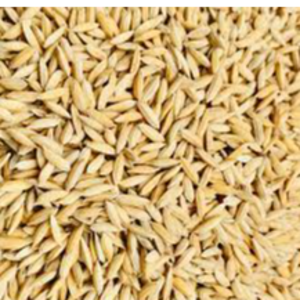
The supplier lists Raw Ponni, Ir64 Parboiled, Steam Resorted, Sona Massori Steam, Db Steam Super Mogra, Pr 11 White Sella, 1121 Dubar Basmati, Basmati Golden Sella 1121 and 100 % Broken Basmati, each identified under HS code 1006.30 for the broken grade.
How can I obtain a sample of the 100 % Broken Basmati Rice?
Request a 5 kg sample shipped in a sealed polypropylene bag. Ask the supplier to include the mill test report that shows moisture, broken grain percentage and any pesticide residue analysis.
Which certifications are typically required for Indian rice imports?
Importers commonly request a FSSAI licence, ISO 22000 or HACCP audit, and a phytosanitary certificate. For premium Basmati, an IS 15610 grain‑quality certification is also standard.
What packaging is used for Alponso mango shipments?
Mangoes are usually packed in ventilated cartons of 20 kg each, each carton bearing a phytosanitary certificate and a GlobalGAP compliance statement. The HS code for the product is 0804.50.
What are the typical HS codes for the listed products?
Rice (including broken Basmati) falls under HS 1006.30, mango under HS 0804.50, onions under HS 0703, potatoes under HS 0701, granite tiles under HS 6802, and textiles such as shirts and denim under HS 6105/6203 respectively.
What is the minimum order quantity for granite tiles?
Buyers generally encounter a minimum order of one full 20 ft container, which translates to roughly 1,200 kg of tiles depending on size and thickness.
What lead time should I expect for rice shipments from India?
Standard lead times range from 30 to 45 days from order confirmation to vessel loading, assuming all required certificates are in place.
Which markets does Iyappan & Co. primarily serve?
The supplier’s product mix aligns with typical Indian export destinations: rice and onions to the Middle East and Africa, mangoes to the EU and US, granite tiles to Europe and North America, and apparel to global wholesale channels.




 , India

.jpg.png)