Agriculture›
 Apparel and fashion accessories›
 Construction & real estate›💡Electronic & Electrical›🍎Food & Beverages›🛋️Home furnishing & supplies›⚗️Industrial goods & chemical›🪨Minerals & metals›📦Miscellaneous›Agriculture›Apparel and fashion accessories›Construction & real estate›💡Electronic & Electrical›🍎Food & Beverages›🛋️Home furnishing & supplies›⚗️Industrial goods & chemical›🪨Minerals & metals›📦Miscellaneous›
Ivory Gian Recycling Scrap
⚓ Harbor , BelgiumNew supplier / no reviews yet
Ivory Gian Recycling Scrap Product Catalog


About Ivory Gian Recycling Scrap - Plastic Scrap Supplier in Belgium
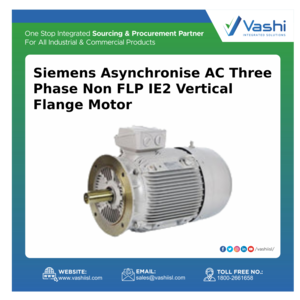
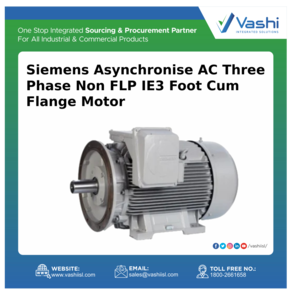
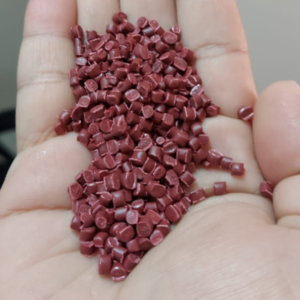
Belgium, Limburg province, hosts the supplier Ivory Gian Recycling Scrap, which currently lists seven active product entries in its catalogue. The company’s catalogue spans several waste and scrap categories including plastic films, PET bottles, HDPE drums, polyurethane foam, OCC paper, and electric motors, reflecting its focus on secondary raw materials for recycling and re‑processing. The listed top categories such as Used Machineries & Equipments, Mining Machinery, Used Construction Equipment, Used Clothings, Ship and Marine Scrap, Plastic Scrap, Automobile Scrap and Plastic Items indicate a broader scope, yet the concrete product listings are confined to the seven items shown.
All seven products fall under HS Chapter 39 for plastics (HS 3915.10 for LDPE, PET and HDPE scrap, HS 3915.90 for polyurethane foam), HS Chapter 47 for paper waste (HS 4707.10 for OCC) and HS Chapter 74 for electric‑motor scrap (HS 7404.00). Materials are identified as LDPE, PET, HDPE, PU‑foam, OCC and electric‑motors, each described as scrap or bale suitable for bulk export.
Product Range and Specialties of Ivory Gian Recycling Scrap
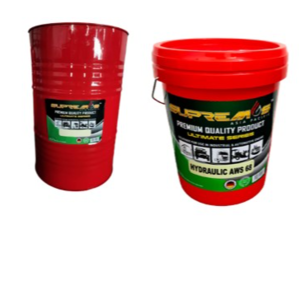
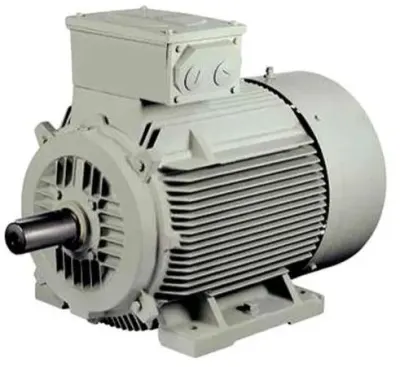
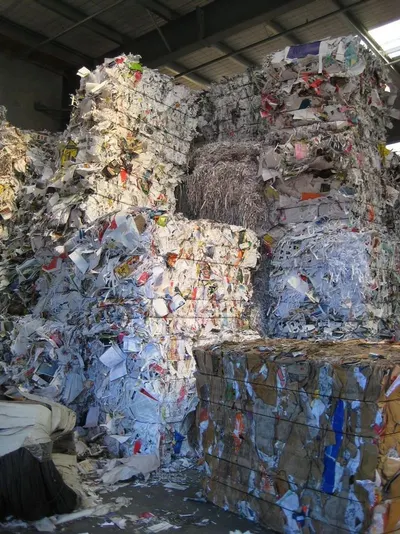
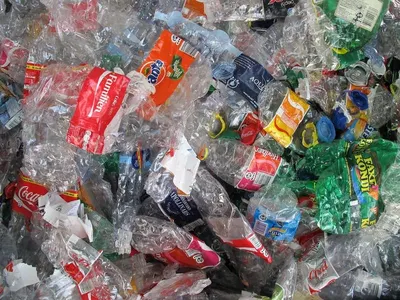
The catalogue offers LDPE film scrap (HS 3915.10) typically supplied as re‑grind or roll bale, where buyers usually look for melt flow index (MFI) between 0.5 and 5 g/10 min and contamination below 1 %. PET bottle scrap (HS 3915.10) is generally provided as bales with colour sorting; standard specifications include intrinsic viscosity (IV) around 0.7 - 0.8 dL/g and PET‑1 grade purity above 95 %. HDPE drum and bottle scrap (HS 3915.10) is commonly graded by density (≈0.94 g/cm³) and melt flow index 2 - 10 g/10 min, with metal contamination limited to 0.5 %. Polyurethane foam scrap (HS 3915.90) is usually measured by foam density (30 - 80 kg/m³) and closed‑cell content, with off‑gassing limits defined by REACH. OCC paper waste (HS 4707.10) is graded by brightness (70 - 80 % ISO) and fibre length, often sold in 1‑tonne bales. Electric‑motor scrap (HS 7404.00) is evaluated for copper recovery, typically containing 20 - 30 % copper and requiring removal of oil and hazardous components.
Frequently Asked Questions About Ivory Gian Recycling Scrap
What HS codes are used for the plastic scrap products listed by Ivory Gian Recycling Scrap?
The LDPE film, PET bottle, and HDPE drum/bottle scraps are classified under HS 3915.10, while polyurethane foam scrap is classified under HS 3915.90.
Which certifications should a buyer request for the PU‑foam scrap?
Buyers should ask for a REACH compliance statement and, if available, an ISO 9001 quality management certificate, as these are commonly required for polyurethane foam waste.
How is OCC paper scrap typically packaged for export?
OCC paper is usually baled in 1‑tonne bundles, wrapped in stretch film, and loaded onto pallets or directly into containers for shipment.
What typical copper content can be expected in the electric‑motor scrap?
Electric‑motor scrap generally contains 20 % to 30 % copper, with the remainder consisting of steel, aluminium and other alloy components after oil removal.
What documentation is needed for exporting HDPE drum scrap from Belgium?
Standard documentation includes a commercial invoice with HS 3915.10, a waste shipment declaration under EU regulations, a REACH compliance statement, and a material analysis report showing density and contamination limits.
BelgiumRelated Suppliers & Products
Explore similar suppliers, related products and trending categories