Agriculture›
 Apparel and fashion accessories›
 Construction & real estate›💡Electronic & Electrical›🍎Food & Beverages›🛋️Home furnishing & supplies›⚗️Industrial goods & chemical›🪨Minerals & metals›📦Miscellaneous›Agriculture›Apparel and fashion accessories›Construction & real estate›💡Electronic & Electrical›🍎Food & Beverages›🛋️Home furnishing & supplies›⚗️Industrial goods & chemical›🪨Minerals & metals›📦Miscellaneous›
Ivory Aysia Recycling Product Catalog

About Ivory Aysia Recycling - Metal Scraps Supplier in Malaysia
Malaysia, Selangor‑based Ivory Aysia Recycling lists seven active product lines. The catalogue includes LDPE film scrap (HS 3915.10), PET bottle scrap (HS 3915.10), PU foam scrap (HS 3921.19), HDPE bottle scrap (HS 3915.10), HDPE blue drum regrind (HS 3915.10), PMMA acrylic scrap (HS 3915.90) and electric motor scrap (HS 7404.00). The company states it trades ferrous, non‑ferrous metal, plastic and paper scrap sourced from local vendors, and it serves customers in multiple world regions. It emphasizes a comprehensive service model that aligns supply with client demand. The supplier’s top‑level categories also reference ship and marine scrap, dairy products, animal feed and automobile scrap, indicating a broader material handling capability. Ivory Aysia Recycling claims to coordinate timely shipments and to meet varied quality expectations, positioning itself as a conduit between Malaysian scrap generators and overseas processors.
Product Range and Specialties of Ivory Aysia Recycling
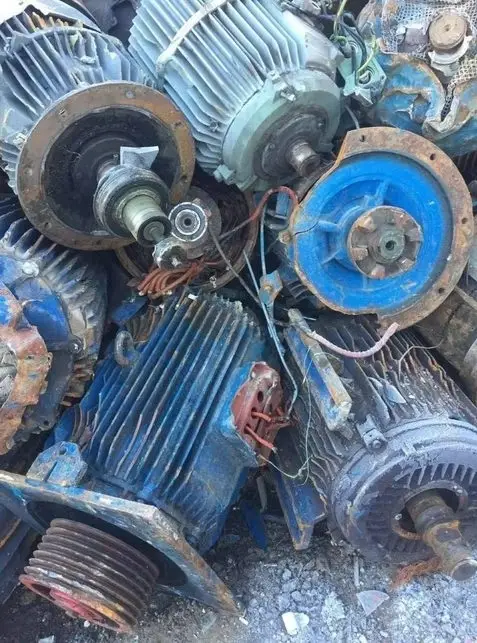
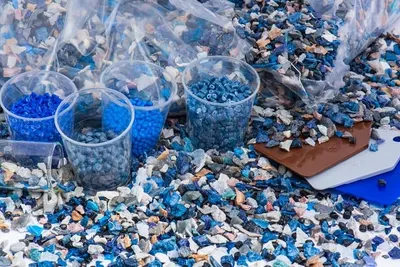
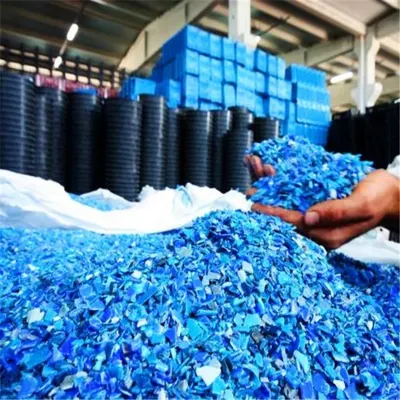
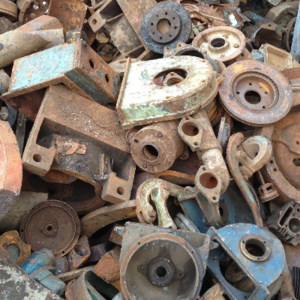
The product catalogue covers several plastic waste streams: LDPE film, PET bottles, HDPE bottles and HDPE drum regrind are all classified under HS 3915.10, while PU foam falls under HS 3921.19 and PMMA acrylic under HS 3915.90. Typical industry grades for LDPE film scrap range from 30‑70 µm thickness with colour‑sorting and <2 % PVC contamination. PET bottle scrap is usually supplied in clean bales of 1‑2 tonnes, with PET content above 95 % and minimal labels. HDPE bottle scrap and drum regrind often meet melt flow index (MFI) values of 5‑15 g/10 min and are colour‑coded for recycling streams. PU foam scrap is evaluated by density (≈0.9‑1.1 g/cm³) and foam type, while PMMA acrylic scrap is graded by purity (>98 %) and absence of additives. The electric motor scrap (HS 7404.00) typically includes ferrous housings and copper windings, with copper recovery rates of 20‑30 %. Industry standards for these streams commonly reference ISO 9001 quality management, REACH compliance for hazardous substances, and ASTM D 6860 for plastic waste grading. Buyers often request material safety data sheets (MSDS), FTIR spectra for polymer identification, and metal content analysis for electric motor scrap.
Frequently Asked Questions About Ivory Aysia Recycling
What plastic scrap grades are listed in Ivory Aysia Recycling’s catalogue?
The catalogue lists LDPE film, PET bottle, HDPE bottle, HDPE drum regrind, PU foam and PMMA acrylic scrap, each classified under HS 3915.10 or HS 3915.90, plus electric motor scrap under HS 7404.00.
Which HS codes apply to the listed plastic waste products?
LDPE film, PET bottles, HDPE bottles and HDPE drum regrind use HS 3915.10; PU foam uses HS 3921.19; PMMA acrylic scrap uses HS 3915.90; electric motor scrap uses HS 7404.00.
What typical certifications should a buyer request for these scrap materials?
Buyers usually request ISO 9001 quality management, REACH registration for plastic residues, and RoHS compliance for electric motor scrap, as well as material safety data sheets and recent test reports.
What are common packaging and container sizes for the listed scrap?
Plastic scrap is typically baled and loaded in 20‑ft or 40‑ft containers, with each container holding up to 22 tonnes. Electric motor scrap is often crated or bulk‑loaded in similar container sizes.
What documentation is needed for importing the scrap from Malaysia?
Standard documentation includes a commercial invoice, packing list, bill of lading, waste shipment permit, and any required customs certificates such as a REACH or hazardous waste declaration.
 Malaysia
Related Suppliers & Products
Explore similar suppliers, related products and trending categories


.jpg.png)