Ithu Groups Ltd — Verified Supplier
About Ithu Groups Ltd - Lumber Supplier in South Africa
Ithu Groups Ltd is based in South Africa, state 2148, and currently lists ten active products across its catalogue. The company’s offerings span both agricultural commodities and wood‑based materials. Its top categories include lumber, coconut shell charcoal, butter oils, and various coconut and cocoa derivatives. Each product is identified with a specific HS code that aligns with international customs classifications. The supplier’s tier is marked as organic and it holds a harbor trust tier, indicating compliance with certain verification standards.
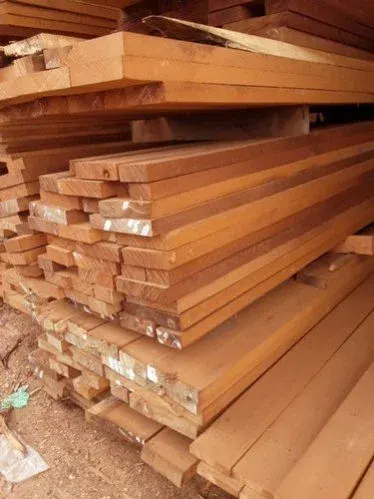
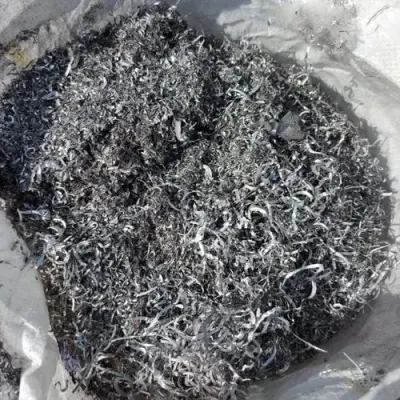
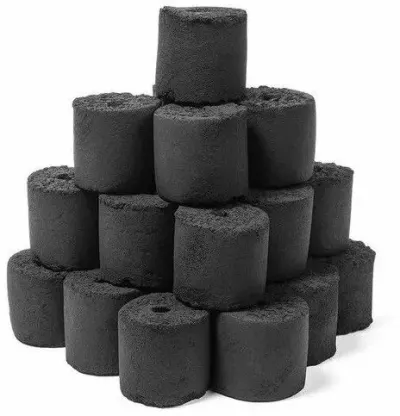
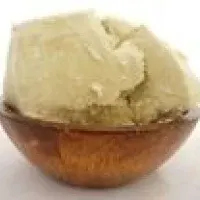
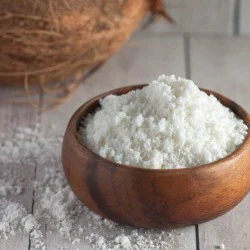
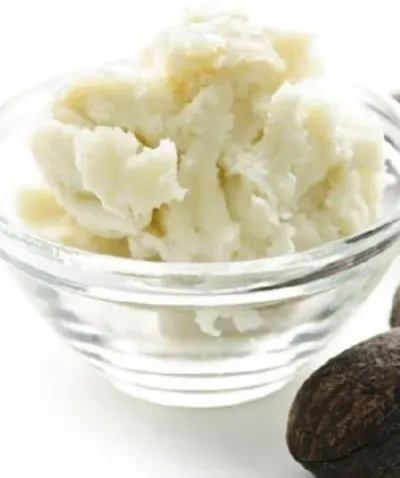
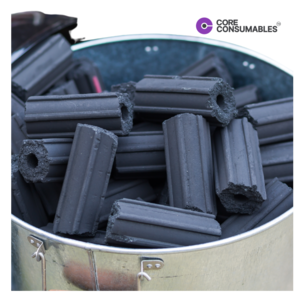
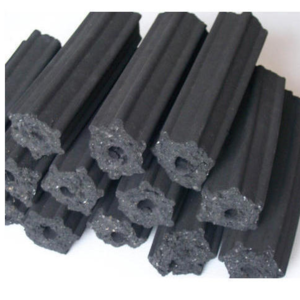
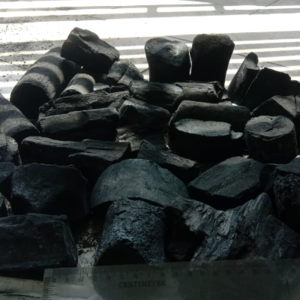
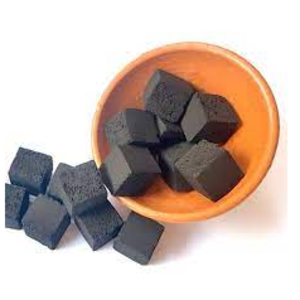
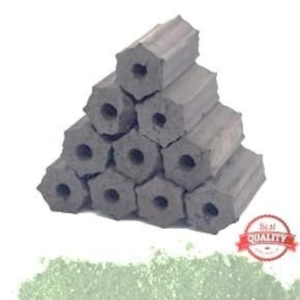
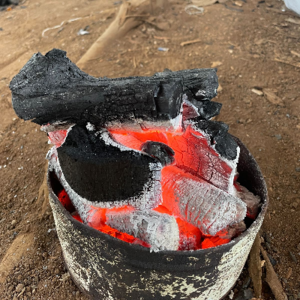
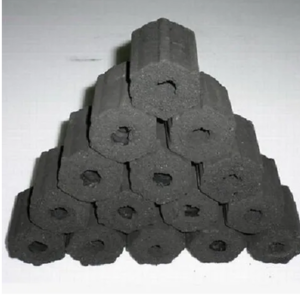
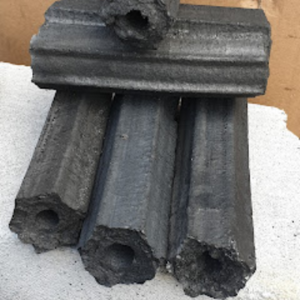
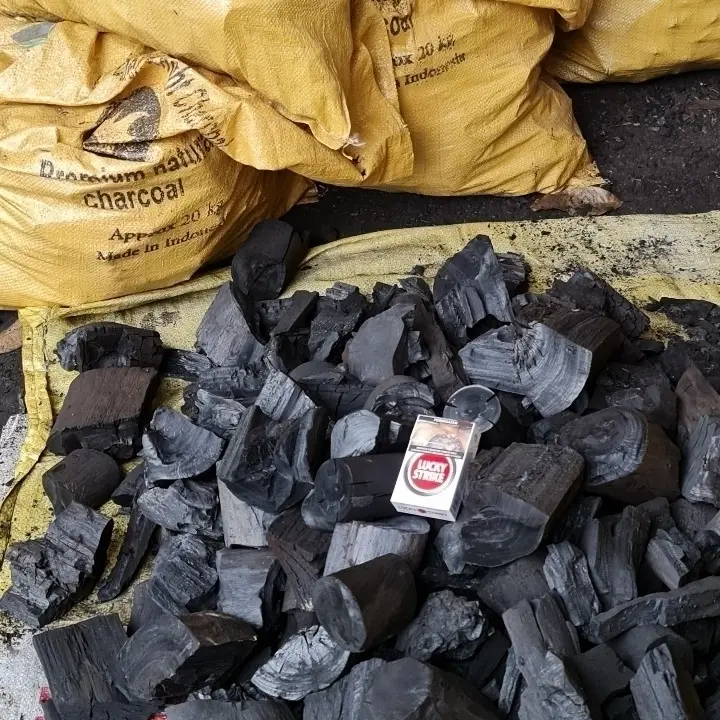
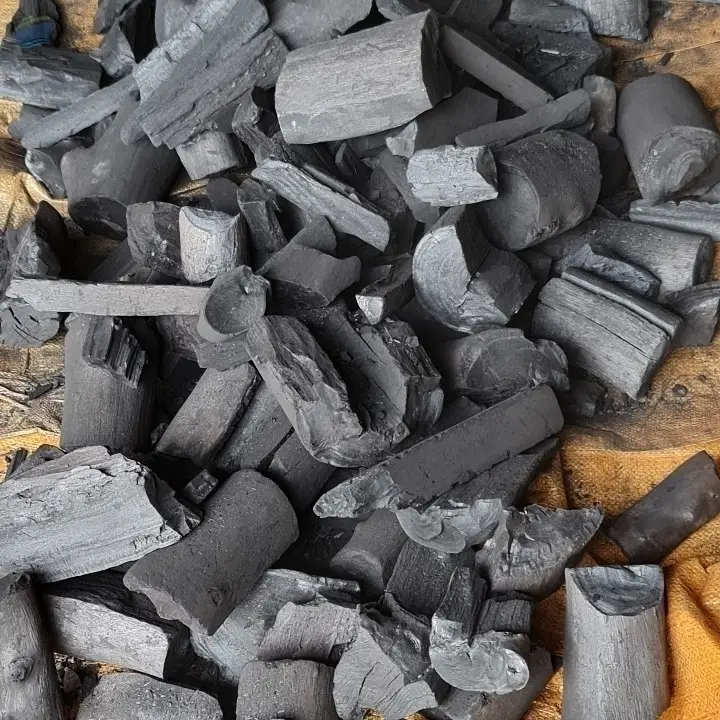
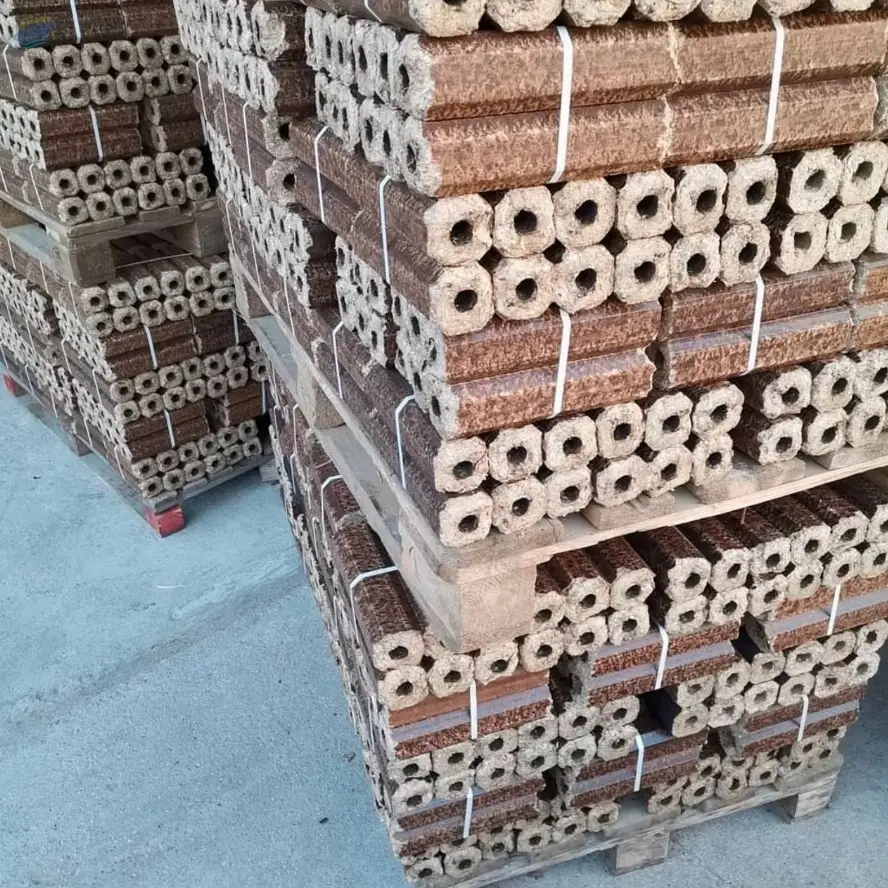
The catalogue comprises shea butter (HS 1515.90) derived from shea nuts, desiccated coconut powder (HS 0801.19) from coconut, avocado butter (HS 1516.20) sourced from avocado, pure cocoa beans (HS 1801.00) from cocoa, green coffee beans (HS 0901.11) from coffee, mangrove charcoal (HS 4402.00) made from mangrove wood, coconut activated carbon (HS 3802.10) from coconut shells, coconut shell charcoal briquette (HS 4402.00) also from coconut shells, firewood logs (HS 4401.12) from wood, and pine wood lumber (HS 4407.11) from pine. These items cover commodity groups such as edible fats, dried fruits, activated carbon, and timber, each mapped to its appropriate customs tariff heading.
Product Range and Specialties of Ithu Groups Ltd
The product list includes shea butter, typically refined to 95‑99 % purity with free‑fatty‑acid levels below 1 % and shipped in 25 kg drums. Desiccated coconut powder is usually graded to a moisture content of ≤5 % and particle size of 1‑3 mm, packed in 20 kg polypropylene bags. Avocado butter commonly meets a melting point of 30‑35 °C and a peroxide value under 5 meq O₂/kg, supplied in bulk containers. Pure cocoa beans are classified in grade AA or A, with moisture ≤7 % and aflatoxin below 2 ppb, and are shipped in 60 kg jute bags. Green coffee beans are generally screened at size 15‑18, moisture ≤12 %, and delivered in 60 kg bags. Mangrove charcoal and coconut shell charcoal briquettes are produced with bulk densities of 0.5‑0.6 t/m³ and calorific values of 28‑30 MJ/kg, often packed in 1‑ton wooden crates. Coconut activated carbon is specified by an iodine number of 800‑1000 mg/g and moisture below 5 %, typically supplied in 25 kg bags. Firewood logs are seasoned to a moisture content of 15‑20 % with a calorific value near 18‑20 MJ/kg, while pine lumber conforms to S‑grade dimensions (e.g., 2 × 4 inches, lengths 2.4‑6 m) and is stacked on pallets.
The timber segment generally follows FSC or PEFC certification for sustainable sourcing, and buyers often request a mill test report confirming grade and dimensions. Fat and oil products such as shea and avocado butter are subject to ISO 22000 or HACCP food safety standards, and a Certificate of Analysis (COA) detailing free fatty acid, peroxide and microbiological limits is standard. Activated carbon and charcoal products are frequently required to meet ASTM C1159 or EN 15223 specifications for adsorption capacity and ash content. Cocoa and coffee beans are commonly inspected under International Coffee Organization (ICO) or International Cocoa Organization (ICCO) guidelines, with phytosanitary certificates needed for most import destinations. Packaging for bulk commodities typically uses 20‑ft or 40‑ft containers, with inner bulk bags complying with ISPM 15 wood packaging regulations.
Trade and Export Information - Ithu Groups Ltd
South Africa is a recognized exporter of agricultural fats, nuts, and timber, with the European Union, United Arab Emirates, and Southeast Asian markets accounting for a large share of demand for cocoa, coffee, and coconut derivatives. The HS‑code families present in Ithu Groups Ltd’s catalogue (1515‑1516, 0801, 1801, 0901, 3802, 4401‑4407) are routinely cleared under the EU’s Rapid Alert System for Food and Feed (RASFF) and the US Food Safety Modernization Act (FSMA) when appropriate certificates are provided. Buyers in the food processing sector typically require organic certification, HACCP compliance, and a phytosanitary certificate for raw beans and nuts. For timber and charcoal, importers often look for FSC/PEFC certification, a smoke‑test report, and compliance with the EU Timber Regulation (EUTR). Shipping is usually arranged on FOB South African ports such as Durban or Port Elizabeth, with cargo consolidated in 20‑ft or 40‑ft containers for oil and bean products, while lumber and charcoal may be shipped in open‑top containers or on roll‑on/roll‑off vessels.
Standard incoterms used by South African exporters include FOB, CIF and DAP, with buyers frequently specifying container stuffing in 1 ton wooden crates for charcoal or bulk bags for beans. Documentation commonly required includes a commercial invoice, packing list, bill of lading, certificate of origin, and where applicable, an organic or sustainability certificate. Inspection agencies such as SGS or Intertek are often engaged to verify moisture, ash content, and grade compliance before loading.
Sourcing from Ithu Groups Ltd - Buyer Guidance
Potential buyers should request a current Certificate of Analysis for each edible oil or butter, confirming purity, free‑fatty‑acid, peroxide value and microbiological limits. For cocoa and coffee beans, a recent phytosanitary certificate and a moisture test report are essential to meet most import regulations. Timber purchasers should ask for a mill test report, FSC/PEFC chain‑of‑custody certificate, and a visual inspection report confirming grade and dimensions.
Typical minimum order quantities range from 500 kg for specialty fats to one full 20‑ft container (≈20 tons) for bulk beans or charcoal. Lead times in South Africa average 30‑45 days from order confirmation to shipment, depending on product processing and packaging requirements. Samples are generally provided in 5‑kg quantities for oils and 1‑kg for beans, accompanied by a COA and, where relevant, an organic certification.
Frequently Asked Questions About Ithu Groups Ltd
What product categories does Ithu Groups Ltd offer?
The supplier lists ten products covering edible fats (shea butter, avocado butter), coconut and cocoa derivatives (desiccated coconut powder, coconut activated carbon, coconut charcoal briquette), coffee and cocoa beans, timber (pine lumber, firewood logs), and mangrove charcoal. Each item is mapped to a specific HS code in the catalogue.
Which HS codes correspond to the listed products?
Shea butter is HS 1515.90, desiccated coconut powder HS 0801.19, avocado butter HS 1516.20, pure cocoa beans HS 1801.00, green coffee beans HS 0901.11, mangrove charcoal HS 4402.00, coconut activated carbon HS 3802.10, coconut charcoal briquette HS 4402.00, firewood logs HS 4401.12, and pine wood lumber HS 4407.11.
Are the edible oil products certified organic?
The supplier’s tier is indicated as organic, which suggests that the shea butter, avocado butter and related oil products are produced under organic standards. Buyers should request the specific organic certification document to verify compliance with their market requirements.
What certifications are typically available for the timber and charcoal products?
For timber, FSC or PEFC sustainability certificates are commonly issued, along with mill test reports confirming grade and dimensions. Charcoal and mangrove charcoal are often accompanied by a smoke‑test report, calorific value data, and may carry ISO 9001 quality management certification.
What are the typical packaging formats and container sizes for these goods?
Edible fats are usually packed in 25 kg drums or 20 kg bulk bags, while desiccated coconut and activated carbon are shipped in 20‑kg polypropylene bags. Beans and charcoal are commonly packed in 60‑kg jute bags or 1‑ton wooden crates, and lumber is stacked on pallets. All bulk shipments fit standard 20‑ft or 40‑ft containers.
What documentation is required for import into major markets?
Importers generally need a commercial invoice, packing list, bill of lading, certificate of origin, and for food items a phytosanitary certificate and Certificate of Analysis. Timber shipments may also require an FSC/PEFC certificate and compliance statements for the EU Timber Regulation.
What are the typical minimum order quantities and lead times?
Minimum orders are about 500 kg for specialty butter products and one full 20‑ft container (approximately 20 tons) for bulk beans, charcoal or timber. Lead times from order confirmation to shipment are typically 30‑45 days, depending on product processing and packaging preparation.
How can I request a sample from Ithu Groups Ltd?
Buyers can request a sample by contacting the supplier with the specific product name; standard sample sizes are 5 kg for oils and 1 kg for beans or charcoal. The supplier will provide a COA with the sample and, where applicable, the relevant organic or sustainability certification.




 , South Africa