Intimex Hanoi Production and Trade JSC — Verified Supplier
About Intimex Hanoi Production and Trade JSC - Spices and Coffee Supplier in Viet Nam
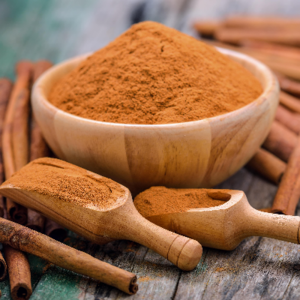
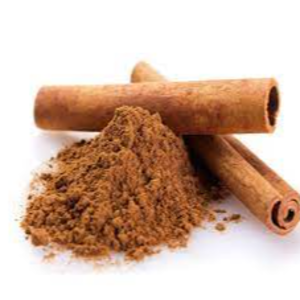
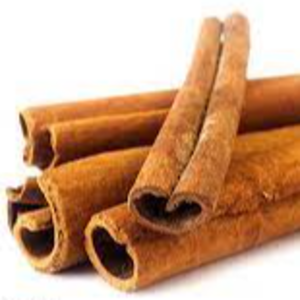
Intimex Hanoi Production and Trade JSC is situated in Hanoi, Viet Nam and currently lists five distinct agricultural products. The catalogue includes Vietnam cinnamon (cassia), rice, star aniseeds, black pepper and coffee. These items fall under the broader categories of spices, staple grains and coffee beans, reflecting the supplier’s focus on Vietnamese export commodities. Each product is identified by its standard HS‑code family, such as 0909 for cinnamon, 1006 for milled rice, 0911 for star anise, 0904 for black pepper and 0901 for coffee. The supplier is classified as an imported tier with a harbor trust tier, indicating its participation in regional trade channels.
Product Range and Specialties of Intimex Hanoi Production and Trade JSC
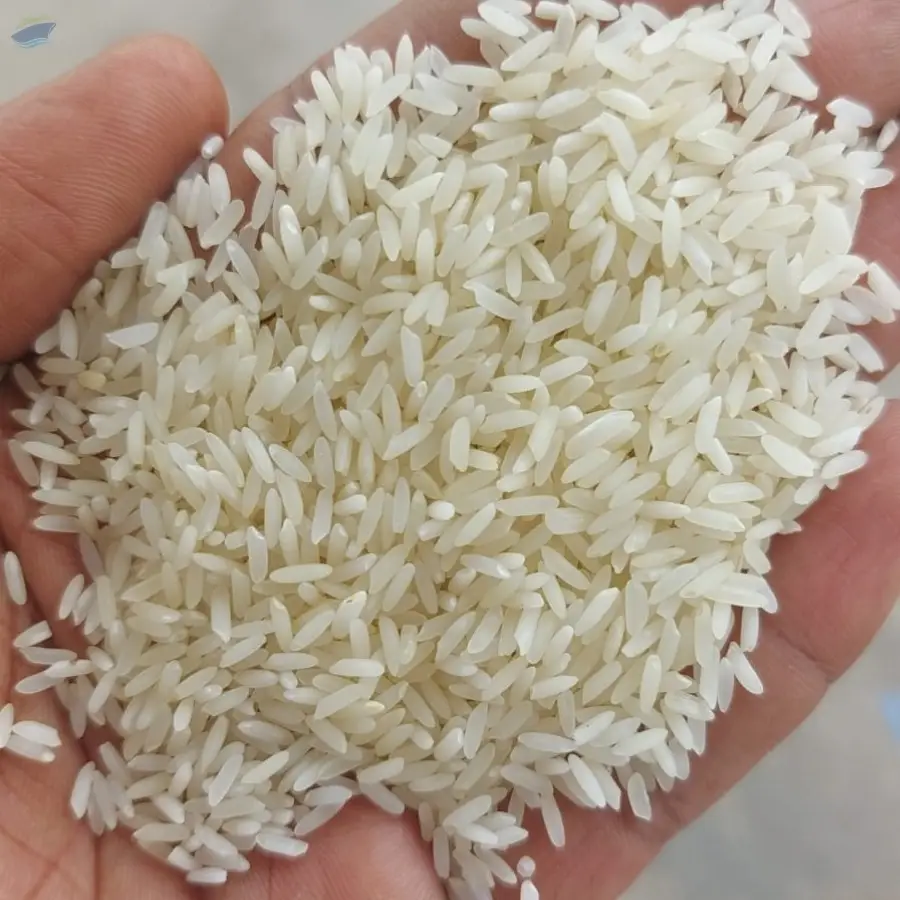
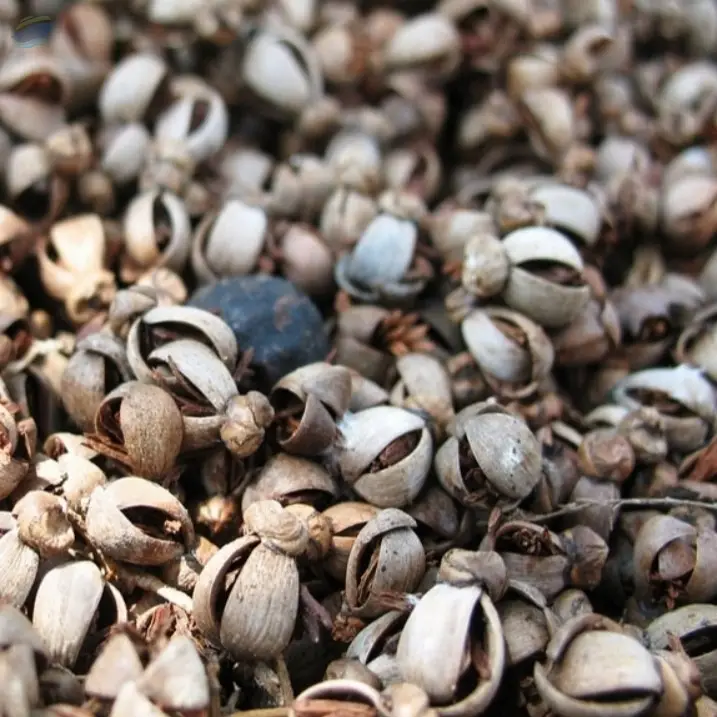
The current catalogue lists Vietnam cinnamon (cassia), milled rice, whole star anise, whole black peppercorns and coffee beans. In the spice sector, cinnamon quills are graded by oil content (typically 5‑7 %) and moisture (≤12 %). Black pepper of SF‑1 grade is evaluated for oil content (40‑60 %) and size (8‑12 mm). Star anise is assessed for essential oil yield (around 5 %) and absence of foreign matter. Vietnamese rice exported in the 1006 HS chapter usually conforms to a moisture level of 12‑14 % and a broken grain ratio below 5 %. Coffee beans are classified by species (Arabica or Robusta), cup score (≥70 for specialty) and moisture (≤12 %). Typical packaging for these commodities includes 25 kg polypropylene bags for spices and coffee, and 20‑40 ft containers holding up to 20 tons of rice.
Trade and Export Information - Intimex Hanoi Production and Trade JSC
Vietnam is a major global supplier of spices, rice and coffee, with the European Union, United States and Middle East representing the largest import markets for these commodities. Export shipments are usually declared under HS chapters 0909, 0904, 0911, 0901 and 1006, which are subject to customs inspection for pesticide residues and moisture content. Buyers commonly require certifications such as ISO 9001 quality management, HACCP food safety, and, where applicable, organic or Fairtrade accreditation. Logistically, 25 kg bags are palletised for container loading, allowing approximately 800 bags per 20 ft container for spices and coffee, while rice is often shipped in bulk or in 50 kg sacks, with a 20 ft container accommodating up to 20 tons. Incoterms frequently used in Viet Nam export contracts include FOB Hanoi Port and CIF destination ports.
Export documentation typically includes a commercial invoice, packing list, certificate of origin, phytosanitary certificate and, for coffee, a cupping report. Regulatory bodies such as the EU’s Rapid Alert System for Food and Feed (RASFF) and the US FDA monitor compliance with maximum residue limits, making pre‑shipment laboratory analysis a standard practice. Given Viet Nam’s established spice processing zones, shipments benefit from established cold‑chain facilities for coffee and moisture‑controlled storage for rice. The supplier’s listed target markets are not specified, so buyers should confirm the intended destination and any additional import permits required.
Sourcing from Intimex Hanoi Production and Trade JSC - Buyer Guidance
When sourcing cinnamon, black pepper, star anise or coffee from this supplier, buyers should request a product specification sheet that details moisture percentage, oil content, size grading and any pesticide residue test results. A phytosanitary certificate and a third‑party laboratory report confirming compliance with the buyer’s maximum residue limits are standard prerequisites. For rice, buyers typically ask for a moisture certificate, broken grain analysis and a grain quality report aligned with the Codex Stan 44‑1983 standard. Samples of each commodity should be obtained before finalising volume, with a typical sample size of 1 kg per spice and 5 kg for coffee. MOQ commonly ranges from 500 kg for spices, 1 ton for coffee and 5 tons for rice, with lead times of 30‑45 days from order confirmation.
Frequently Asked Questions About Intimex Hanoi Production and Trade JSC
What HS codes are used for the products listed by Intimex Hanoi Production and Trade JSC?
The supplier’s catalogue aligns with HS chapter 0909 for Vietnam cinnamon (cassia), 1006 for milled rice, 0911 for star anise, 0904 for black peppercorns and 0901 for coffee beans.
Which certifications should a buyer request for the spices and coffee?
Buyers should ask for ISO 9001 or HACCP certificates, any organic or Fairtrade accreditation if required, and a recent phytosanitary certificate together with laboratory test reports for moisture and pesticide residues.
What are the typical packaging formats for these commodities?
Spices and coffee are usually packed in 25 kg polypropylene bags, stacked on standard pallets; rice is commonly shipped in 20‑40 ft containers using 50 kg sacks or bulk bags.
What is the usual minimum order quantity (MOQ) for each product?
Typical MOQs are 500 kg for cinnamon, black pepper and star anise, 1 ton for coffee beans and 5 tons for milled rice, though exact figures depend on negotiation.
What lead time can a buyer expect after order confirmation?
Lead times generally range from 30 to 45 days, allowing time for product preparation, quality testing and container loading.
Which documents are required for customs clearance of these Vietnamese exports?
Standard documents include a commercial invoice, packing list, certificate of origin, phytosanitary certificate and, for coffee, a cupping or quality report.
Which markets commonly import these Vietnamese products?
The European Union, United States, Japan and Middle‑East countries are the primary import destinations for Vietnamese cinnamon, pepper, star anise, rice and coffee.




 , Viet Nam

.jpg.png)