INS Agro — Verified Supplier
About INS Agro - Briquette Supplier in Ukraine
Ukraine‑based INS Agro lists 19 distinct products in its catalogue, covering agricultural commodities, edible oils, animal proteins and bio‑fuel intermediates. The list includes raw soybeans, soybean meal, anhydrous ethanol (HS 2207.20, ≥99.5 % purity), beef tallow, refined sugar, frozen chicken and beef meat, canola oil (HS 1514.19, refined/crude), chicken eggs, maize corn, various sulfate chemicals, honey, sunflower oil, wheat and wheat flour, dried firewood, wood pellets, wood briquettes and rennet casein. Each entry is identified by its product name; where HS codes are supplied they correspond to the ethanol and canola oil lines only. The catalogue reflects a focus on bulk agricultural inputs and processed food ingredients that are commonly traded under HS chapters 10‑15 and 22. The supplier’s trust tier is recorded as “harbor”, indicating a moderate level of verification in trade platforms.
Product Range and Specialties of INS Agro
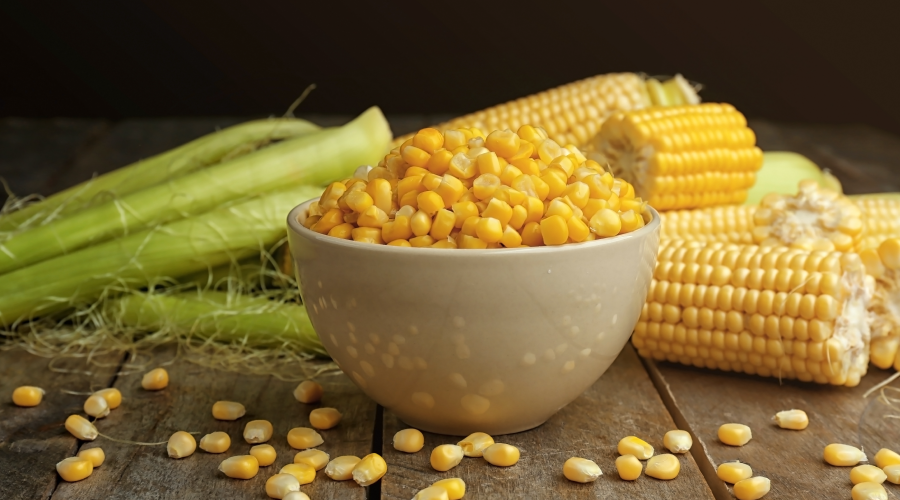
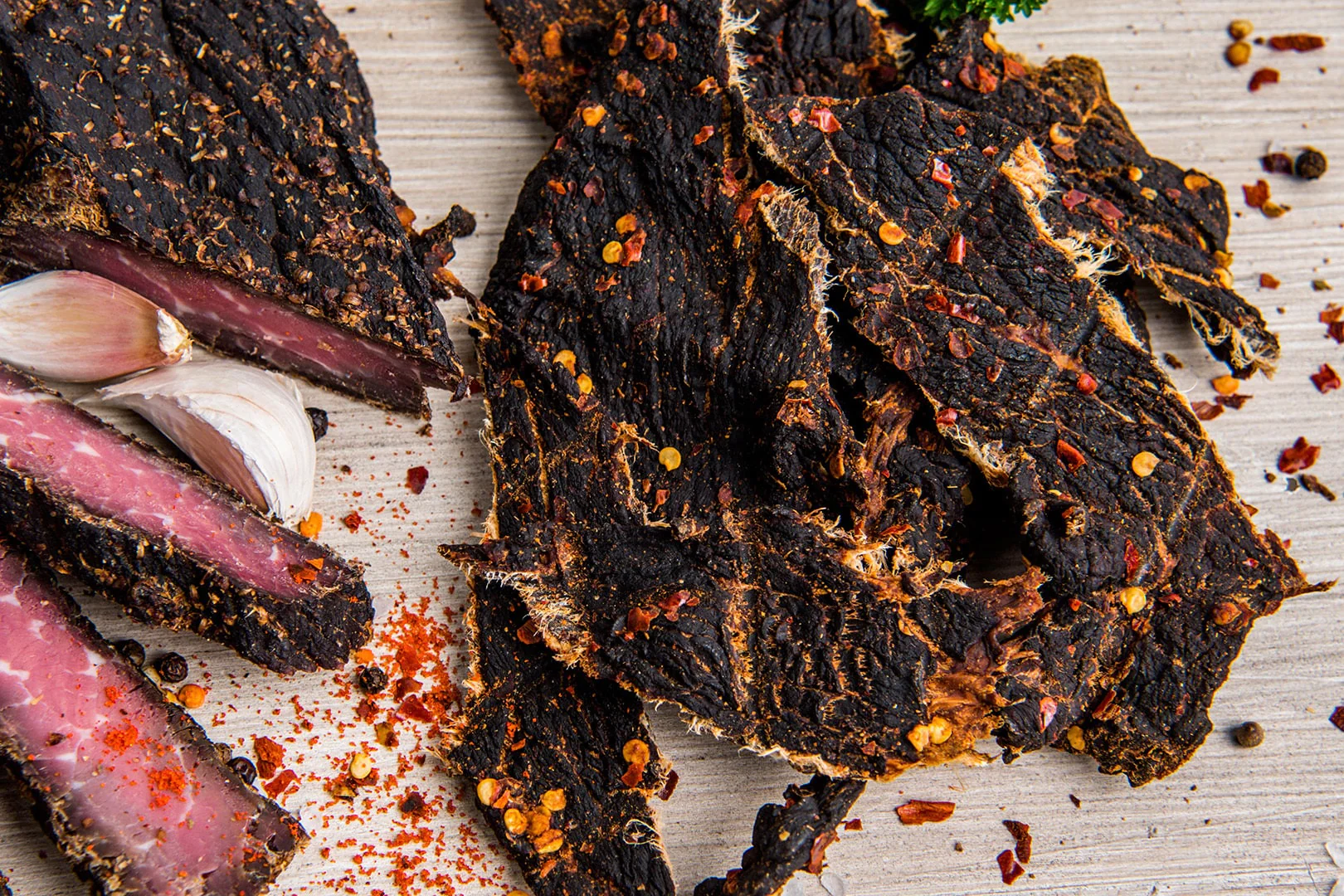
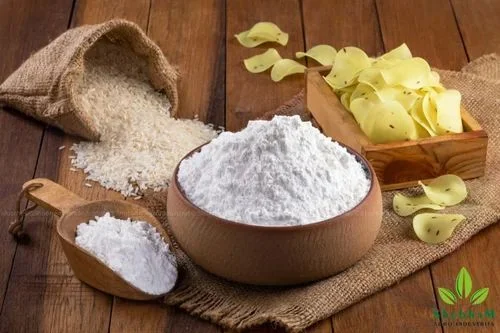
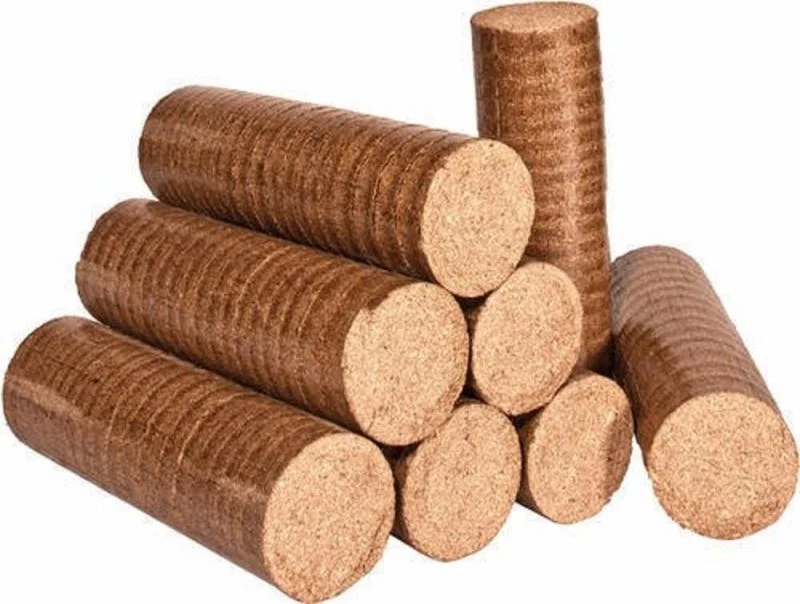
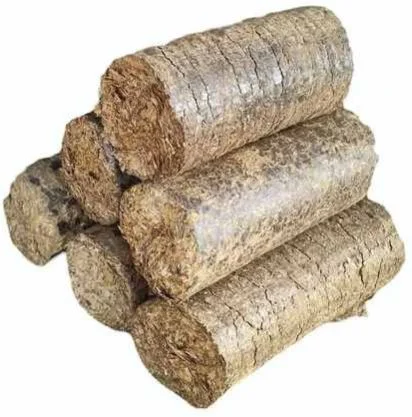
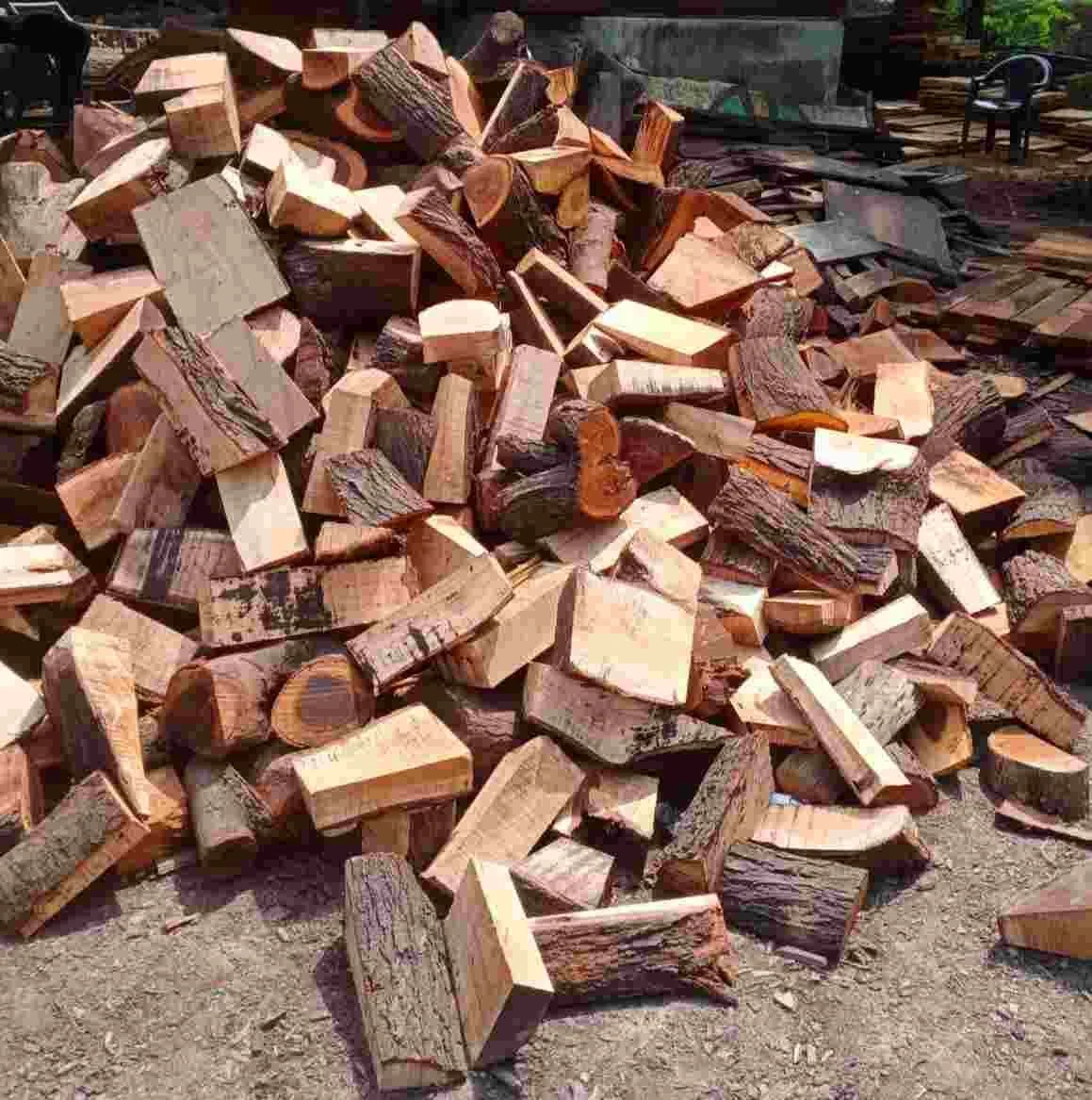
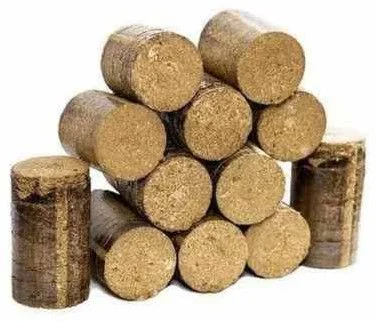
The product set spans major grain and oilseed categories such as soybeans, soybeans meal, maize corn, wheat and wheat flour, each of which in global trade is graded by protein content, moisture level and mycotoxin limits. Typical specifications for soybeans include 35‑40 % protein, ≤13 % moisture and ≤10 mg/kg aflatoxin; soybean meal is usually 44‑48 % crude protein with ≤2 % oil and ≤0.5 % moisture. The ethanol offering meets the common industrial standard of 99.5 % purity, water content below 0.5 % and is classified under HS 2207.20 for anhydrous ethyl alcohol. Canola oil, listed under HS 1514.19, is generally supplied with free fatty acid ≤0.1 % and an iodine value of 105‑115, while sunflower oil follows similar FFA and peroxide value limits. Meat products - frozen chicken and beef - are traded in bulk packs with standard cold‑chain packaging and must comply with EU or CIS veterinary health certificates. The wood‑based fuels (firewood, pellets, briquettes) are typically measured in cubic metres or tonnes and conform to EN 15214 or ISO 17225 standards for solid biofuels.
Trade and Export Information - INS Agro
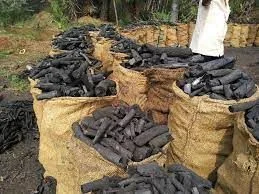
Ukraine is a major exporter of grains, oilseeds and bio‑fuel feedstocks, and its logistics network routes bulk cargoes from Black Sea ports to Europe, the Middle East and North Africa. HS 2207 (alcohols) and HS 1514 (vegetable oils) are frequently inspected under customs regimes that require certificates of analysis, origin and compliance with REACH or ASTM standards. Food‑grade commodities such as soybeans, wheat, sugar, honey and meat are subject to phytosanitary certificates, EU health certificates, and often HACCP or ISO 22000 audits before shipment. Buyers in the EU, GCC and Asian markets typically request documentation on pesticide residues, GMO status for soy, and moisture/foreign matter limits for grains. Bulk shipments are usually loaded in 20‑ft or 40‑ft containers for processed goods, while frozen meats travel in refrigerated containers (40 ft reefer) maintaining - 18 °C. Wood pellets and briquettes are packed in bulk bags or bulk containers, with moisture content below 12 % to meet EN 15214 specifications.
Sourcing from INS Agro - Buyer Guidance
When sourcing from INS Agro, buyers should request a current Certificate of Analysis for each food commodity, confirming protein, moisture, pesticide residues and mycotoxin levels against EU or Codex limits. For ethanol, a laboratory report meeting ASTM D4806 (anhydrous ethanol) or the equivalent REACH dossier should be obtained, together with a Certificate of Origin for customs clearance. Meat products require a veterinary health certificate, cold‑chain traceability records and, where applicable, halal or kosher certification. Verify that oil products are accompanied by free‑fatty‑acid and iodine value test results, and that wood fuel shipments include moisture‑content certificates complying with EN 15214. Sampling procedures typically involve a 0.5 % of order quantity sample, with lead times of 2‑4 weeks for documentation and 4‑6 weeks for production and loading, depending on product and destination.
Frequently Asked Questions About INS Agro
What HS codes are associated with INS Agro’s ethanol and canola oil products?
Ethanol is listed under HS 2207.20 for anhydrous ethyl alcohol, and canola oil is classified under HS 1514.19 for refined or crude vegetable oil.
Which quality parameters should be checked for the soybeans and soybean meal?
Buyers normally verify protein content (35‑40 % for soybeans, 44‑48 % for meal), moisture ≤13 % for beans and ≤2 % for meal, and limits on aflatoxins and pesticide residues per Codex standards.
What documentation is required for the frozen chicken and beef meat?
A veterinary health certificate, cold‑chain traceability sheet, and, where required, halal or kosher certification must accompany the shipment.
How is ethanol purity confirmed for export?
A Certificate of Analysis referencing ASTM D4806 or an equivalent REACH conformity report should show ≥99.5 % ethanol purity and water content ≤0.5 %.
What certifications are typically expected for the oil products?
Buyers often request ISO 22000 or HACCP compliance, free‑fatty‑acid ≤0.1 %, iodine value within 105‑115 for canola oil, and a Certificate of Origin for customs.
What packaging formats are used for the wood briquettes and pellets?
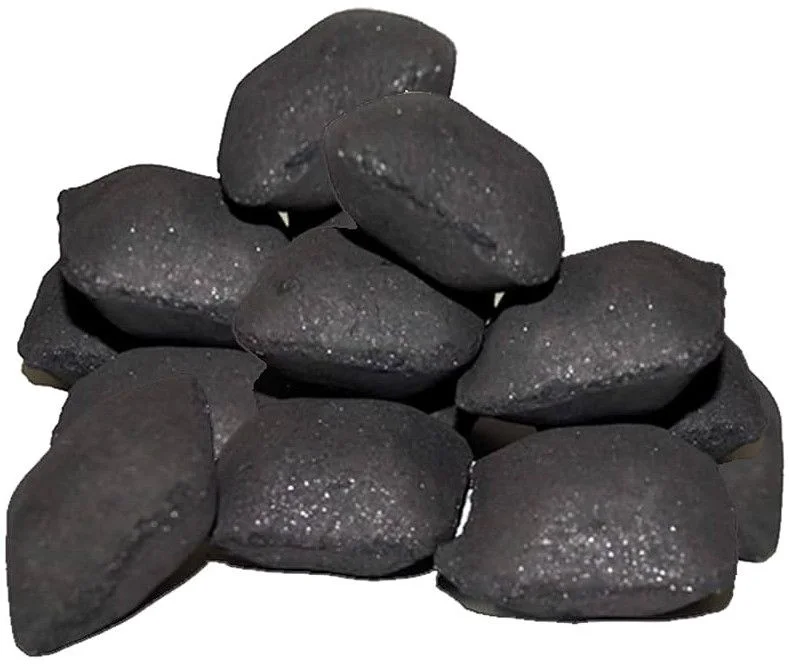
Wood briquettes and pellets are usually shipped in bulk bags (≈1 tonne) or bulk containers, with moisture content documented below 12 % to meet EN 15214 standards.
What are the common shipment terms and container types for INS Agro’s products?
Bulk grains and oils are loaded in 20‑ft or 40‑ft dry containers, frozen meats in 40‑ft refrigerated containers, and bio‑fuel solids in bulk bags or bulk containers; Incoterms such as FOB Black Sea Port or CIF are typical.




 , Ukraine