Infiwit (Beijing) Information Technology Co., Ltd. — Supplier
About Infiwit (Beijing) Information Technology Co., Ltd. - Artificial Jewellery Supplier in China
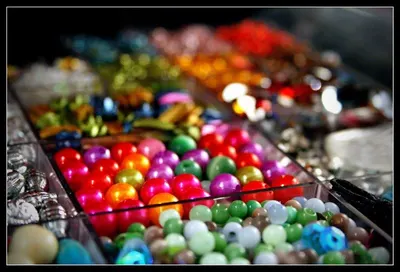
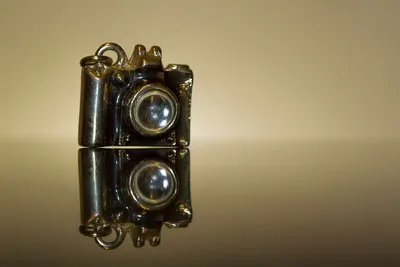
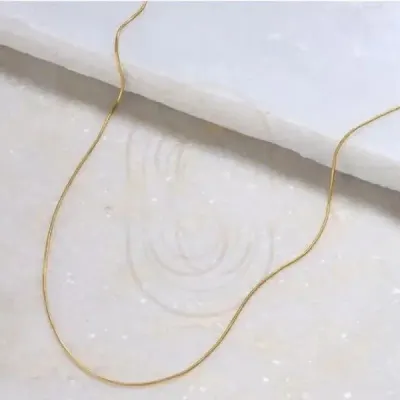
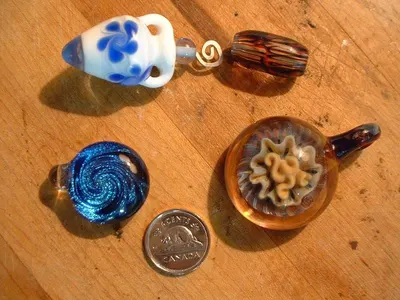
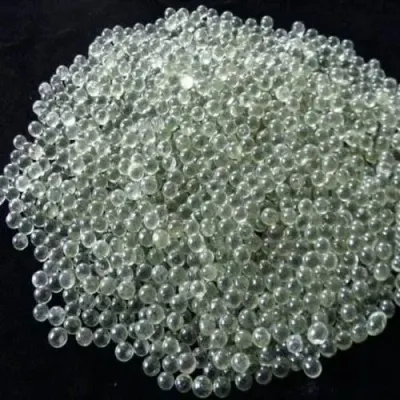
Infiwit (Beijing) Information Technology Co., Ltd. is based in Beijing, China and currently lists six active products. The catalogue covers four top categories: artificial jewellery, jewellery items, chains and beads. Products include brass heart charms, round glass pearl beads, lamp‑worked glass pendants, iron‑gold curb chains, European metal‑alloy beads and lead‑free crystal beads. The crystal beads are recorded under HS code 7018.10 and are made from lead‑free crystal glass, a material commonly classified in the glassware chapter for decorative articles.
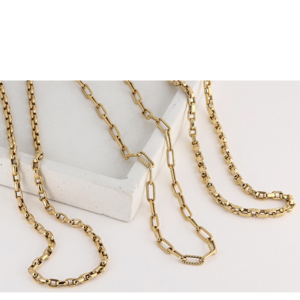
The supplier’s artificial jewellery items are described using material terms such as raw brass, iron‑gold alloy and various glass types. The brass heart charms are noted as raw brass colour, indicating minimal surface plating. The lamp‑worked glass pendants and round glass pearls fall under typical decorative glass bead classifications. The iron‑gold curb chains are listed as jewellery chains, a product type that usually aligns with HS chapters 7113 (precious metal jewellery) or 7117 (other jewellery).
Product Range and Specialties of Infiwit (Beijing) Information Technology Co., Ltd.
The catalogue lists six distinct items: brass heart charms, round glass pearl beads, lamp‑worked glass pendants, iron‑gold curb chains, European metal‑alloy beads and lead‑free crystal beads (HS 7018.10). In the artificial jewellery market, brass charms are often produced with a copper‑zinc ratio of 70:30 and may be plated to achieve a raw brass appearance. Glass pearls typically range from 4 mm to 10 mm in diameter and meet ISO 2409 surface quality standards. Lamp‑worked glass pendants are handcrafted and usually weigh between 2 g and 8 g per piece. Iron‑gold curb chains are measured by gauge (often 1 mm to 2 mm) and are classified under HS 7117 for non‑precious metal jewellery. Lead‑free crystal beads must comply with the EU REACH limit of 0.01 % lead content and are identified under HS 7018.10, the same heading used for decorative glassware.
Exporters of artificial jewellery from China commonly provide material composition certificates, ISO 9001 quality management certificates and REACH compliance statements. Buyers typically request specifications such as brass alloy percentage, glass bead diameter tolerance and crystal clarity grades (e.g., IC 2 or higher).
Trade and Export Information - Infiwit (Beijing) Information Technology Co., Ltd.
China is a leading exporter of artificial jewellery and decorative beads, supplying North America, the European Union and the Middle East. The HS code families that appear in this supplier’s list include 7018 (glassware, including crystal beads) and 7117 (other jewellery articles). Importers usually require a Certificate of Origin, a test report for lead content (especially for crystal glass) and compliance with REACH or RoHS standards. Shipping is frequently arranged on 20‑ft or 40‑ft containers, with products packed in cardboard boxes or wooden crates, sealed with moisture‑resistant film to protect glass components. Typical Incoterms are FOB Shanghai or CIF destination port, depending on buyer preference.
Chinese manufacturers of artificial jewellery often operate under the China Compulsory Certification (CCC) system for metal items, although this is not mandatory for non‑electrical jewellery. Buyers should verify that the supplier can provide lab analysis for metal purity (e.g., copper, zinc, iron) and glass quality (refractive index, lead‑free certification). The export logistics for glass beads demand careful handling to avoid breakage, so double‑wall packaging and “fragile” labeling are standard practice.
Sourcing from Infiwit (Beijing) Information Technology Co., Ltd. - Buyer Guidance
When sourcing from Infiwit, buyers should request a material data sheet for each product, confirming brass alloy composition for the heart charms and metal alloy specifics for the European beads. A third‑party lab report verifying that the crystal beads contain less than 0.01 % lead and meet the lead‑free crystal glass standard is advisable. For the glass pendants and pearl beads, buyers often ask for size tolerance reports (±0.2 mm) and visual clarity grades (e.g., IC 2 or better).
Prior to placing an order, confirm the HS code used for customs clearance matches the product description (e.g., 7018.10 for crystal beads). Request a COA (Certificate of Analysis) or REACH compliance certificate for each batch, especially for metal‑based items that may be subject to import restrictions. Verify packaging details such as 20 kg cartons for beads or 5 kg boxes for chains, and confirm lead times of 15‑30 days for standard production runs.
Frequently Asked Questions About Infiwit (Beijing) Information Technology Co., Ltd.
What materials are used for the heart charms listed by Infiwit?
The heart charms are made of brass in a raw brass colour, which typically consists of a copper‑zinc alloy around 70 % copper and 30 % zinc.
Which HS code applies to the crystal beads offered by the supplier?
The crystal beads are classified under HS code 7018.10, which covers lead‑free crystal glass decorative articles.
What typical specifications should a buyer check for the glass pearl beads?
Buyers usually verify bead diameter (commonly 4 mm‑10 mm), surface quality according to ISO 2409 and the absence of lead or other prohibited substances.
Are there standard certifications buyers should request for these jewellery items?
Buyers commonly request REACH compliance, ISO 9001 quality management certification and, for metal items, a material composition test report or a Certificate of Analysis.
What packaging is standard for the glass pendants and beads?
Glass pendants and beads are typically packed in double‑wall cardboard boxes with moisture‑resistant film and marked as “fragile” to reduce breakage during transport.
What lead time and minimum order quantity can buyers expect?
Standard lead times range from 15 to 30 days after order confirmation, and minimum order quantities are usually set per product type, such as 500 pieces for beads or 200 meters for chains.
Which markets most frequently import artificial jewellery from China?
Major import markets include the United States, the European Union, and the Middle East, where buyers often require REACH compliance and proper HS code declaration.
How should buyers verify the authenticity of the metal alloy used in the European beads?
Buyers should ask for a lab‑issued alloy composition report that details the percentages of each metal component, ensuring it meets the declared specifications.




 , China