Jual.Cash — Verified Supplier
About Jual.Cash - Rudraksha Beads Supplier in Indonesia
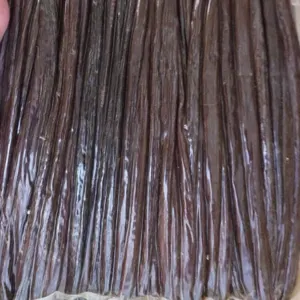
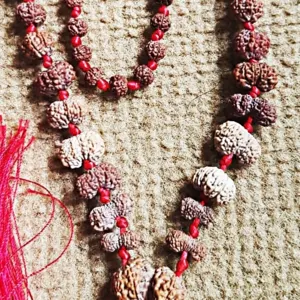
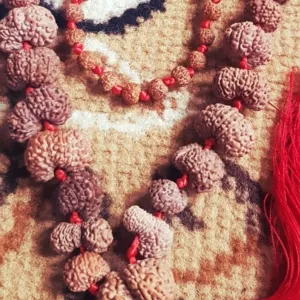
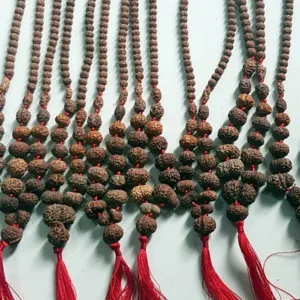
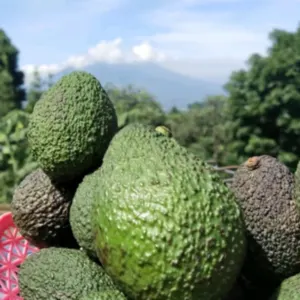
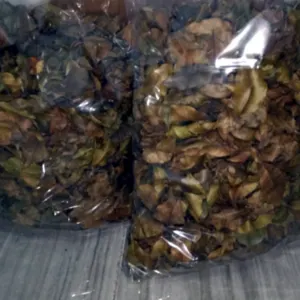
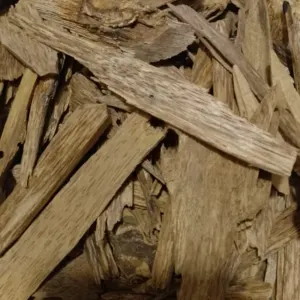
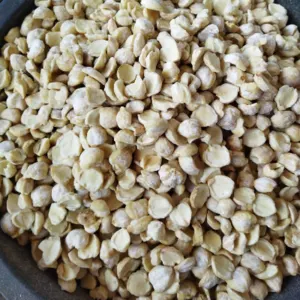
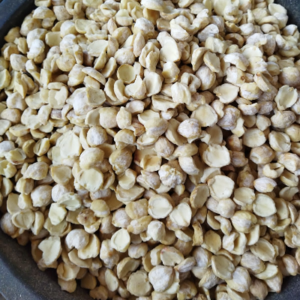
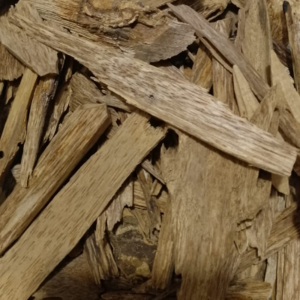
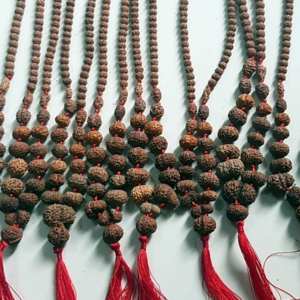
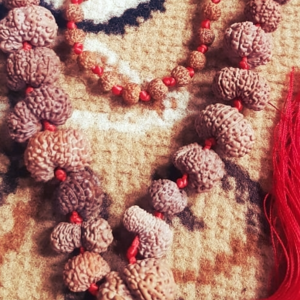
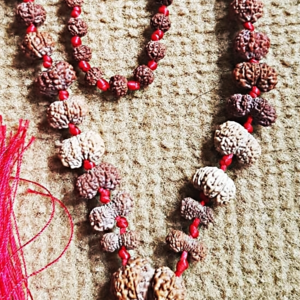
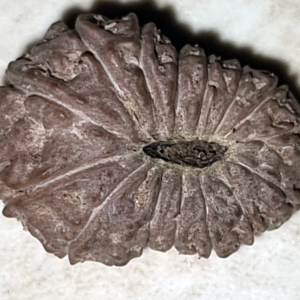
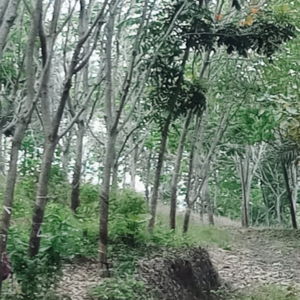
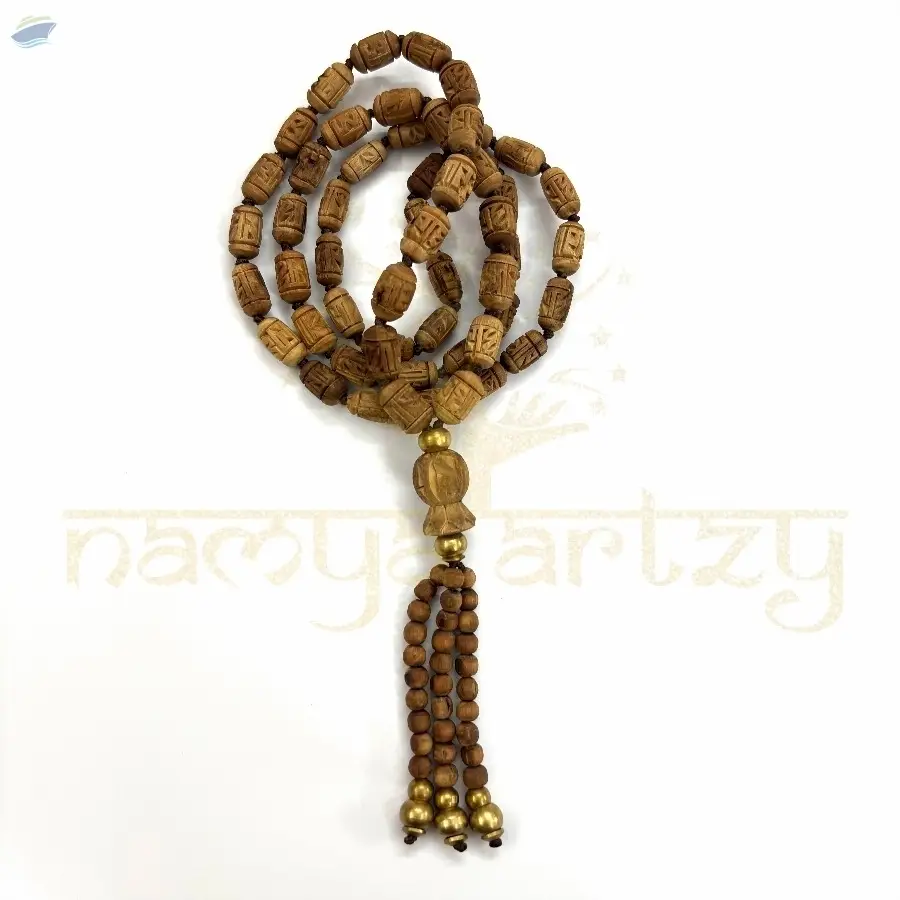
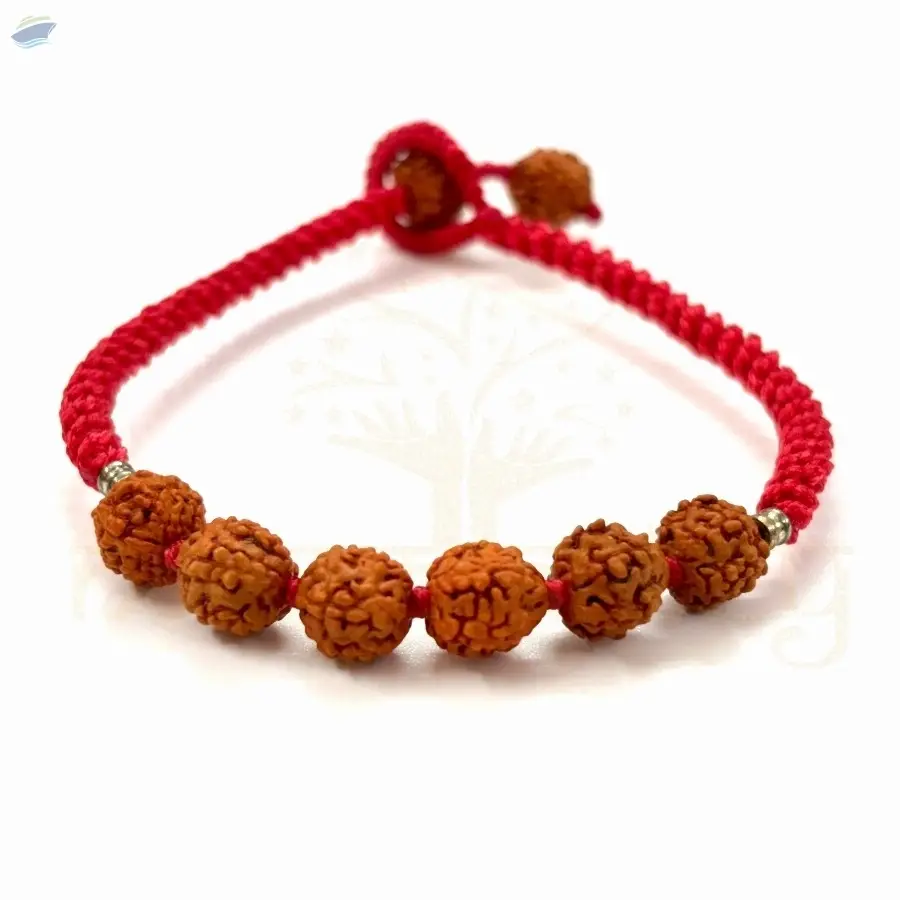
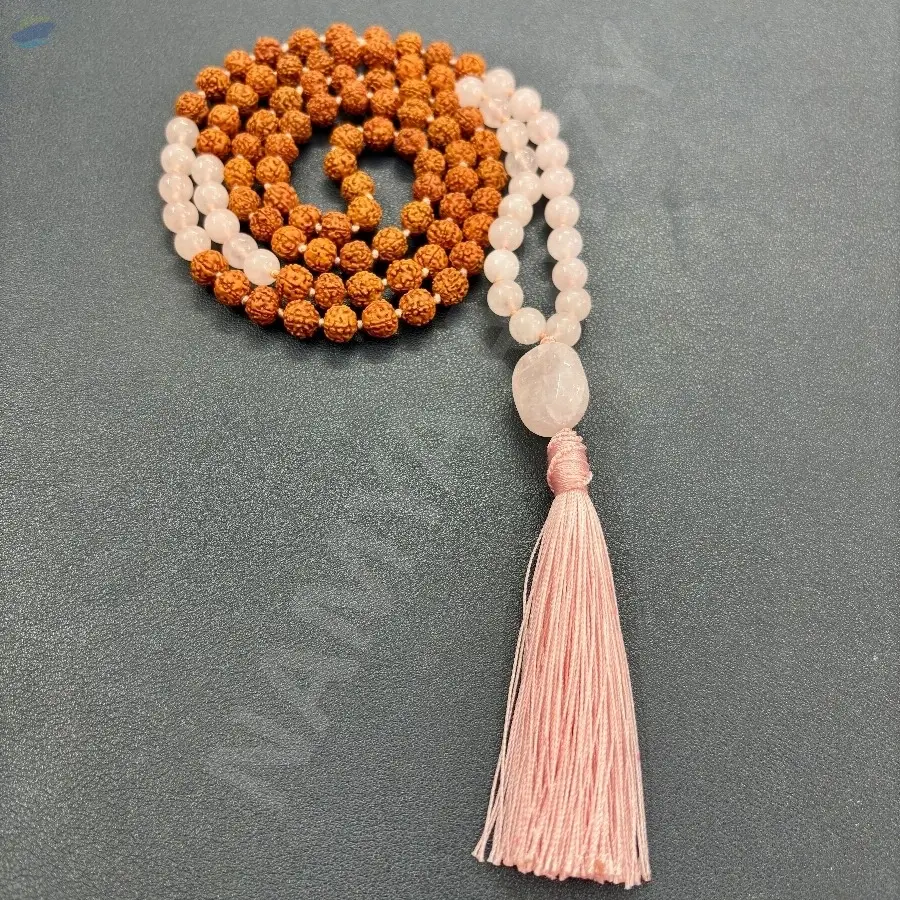
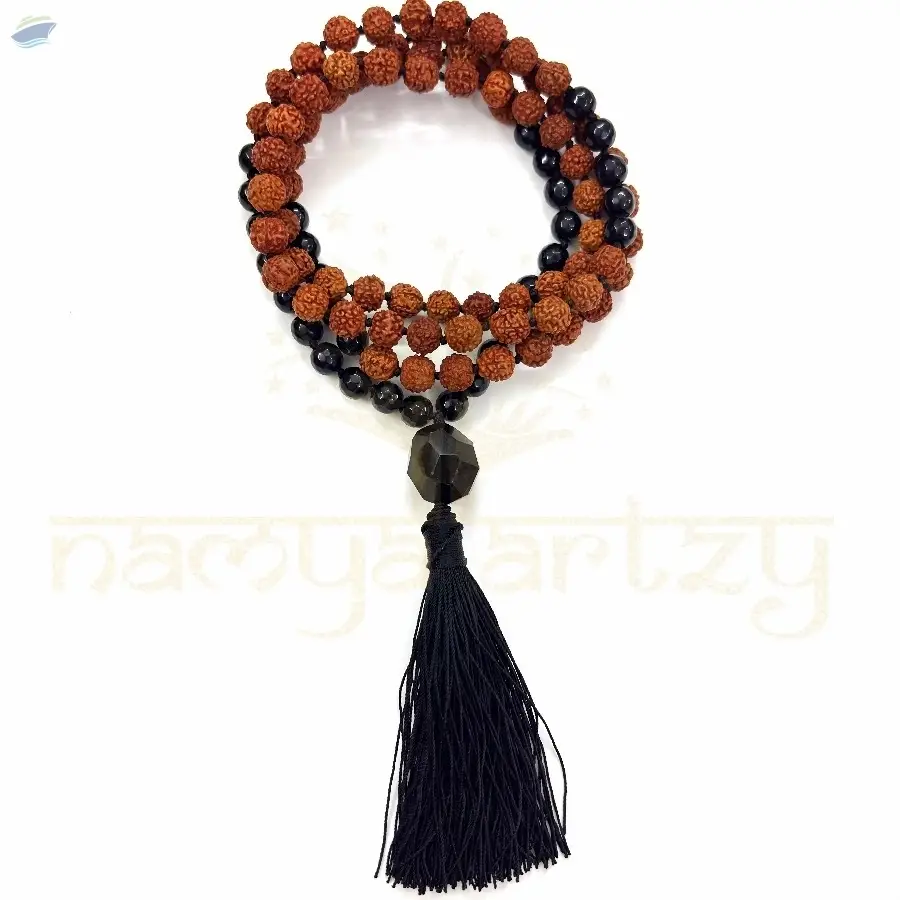
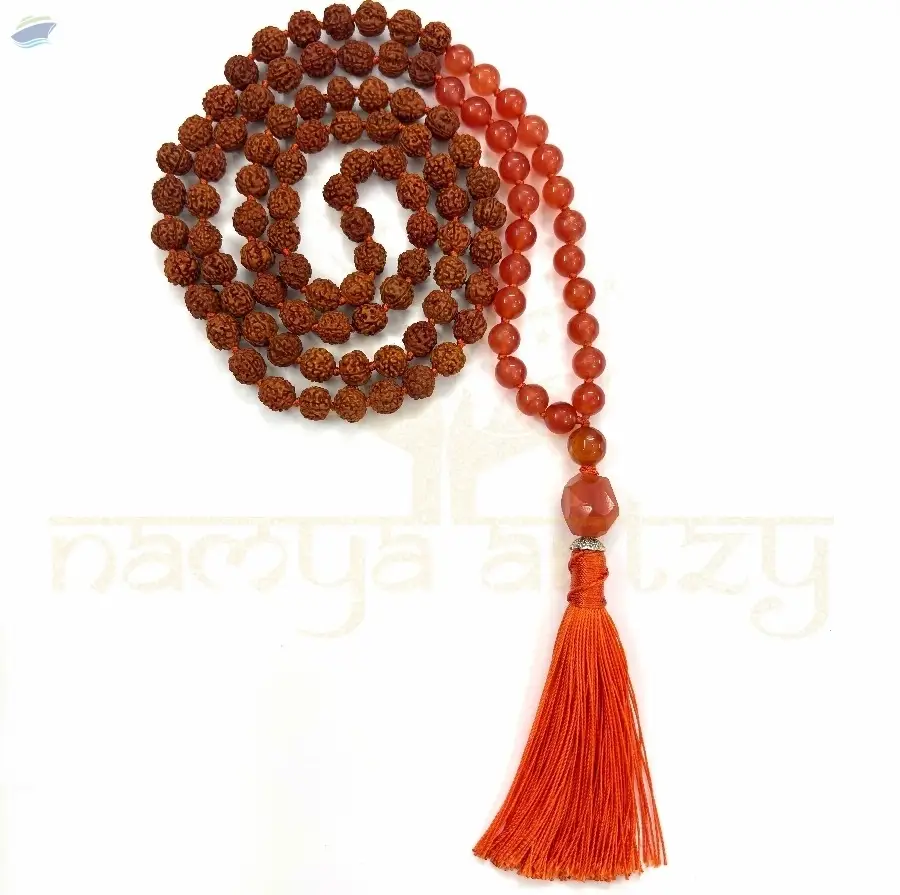
Indonesia, Jakarta Raya, hosts Jual.Cash with an active catalogue of 20 distinct products. The list includes a variety of Rudraksha beads such as 24 Mukhi (HS 7113.19), 25 Mukhi (HS 9601.90), 26 Mukhi (HS 1401.90) and 21 Mukhi variants (HS 0508.00, HS 9601.90), as well as 15 Mukhi beads classified under HS 9601.00 and HS 9601.61. Other offerings span spiritual artefacts like a Ganesh Ji Sandalwood idol (HS 9703.10), carved teak furniture (HS 4420.90), and an Om Khara wall carving that combines teak, mahogany and sandalwood (HS 6802.99). Agricultural and commodity items are also listed, including Candlenut (HS 0802.90), Virgin Coconut Oil (HS 1513.19), Avocado Hass (HS 1515.90), Vanili Tahiti (HS 0905.10), Agarwood blocks (HS 3301.29) and dried leaves (HS 1211.90), plus a Rubber Plantation entry (HS 4001.10).
Product Range and Specialties of Jual.Cash
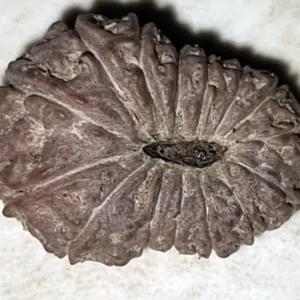
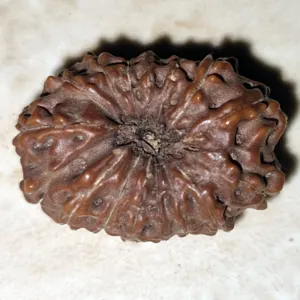
The Rudraksha segment follows industry norms where natural seeds are graded by mukhi count (12, 14, 18, 21, 24, 27, 30) and by size ranging from 5 mm to 8 mm in diameter, with weight typically 0.5‑1.5 g per bead. Authentic beads are distinguished by a smooth surface, natural coloration, and a documented seed origin; buyers often request a laboratory‑verified authenticity report. Sandalwood idols are generally categorized by fragrance oil content (often >3 % essential oil) and weight, while teak carvings are evaluated for wood density (≈0.65 g/cm³) and FSC compliance. Virgin Coconut Oil is exported as a food‑grade oil with free‑fatty‑acid levels below 0.5 % and an iodine value around 85‑95, usually shipped in 200 L steel drums. Vanilla Tahiti pods are graded by vanillin content (≥1.5 %) and moisture (<25 %), packed in 25 kg moisture‑barrier bags. Agarwood blocks are assessed by oil yield (≥30 % by weight) and resin quality, and rubber is measured by dry rubber content (≥60 %).
Trade and Export Information - Jual.Cash
Indonesia ranks among the world’s top exporters of natural commodities such as coconut oil, vanilla, natural rubber and specialty wood products, with primary destination markets in the European Union, United States, Middle East and intra‑ASEAN regions. The HS‑code families represented - 71 (precious stones and beads), 96 (miscellaneous manufactured articles), 44 (wood products), 68 (stone products), 08 (nuts), 33 (essential oils), 15 (vegetable oils) and 40 (rubber) - are routinely inspected under customs regimes that require certificates of origin, phytosanitary certificates for plant‑derived items, and laboratory COAs for oils and extracts. Standard export logistics involve 20‑ft or 40‑ft containers for bulk goods, wooden pallets or crates for carved furniture, and FOB or CIF Incoterms depending on buyer preference. Importers typically request ISO 22000 or HACCP compliance for food‑grade oils, and FSC or PEFC verification for timber‑based carvings, although such certifications must be confirmed with the supplier.
Sourcing from Jual.Cash - Buyer Guidance
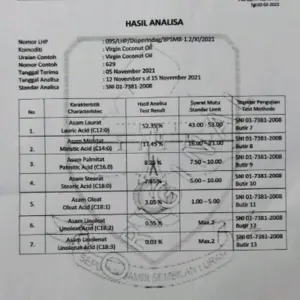
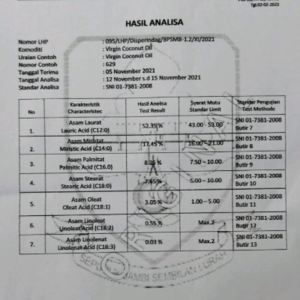
When sourcing Rudraksha beads, request an authenticity certificate together with a laboratory weight‑and‑size report; the HS code on the commercial invoice should match the specific bead type (e.g., 7113.19 for 24 Mukhi). For oil‑based products such as Virgin Coconut Oil or Agarwood essential oil, obtain a COA confirming free‑fatty‑acid levels, oil content and absence of contaminants, and verify that the shipment is packaged in food‑grade drums or barrels. Plant‑derived commodities like vanilla pods, candlenut and avocado require a phytosanitary certificate and a moisture‑content test report; buyers should also confirm that packaging meets container moisture‑barrier standards. Prior to finalizing a bulk order, ask for a sample batch, review the HS code, and ensure that any requested certifications (ISO 22000, FSC, organic) are presented as current documents.
Frequently Asked Questions About Jual.Cash
What Rudraksha bead varieties does Jual.Cash offer and how are they classified?
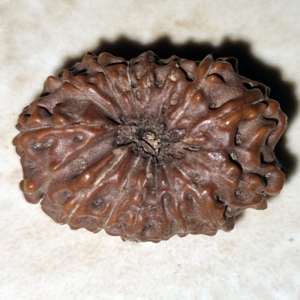
The catalogue lists 24 Mukhi (HS 7113.19), 25 Mukhi (HS 9601.90), 26 Mukhi (HS 1401.90), 21 Mukhi Gauri Shankarr (HS 0508.00), 21 Mukhi Naag Shivling (HS 9601.90) and 15 Mukhi beads (HS 9601.00 and HS 9601.61). Each type follows the standard mukhi count used in the market and is measured in millimetres for diameter and grams for weight.
How can I verify the authenticity of the Rudraksha beads?
Ask the supplier for a certificate of authenticity and a laboratory analysis that confirms the material is the natural seed of the black‑berry fruit. The report should include bead dimensions, weight range and a visual inspection note confirming the natural surface texture.
Which certifications are typically required for importing Virgin Coconut Oil from Indonesia?
Importers usually request ISO 22000 or HACCP compliance, a Certificate of Analysis showing free‑fatty‑acid content below 0.5 % and an iodine value between 85‑95, and a phytosanitary certificate confirming the oil is free of contaminants.
What packaging is standard for Vanili Tahiti pods?
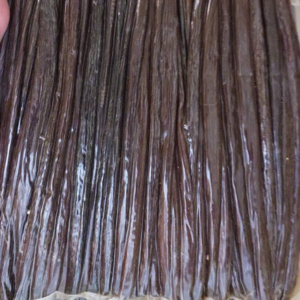
Vanilla pods are commonly packed in 25 kg jute bags with an inner moisture‑barrier liner, stacked on wooden pallets for sea freight. The bags are sealed to maintain vanillin content and are loaded into 20‑ft containers.
What documentation should I expect for Agarwood blocks and dried leaves?
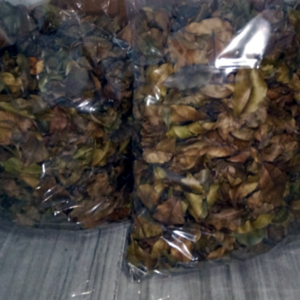
Typical documents include a phytosanitary certificate, a certificate of origin, and a lab report indicating oil content (generally above 30 % for blocks). The HS codes are 3301.29 for blocks and 1211.90 for dried leaves.
What are the usual minimum order quantities and lead times for the listed products?
Bulk commodities such as coconut oil, rubber or vanilla often have a MOQ of 1 metric tonne with lead times of 30‑45 days. Carved furniture pieces may be ordered single‑unit with a production lead time of 60‑90 days, depending on design complexity.
Which HS codes correspond to the major product groups?
Rudraksha beads: 7113.19, 9601.90, 1401.90, 0508.00, 9601.00, 9601.61; Ganesh Ji sandalwood idol: 9703.10; Teak furniture carvings: 4420.90; Om Khara wall carving: 6802.99; Candlenut: 0802.90; Agarwood blocks: 3301.29; Agarwood dried leaves: 1211.90; Virgin Coconut Oil: 1513.19; Avocado Hass: 1515.90; Vanili Tahiti: 0905.10; Rubber Plantation: 4001.10.
Which global markets typically import these Indonesian products?
The European Union, United States, Middle East and Southeast Asian markets are the main import destinations for Indonesian coconut oil, vanilla, natural rubber, and specialty spiritual items such as Rudraksha beads and carved wooden artefacts.




 , Indonesia