Indian Royal Business Services — Verified Supplier
About Indian Royal Business Services - Pomegranate Supplier in India
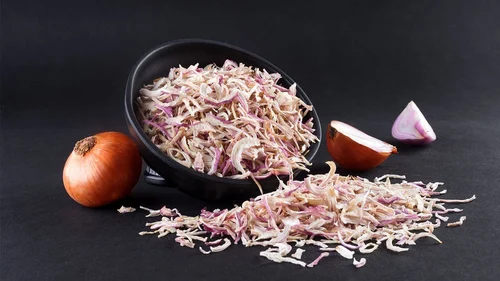
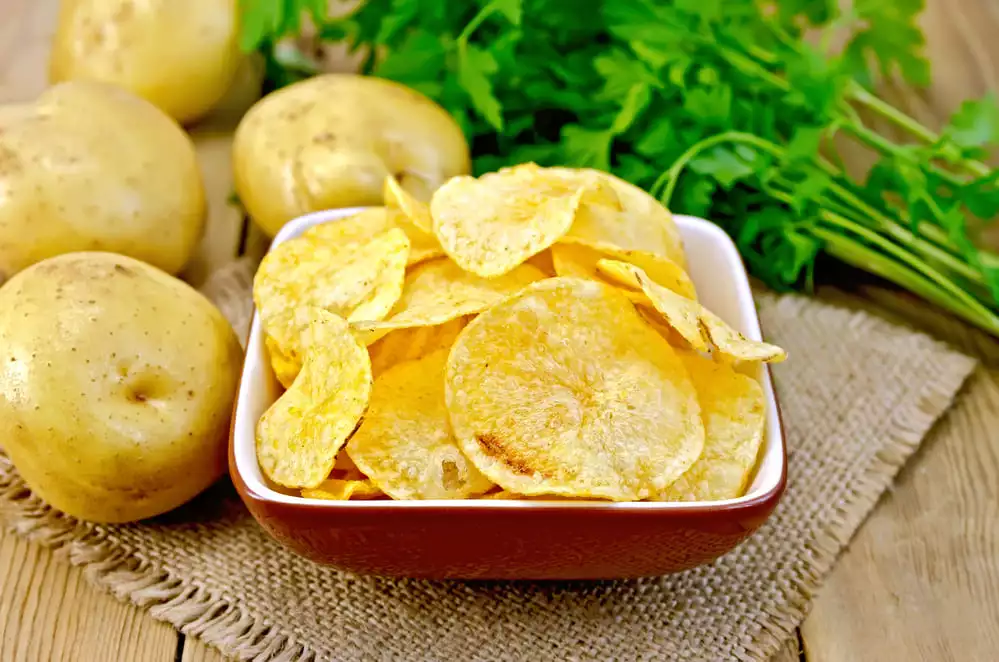
India hosts Indian Royal Business Services, which currently lists 11 active products across fresh produce, staples and commodity sugars. The catalogue includes pomegranate, tomato, garlic, Indian refined sugar S30, green chilli, lemon, rice, red onion, potato, sesame seeds and grapes, each identified by its generic product name without further specification in the source data.
The supplier’s product set spans horticultural items that fall under HS chapter 08 (fresh fruits and vegetables), staple grains in chapter 10, and refined sugar in chapter 17. No HS codes are supplied, but the listed items correspond to standard tariff headings such as HS 0804 for fresh fruit, HS 0702 for tomatoes, HS 0703 for garlic, HS 1701 for refined sugar, HS 0805 for chillies, HS 0806 for lemons, HS 1006 for milled rice, HS 0803 for onions, HS 0701 for potatoes, HS 1207 for sesame seeds and HS 0806 for grapes.
Product Range and Specialties of Indian Royal Business Services
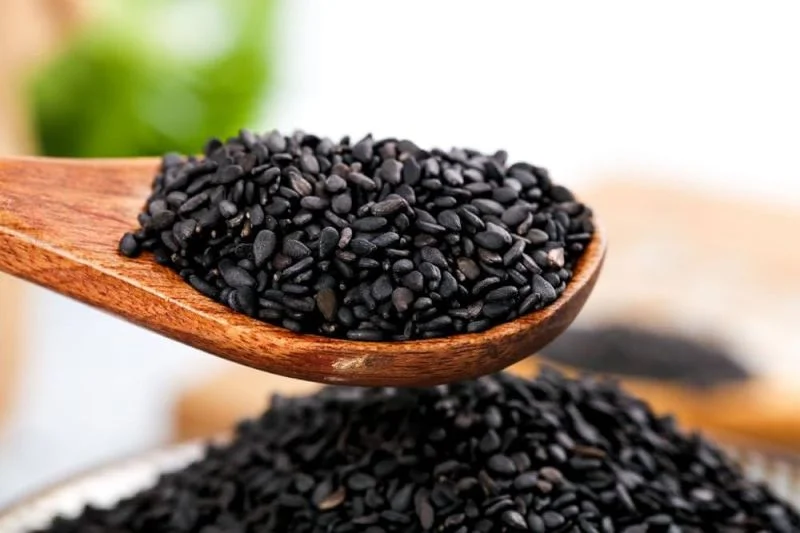
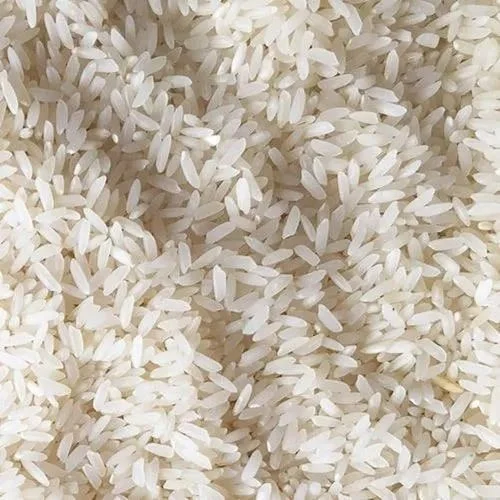
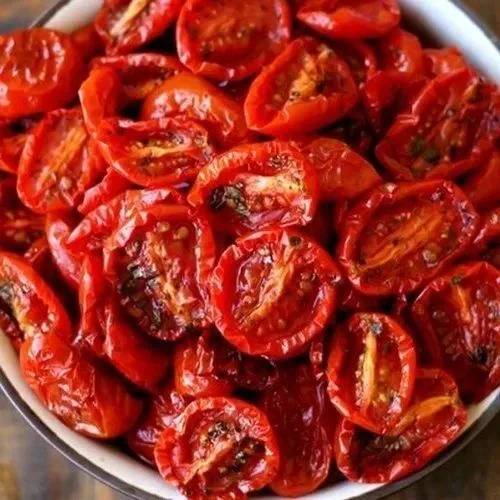
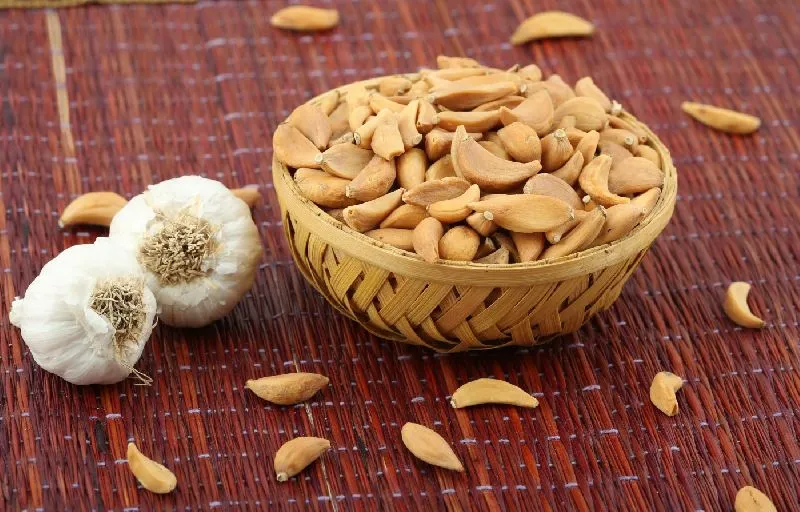
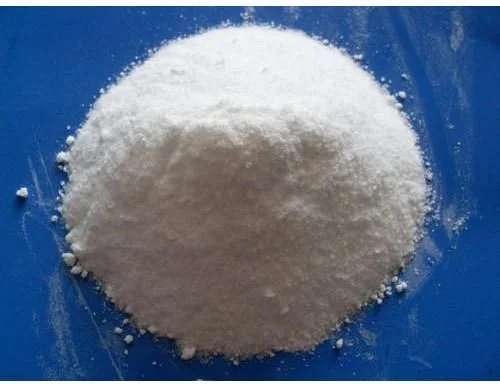
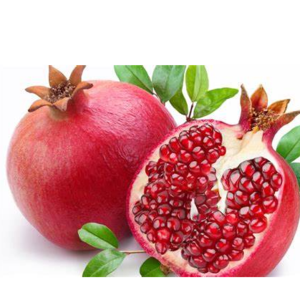
The catalogue shows eleven distinct products: pomegranate, tomato, garlic, Indian refined sugar S30, green chilli, lemon, rice, red onion, potato, sesame seeds and grapes. Each product is presented by name only, without grade or packaging detail. In the fresh‑produce market, pomegranate exports are commonly graded by size (large, medium) and juice content, tomatoes by firmness and Brix, garlic by bulb size and moisture, chillies by capsaicin level, lemons by acidity (TA %), onions by diameter and dry matter, potatoes by starch content, and grapes by seedless or seeded varieties. Refined sugar S30 refers to the standard Indian refined sugar with a polarisation of 99.8 % and moisture ≤0.5 %. Rice from India is frequently supplied as Basmati (minimum 70 % amylose, kernel length ≥6.5 mm) or non‑Basmati grades, and sesame seeds are usually classified by oil content (≈50 % w/w) and hull‑on/hull‑off status. The supplier’s product list therefore aligns with typical industry grades and specifications used in bulk and containerised trade.
Trade and Export Information - Indian Royal Business Services
India is a major exporter of fresh horticultural produce, refined sugar and grains. Buyers in the Middle East, European Union, United States and Southeast Asia regularly import Indian pomegranate, tomatoes, garlic, chillies and onions under HS 0804‑0805, often requiring a phytosanitary certificate, a certificate of origin and compliance with pesticide residue limits (e.g., Codex MRL). Refined sugar S30 is shipped under HS 1701 and usually demands a laboratory analysis report confirming polarisation, moisture and ash content, as well as ISO 9001 or FSSAI registration. Rice exports (HS 1006) are typically loaded in 20‑ft or 40‑ft containers with moisture ≤13 % and may be inspected for broken grain percentage (<5 %). Sesame seeds (HS 1207) often require a declaration of oil content and aflatoxin testing. Standard Incoterms such as FOB or CIF are used, with cargo packed in export‑grade cartons, bulk bags or poly‑lined containers depending on the product. Indian exporters generally work with customs brokers to secure HS‑code classification and compliance with the destination country’s import regulations.
Sourcing from Indian Royal Business Services - Buyer Guidance
When sourcing from Indian Royal Business Services, buyers should request a product specification sheet that details size, moisture, Brix, or oil content for each item, together with the latest laboratory test report and phytosanitary certificate. For sugar, a polarisation test report and moisture analysis are essential; for rice, a mill test report showing broken grain, moisture and amylose content should be obtained. Verify that the supplier can provide ISO 9001, FSSAI or comparable food‑safety certification if required by the buyer’s market, and confirm the HS code used for customs clearance. Request sample quantities in accordance with the product’s typical packaging - e.g., 5 kg bags for spices, 20 kg bulk bags for rice, or palletised cartons for fresh fruit - and clarify lead times, which for Indian fresh produce usually range from 7 to 21 days after order confirmation.
Frequently Asked Questions About Indian Royal Business Services
What HS codes does Indian Royal Business Services use for its products?
The supplier lists products that correspond to standard Indian export HS headings: fresh pomegranate, tomato, garlic, chilli, lemon, onion, potato and grapes fall under HS 0804‑0806; refined sugar S30 under HS 1701; rice under HS 1006; and sesame seeds under HS 1207. Exact codes should be confirmed with the supplier for each shipment.
Which certifications are commonly required for these Indian exports?
Typical import requirements include a phytosanitary certificate, a certificate of origin, and food‑safety certifications such as ISO 9001 or FSSAI registration. Buyers should ask the supplier to provide copies of any certificates that apply to the specific product.
What are the usual packaging formats for the listed products?
Fresh fruit and vegetables are generally packed in export‑grade cartons (e.g., 12 kg per box for pomegranate, 10 kg for tomatoes) or bulk containers with ventilated liners. Refined sugar is shipped in 25 kg or 50 kg bags, rice in 20 kg bulk bags, and sesame seeds in 25 kg polypropylene bags. All packaging complies with ISPM 15 for wood pallets when used.
What is the typical minimum order quantity (MOQ) for these items?
MOQs vary by product: fresh fruit orders often start at one 20‑ft container (≈10 metric tons), refined sugar may be ordered from 5 metric tons, rice from 2 metric tons, and sesame seeds from 1 metric ton. Exact MOQs should be confirmed with the supplier.
How long does it take to produce and ship an order?
Lead times depend on product seasonality. Fresh produce from India usually ships within 7‑21 days after order confirmation, whereas non‑perishable items like sugar, rice and sesame seeds may require 15‑30 days for processing, packaging and shipment.
What documentation should a buyer request before payment?
Buyers should request a pro‑forma invoice, packing list, commercial invoice, bill of lading, phytosanitary certificate, certificate of origin and any applicable food‑safety certificates. For sugar, a laboratory analysis report confirming polarisation and moisture is also standard.
Are there any import restrictions for these products in major markets?
Importing countries often enforce maximum pesticide residue limits (Codex MRL) and require phytosanitary clearance for fresh produce. Sugar imports may be subject to tariff quotas, and rice may be inspected for broken grain and moisture content. Buyers should verify the specific regulations of the destination country.
Can the supplier provide samples before a full order?
Yes, the supplier can arrange sample shipments. Sample quantities typically range from 1 kg for spices or seeds to a single carton (≈10 kg) for fresh fruit, with costs usually borne by the buyer and shipping on a DAP basis.




 , India