I2yard Exim Pvt Ltd — Verified Supplier
About I2yard Exim Pvt Ltd - Multi‑Category Food Supplier in India
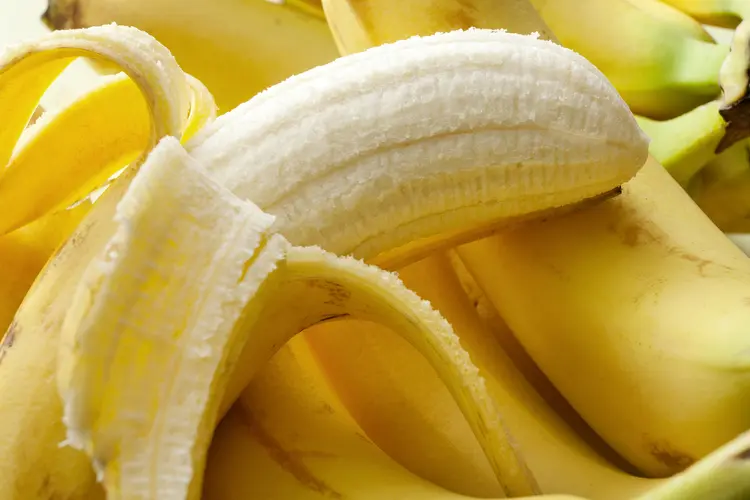
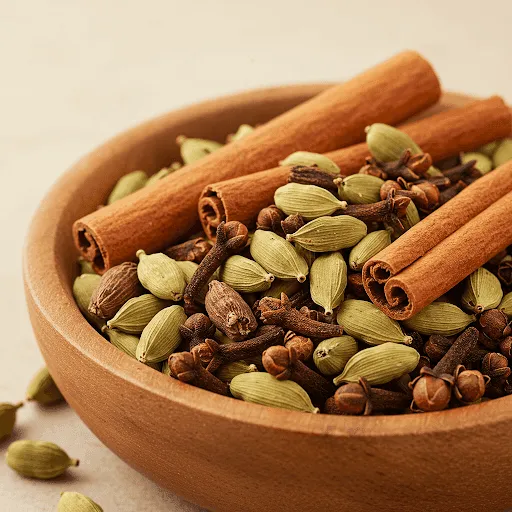
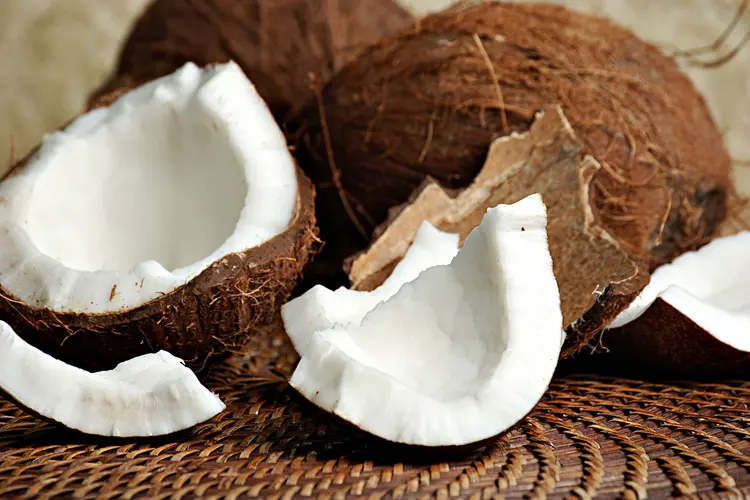
India‑based I2yard Exim Pvt Ltd lists thirteen active products in its catalogue, covering major spice, fruit, and beverage categories. The catalogue includes Turmeric, Banana (HS 0803.00, fresh natural Musa spp.), Coriander, Black Pepper, Cinnamon (HS 0906.11, natural bark of Cinnamomum verum or C. cassia), Honey, Tea, Coffee, Rice, Cardamom, Coconut and Sugar, plus a specialty mineral product, Himalayan Shilajit. Each entry is identified by its product name, and where available the HS code aligns with the standard customs chapters for edible fruit (08) and spices (09).
The supplier’s top‑category list highlights Black Cardamom, Turmeric Powder, Banana, Coriander Powder, Pepper, Honey, Tea and Coffee, reflecting a focus on Indian spice and beverage exports. While no specific certifications are disclosed, the product set matches the typical HS‑code families 0803, 0905‑90‑71 for spices and 0901‑0902 for tea and coffee, which are commonly inspected under food‑safety regimes in destination markets.
Product Range and Specialties of I2yard Exim Pvt Ltd
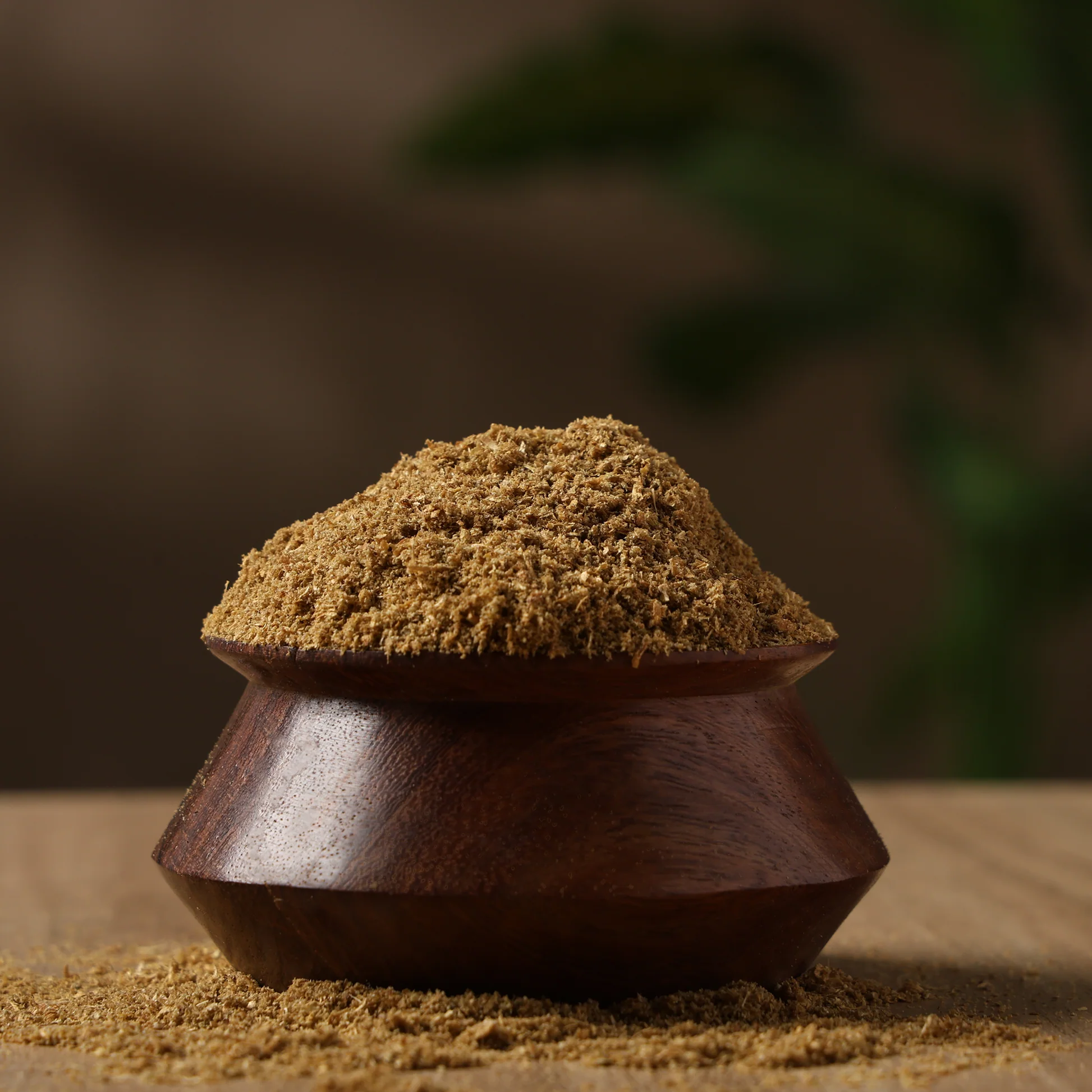
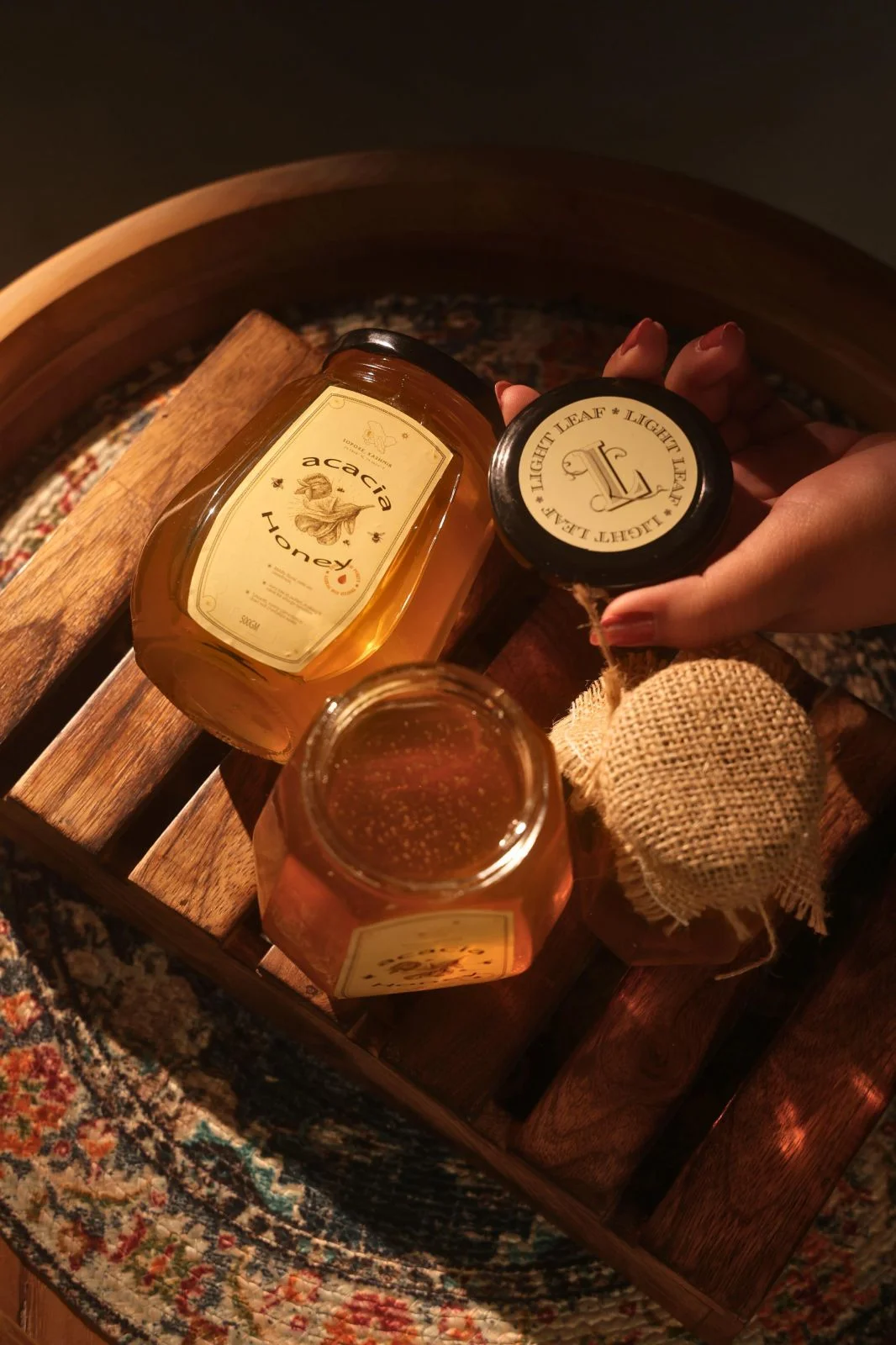
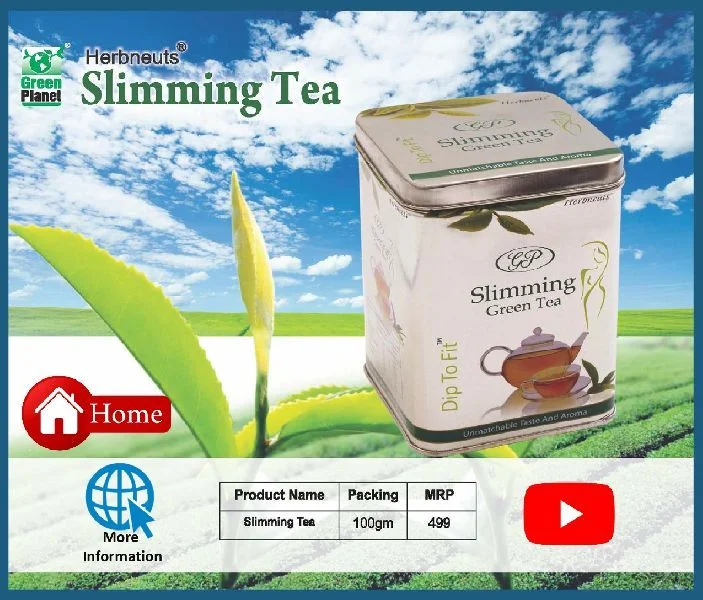
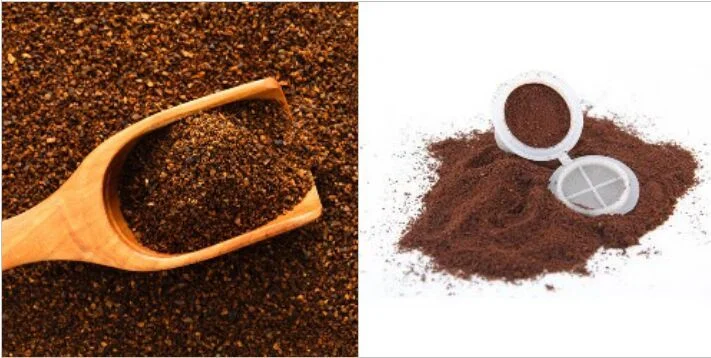
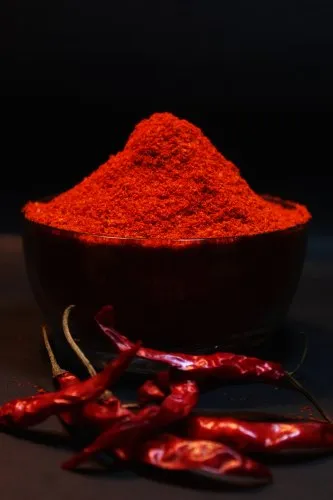
I2yard Exim’s catalogue covers a conventional Indian spice and fruit portfolio. Turmeric is usually sold as a fine powder with a curcumin content of 3‑5 % and moisture below 12 %; coriander powder typically meets a particle size of 200‑300 µm and volatile oil content above 0.5 %. Black Pepper is graded by size (e.g., 10 mm + ) and moisture under 10 %. Cinnamon bark is classified under the ISO‑9001‑compatible “Ceylon” or “Cassia” grades, with a moisture limit of 12 % and a coumarin content below 2 %. Fresh bananas are exported in refrigerated containers with a shelf life of 10‑14 days and a total soluble solids range of 12‑14 % Brix. Honey is typically tested for moisture ≤20 % and HMF ≤40 mg/kg. Tea is offered in bulk or bagged formats, with grades such as OP (Orange Pekoe) and BOP (Broken Orange Pekoe) and a moisture ceiling of 5 %. Coffee beans are sorted by size (screen 16‑18) and moisture ≤12 %.
Trade and Export Information - I2yard Exim Pvt Ltd
India is a global exporter of spices, tea, coffee and tropical fruits, supplying the EU, United States, Middle East and Southeast Asian markets. HS 0803.00 for fresh bananas falls under the “Edible fruit, fresh” chapter, which often requires a phytosanitary certificate and compliance with EU pesticide residue limits (EU‑Pesticides Regulation EU 1107/2009). HS 0906.11 for cinnamon is part of the “Spices” chapter; buyers typically request an analytical certificate for coumarin and a fumigation declaration. Tea (HS 0901) and coffee (HS 0901/0902) shipments are frequently subject to ISO 22000 or FSSC 22000 audits, and many importers ask for a Certificate of Origin and a compliance statement with the EU’s “Food Information to Consumers” regulation. Standard Incoterms used by Indian exporters include FOB Mumbai or CIF Dubai, with cargo packed in 20 ft or 40 ft containers for bulk spices, and insulated reefers for bananas. Export documentation usually includes a commercial invoice, packing list, bill of lading, phytosanitary certificate and, where required, a certificate of analysis for moisture, pesticide residues or microbial load.
Sourcing from I2yard Exim Pvt Ltd - Buyer Guidance
When sourcing from I2yard Exim, buyers should request a current Certificate of Analysis for each spice or beverage batch, confirming moisture, ash, volatile oil or caffeine content as applicable. For fresh banana shipments, a phytosanitary certificate, Brix reading and a temperature‑controlled container specification are essential. Honey purchases should be accompanied by a moisture test report and, if organic claims are made, an organic certification copy. Buyers are advised to verify that the supplier can provide ISO 22000 or HACCP audit reports, especially for tea and coffee destined for regulated markets. Clarify the packaging details - e.g., 25 kg polypropylene bags for spices, 1‑ton bulk bags for rice, or 20 ft refrigerated containers for bananas - and confirm lead times, which typically range from 30 days for spices to 45 days for fresh fruit.
Frequently Asked Questions About I2yard Exim Pvt Ltd
What HS codes does I2yard Exim list for its products?
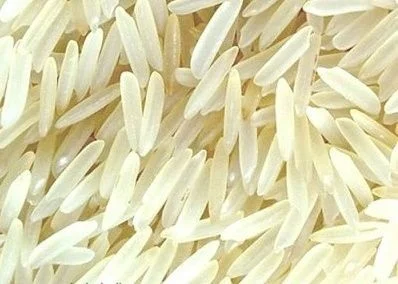
The catalogue specifies HS 0803.00 for fresh bananas and HS 0906.11 for natural cinnamon bark. Other items fall under the standard chapters for spices (0905), tea (0901), coffee (0901‑0902), rice (1006) and sugar (1701).
Does the supplier provide any food‑safety certifications?
No certifications are stated in the supplier’s facts. Buyers should request current ISO 22000, HACCP or FSSC 22000 audit reports before placing orders.
What quality parameters are typical for the turmeric listed?
Turmeric powder is generally required to have curcumin content of 3‑5 %, moisture ≤12 % and ash ≤7 % on a dry basis, with microbial limits of ≤10⁴ CFU/g for total plate count.
How is fresh banana exported from India?
Bananas are shipped in temperature‑controlled reefers at 13‑15 °C, packed in 20 ft or 40 ft containers with a total load of up to 25 tons. A phytosanitary certificate and Brix measurement are standard export documents.
What testing is expected for Indian honey?
Typical tests include moisture content (≤20 %), hydroxymethylfurfural (HMF ≤40 mg/kg), and a pollen analysis to confirm botanical origin.
Are there standard packaging sizes for the spices?
Spices such as black pepper, cinnamon and coriander are usually packed in 25 kg polypropylene jute bags, sealed with inner liners to protect against moisture.
What are common Incoterms used by this supplier?
Exporters from India commonly use FOB Mumbai or CIF Dubai for bulk spices, tea and coffee, while perishable fruit like bananas often follows FOB Chennai with a subsequent refrigerated freight arrangement.
What documentation is needed for coffee imports?
Importers typically require a commercial invoice, packing list, bill of lading, Certificate of Origin, and a Certificate of Analysis confirming bean size, moisture (≤12 %) and caffeine content.




 , India