Henan Tiga Engineering Co., Ltd. — Verified Supplier
About Henan Tiga Engineering Co., Ltd. - Steel Coils Supplier in China
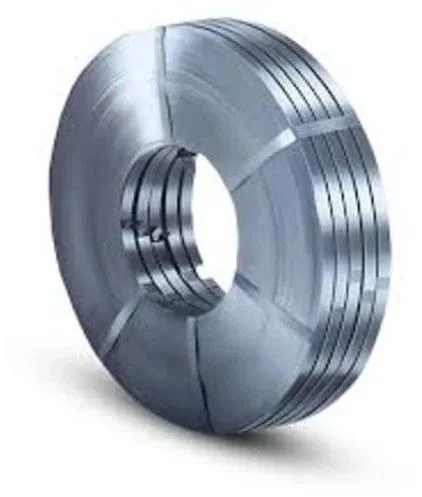
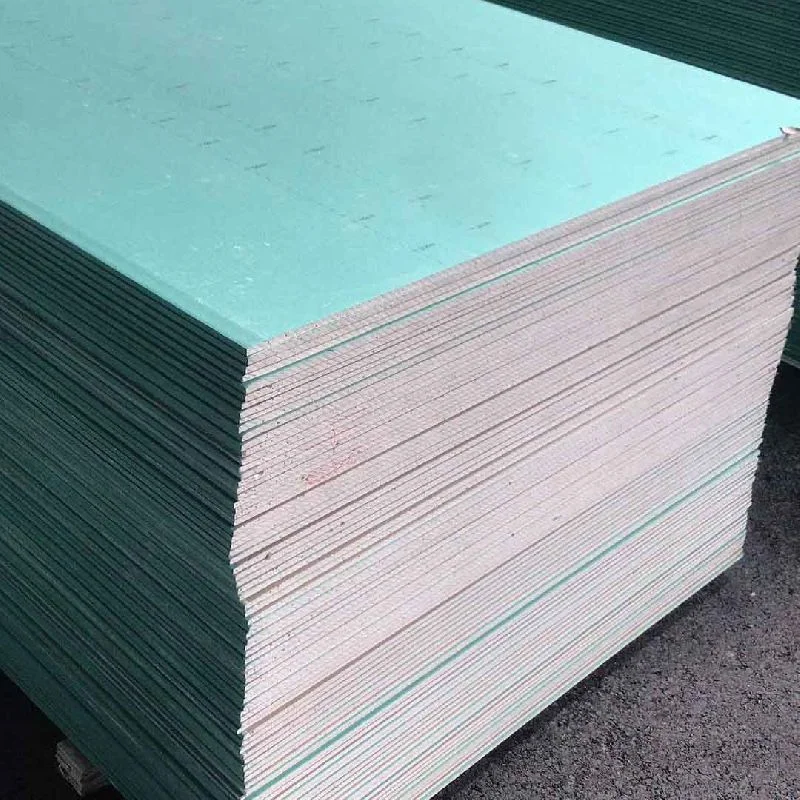
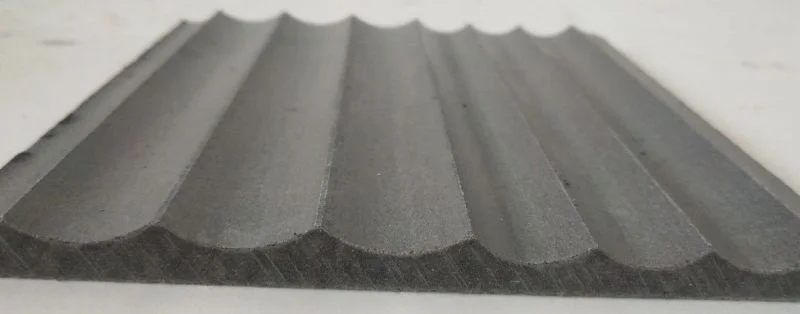
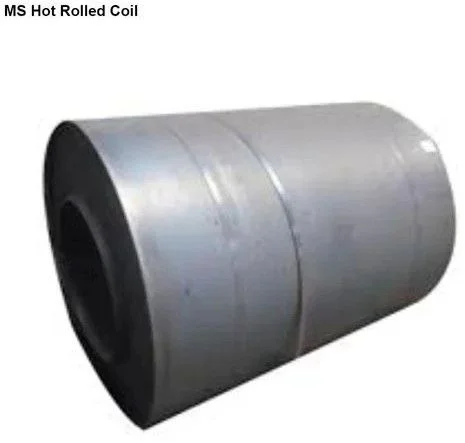
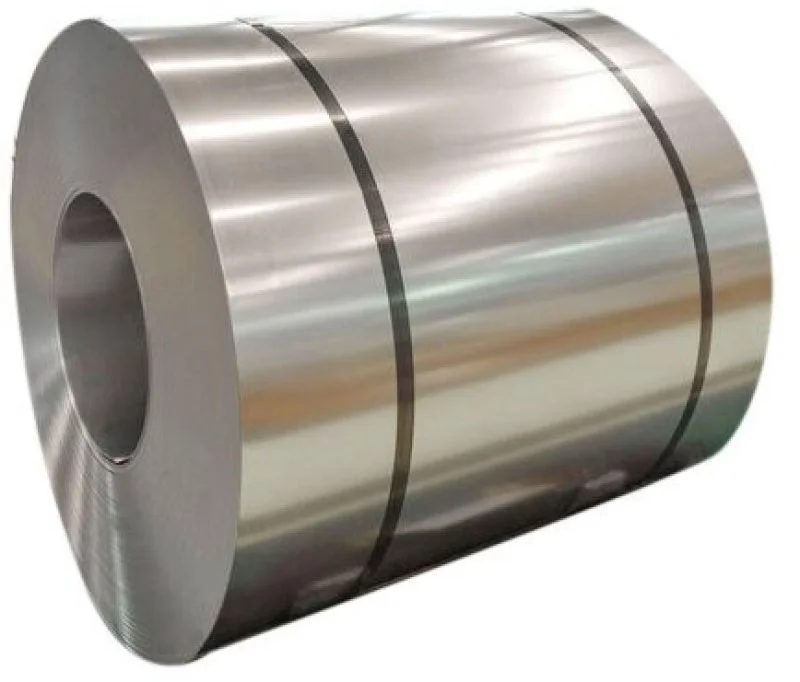
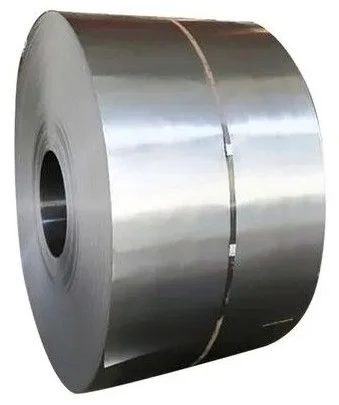
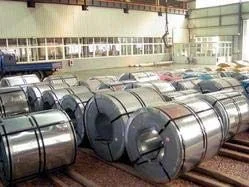
Henan Tiga Engineering Co., Ltd. is located in China and currently lists eight distinct products across its catalogue. The company’s top categories include Steel Coils, Roofing Sheets and Gypsum Board, Steel Structures, and Roofing & Ceiling solutions. Within the steel coil segment the catalogue references hot dip galvanized steel coil (HS code 7210.49) and hot dip zinc‑aluminum (Galvalume) steel coil (HS code 7210.61). Additional entries cover PPGL‑coated steel coil, several roof panel types, and prefabricated steel structures. The product list aligns with HS chapter 72 which covers iron and steel articles.
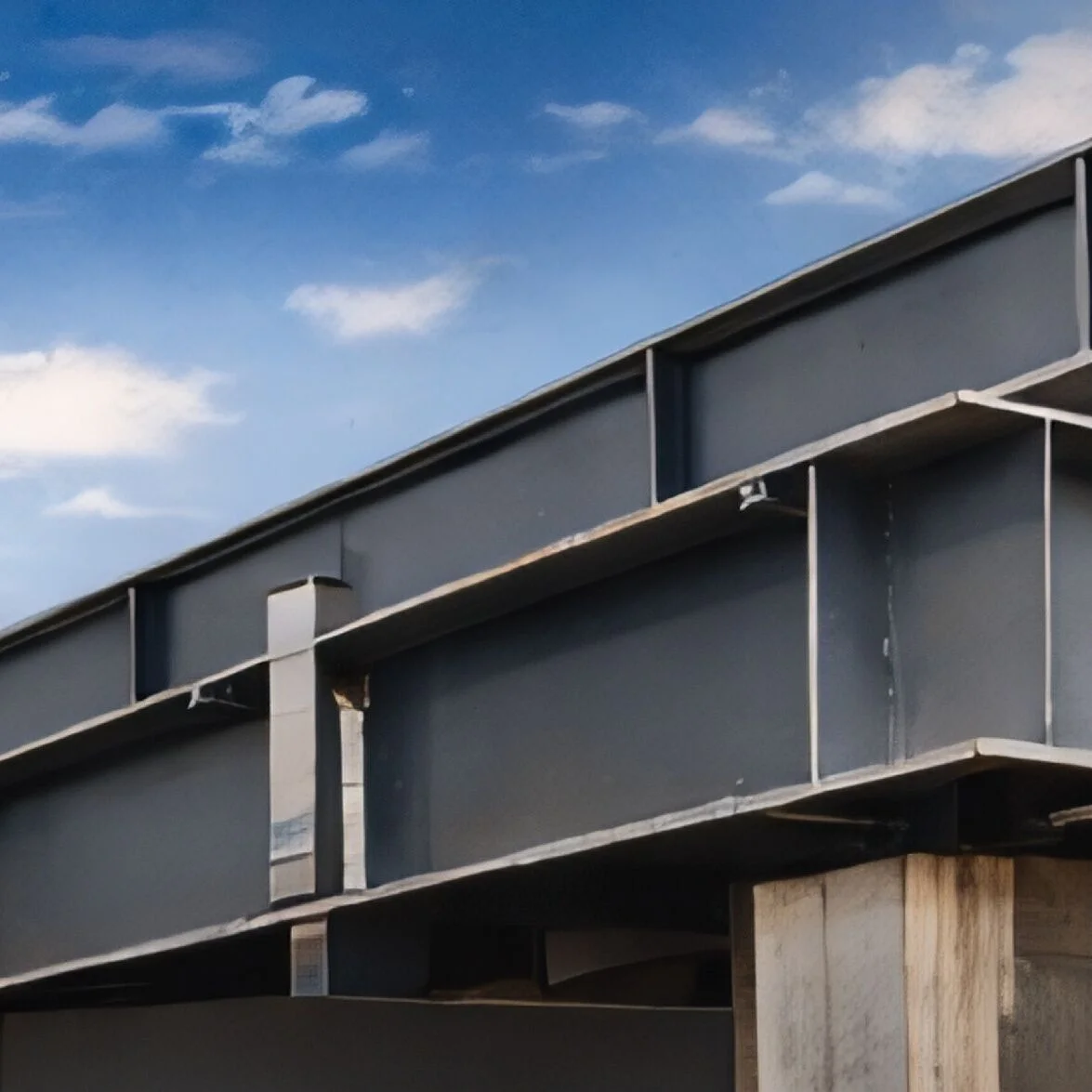
The hot dip galvanized coil is described as carbon steel base DX51D / SGCC, while the zinc‑aluminum coil contains 55 % aluminum, 43.5 % zinc and 1.5 % silicon, matching the typical Galvalume composition. The PPGL steel coil combines a Galvalume substrate with a colour coating, and the roofing items are specified as corrugated GL roof, corrugated PPGL roof, and trapezoidal PPGL roof. The steel structure entries include warehouse, workshop or building frames and a prefabricated steel structure. No additional HS codes are provided for the roofing and structural products.
Product Range and Specialties of Henan Tiga Engineering Co., Ltd.
The catalogue’s steel coil offerings correspond to widely used grades in construction and automotive sectors. Hot dip galvanized coils are typically produced to ASTM A653 or EN 10346 specifications, with zinc coating weights ranging from 85 g/m² (G90) to 120 g/m² (G115). The zinc‑aluminum (Galvalume) coils follow the composition of 55 % Al, 43.5 % Zn, 1.5 % Si and are usually supplied with a coating thickness of 80 - 120 µm, meeting standards such as ASTM A792. PPGL‑coated coils add a polymer‑based colour layer, often 20 - 40 µm thick, and are rated for weather resistance in accordance with ISO 12944. The roofing products - corrugated GL, corrugated PPGL and trapezoidal PPGL - are fabricated from these coils in gauges between 0.45 mm and 1.0 mm, with profile heights of 30 - 80 mm, a common range for industrial roofing. Prefabricated steel structures are generally designed to EN 1090‑1/2 structural steel requirements and are delivered as factory‑assembled frames ready for site erection.
Trade and Export Information - Henan Tiga Engineering Co., Ltd.
China ranks among the top global exporters of steel coils and building‑sheet products, with HS chapter 72 codes 7210.49 and 7210.61 regularly used for customs clearance. Buyers in the Middle East, South‑East Asia, East Africa and parts of Europe commonly import these coils for construction, automotive and appliance manufacturing. Export shipments are typically packed in 20‑ft or 40‑ft containers for coils, while roofing panels are loaded on pallets or in bulk containers to protect the coating.
Importers usually request ISO 9001 quality management certification, mill test reports confirming tensile strength (e.g., 350 - 460 MPa for DX51D) and coating weight verification. For Galvalume products, compliance with ASTM A792 and EN 10346 is often verified. Shipping terms frequently employ FOB or CIF, with standard inland transport by rail or truck to Chinese ports such as Shanghai or Tianjin before vessel loading.
Sourcing from Henan Tiga Engineering Co., Ltd. - Buyer Guidance
When sourcing the hot dip galvanized or Galvalume coils, buyers should obtain the mill test report (MTR) that lists chemical composition, tensile strength, elongation and zinc coating weight. A coating thickness measurement report according to ASTM A123 or ISO 14713 helps confirm compliance with G90/G115 grades.
For PPGL‑coated coils and roofing panels, request a colour‑fastness test report and a weather‑ingress test such as ISO 12944‑4. Verify that the supplier can provide ISO 9001 certification and, if the destination market requires CE marking, request a Declaration of Conformity. Clarify packaging details - coils on wooden pallets with shrink‑wrap, panels on stacked pallets - and confirm lead times, which for Chinese steel manufacturers typically range from 25 to 45 days after order confirmation.
Frequently Asked Questions About Henan Tiga Engineering Co., Ltd.
What HS codes are used for Henan Tiga Engineering’s steel coils?
The hot dip galvanized steel coil is listed under HS code 7210.49, and the hot dip zinc‑aluminum (Galvalume) coil uses HS code 7210.61. Both codes fall under chapter 72 for iron and steel products.
What are the typical zinc coating weights for the hot dip galvanized coil?
Buyers usually expect zinc coating weights of 85 g/m² for grade G90 and up to 120 g/m² for grade G115, as defined in ASTM A653. The specific weight is documented in the mill test report.
Which standards govern the zinc‑aluminum (Galvalume) coil?
Galvalume coils commonly comply with ASTM A792 and EN 10346, which specify the 55 % Al / 43.5 % Zn / 1.5 % Si alloy composition and minimum coating thickness of 80 µm.
How are the roofing panels packaged for export?
Roofing panels are typically stacked on wooden pallets, wrapped in stretch film, and loaded into 20‑ft or 40‑ft containers to prevent surface damage and preserve coating integrity during transit.
What documentation should a buyer request before purchasing?
Buyers should request a mill test report, coating thickness verification, ISO 9001 certificate, and any relevant CE or Declaration of Conformity if required by the destination market. For colour‑coated products, a colour‑fastness test report is also advisable.
What is the usual lead time for a coil order from China?
Lead times for standard coil orders from Chinese manufacturers generally range from 25 to 45 days after order confirmation, depending on order size and required documentation.
Can the supplier provide samples of the PPGL‑coated coil?
Henan Tiga Engineering can supply small‑size PPGL‑coated coil samples upon request, allowing buyers to assess colour consistency and surface durability before placing a larger order.
Which markets typically import these steel products?
Typical import markets include countries in the Middle East, Southeast Asia, East Africa and parts of Europe, where the coils are used for construction, automotive bodies and appliance manufacturing. Importers in these regions often require the same HS codes and standard certifications described above.




 , China