Agriculture›
 Apparel and fashion accessories›
 Construction & real estate›💡Electronic & Electrical›🍎Food & Beverages›🛋️Home furnishing & supplies›⚗️Industrial goods & chemical›🪨Minerals & metals›📦Miscellaneous›Agriculture›Apparel and fashion accessories›Construction & real estate›💡Electronic & Electrical›🍎Food & Beverages›🛋️Home furnishing & supplies›⚗️Industrial goods & chemical›🪨Minerals & metals›📦Miscellaneous›
Hang Xanh Export Co., Ltd.
⚓ Harbor , Viet NamNew supplier / no reviews yet
Hang Xanh Export Co., Ltd. Product Catalog

About Hang Xanh Export Co., Ltd. - Ceramic Products Supplier in Viet Nam
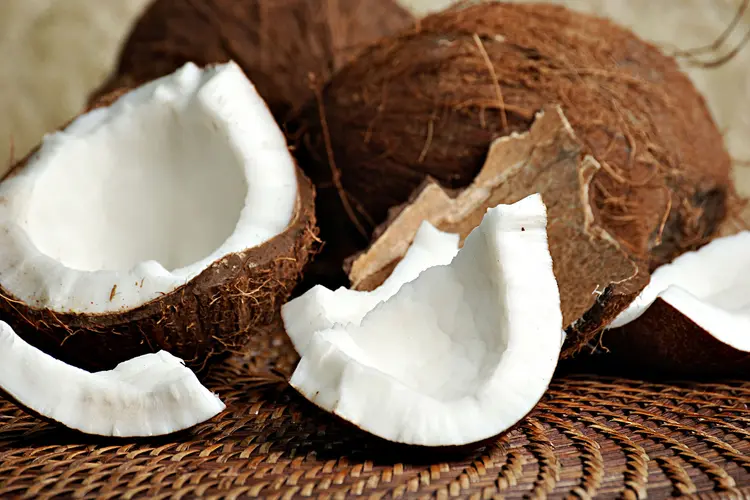
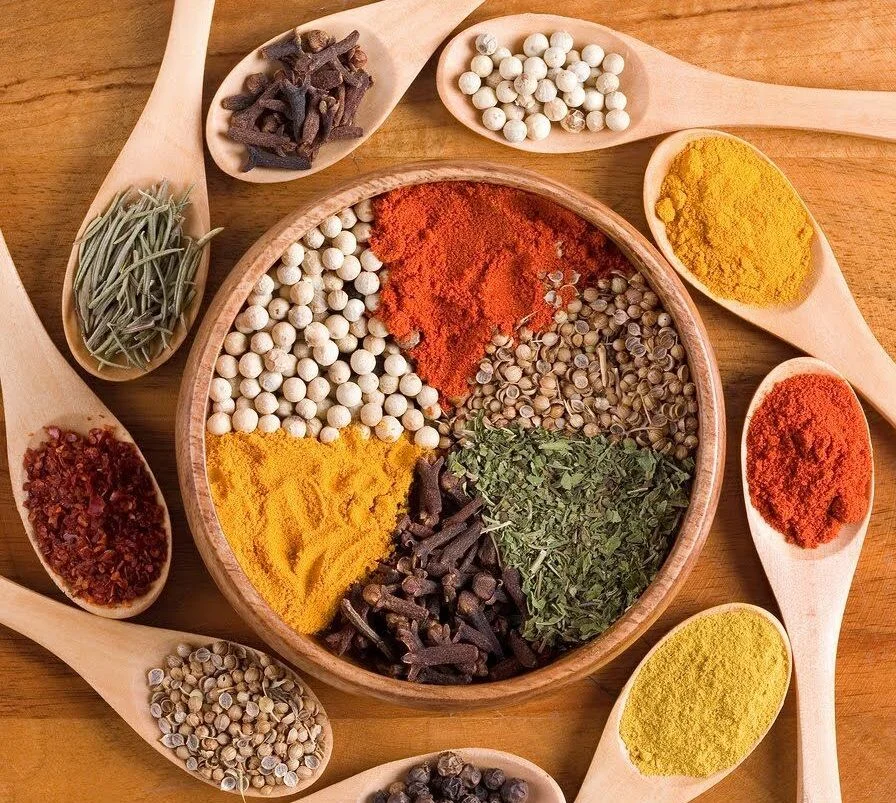
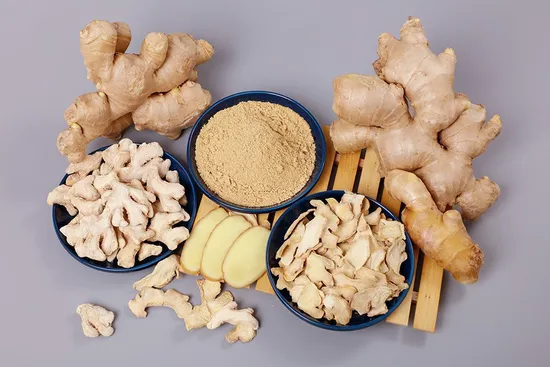
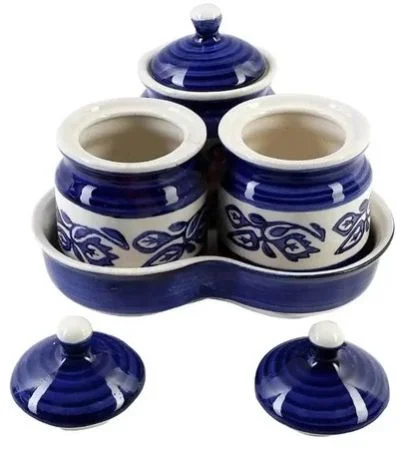
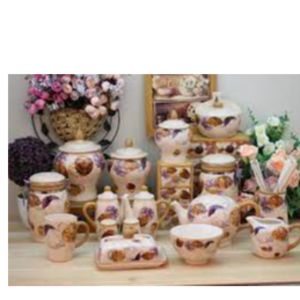
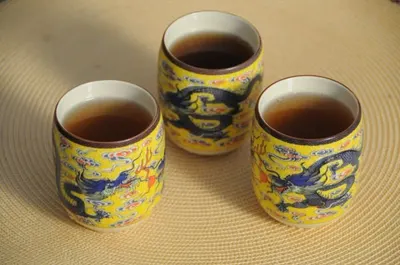
Based in Viet Nam, Hang Xanh Export Co., Ltd. currently lists six distinct products in its catalogue. The portfolio covers two ceramic lines - China Ceramic Cups and China Dinnerware Set - as well as four food items: Fresh Ginger, Fresh Noni Fruit, Black Sesame Powder and Fresh Coconut. The company classifies its offerings under the categories Other Ceramic Products, Dinner, Tea & Coffee Sets, Dehydrated Ginger, Fruits, Spices and Coconut. All six items are recorded under the supplier’s active product count of 6.
The ceramic items are described as China‑style cups and dinnerware, which typically fall under HS Chapter 69 for porcelain and stoneware. The food items include fresh agricultural produce (ginger, noni fruit, coconut) and a processed spice product (black sesame powder). The catalogue does not specify any certifications, so buyers should verify compliance with relevant food‑safety or ceramic‑safety standards before purchase.
Product Range and Specialties of Hang Xanh Export Co., Ltd.
The ceramic range consists of porcelain‑type cups and dinnerware sets that are commonly glazed with lead‑free finishes and tested to ISO 10545‑1 surface‑quality criteria. In the broader market, buyers look for a minimum thickness of 2 mm, a uniform white body, and a glaze hardness of at least 400 HV. The food portfolio includes fresh ginger that is usually graded by size (30‑50 mm rhizome length) and moisture content not exceeding 12 %, fresh noni fruit harvested at 150‑250 g weight with 80‑85 % moisture, black sesame powder with a fat content of 55‑60 % and purity ≥95 % (moisture ≤5 %), and mature fresh coconut weighing 1‑2 kg with husk removed. Typical specifications for these Vietnamese exports also reference CODEX limits for pesticide residues and microbial counts.
Frequently Asked Questions About Hang Xanh Export Co., Ltd.
What HS codes are used for the ceramic products listed by Hang Xanh Export?
Ceramic cups and dinnerware from Vietnam are generally classified under HS 6912 (ceramic tableware) or HS 6913 (ceramic kitchenware), depending on the product design.
Which quality standards should a buyer check for the China Ceramic Cups?
Buyers should look for compliance with ISO 10545‑1 surface quality, a lead‑free glaze, and a minimum body thickness of 2 mm. A test report confirming heavy‑metal limits (lead <0.1 mg/kg) is typical.
What specifications are common for fresh ginger exported from Vietnam?
Fresh ginger is usually graded by rhizome length of 30‑50 mm, moisture content ≤12 %, and must meet CODEX pesticide residue limits. A phytosanitary certificate and a laboratory analysis for microbial load are standard documents.
How is black sesame powder typically packaged for international shipment?
The powder is packed in food‑grade polyethylene bags inside sealed cartons, with moisture ≤5 % and fat content 55‑60 %. A Certificate of Analysis stating purity ≥95 % and heavy‑metal limits is normally required.
What are the typical incoterms used for fresh fruit shipments such as Noni from this supplier?
Exporters from Vietnam frequently use FOB Ho Chi Minh City or CIF to the destination port. The choice depends on the buyer’s preference for freight handling.
Viet NamRelated Suppliers & Products
Explore similar suppliers, related products and trending categories