Goldern River Trading & Projects — Verified Supplier

About Goldern River Trading & Projects - Apple Supplier in South Africa

South Africa lists five active products for Goldern River Trading & Projects, covering both fresh produce and a gemstone. The catalogue includes Cloves, Amethyst, Potatoes, Apples and Bananas, with Apples and Cloves identified as the top categories. Each product is presented under its generic HS chapter, for example Bananas are recorded with HS code 0803.90, which belongs to the fresh fruit chapter 08. The supplier’s portfolio therefore spans horticultural items (Apples, Bananas, Potatoes, Cloves) and a mineral product (Amethyst).

The Apple entry falls under the broader HS heading for fresh apples (typically 0808), while Cloves are classified in the spice chapter 0713. Potatoes would be recorded under HS 0701 for fresh tubers, and Amethyst is a gemstone usually coded under chapter 71. The five‑product count reflects a focused range rather than a broad commodity list, allowing buyers to assess each category against standard trade specifications. All items are sourced from South Africa, a recognized exporter of temperate fruits and spices.

Product Range and Specialties of Goldern River Trading & Projects

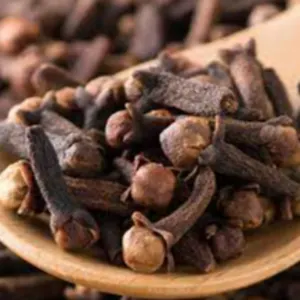
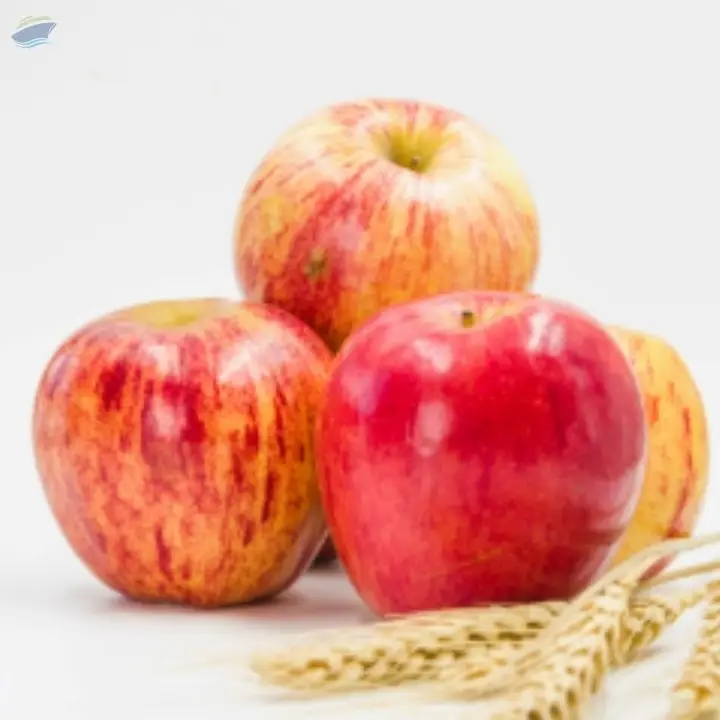
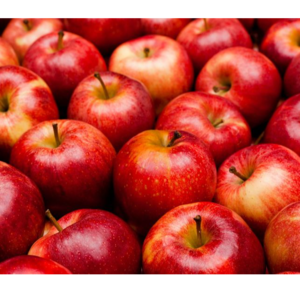
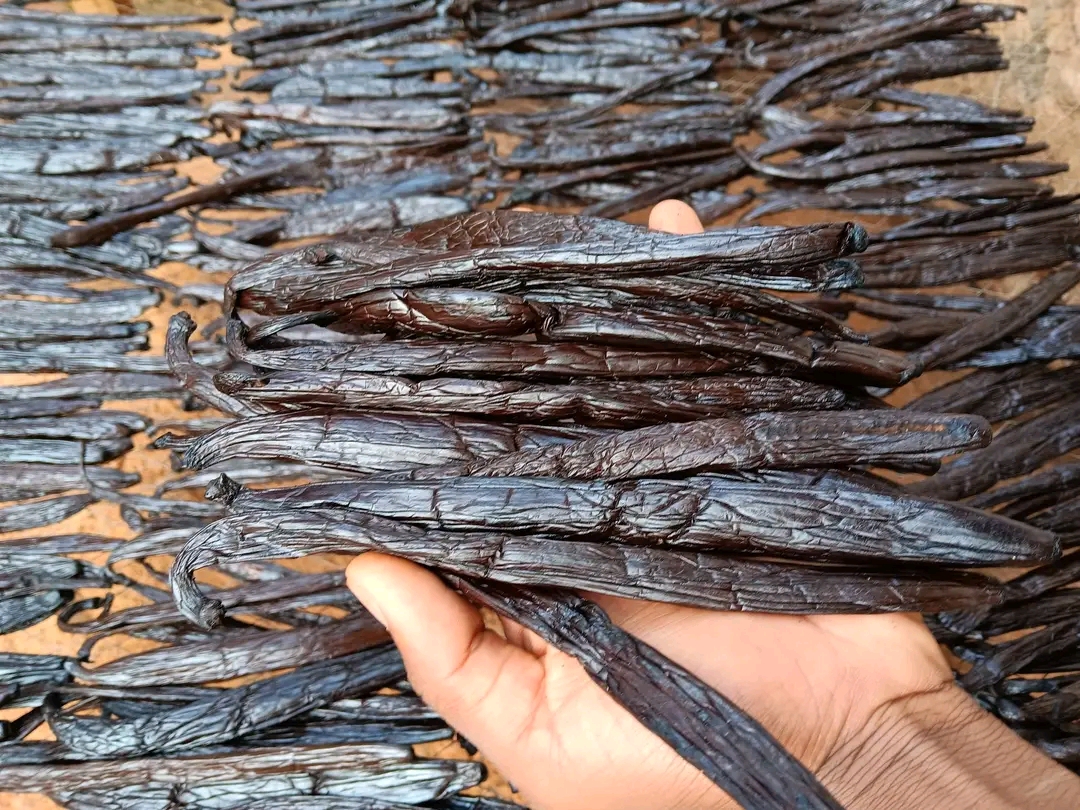
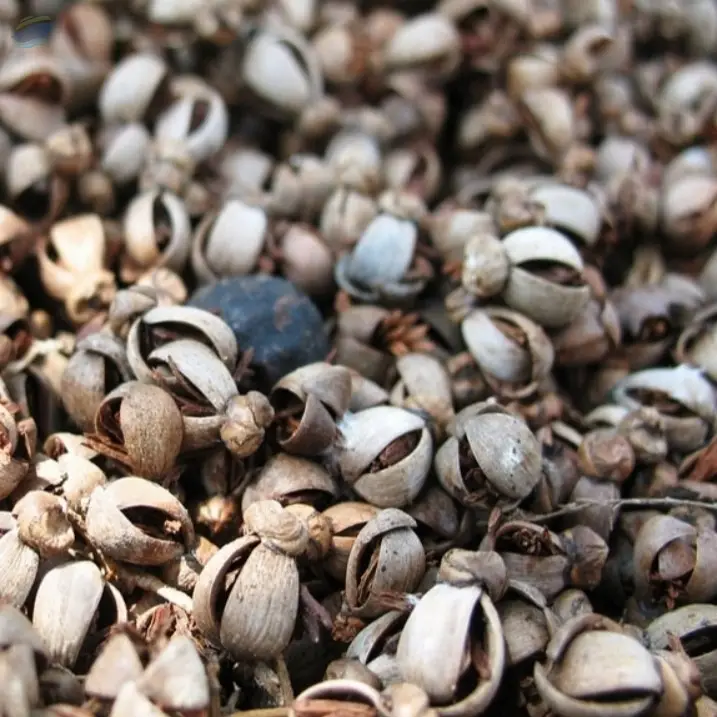
The catalogue offers fresh Apples, Cavendish Bananas (HS 0803.90), fresh Potatoes, whole Clove buds, and cut Amethyst gemstones. In the fruit sector, buyers typically encounter grades such as US No.1 or EU Class I for Apples, with size ranges measured in millimetres and sugar content (Brix) around 12‑14. Bananas are commonly shipped as Cavendish bunches weighing 12‑20 kg, with a moisture content above 75 % and a green‑yellow peel stage defined by a specific colour index. Potatoes are graded by size (A‑C) and moisture (18‑22 %). Cloves are evaluated on grade A‑C, moisture below 12 % and oil content above 70 %. Amethyst is sorted by colour saturation, clarity and carat weight, with typical market grades ranging from fine to top‑grade based on hue intensity.

Industry practice for these categories includes ISO 22000 or GlobalGAP for fresh produce, phytosanitary certificates for all horticultural items, and gem‑ological certificates (GIA or equivalent) for gemstones. Buyers often request specifications such as Brix for apples, pesticide residue limits compliant with EU maximum residue limits (MRLs), and gem clarity reports for Amethyst. Packaging standards differ: fruits are usually packed in 20‑ft containers on wooden pallets, potatoes in ventilated crates, and gemstones in sealed cardboard boxes with moisture‑absorbing inserts.

Trade and Export Information - Goldern River Trading & Projects

South Africa exports fresh apples, bananas and cloves primarily to the European Union, the Middle East and parts of Asia, where demand for temperate fruit and spice blends is strong. The relevant HS code families are chapter 08 for fresh fruit (0803 for bananas, 0808 for apples), chapter 07 for spices (0713 for cloves) and chapter 71 for gemstones. Importers typically require a phytosanitary certificate, a certificate of origin and, for food items, compliance with the EU’s food safety framework (e.g., EU Regulation 1169/2011). For gemstones, a gem‑ological report and customs valuation are standard. Logistics commonly use 20‑ft or 40‑ft containers with refrigerated or ventilated conditions for fruit, while Amethyst is shipped in smaller cartons within the same container load. Buyers from the EU often request compliance with the EU’s maximum pesticide residue limits (MRLs) and may ask for ISO 22000 or GlobalGAP audit reports. In the Middle East, Halal certification for food items can be a prerequisite, while Asian markets frequently require fumigation certificates and pre‑shipment inspection reports. South African exporters benefit from established port facilities in Durban and Cape Town, which handle bulk fruit shipments and provide cold‑chain capabilities.

Sourcing from Goldern River Trading & Projects - Buyer Guidance

When sourcing Apples or Bananas from Goldern River Trading & Projects, request the latest phytosanitary certificate, a lab analysis for pesticide residues and a Brix reading for sugar content. For Cloves, ask for a moisture analysis (target <12 %) and an essential‑oil content test to confirm the typical 70‑80 % eugenol level. Potatoes should be accompanied by a size‑grade certificate and a moisture‑content report, while Amethyst requires a gem‑ological grading report that specifies colour, clarity and carat weight. Buyers should verify the HS code used on the commercial invoice matches the product (e.g., 0803.90 for Bananas) and confirm that packaging meets the buyer’s market standards - ventilated wooden pallets for fruit, sealed moisture‑proof boxes for gemstones. Requesting a sample batch before placing a full order is standard practice to assess compliance with the above specifications and to validate the supplier’s ability to meet lead‑time expectations.

Frequently Asked Questions About Goldern River Trading & Projects

What fresh fruit products does Goldern River Trading & Projects list?

The supplier lists Apples and Cavendish Bananas, with the banana entry recorded under HS code 0803.90. Both products are sourced from South Africa and fall under the fresh‑fruit chapter 08.

Is Clove included in the catalogue and what HS code applies?

Yes, Clove is listed as a separate product. While the catalogue does not provide an HS code, cloves are commonly classified under HS 0713, the spice chapter.

What gemstone does the supplier offer and how is it typically graded?

The catalogue includes Amethyst, a purple quartz gemstone. Grading usually considers colour saturation, clarity and carat weight, with reports issued by gem‑ological laboratories.

Which certifications should a buyer request for the fruit items?

Buyers should request a phytosanitary certificate, a GlobalGAP or ISO 22000 audit report, and, where relevant, a pesticide‑residue analysis that meets EU or destination‑market limits.

What are typical packaging methods for the listed produce?

Fresh apples and bananas are normally packed in ventilated cartons on wooden pallets for 20‑ft containers; potatoes use ventilated crates; cloves are shipped in moisture‑controlled bags; Amethyst is packed in sealed cardboard boxes with protective padding.

What documentation is standard for exporting cloves from South Africa?

Standard documents include a phytosanitary certificate, a certificate of origin and, for many importers, a moisture‑content analysis confirming levels below 12 %.

What are common lead times for a full container load from this supplier?

Lead times for a 20‑ft container of fresh fruit from South Africa typically range from 30 to 45 days, depending on harvest season and required pre‑shipment inspections.

How can a buyer obtain a sample of Amethyst before a larger order?

Buyers can request a small sample batch, usually a few carats, accompanied by a gem‑ological grading report and a commercial invoice that references the correct HS code (chapter 71).

Other Suppliers in Apple

Top Trusted Suppliers

Related Products in Apple

Trending in Parent Category

More Suppliers in Parent Category

Related Products

Other Suppliers

EximNext
58.4K+ live requirements
Register Free🎁 5 free buy-lead credits
Post Requirement
🌍 Trusted by 224.4K+ businesses in 200+ countries|
58.4K+ active requirements right now
✉️ [email protected]
|
Sell on EximNextPost Requirement
EximNext
AgricultureApparelConstructionElectronicFoodHomeIndustrialMineralsMiscellaneous
🔥 Deals|✨ AI Match|🏭 Suppliers|📋 Buy Leads|💰 Trade Finance|⭐ Upgrade
58.4K+ live RFQs·194.4K+ suppliers
🎁 5 free credits →
EximNext
EximNext
Register Free
🎁 5 free buy-lead credits
Sign In
📋Post Requirement💬Get QuotesAI Match📋RFQ Marketplace
All Categories
Services & Tools
🏭Supplier Directory🔥Today's Deals💰Trade FinanceMembership
Sell on EximNext
AboutContactBlogHelp
🏭

Goldern River Trading & Projects

Harbor
Country flag , South Africa
🛡️
77/100
Trust Score

Goldern River Trading & Projects Product Catalog

Showing 5 of 5 products
View all products →
Bananas
Harbor
Bananas
Contact
MOQ: 1 Unit
Apples
Harbor
Apples
Contact
MOQ: 1 Unit
Potatoes
Harbor
Potatoes
Contact
MOQ: 1 Unit
Amethyst
Harbor
Amethyst
Contact
MOQ: 1 Unit
Cloves
Harbor
Cloves
Contact
MOQ: 1 Unit

About Goldern River Trading & Projects - Apple Supplier in South Africa

South Africa lists five active products for Goldern River Trading & Projects, covering both fresh produce and a gemstone. The catalogue includes Cloves, Amethyst, Potatoes, Apples and Bananas, with Apples and Cloves identified as the top categories. Each product is presented under its generic HS chapter, for example Bananas are recorded with HS code 0803.90, which belongs to the fresh fruit chapter 08. The supplier’s portfolio therefore spans horticultural items (Apples, Bananas, Potatoes, Cloves) and a mineral product (Amethyst).

The Apple entry falls under the broader HS heading for fresh apples (typically 0808), while Cloves are classified in the spice chapter 0713. Potatoes would be recorded under HS 0701 for fresh tubers, and Amethyst is a gemstone usually coded under chapter 71. The five‑product count reflects a focused range rather than a broad commodity list, allowing buyers to assess each category against standard trade specifications. All items are sourced from South Africa, a recognized exporter of temperate fruits and spices.

Product Range and Specialties of Goldern River Trading & Projects

The catalogue offers fresh Apples, Cavendish Bananas (HS 0803.90), fresh Potatoes, whole Clove buds, and cut Amethyst gemstones. In the fruit sector, buyers typically encounter grades such as US No.1 or EU Class I for Apples, with size ranges measured in millimetres and sugar content (Brix) around 12‑14. Bananas are commonly shipped as Cavendish bunches weighing 12‑20 kg, with a moisture content above 75 % and a green‑yellow peel stage defined by a specific colour index. Potatoes are graded by size (A‑C) and moisture (18‑22 %). Cloves are evaluated on grade A‑C, moisture below 12 % and oil content above 70 %. Amethyst is sorted by colour saturation, clarity and carat weight, with typical market grades ranging from fine to top‑grade based on hue intensity.

Industry practice for these categories includes ISO 22000 or GlobalGAP for fresh produce, phytosanitary certificates for all horticultural items, and gem‑ological certificates (GIA or equivalent) for gemstones. Buyers often request specifications such as Brix for apples, pesticide residue limits compliant with EU maximum residue limits (MRLs), and gem clarity reports for Amethyst. Packaging standards differ: fruits are usually packed in 20‑ft containers on wooden pallets, potatoes in ventilated crates, and gemstones in sealed cardboard boxes with moisture‑absorbing inserts.

Trade and Export Information - Goldern River Trading & Projects

South Africa exports fresh apples, bananas and cloves primarily to the European Union, the Middle East and parts of Asia, where demand for temperate fruit and spice blends is strong. The relevant HS code families are chapter 08 for fresh fruit (0803 for bananas, 0808 for apples), chapter 07 for spices (0713 for cloves) and chapter 71 for gemstones. Importers typically require a phytosanitary certificate, a certificate of origin and, for food items, compliance with the EU’s food safety framework (e.g., EU Regulation 1169/2011). For gemstones, a gem‑ological report and customs valuation are standard. Logistics commonly use 20‑ft or 40‑ft containers with refrigerated or ventilated conditions for fruit, while Amethyst is shipped in smaller cartons within the same container load. Buyers from the EU often request compliance with the EU’s maximum pesticide residue limits (MRLs) and may ask for ISO 22000 or GlobalGAP audit reports. In the Middle East, Halal certification for food items can be a prerequisite, while Asian markets frequently require fumigation certificates and pre‑shipment inspection reports. South African exporters benefit from established port facilities in Durban and Cape Town, which handle bulk fruit shipments and provide cold‑chain capabilities.

Sourcing from Goldern River Trading & Projects - Buyer Guidance

When sourcing Apples or Bananas from Goldern River Trading & Projects, request the latest phytosanitary certificate, a lab analysis for pesticide residues and a Brix reading for sugar content. For Cloves, ask for a moisture analysis (target <12 %) and an essential‑oil content test to confirm the typical 70‑80 % eugenol level. Potatoes should be accompanied by a size‑grade certificate and a moisture‑content report, while Amethyst requires a gem‑ological grading report that specifies colour, clarity and carat weight. Buyers should verify the HS code used on the commercial invoice matches the product (e.g., 0803.90 for Bananas) and confirm that packaging meets the buyer’s market standards - ventilated wooden pallets for fruit, sealed moisture‑proof boxes for gemstones. Requesting a sample batch before placing a full order is standard practice to assess compliance with the above specifications and to validate the supplier’s ability to meet lead‑time expectations.

Frequently Asked Questions About Goldern River Trading & Projects

What fresh fruit products does Goldern River Trading & Projects list?

The supplier lists Apples and Cavendish Bananas, with the banana entry recorded under HS code 0803.90. Both products are sourced from South Africa and fall under the fresh‑fruit chapter 08.

Is Clove included in the catalogue and what HS code applies?

Yes, Clove is listed as a separate product. While the catalogue does not provide an HS code, cloves are commonly classified under HS 0713, the spice chapter.

What gemstone does the supplier offer and how is it typically graded?

The catalogue includes Amethyst, a purple quartz gemstone. Grading usually considers colour saturation, clarity and carat weight, with reports issued by gem‑ological laboratories.

Which certifications should a buyer request for the fruit items?

Buyers should request a phytosanitary certificate, a GlobalGAP or ISO 22000 audit report, and, where relevant, a pesticide‑residue analysis that meets EU or destination‑market limits.

What are typical packaging methods for the listed produce?

Fresh apples and bananas are normally packed in ventilated cartons on wooden pallets for 20‑ft containers; potatoes use ventilated crates; cloves are shipped in moisture‑controlled bags; Amethyst is packed in sealed cardboard boxes with protective padding.

What documentation is standard for exporting cloves from South Africa?

Standard documents include a phytosanitary certificate, a certificate of origin and, for many importers, a moisture‑content analysis confirming levels below 12 %.

What are common lead times for a full container load from this supplier?

Lead times for a 20‑ft container of fresh fruit from South Africa typically range from 30 to 45 days, depending on harvest season and required pre‑shipment inspections.

How can a buyer obtain a sample of Amethyst before a larger order?

Buyers can request a small sample batch, usually a few carats, accompanied by a gem‑ological grading report and a commercial invoice that references the correct HS code (chapter 71).

About Goldern River Trading & Projects - Apple Supplier in South Africa

South Africa lists five active products for Goldern River Trading & Projects, covering both fresh produce and a gemstone. The catalogue includes Cloves, Amethyst, Potatoes, Apples and Bananas, with Apples and Cloves identified as the top categories. Each product is presented under its generic HS chapter, for example Bananas are recorded with HS code 0803.90, which belongs to the fresh fruit chapter 08. The supplier’s portfolio therefore spans horticultural items (Apples, Bananas, Potatoes, Cloves) and a mineral product (Amethyst).

The Apple entry falls under the broader HS heading for fresh apples (typically 0808), while Cloves are classified in the spice chapter 0713. Potatoes would be recorded under HS 0701 for fresh tubers, and Amethyst is a gemstone usually coded under chapter 71. The five‑product count reflects a focused range rather than a broad commodity list, allowing buyers to assess each category against standard trade specifications. All items are sourced from South Africa, a recognized exporter of temperate fruits and spices.

Product Range and Specialties of Goldern River Trading & Projects

The catalogue offers fresh Apples, Cavendish Bananas (HS 0803.90), fresh Potatoes, whole Clove buds, and cut Amethyst gemstones. In the fruit sector, buyers typically encounter grades such as US No.1 or EU Class I for Apples, with size ranges measured in millimetres and sugar content (Brix) around 12‑14. Bananas are commonly shipped as Cavendish bunches weighing 12‑20 kg, with a moisture content above 75 % and a green‑yellow peel stage defined by a specific colour index. Potatoes are graded by size (A‑C) and moisture (18‑22 %). Cloves are evaluated on grade A‑C, moisture below 12 % and oil content above 70 %. Amethyst is sorted by colour saturation, clarity and carat weight, with typical market grades ranging from fine to top‑grade based on hue intensity.

Industry practice for these categories includes ISO 22000 or GlobalGAP for fresh produce, phytosanitary certificates for all horticultural items, and gem‑ological certificates (GIA or equivalent) for gemstones. Buyers often request specifications such as Brix for apples, pesticide residue limits compliant with EU maximum residue limits (MRLs), and gem clarity reports for Amethyst. Packaging standards differ: fruits are usually packed in 20‑ft containers on wooden pallets, potatoes in ventilated crates, and gemstones in sealed cardboard boxes with moisture‑absorbing inserts.

Trade and Export Information - Goldern River Trading & Projects

South Africa exports fresh apples, bananas and cloves primarily to the European Union, the Middle East and parts of Asia, where demand for temperate fruit and spice blends is strong. The relevant HS code families are chapter 08 for fresh fruit (0803 for bananas, 0808 for apples), chapter 07 for spices (0713 for cloves) and chapter 71 for gemstones. Importers typically require a phytosanitary certificate, a certificate of origin and, for food items, compliance with the EU’s food safety framework (e.g., EU Regulation 1169/2011). For gemstones, a gem‑ological report and customs valuation are standard. Logistics commonly use 20‑ft or 40‑ft containers with refrigerated or ventilated conditions for fruit, while Amethyst is shipped in smaller cartons within the same container load. Buyers from the EU often request compliance with the EU’s maximum pesticide residue limits (MRLs) and may ask for ISO 22000 or GlobalGAP audit reports. In the Middle East, Halal certification for food items can be a prerequisite, while Asian markets frequently require fumigation certificates and pre‑shipment inspection reports. South African exporters benefit from established port facilities in Durban and Cape Town, which handle bulk fruit shipments and provide cold‑chain capabilities.

Sourcing from Goldern River Trading & Projects - Buyer Guidance

When sourcing Apples or Bananas from Goldern River Trading & Projects, request the latest phytosanitary certificate, a lab analysis for pesticide residues and a Brix reading for sugar content. For Cloves, ask for a moisture analysis (target <12 %) and an essential‑oil content test to confirm the typical 70‑80 % eugenol level. Potatoes should be accompanied by a size‑grade certificate and a moisture‑content report, while Amethyst requires a gem‑ological grading report that specifies colour, clarity and carat weight. Buyers should verify the HS code used on the commercial invoice matches the product (e.g., 0803.90 for Bananas) and confirm that packaging meets the buyer’s market standards - ventilated wooden pallets for fruit, sealed moisture‑proof boxes for gemstones. Requesting a sample batch before placing a full order is standard practice to assess compliance with the above specifications and to validate the supplier’s ability to meet lead‑time expectations.

Frequently Asked Questions About Goldern River Trading & Projects
What fresh fruit products does Goldern River Trading & Projects list?
The supplier lists Apples and Cavendish Bananas, with the banana entry recorded under HS code 0803.90. Both products are sourced from South Africa and fall under the fresh‑fruit chapter 08.
Is Clove included in the catalogue and what HS code applies?
Yes, Clove is listed as a separate product. While the catalogue does not provide an HS code, cloves are commonly classified under HS 0713, the spice chapter.
What gemstone does the supplier offer and how is it typically graded?
The catalogue includes Amethyst, a purple quartz gemstone. Grading usually considers colour saturation, clarity and carat weight, with reports issued by gem‑ological laboratories.
Which certifications should a buyer request for the fruit items?
Buyers should request a phytosanitary certificate, a GlobalGAP or ISO 22000 audit report, and, where relevant, a pesticide‑residue analysis that meets EU or destination‑market limits.
What are typical packaging methods for the listed produce?
Fresh apples and bananas are normally packed in ventilated cartons on wooden pallets for 20‑ft containers; potatoes use ventilated crates; cloves are shipped in moisture‑controlled bags; Amethyst is packed in sealed cardboard boxes with protective padding.
What documentation is standard for exporting cloves from South Africa?
Standard documents include a phytosanitary certificate, a certificate of origin and, for many importers, a moisture‑content analysis confirming levels below 12 %.
What are common lead times for a full container load from this supplier?
Lead times for a 20‑ft container of fresh fruit from South Africa typically range from 30 to 45 days, depending on harvest season and required pre‑shipment inspections.
How can a buyer obtain a sample of Amethyst before a larger order?
Buyers can request a small sample batch, usually a few carats, accompanied by a gem‑ological grading report and a commercial invoice that references the correct HS code (chapter 71).

🏭
Goldern River Trading & Projects
Country flag , South Africa
Harbor
77/100
Trust Score
📦
5
Products
Free to contact — no commission
Escrow payment available
Verified business identity
Compare more suppliers
Post a requirement — get 10 quotes free
Let verified suppliers compete for your business. Free, fast, no commitment.
EximNext Verified Supplier
Business identity verified
Physical address confirmed
Financial history checked
Certifications authenticated
Trade references validated
Due Diligence
Verify this supplier's real shipping history.
Every shipment, every buyer, every port. Trade data that can't be faked.
Run due diligence →
Discover More

Related Suppliers & Products

Explore similar suppliers, related products and trending categories

Other Suppliers in Apple

Top Trusted Suppliers

Related Products in Apple

Trending in Parent Category

More Suppliers in Parent Category

Stay ahead in global trade
Weekly market insights & new supplier alerts.
EximNext
Exim Next is a leading global B2B marketplace, connecting over 205,000 verified suppliers and buyers across 200+ countries. As a trusted import export marketplace, it serves as the essential B2B portal for businesses worldwide, empowering them to expand their international reach. With Exim Next, businesses can trade smarter and grow faster.
SECURE PAYMENTS
VISAMastercardPayPalSWIFTL/CEscrow
Follow us
© 2026 EximNext