Agriculture›
 Apparel and fashion accessories›
 Construction & real estate›💡Electronic & Electrical›🍎Food & Beverages›🛋️Home furnishing & supplies›⚗️Industrial goods & chemical›🪨Minerals & metals›📦Miscellaneous›Agriculture›Apparel and fashion accessories›Construction & real estate›💡Electronic & Electrical›🍎Food & Beverages›🛋️Home furnishing & supplies›⚗️Industrial goods & chemical›🪨Minerals & metals›📦Miscellaneous›
Goldenwestopals
⚓ Harbor Kalgoorlie / Coober Pedy, AustraliaEst. 2026-01-01New supplier / no reviews yet
Goldenwestopals Product Catalog


About Goldenwestopals - Opal Gemstones Supplier in Australia
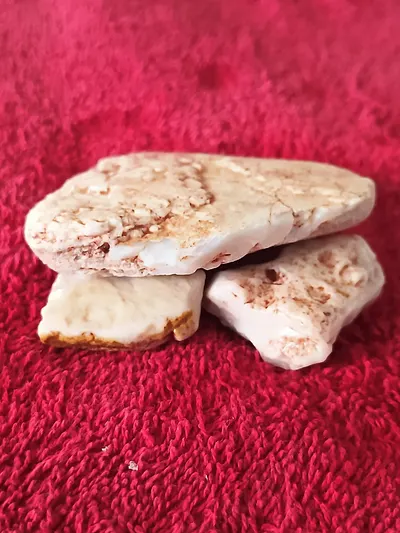
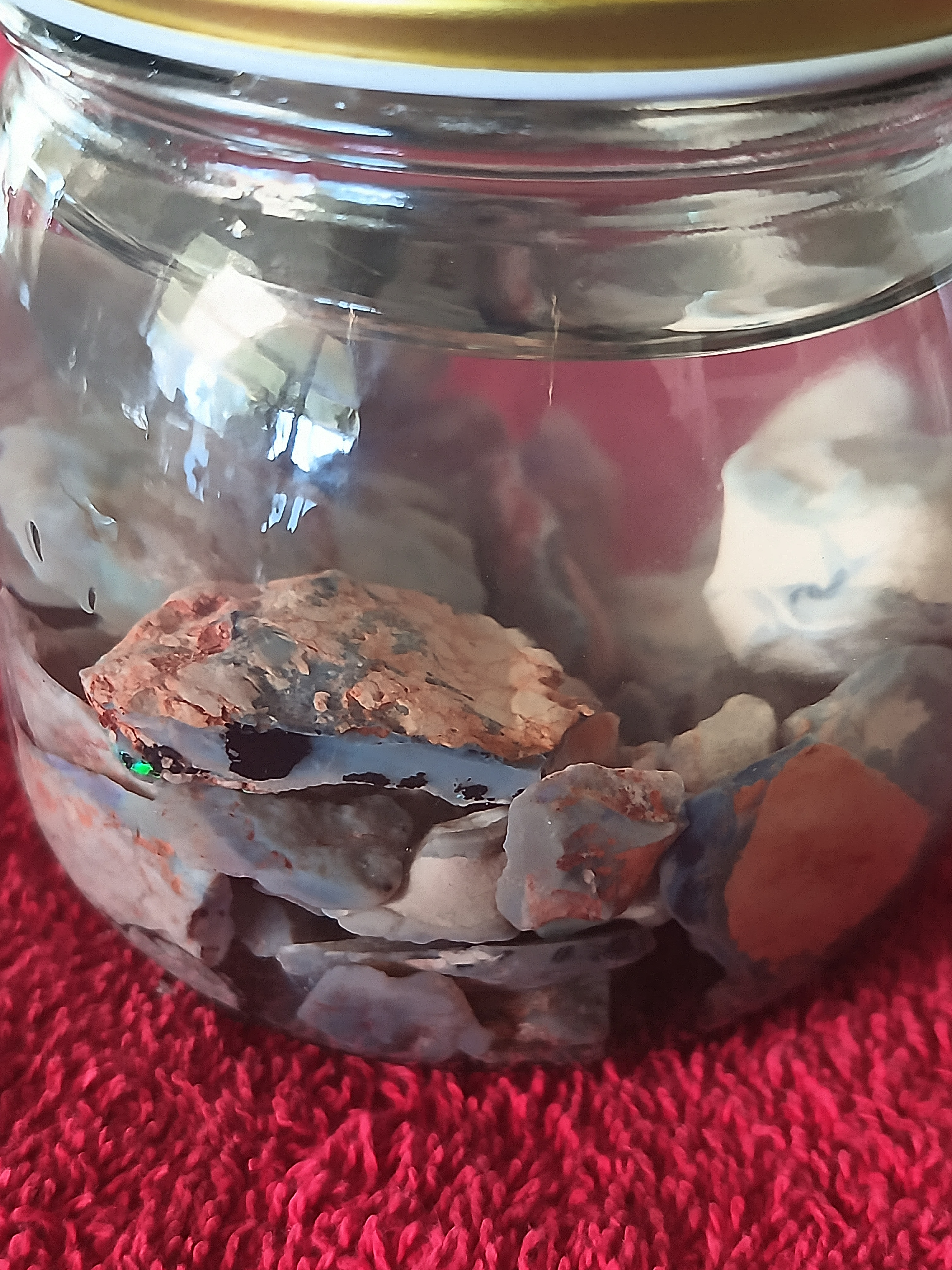
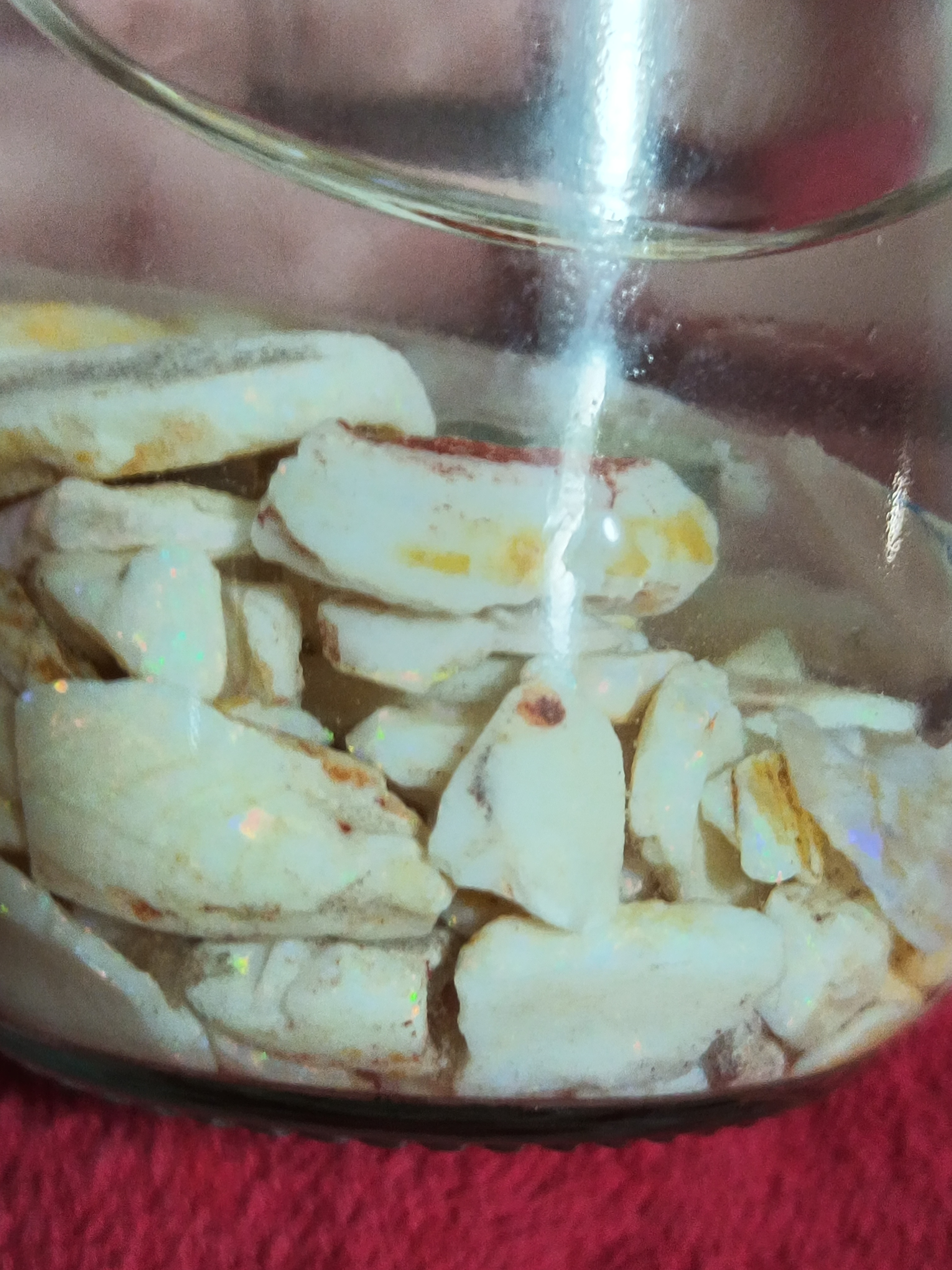
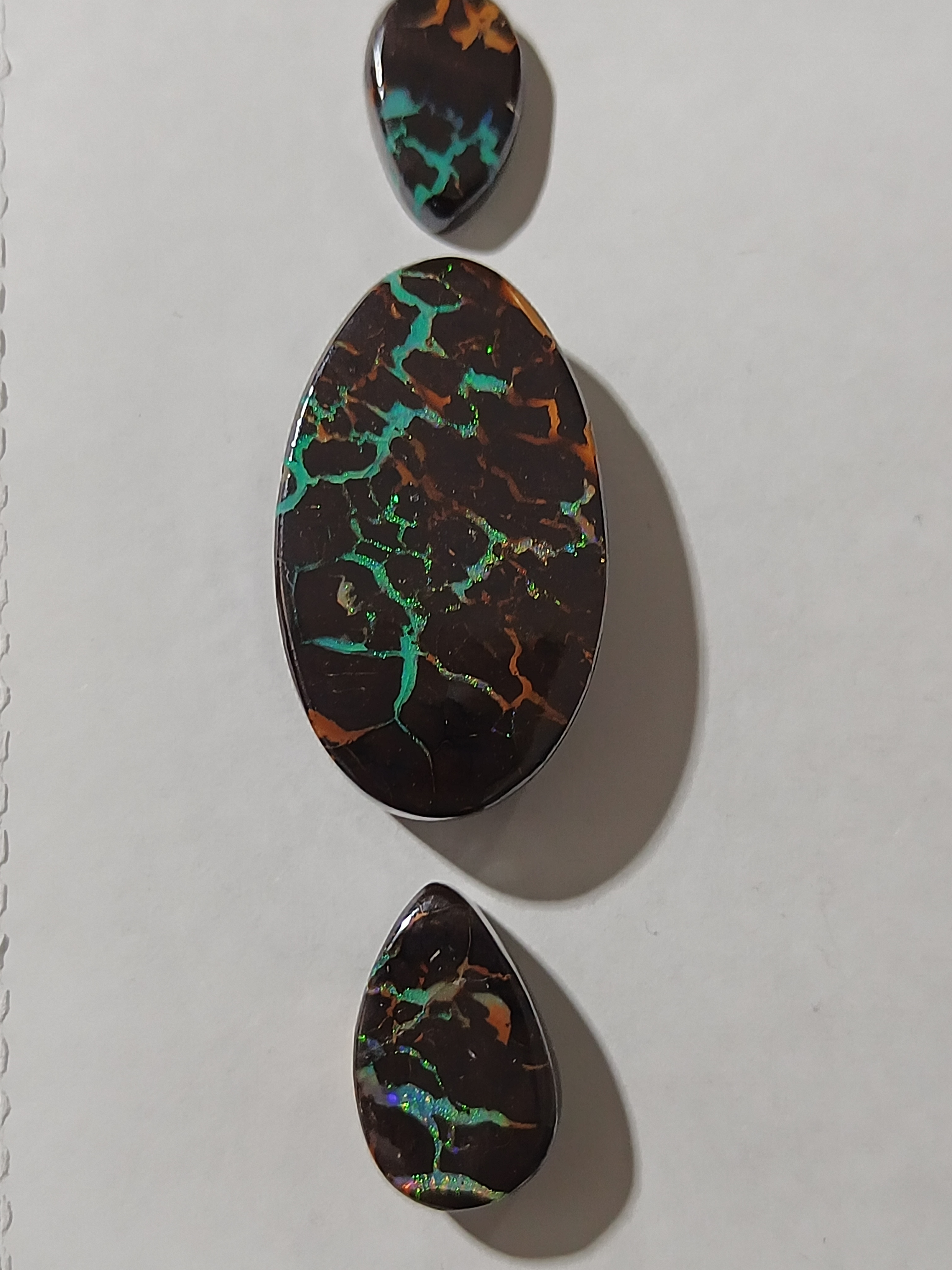
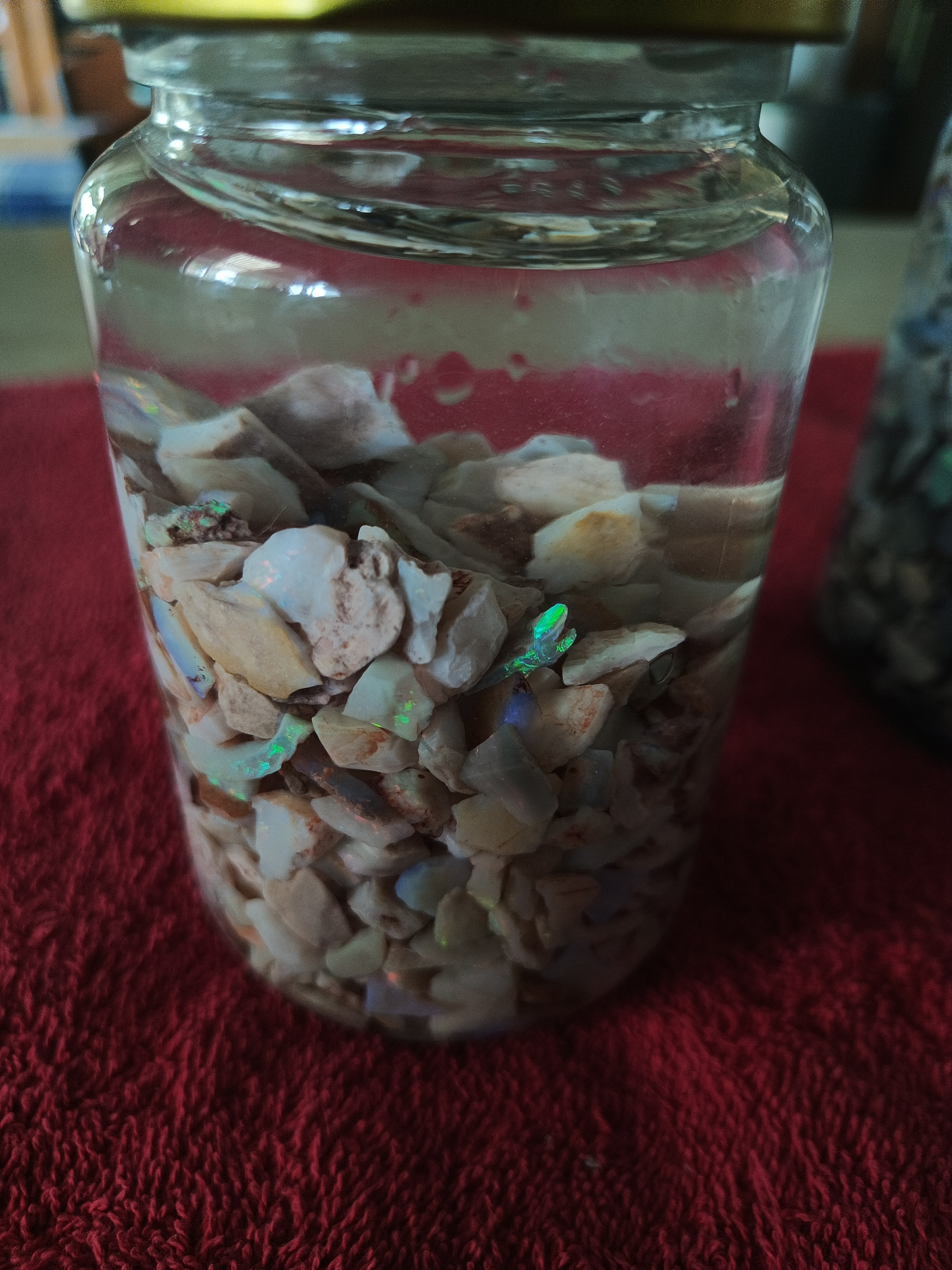
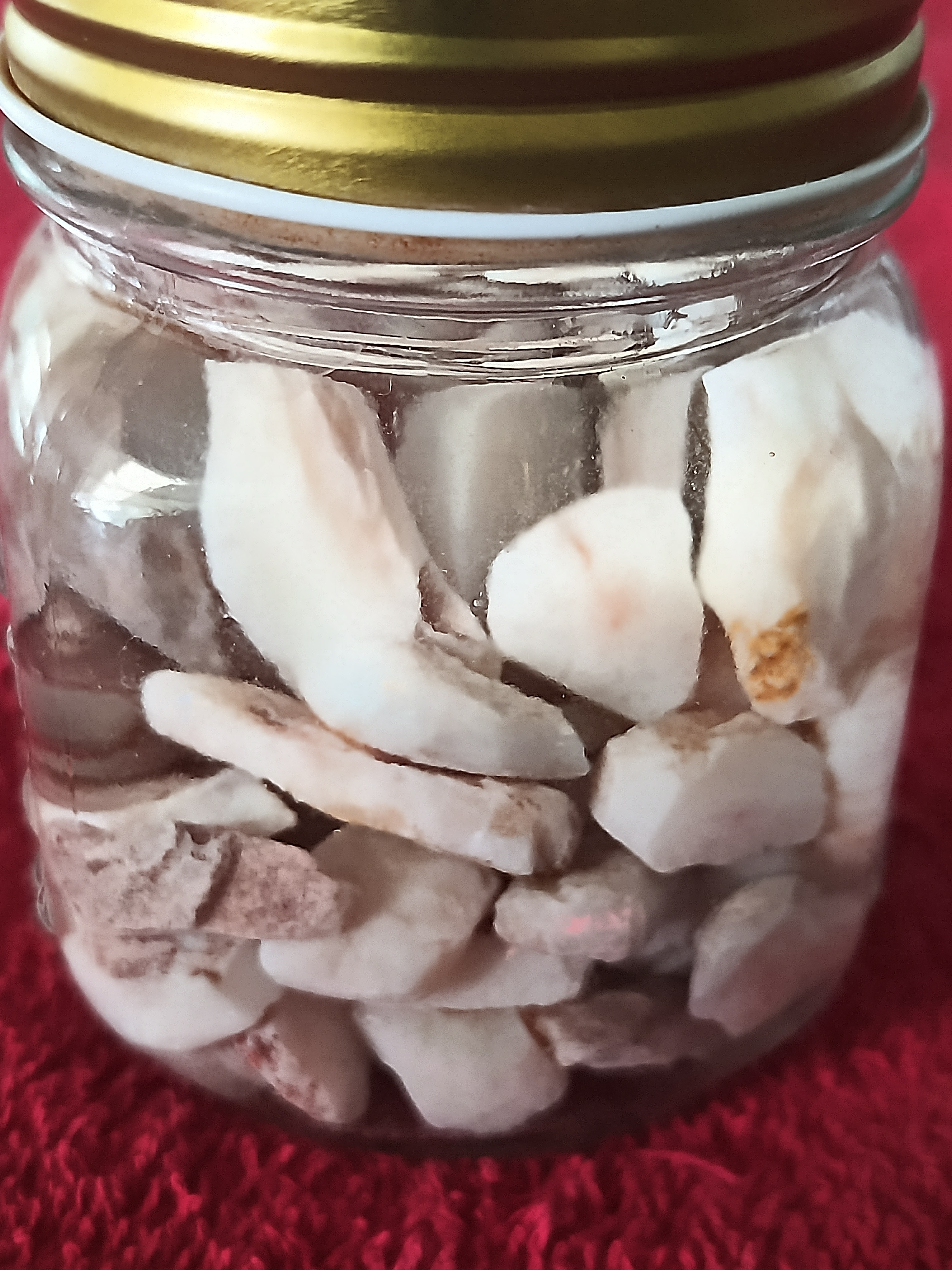
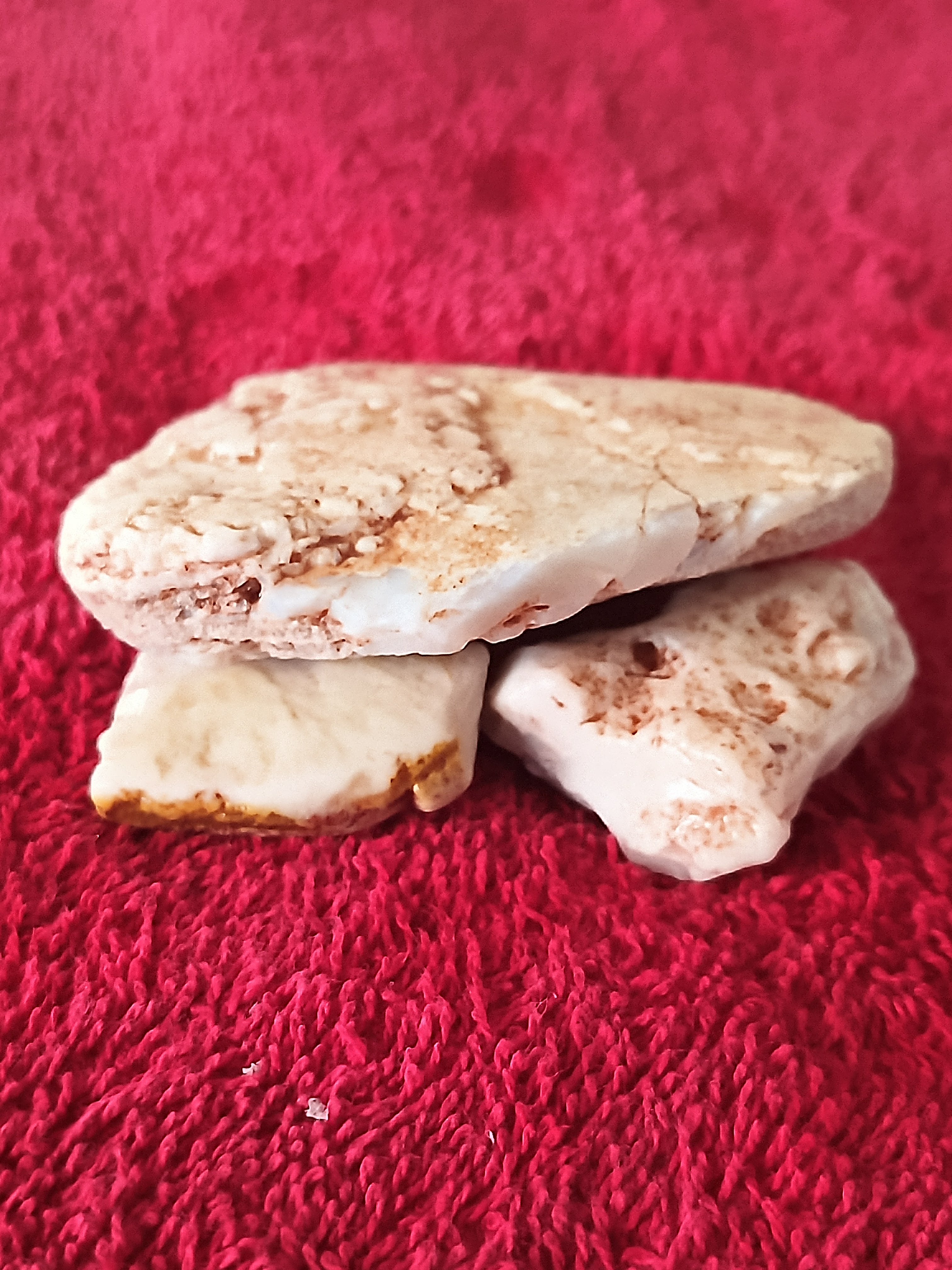
Australia, specifically the mining districts of Kalgoorlie and Coober Pedy, hosts six active opal products listed by Goldenwestopals. The supplier’s catalogue focuses on untreated Australian opal gemstones, covering black opal, white‑base opal, boulder opal, opal chips for inlay, and a non‑colored potch material. These items fall under the HS chapter 71, sub‑heading 7103.10 for precious stones, unworked or simply cut. Goldenwestopals also mentions broader categories such as minerals, metals, raw fabrics, tailoring tools, white rice, white tea, natural vinegar, and color printing paper, but the opal line represents the primary gemstone offering.
The opal line includes Australian Black Opal and an Untreated Australian Opal White based Coober Pedy Crystal Sea, both recorded with HS code 7103.10. Additional entries - Untreated Australian Boulder Opal, Opal Chips and Inlay material, Opal - White Base, and White Opal Potch - lack explicit HS codes in the supplied data but belong to the same HS family for precious stones. All products are described as untreated, indicating they have not undergone artificial enhancement. The catalogue therefore provides a concise set of six opal variants for buyers seeking natural Australian gemstones.
Product Range and Specialties of Goldenwestopals
Goldenwestopals lists six untreated opal variants. In the gemstone market, black opal is graded by play‑of‑color intensity, body tone, and pattern, with premium stones showing a dark body and vivid color flashes measured on a 1 - 10 scale. Boulder opal is typically cut from large nodules and sold in carat weights ranging from 0.5 ct to over 10 ct. White‑base opals and potch are evaluated for translucency and uniformity, often classified as “white opal” or “potch” with purity percentages above 80 % for gem‑quality material. Opal chips for inlay are supplied in bulk by weight (kilograms) and sized in millimeters, commonly used in jewelry and decorative applications. Industry references such as GIA gemstone grading reports, ISO 9001 quality management systems, and Australian Gemstone Industry Association (AGIA) guidelines are typical benchmarks for these product types.
Frequently Asked Questions About Goldenwestopals
What types of opal does Goldenwestopals offer?
The catalogue lists six untreated Australian opal variants: Black Opal, White‑base Coober Pedy crystal, Boulder Opal, Opal chips for inlay, White‑base Opal, and White Opal Potch, all classified under HS code 7103.10 where specified.
Which HS code applies to the listed opals?
Australian Black Opal and the White‑base Coober Pedy crystal are recorded with HS code 7103.10; the remaining opal items fall under the same HS heading for precious stones, although the specific sub‑code is not provided in the data.
Are the opals treated or enhanced?
All six products are described as untreated, meaning they have not undergone any artificial color enhancement or irradiation.
What documentation should a buyer request?
Buyers should request a gemological grading report, a certificate of origin, and an authenticity declaration from the supplier to satisfy customs and quality verification.
What are typical packaging methods for these opals?
Whole stones are packed in individual padded boxes or wooden crates, while opal chips are placed in sealed, cushioned bags within a larger corrugated container suitable for container shipping.
Kalgoorlie / Coober Pedy, AustraliaRelated Suppliers & Products
Explore similar suppliers, related products and trending categories


.jpg.png)