Golden Export And Import — Verified Supplier
About Golden Export And Import - Food Products Supplier in India
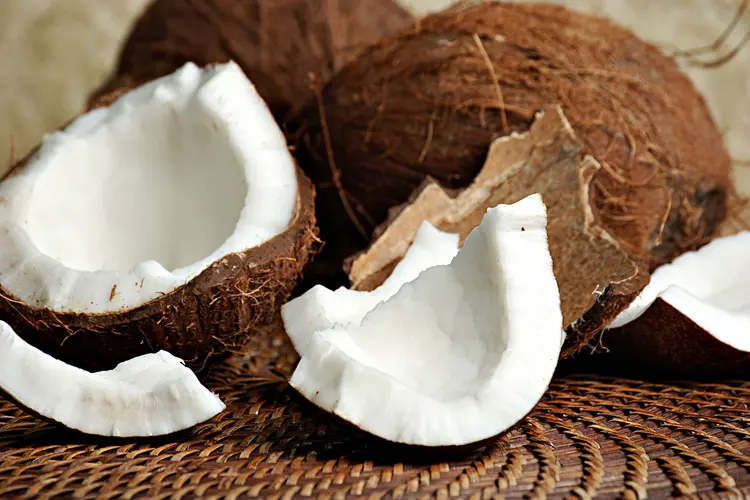
Golden Export And Import is based in India and lists twelve active products across food, agricultural and construction sectors. The catalogue includes basmati rice, fresh fruits, Indian spices, fresh vegetables, coconut, coffee beans, as well as cement, granite and marble, fly ash, and metal scrap such as copper, steel and iron. Each entry reflects the supplier’s focus on both edible commodities and bulk building or raw material items. The company’s profile states it holds a trading licence, APEDA certification, FSSAI certification and Udyam registration, confirming compliance with Indian export regulations.
The supplier’s top categories are recorded as Cement, Food Products, Fresh Fruits, Processed Food, Granite & Marble Products, Copper Scrap, Steel Scrap and Iron Scrap. While the supplier markets a broad mix, the food segment comprises rice, spices, fruits, vegetables, coconut and coffee beans, which are typical export items from India. The construction segment lists cement, granite, marble and fly ash, all of which are common bulk exports used in infrastructure projects worldwide.
Product Range and Specialties of Golden Export And Import
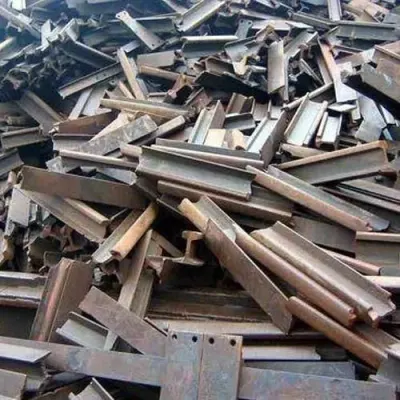
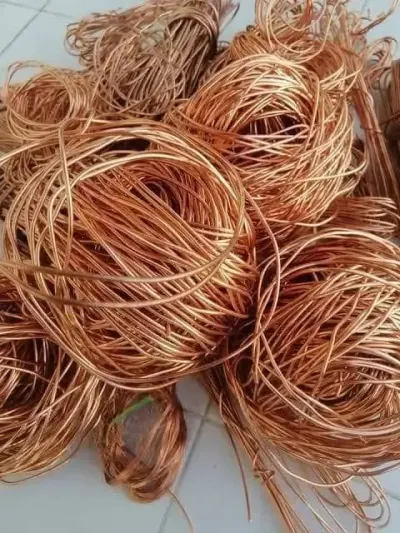
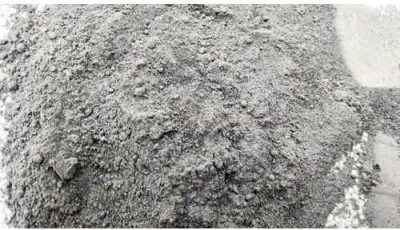
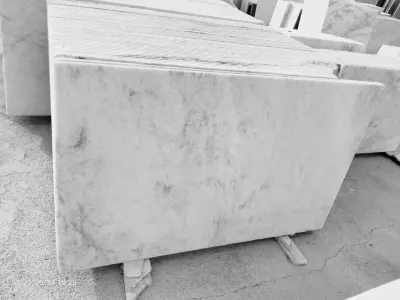
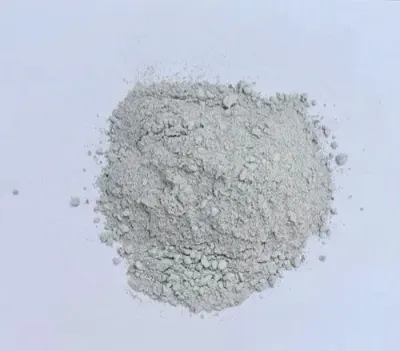
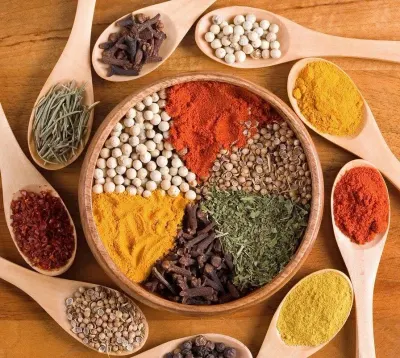
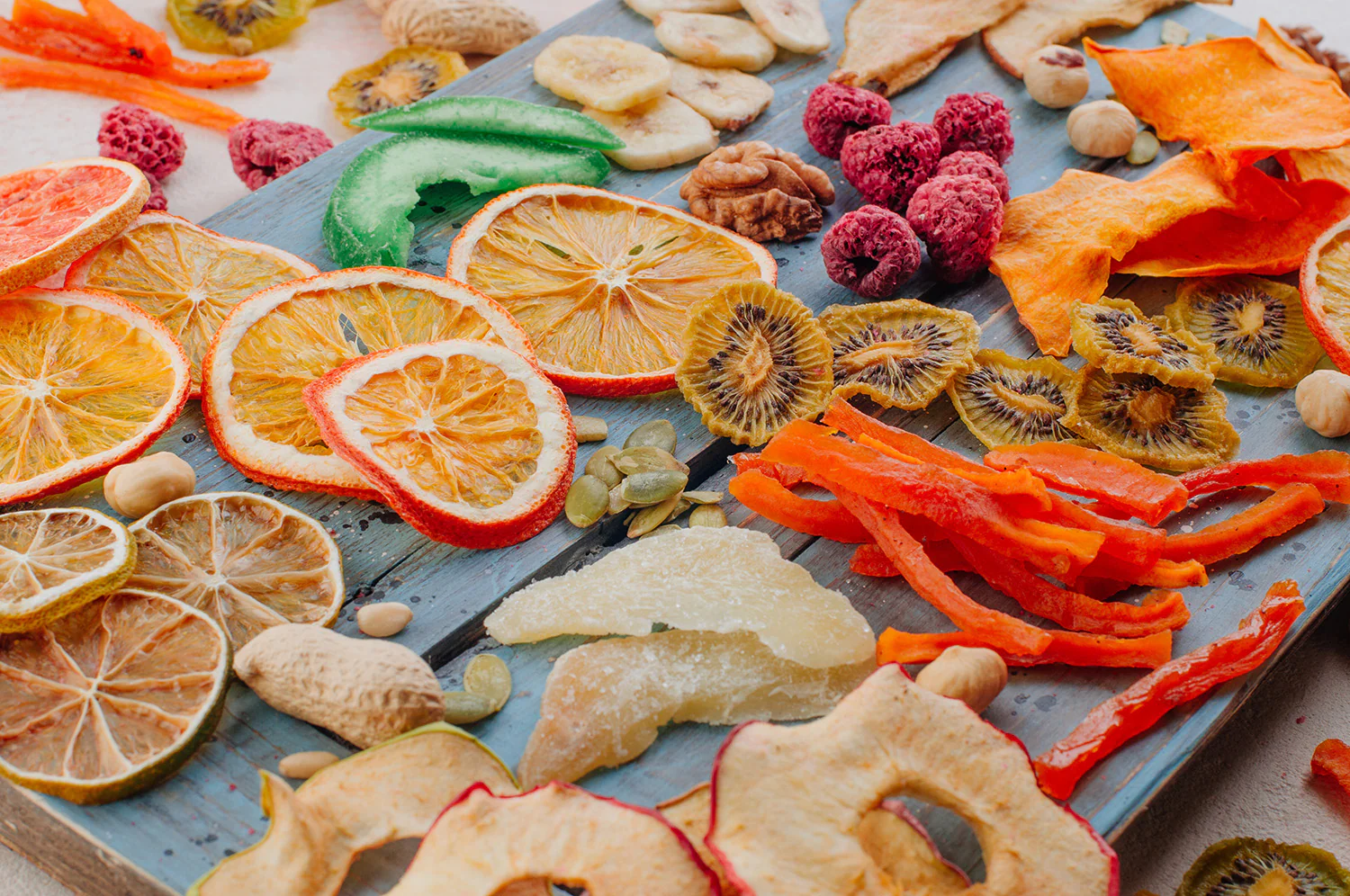
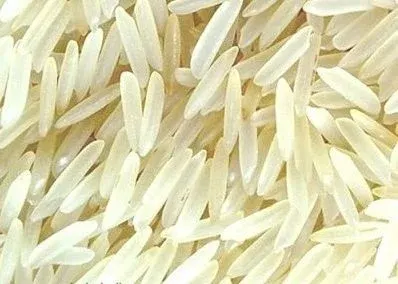
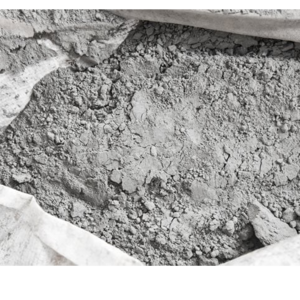
Golden Export And Import’s catalogue groups products into three functional clusters: edible agricultural goods, building materials and recyclable metals. In the edible group, basmati rice is usually exported in 25 kg bags, fresh fruits and vegetables are shipped in refrigerated containers with temperature control between 0 °C and 4 °C, and spices are packed in sealed, moisture‑resistant containers to preserve volatile oils. The building‑material line includes Portland cement in 50 kg bags, granite and marble slabs sized up to 2 m × 1 m, and fly ash in bulk bags of 1 ton. Metal scrap such as copper, steel and iron is supplied in bundled bales weighing 500 kg to 1 ton, conforming to standard industry weight tolerances.
Industry practice for these categories defines typical quality grades: basmati rice is often graded as 1 % broken grain or better, spices are expected to meet ICUMSA colour standards (e.g., turmeric ICUMSA 45), and cement generally conforms to IS 456 specifications. Granite and marble are evaluated by surface finish (polished, honed) and structural integrity, while metal scrap is assessed for purity percentages (copper ≥ 99 %, steel ≥ 95 %). Buyers normally request material safety data sheets for fly ash and certification of origin for stone products.
Trade and Export Information - Golden Export And Import
India ranks among the top global exporters of rice, spices, coconut and coffee beans, with major destination markets in the Middle East, Europe and North America. Bulk construction materials such as cement, granite and fly ash are frequently shipped to African and Southeast Asian construction projects, often under CIF or FOB terms. Metal scrap from India is typically sold to steel mills in China, Turkey and the United Arab Emirates, using HS‑code families for ferrous and non‑ferrous scrap and complying with customs valuation rules for recyclable waste. Buyers of Indian food items usually request phytosanitary certificates, FSSAI export clearance and APEDA conformity reports. For cement and stone, certificates of analysis confirming compliance with IS 456 or relevant ASTM standards are standard, together with a commercial invoice and packing list that specify net weight and dimensions. Metal scrap shipments are subject to environmental clearance and may require a waste‑export licence depending on the importing country’s regulations.
Sourcing from Golden Export And Import - Buyer Guidance
When evaluating Golden Export And Import, buyers should request product‑specific test reports: moisture content for rice and cereals, pesticide residue analysis for spices and fresh produce, and compressive strength certificates for cement. Samples of stone should be accompanied by a finish‑grade report and a dimensional drawing, while metal scrap should be supplied with a purity assay and a recycling‑process certification. Verification of the supplier’s APEDA and FSSAI certificates can be done through the respective Indian government portals. Buyers are advised to confirm the packaging format - e.g., 25 kg rice bags, refrigerated containers for perishables, bulk bags for fly ash - and to align incoterms with the intended logistics chain. Early agreement on inspection agencies (e.g., SGS, Bureau Veritas) helps ensure that the shipment meets the buyer’s quality and regulatory expectations.
Frequently Asked Questions About Golden Export And Import
What food products does Golden Export And Import list in its catalogue?
The catalogue includes basmati rice, fresh fruits, fresh vegetables, Indian spices, coconut and coffee beans, each exported in standard bulk or containerized formats.
Which certifications does the supplier hold for its agricultural exports?
The supplier holds an APEDA certification, an FSSAI export licence and a general trading licence, all of which are verifiable through Indian regulatory databases.
What are the typical packaging forms for the cement and fly ash products?
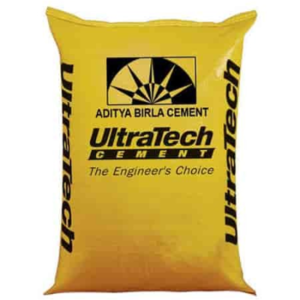
Cement is usually packed in 50 kg polypropylene bags, while fly ash is supplied in 1‑ton bulk bags or bulk truckloads, both sealed to prevent moisture ingress.
How is metal scrap such as copper, steel and iron packaged for export?
Metal scrap is bundled into bales or compacted into 500 kg to 1 ton containers, with each batch accompanied by a purity assay and a waste‑export clearance document.
What documentation should a buyer request before placing an order for fresh fruits?
Buyers should ask for a phytosanitary certificate, a certificate of origin, and a recent laboratory test report confirming pesticide residues are within the importing country’s limits.
Which markets typically import Indian granite and marble?
Granite and marble from India are commonly shipped to construction projects in the Middle East, Africa and Southeast Asia, often under CIF terms to major ports.
What quality standards are expected for basmati rice from India?
Basmati rice is generally expected to have a broken grain percentage of 1 % or less, a moisture content below 13 %, and to meet the relevant IS 2047 grain quality parameters.
Are there any standard inspection agencies recommended for these product categories?
International buyers often engage agencies such as SGS, Bureau Veritas or Intertek to perform pre‑shipment inspections, laboratory testing for food items and material certification for construction and metal products.




 , India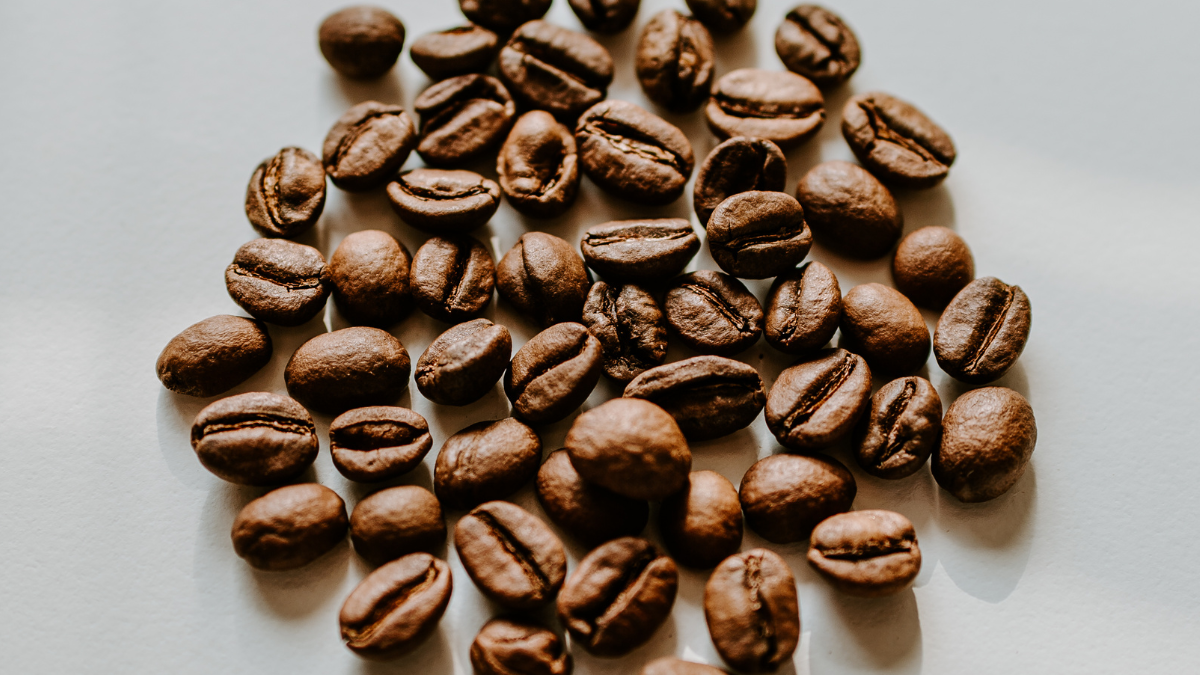


.jpg.png)