Globus Marine Exports — Verified Supplier
About Globus Marine Exports - Seafood Supplier in India
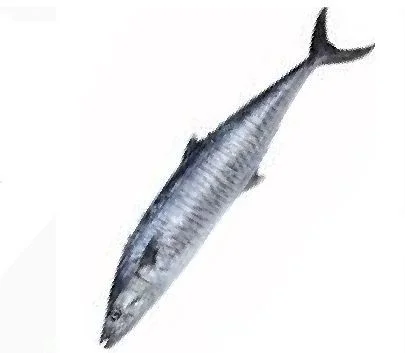
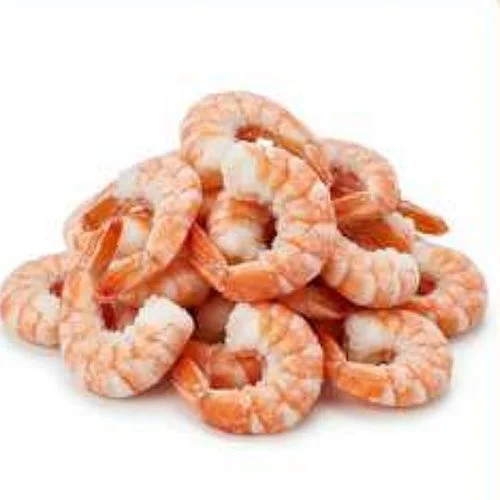
India hosts six active seafood listings from Globus Marine Exports. The catalogue comprises fresh ribbon fish, fresh blue swimming crabs, frozen Indian mackerel, frozen squid offered whole, cleaned, cut or stuffed, frozen shrimp in several processing forms (head‑on shell‑on, headless shell‑on, peeled, etc.), and frozen octopus supplied whole round or cleaned. Each item aligns with the standard HS chapters for marine products - fresh finfish under HS 0302, frozen finfish and crustaceans under HS 0306, and other marine animals under HS 0307. The supplier therefore presents a concise yet diverse set of six product families that meet common import classifications for fresh and frozen seafood.
Product Range and Specialties of Globus Marine Exports
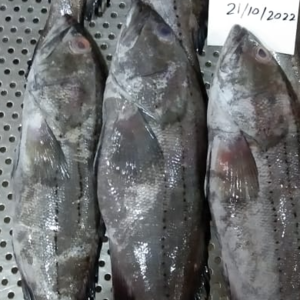
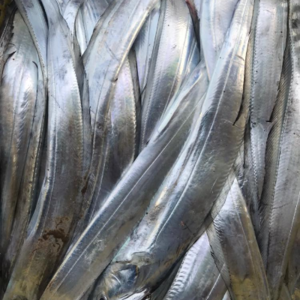
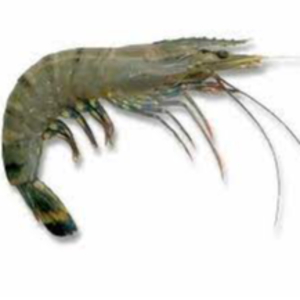
The listed products cover both fresh and frozen formats. Fresh ribbon fish is typically graded by length (e.g., 30‑45 cm) and flesh firmness, while blue swimming crabs are sorted by carapace width (usually 10‑15 cm). Frozen Indian mackerel is commonly supplied as whole fillets with a moisture content below 78 % and a frozen‑in‑ice temperature of - 18 °C. Squid varieties may be whole or processed; industry standards specify a post‑thaw drip loss under 5 % and a flesh colour of pale white. Shrimp specifications often use a count‑per‑kilogram range (e.g., 21‑25 pcs/kg) and require a shell‑on moisture level below 70 %. Octopus quality is measured by mantle weight (typically 200‑300 g each) and a clean‑cut appearance. These grades reflect the typical specifications buyers request for each category.
Trade and Export Information - Globus Marine Exports
India is a major exporter of marine products, with the European Union, the United Arab Emirates, Saudi Arabia, Japan and the United States representing the largest destination markets for fresh and frozen seafood. HS 0302, 0306 and 0307 families are routinely inspected under the Codex Alimentarius and the EU’s Rapid Alert System for Food and Feed (RASFF). Buyers usually require HACCP certification, BRC Global Standard for Food Safety, or ISO 22000 compliance, together with a phytosanitary health certificate issued by the Indian Directorate General of Foreign Trade. Shipping is generally performed in insulated 20‑ft or 40‑ft containers with gel‑pack ice or refrigerated containers (reefers) maintaining - 18 °C for frozen goods, while fresh fish is packed in insulated boxes with ice slurry and a transit time of 48‑72 hours to preserve freshness.
Sourcing from Globus Marine Exports - Buyer Guidance
When sourcing from Globus Marine Exports, request the latest HACCP audit report, a copy of the BRC or ISO 22000 certificate, and the Indian export health certificate for each product batch. Verify size‑grade sheets for ribbon fish, carapace‑width tables for crabs, and shrimp count‑per‑kilogram specifications before confirming order quantities. Ask for a frozen‑thaw test report that includes drip loss, colour and texture analysis to ensure compliance with typical buyer quality standards. Samples should be shipped under the same temperature conditions as the commercial consignment and accompanied by a laboratory analysis covering microbiological limits (e.g., total viable count < 5 × 10⁴ CFU/g) and heavy‑metal residues.
Frequently Asked Questions About Globus Marine Exports
What processing forms are available for the squid product?
Globus Marine Exports lists frozen squid as whole, cleaned, cut or stuffed. Each form is packed in food‑grade polyethylene bags with a moisture content below 78 % and shipped in insulated containers at - 18 °C.
Which size grades apply to the fresh ribbon fish?
Ribbon fish is offered in length categories of 30‑35 cm, 35‑40 cm and 40‑45 cm. Buyers typically verify the length range against the product specification sheet before acceptance.
What certifications should a buyer request for these seafood items?
Typical certifications include HACCP, BRC or ISO 22000, and an Indian export health certificate. These documents confirm compliance with food‑safety standards and import regulations.
What is the standard packaging for frozen shrimp?
Frozen shrimp are packed in vacuum‑sealed, food‑grade polyethylene bags, usually 10 kg per bag, and then placed in insulated cartons with gel‑pack ice for transport.
Which markets commonly import frozen octopus from India?
The primary import markets are the European Union, the Middle East and Southeast Asia, where frozen octopus is used in both retail and food‑service sectors.
What are the typical moisture and temperature requirements for frozen mackerel?
Frozen Indian mackerel should have a moisture content below 78 % and be maintained at - 18 °C throughout shipping to preserve flesh quality.
What documentation is needed to clear customs for fresh crabs?
Customs generally require the Indian health certificate, a HACCP compliance statement and a packing list indicating carapace‑width grades.
What are the usual container types and lead times for these products?
Fresh fish and crabs are shipped in insulated 20‑ft containers with ice, usually arriving within 3‑5 days. Frozen products use refrigerated 40‑ft containers, with a typical transit time of 7‑10 days depending on destination.




 , India