Global Promotion International Trade — Verified Supplier

About Global Promotion International Trade - Salt Supplier in Egypt

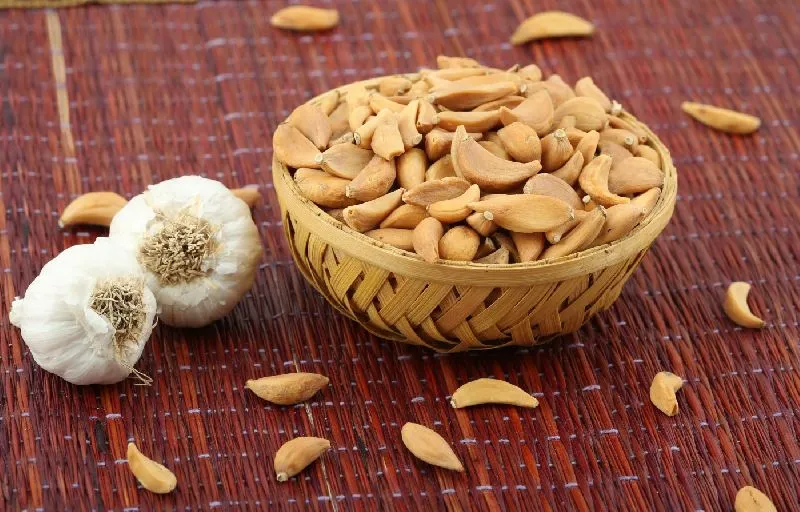
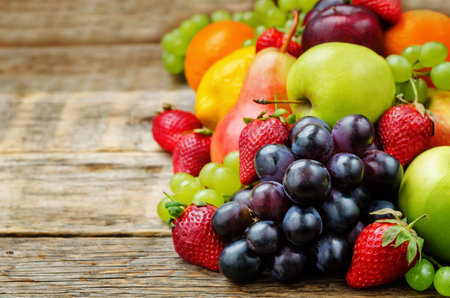
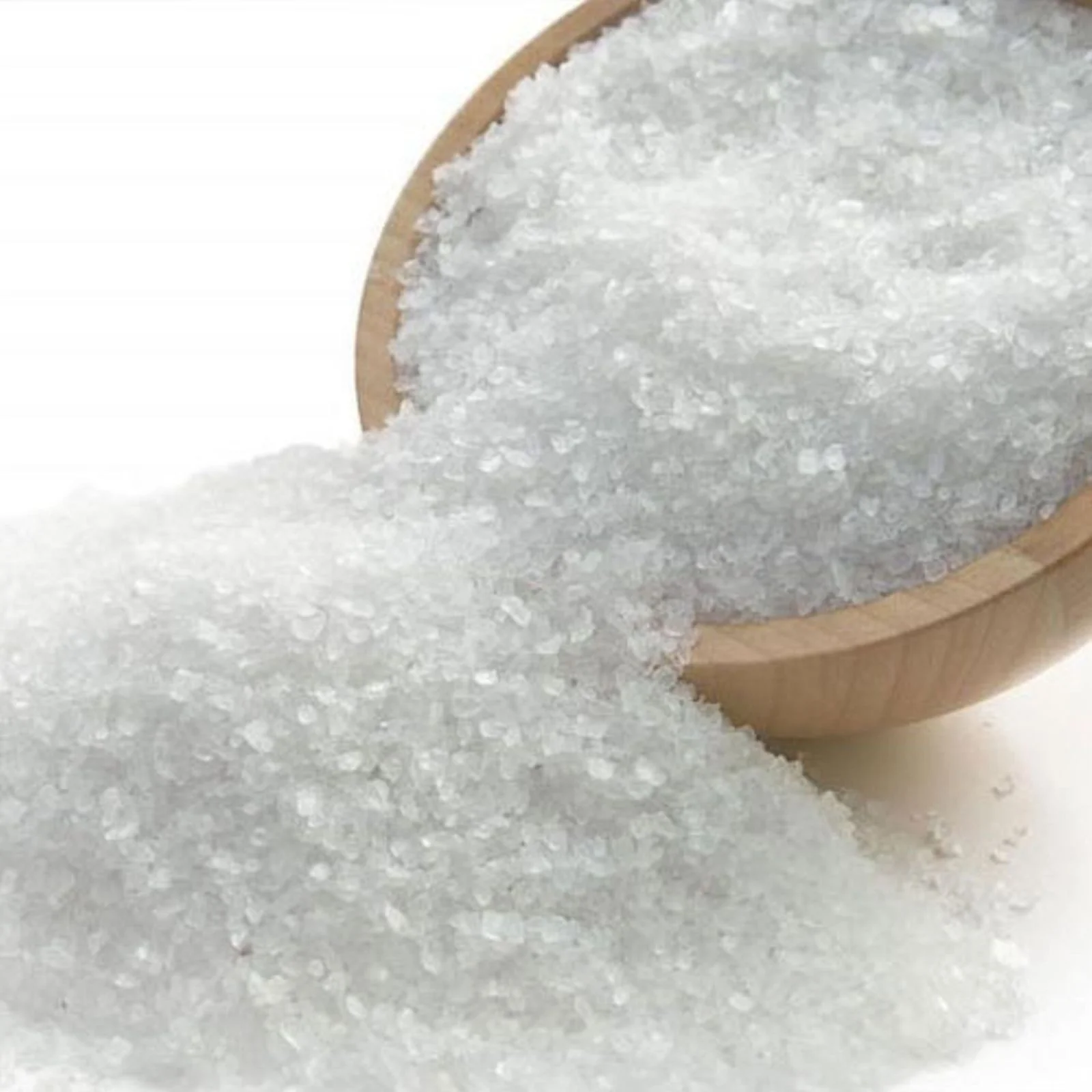
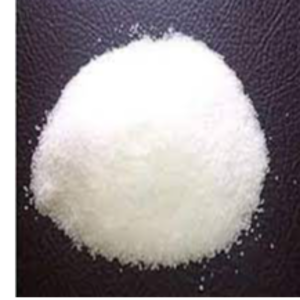
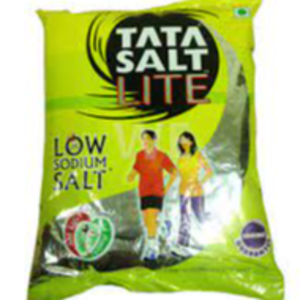
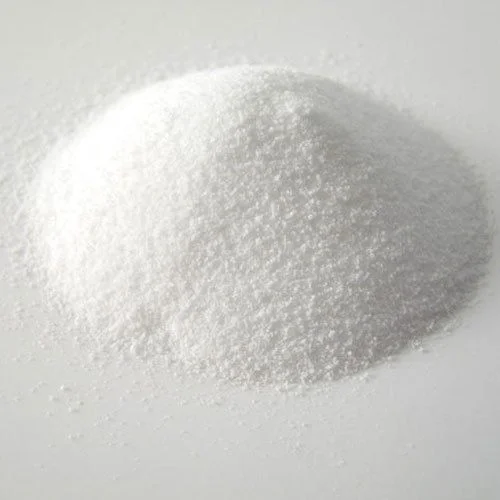
Global Promotion International Trade is based in Egypt and currently lists 16 distinct food products in its catalogue. The listed items cover a range of categories that include Salt, Grains & Cereals, Beans, Noodles & Pasta, Fresh Potato, Fresh Lemon, Orange, and Chocolate & Confectionery. Specific catalogue entries are Table Salt, Instant Dry Yeast, White Beans, Pasta, Potatoes, Lemon, Fresh Orange, Biscuits, Beverage Mix Powder, Red & White Garlic, Onions, Pomegranate, Watermelon, Cantaloupe, Mango and Grapes. The supplier groups these items under the broader product families that align with the listed top categories. All products are presented without additional processing specifications in the catalogue.

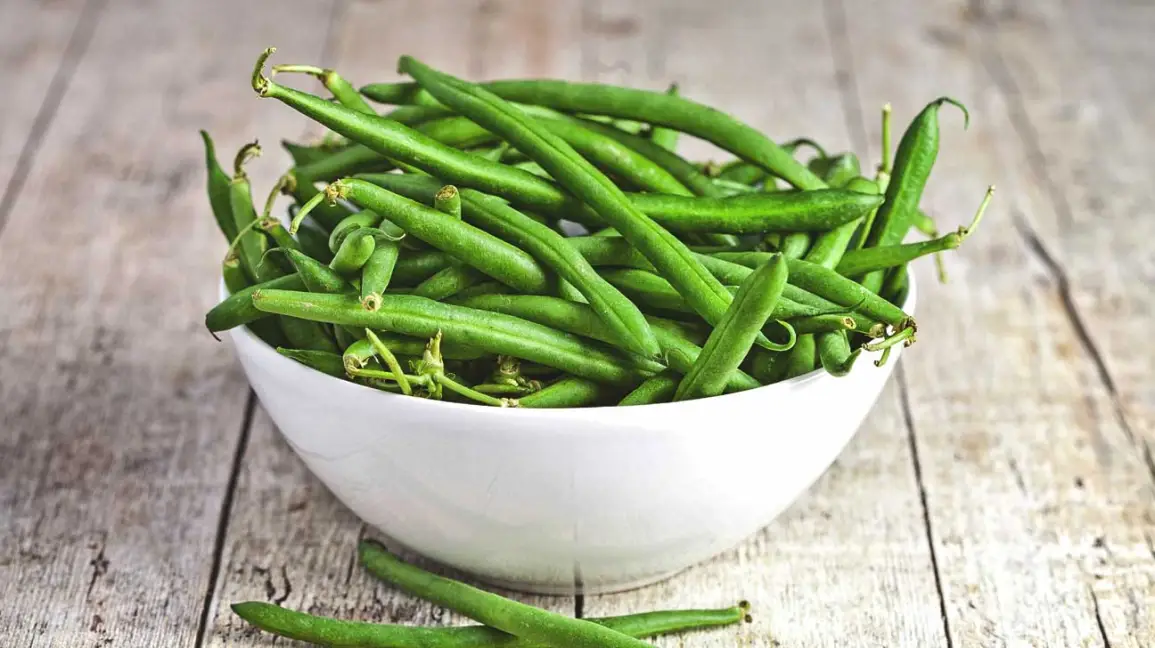
The only product with a disclosed HS code is White Beans, recorded under HS 0713.33 and described as Dried Leguminous Vegetables - Phaseolus vulgaris (White Kidney/Navy Bean). Other items such as Table Salt, Pasta and Fresh Citrus are listed without HS codes, reflecting the supplier’s focus on product identification rather than detailed customs classification. The catalogue also includes fresh produce items like Lemon, Orange, and a selection of melons and grapes, indicating a mix of dry and perishable goods. This composition suggests the supplier targets both bulk commodity buyers and fresh‑produce importers.

Product Range and Specialties of Global Promotion International Trade

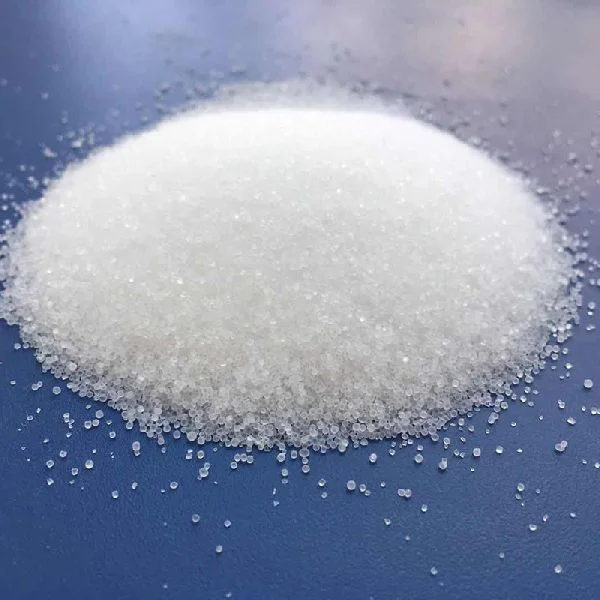
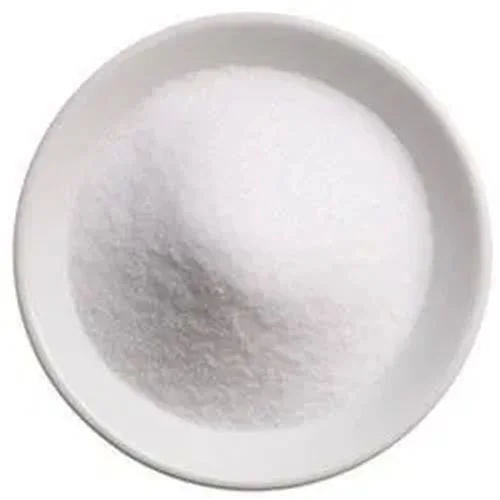
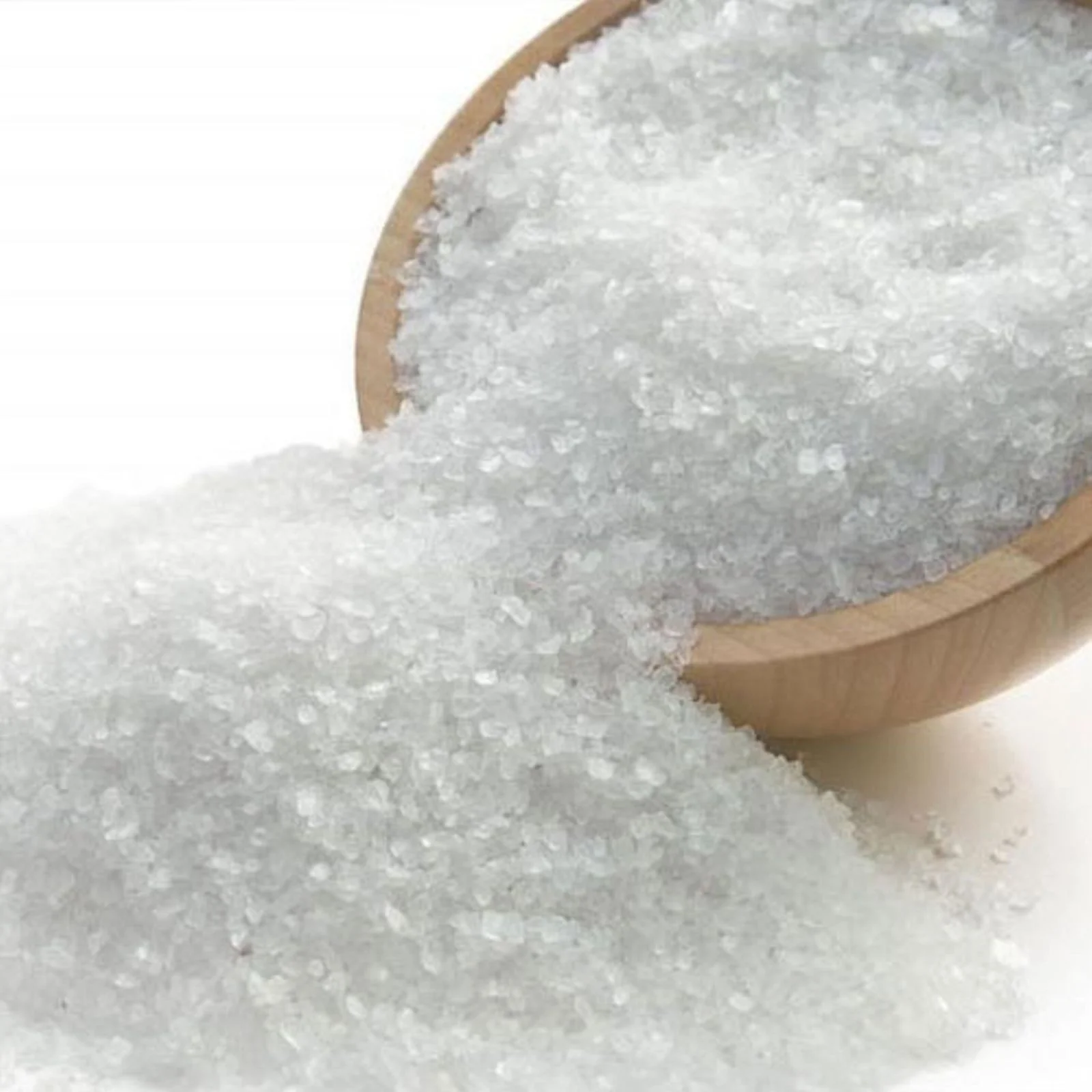
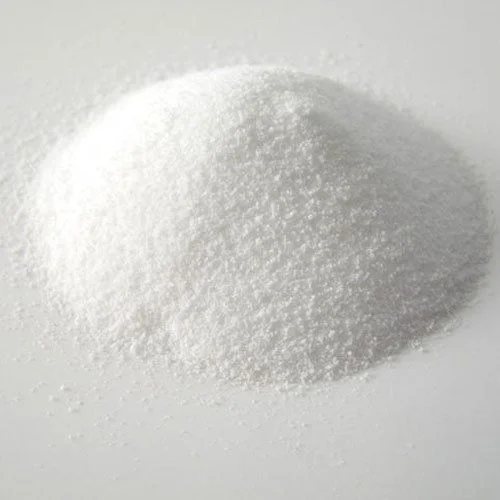
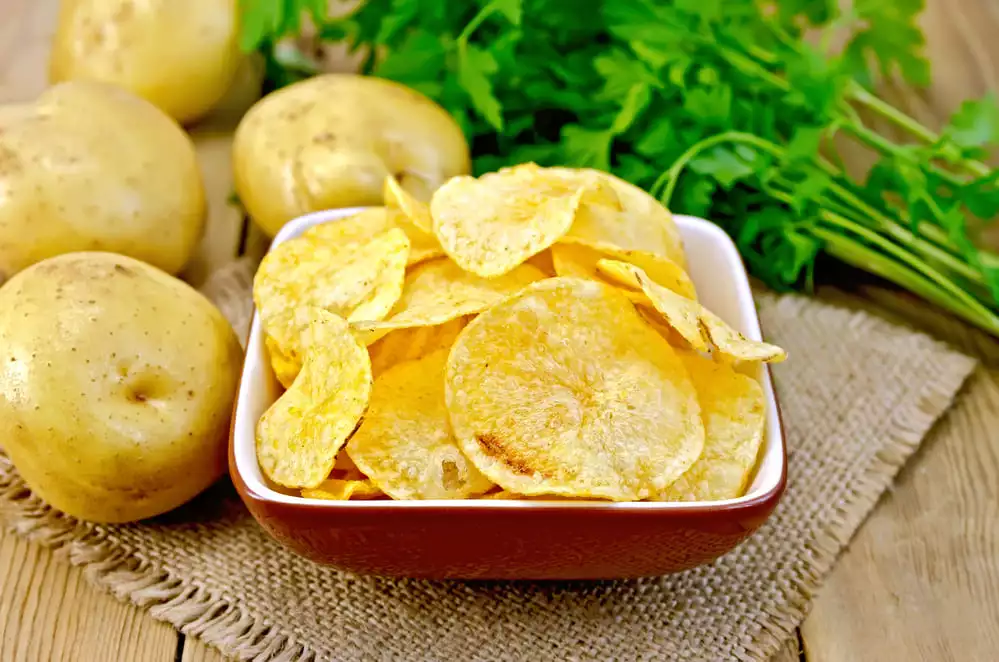
The product list comprises basic food staples: Table Salt as a mineral seasoning, Instant Dry Yeast for bakery applications, and White Beans as a dried legume. Pasta is presented without a specified wheat type, while the fresh line includes Potatoes, Lemon, Fresh Orange, and a variety of melons and tropical fruits such as Mango and Grapes. The Biscuit entry falls under the Chocolate & Confectionery category, and the Beverage Mix Powder represents a dry beverage formulation. Red & White Garlic and Onions extend the range into aromatic vegetables, and the fruit selections (Pomegranate, Watermelon, Cantaloupe) add seasonal fresh produce. In the broader industry, table salt is commonly supplied as food‑grade salt with purity ≥ 99.5 % and moisture ≤ 0.2 %. Dried beans are typically graded by size (e.g., 12 mm), moisture ≤ 12 %, and foreign matter ≤ 0.5 %. Pasta products are usually made from durum wheat semolina, with a typical dry matter content of 12 - 14 % and a cooking loss not exceeding 8 %. Fresh potatoes for export are often classified by size (e.g., 45 - 75 mm) and have a maximum sprouting rate of 2 % and moisture around 78 %. Citrus fruits such as lemons and oranges are graded by external color, acidity (Brix ≈ 10 - 12 for lemons, 11 - 13 for oranges) and have a typical post‑harvest shelf life of 30 days under refrigerated transport.

Trade and Export Information - Global Promotion International Trade

Egypt is a recognized exporter of both dry staples and fresh produce, with the Mediterranean basin, the Gulf Cooperation Council (GCC) states, and European Union markets being major destinations. Products such as Table Salt fall under HS chapter 25 (e.g., HS 2501 for edible salt) and are commonly required to meet Codex Alimentarius specifications for purity and microbial limits. Dried legumes like White Beans are classified under HS 0713 and usually need to be accompanied by phytosanitary certificates and, where required, ISO 22000 or HACCP compliance. Pasta and bakery ingredients are generally covered by HS 1905 and may be subject to EU food safety audits. Fresh fruits and vegetables - including Potatoes (HS 0701), Lemons and Oranges (HS 0805), and Grapes (HS 0806) - are shipped in refrigerated containers, often on a CIF or FOB basis, and require phytosanitary certificates, residue testing, and compliance with the EU’s Maximum Residue Limits (MRLs). Exporters from Egypt typically use 20‑ft or 40‑ft refrigerated containers, with temperature controls set between 2 °C and 8 °C for most fresh produce. Buyers importing these categories usually request certificates of origin, compliance with relevant food safety standards, and inspection reports from accredited agencies. For dry goods like Salt, Beans and Pasta, packaging is commonly in food‑grade polyethylene bags (25 kg for salt, 20 kg for beans) or bulk cartons for pasta. Fresh produce is packed in ventilated wooden crates or corrugated boxes, often with a moisture‑absorbing liner to maintain quality during transit.

Sourcing from Global Promotion International Trade - Buyer Guidance

When sourcing Table Salt from this supplier, request a Certificate of Analysis confirming NaCl purity, moisture content, and iodine level if applicable. For Instant Dry Yeast, ask for a viability test (e.g., ≥ 85 % live cells) and storage condition details. White Beans should be accompanied by a phytosanitary certificate, size grading report, and moisture analysis consistent with HS 0713 export requirements. Pasta buyers should verify the wheat source (durum semolina), protein content (typically 11‑13 %) and any fortification details. Fresh produce such as Potatoes, Lemons, Oranges, and Grapes requires a phytosanitary certificate, a recent lab test for pesticide residues, and temperature‑controlled logistics documentation. Request sample photographs, a detailed packing list, and the supplier’s standard Incoterm (e.g., FOB Alexandria) before confirming the order. Verification of any provided certificates against recognized bodies (e.g., ISO, GlobalGAP, Codex) helps assess compliance risk. Buyers should also confirm container loading plans, especially for mixed shipments of dry and fresh goods, to ensure that temperature‑sensitive items are not compromised.

Frequently Asked Questions About Global Promotion International Trade

What HS code is used for the White Beans offered by Global Promotion International Trade?

The White Beans are listed under HS code 0713.33, which corresponds to dried leguminous vegetables, specifically Phaseolus vulgaris (White Kidney/Navy Bean).

Which certifications should a buyer request for the Table Salt product?

Buyers should request a Certificate of Analysis showing food‑grade purity (≥ 99.5 %), moisture content (≤ 0.2 %), and any applicable food safety certifications such as ISO 22000 or HACCP.

How are fresh citrus fruits like Lemon and Fresh Orange typically packed for export?

They are usually packed in ventilated wooden crates or corrugated boxes with a capacity of 500 kg per container, and shipped in refrigerated containers maintained at 2‑8 °C.

What quality parameters are standard for dried beans in international trade?

Standard parameters include bean size (e.g., 12 mm), moisture ≤ 12 %, foreign matter ≤ 0.5 %, and a phytosanitary certificate confirming freedom from pests.

What documentation is required for exporting Pasta from Egypt?

Typical documents include a Certificate of Origin, a Certificate of Analysis for protein content (11‑13 %), and compliance with any relevant EU food safety regulations.

What are the common Incoterms used for the supplier’s fresh produce shipments?

The supplier commonly references FOB Alexandria or CIF Mediterranean ports for fresh produce, aligning with standard maritime trade practices for perishable goods.

How should a buyer verify the quality of Instant Dry Yeast?

Request a viability test report showing live cell percentage (generally ≥ 85 %) and storage condition recommendations, along with a Certificate of Analysis for moisture and ash content.

What packaging is typical for the dry goods like Salt and Beans?

Dry goods are usually packed in food‑grade polyethylene bags, 25 kg for salt and 20 kg for beans, placed inside export‑grade cartons for container loading.

Featured Products from this Supplier

Other Suppliers in Primary Category

Top Trusted Suppliers

Related Products

Trending in Parent Category

More Suppliers in Category

Related Products

Other Suppliers

EximNext
58.4K+ live requirements
Register Free🎁 5 free buy-lead credits
Post Requirement
🌍 Trusted by 224.4K+ businesses in 200+ countries|
58.4K+ active requirements right now
✉️ [email protected]
|
Sell on EximNextPost Requirement
EximNext
AgricultureApparelConstructionElectronicFoodHomeIndustrialMineralsMiscellaneous
🔥 Deals|✨ AI Match|🏭 Suppliers|📋 Buy Leads|💰 Trade Finance|⭐ Upgrade
58.4K+ live RFQs·194.4K+ suppliers
🎁 5 free credits →
EximNext
EximNext
Register Free
🎁 5 free buy-lead credits
Sign In
📋Post Requirement💬Get QuotesAI Match📋RFQ Marketplace
All Categories
Services & Tools
🏭Supplier Directory🔥Today's Deals💰Trade FinanceMembership
Sell on EximNext
AboutContactBlogHelp
🏭

Global Promotion International Trade

Harbor
Country flag , Egypt
🛡️
77/100
Trust Score

Global Promotion International Trade Product Catalog

Showing 12 of 16 products
View all products →
Biscuits
Harbor
Biscuits
Contact
MOQ: 1 Unit
Beverage Mix Powder
Harbor
Beverage Mix Powder
Contact
MOQ: 1 Unit
Red& White Garlic
Harbor
Red& White Garlic
Contact
MOQ: 1 Unit
Onions
Harbor
Onions
Contact
MOQ: 1 Unit
Pomegranate
Harbor
Pomegranate
Contact
MOQ: 1 Unit
Watermelon
Harbor
Watermelon
Contact
MOQ: 1 Unit
Cantaloupe
Harbor
Cantaloupe
Contact
MOQ: 1 Unit
Mango
Harbor
Mango
Contact
MOQ: 1 Unit
Grapes
Harbor
Grapes
Contact
MOQ: 1 Unit
Fresh Orange
Harbor
Fresh Orange
Contact
MOQ: 1 Unit
Table Salt
Harbor
Table Salt
Contact
MOQ: 1 Unit
Instant Dry Yeast
Harbor
Instant Dry Yeast
Contact
MOQ: 1 Unit

About Global Promotion International Trade - Salt Supplier in Egypt

Global Promotion International Trade is based in Egypt and currently lists 16 distinct food products in its catalogue. The listed items cover a range of categories that include Salt, Grains & Cereals, Beans, Noodles & Pasta, Fresh Potato, Fresh Lemon, Orange, and Chocolate & Confectionery. Specific catalogue entries are Table Salt, Instant Dry Yeast, White Beans, Pasta, Potatoes, Lemon, Fresh Orange, Biscuits, Beverage Mix Powder, Red & White Garlic, Onions, Pomegranate, Watermelon, Cantaloupe, Mango and Grapes. The supplier groups these items under the broader product families that align with the listed top categories. All products are presented without additional processing specifications in the catalogue.

The only product with a disclosed HS code is White Beans, recorded under HS 0713.33 and described as Dried Leguminous Vegetables - Phaseolus vulgaris (White Kidney/Navy Bean). Other items such as Table Salt, Pasta and Fresh Citrus are listed without HS codes, reflecting the supplier’s focus on product identification rather than detailed customs classification. The catalogue also includes fresh produce items like Lemon, Orange, and a selection of melons and grapes, indicating a mix of dry and perishable goods. This composition suggests the supplier targets both bulk commodity buyers and fresh‑produce importers.

Product Range and Specialties of Global Promotion International Trade

The product list comprises basic food staples: Table Salt as a mineral seasoning, Instant Dry Yeast for bakery applications, and White Beans as a dried legume. Pasta is presented without a specified wheat type, while the fresh line includes Potatoes, Lemon, Fresh Orange, and a variety of melons and tropical fruits such as Mango and Grapes. The Biscuit entry falls under the Chocolate & Confectionery category, and the Beverage Mix Powder represents a dry beverage formulation. Red & White Garlic and Onions extend the range into aromatic vegetables, and the fruit selections (Pomegranate, Watermelon, Cantaloupe) add seasonal fresh produce. In the broader industry, table salt is commonly supplied as food‑grade salt with purity ≥ 99.5 % and moisture ≤ 0.2 %. Dried beans are typically graded by size (e.g., 12 mm), moisture ≤ 12 %, and foreign matter ≤ 0.5 %. Pasta products are usually made from durum wheat semolina, with a typical dry matter content of 12 - 14 % and a cooking loss not exceeding 8 %. Fresh potatoes for export are often classified by size (e.g., 45 - 75 mm) and have a maximum sprouting rate of 2 % and moisture around 78 %. Citrus fruits such as lemons and oranges are graded by external color, acidity (Brix ≈ 10 - 12 for lemons, 11 - 13 for oranges) and have a typical post‑harvest shelf life of 30 days under refrigerated transport.

Trade and Export Information - Global Promotion International Trade

Egypt is a recognized exporter of both dry staples and fresh produce, with the Mediterranean basin, the Gulf Cooperation Council (GCC) states, and European Union markets being major destinations. Products such as Table Salt fall under HS chapter 25 (e.g., HS 2501 for edible salt) and are commonly required to meet Codex Alimentarius specifications for purity and microbial limits. Dried legumes like White Beans are classified under HS 0713 and usually need to be accompanied by phytosanitary certificates and, where required, ISO 22000 or HACCP compliance. Pasta and bakery ingredients are generally covered by HS 1905 and may be subject to EU food safety audits. Fresh fruits and vegetables - including Potatoes (HS 0701), Lemons and Oranges (HS 0805), and Grapes (HS 0806) - are shipped in refrigerated containers, often on a CIF or FOB basis, and require phytosanitary certificates, residue testing, and compliance with the EU’s Maximum Residue Limits (MRLs). Exporters from Egypt typically use 20‑ft or 40‑ft refrigerated containers, with temperature controls set between 2 °C and 8 °C for most fresh produce. Buyers importing these categories usually request certificates of origin, compliance with relevant food safety standards, and inspection reports from accredited agencies. For dry goods like Salt, Beans and Pasta, packaging is commonly in food‑grade polyethylene bags (25 kg for salt, 20 kg for beans) or bulk cartons for pasta. Fresh produce is packed in ventilated wooden crates or corrugated boxes, often with a moisture‑absorbing liner to maintain quality during transit.

Sourcing from Global Promotion International Trade - Buyer Guidance

When sourcing Table Salt from this supplier, request a Certificate of Analysis confirming NaCl purity, moisture content, and iodine level if applicable. For Instant Dry Yeast, ask for a viability test (e.g., ≥ 85 % live cells) and storage condition details. White Beans should be accompanied by a phytosanitary certificate, size grading report, and moisture analysis consistent with HS 0713 export requirements. Pasta buyers should verify the wheat source (durum semolina), protein content (typically 11‑13 %) and any fortification details. Fresh produce such as Potatoes, Lemons, Oranges, and Grapes requires a phytosanitary certificate, a recent lab test for pesticide residues, and temperature‑controlled logistics documentation. Request sample photographs, a detailed packing list, and the supplier’s standard Incoterm (e.g., FOB Alexandria) before confirming the order. Verification of any provided certificates against recognized bodies (e.g., ISO, GlobalGAP, Codex) helps assess compliance risk. Buyers should also confirm container loading plans, especially for mixed shipments of dry and fresh goods, to ensure that temperature‑sensitive items are not compromised.

Frequently Asked Questions About Global Promotion International Trade

What HS code is used for the White Beans offered by Global Promotion International Trade?

The White Beans are listed under HS code 0713.33, which corresponds to dried leguminous vegetables, specifically Phaseolus vulgaris (White Kidney/Navy Bean).

Which certifications should a buyer request for the Table Salt product?

Buyers should request a Certificate of Analysis showing food‑grade purity (≥ 99.5 %), moisture content (≤ 0.2 %), and any applicable food safety certifications such as ISO 22000 or HACCP.

How are fresh citrus fruits like Lemon and Fresh Orange typically packed for export?

They are usually packed in ventilated wooden crates or corrugated boxes with a capacity of 500 kg per container, and shipped in refrigerated containers maintained at 2‑8 °C.

What quality parameters are standard for dried beans in international trade?

Standard parameters include bean size (e.g., 12 mm), moisture ≤ 12 %, foreign matter ≤ 0.5 %, and a phytosanitary certificate confirming freedom from pests.

What documentation is required for exporting Pasta from Egypt?

Typical documents include a Certificate of Origin, a Certificate of Analysis for protein content (11‑13 %), and compliance with any relevant EU food safety regulations.

What are the common Incoterms used for the supplier’s fresh produce shipments?

The supplier commonly references FOB Alexandria or CIF Mediterranean ports for fresh produce, aligning with standard maritime trade practices for perishable goods.

How should a buyer verify the quality of Instant Dry Yeast?

Request a viability test report showing live cell percentage (generally ≥ 85 %) and storage condition recommendations, along with a Certificate of Analysis for moisture and ash content.

What packaging is typical for the dry goods like Salt and Beans?

Dry goods are usually packed in food‑grade polyethylene bags, 25 kg for salt and 20 kg for beans, placed inside export‑grade cartons for container loading.

About Global Promotion International Trade - Salt Supplier in Egypt

Global Promotion International Trade is based in Egypt and currently lists 16 distinct food products in its catalogue. The listed items cover a range of categories that include Salt, Grains & Cereals, Beans, Noodles & Pasta, Fresh Potato, Fresh Lemon, Orange, and Chocolate & Confectionery. Specific catalogue entries are Table Salt, Instant Dry Yeast, White Beans, Pasta, Potatoes, Lemon, Fresh Orange, Biscuits, Beverage Mix Powder, Red & White Garlic, Onions, Pomegranate, Watermelon, Cantaloupe, Mango and Grapes. The supplier groups these items under the broader product families that align with the listed top categories. All products are presented without additional processing specifications in the catalogue.

The only product with a disclosed HS code is White Beans, recorded under HS 0713.33 and described as Dried Leguminous Vegetables - Phaseolus vulgaris (White Kidney/Navy Bean). Other items such as Table Salt, Pasta and Fresh Citrus are listed without HS codes, reflecting the supplier’s focus on product identification rather than detailed customs classification. The catalogue also includes fresh produce items like Lemon, Orange, and a selection of melons and grapes, indicating a mix of dry and perishable goods. This composition suggests the supplier targets both bulk commodity buyers and fresh‑produce importers.

Product Range and Specialties of Global Promotion International Trade

The product list comprises basic food staples: Table Salt as a mineral seasoning, Instant Dry Yeast for bakery applications, and White Beans as a dried legume. Pasta is presented without a specified wheat type, while the fresh line includes Potatoes, Lemon, Fresh Orange, and a variety of melons and tropical fruits such as Mango and Grapes. The Biscuit entry falls under the Chocolate & Confectionery category, and the Beverage Mix Powder represents a dry beverage formulation. Red & White Garlic and Onions extend the range into aromatic vegetables, and the fruit selections (Pomegranate, Watermelon, Cantaloupe) add seasonal fresh produce. In the broader industry, table salt is commonly supplied as food‑grade salt with purity ≥ 99.5 % and moisture ≤ 0.2 %. Dried beans are typically graded by size (e.g., 12 mm), moisture ≤ 12 %, and foreign matter ≤ 0.5 %. Pasta products are usually made from durum wheat semolina, with a typical dry matter content of 12 - 14 % and a cooking loss not exceeding 8 %. Fresh potatoes for export are often classified by size (e.g., 45 - 75 mm) and have a maximum sprouting rate of 2 % and moisture around 78 %. Citrus fruits such as lemons and oranges are graded by external color, acidity (Brix ≈ 10 - 12 for lemons, 11 - 13 for oranges) and have a typical post‑harvest shelf life of 30 days under refrigerated transport.

Trade and Export Information - Global Promotion International Trade

Egypt is a recognized exporter of both dry staples and fresh produce, with the Mediterranean basin, the Gulf Cooperation Council (GCC) states, and European Union markets being major destinations. Products such as Table Salt fall under HS chapter 25 (e.g., HS 2501 for edible salt) and are commonly required to meet Codex Alimentarius specifications for purity and microbial limits. Dried legumes like White Beans are classified under HS 0713 and usually need to be accompanied by phytosanitary certificates and, where required, ISO 22000 or HACCP compliance. Pasta and bakery ingredients are generally covered by HS 1905 and may be subject to EU food safety audits. Fresh fruits and vegetables - including Potatoes (HS 0701), Lemons and Oranges (HS 0805), and Grapes (HS 0806) - are shipped in refrigerated containers, often on a CIF or FOB basis, and require phytosanitary certificates, residue testing, and compliance with the EU’s Maximum Residue Limits (MRLs). Exporters from Egypt typically use 20‑ft or 40‑ft refrigerated containers, with temperature controls set between 2 °C and 8 °C for most fresh produce. Buyers importing these categories usually request certificates of origin, compliance with relevant food safety standards, and inspection reports from accredited agencies. For dry goods like Salt, Beans and Pasta, packaging is commonly in food‑grade polyethylene bags (25 kg for salt, 20 kg for beans) or bulk cartons for pasta. Fresh produce is packed in ventilated wooden crates or corrugated boxes, often with a moisture‑absorbing liner to maintain quality during transit.

Sourcing from Global Promotion International Trade - Buyer Guidance

When sourcing Table Salt from this supplier, request a Certificate of Analysis confirming NaCl purity, moisture content, and iodine level if applicable. For Instant Dry Yeast, ask for a viability test (e.g., ≥ 85 % live cells) and storage condition details. White Beans should be accompanied by a phytosanitary certificate, size grading report, and moisture analysis consistent with HS 0713 export requirements. Pasta buyers should verify the wheat source (durum semolina), protein content (typically 11‑13 %) and any fortification details. Fresh produce such as Potatoes, Lemons, Oranges, and Grapes requires a phytosanitary certificate, a recent lab test for pesticide residues, and temperature‑controlled logistics documentation. Request sample photographs, a detailed packing list, and the supplier’s standard Incoterm (e.g., FOB Alexandria) before confirming the order. Verification of any provided certificates against recognized bodies (e.g., ISO, GlobalGAP, Codex) helps assess compliance risk. Buyers should also confirm container loading plans, especially for mixed shipments of dry and fresh goods, to ensure that temperature‑sensitive items are not compromised.

Frequently Asked Questions About Global Promotion International Trade
What HS code is used for the White Beans offered by Global Promotion International Trade?
The White Beans are listed under HS code 0713.33, which corresponds to dried leguminous vegetables, specifically Phaseolus vulgaris (White Kidney/Navy Bean).
Which certifications should a buyer request for the Table Salt product?
Buyers should request a Certificate of Analysis showing food‑grade purity (≥ 99.5 %), moisture content (≤ 0.2 %), and any applicable food safety certifications such as ISO 22000 or HACCP.
How are fresh citrus fruits like Lemon and Fresh Orange typically packed for export?
They are usually packed in ventilated wooden crates or corrugated boxes with a capacity of 500 kg per container, and shipped in refrigerated containers maintained at 2‑8 °C.
What quality parameters are standard for dried beans in international trade?
Standard parameters include bean size (e.g., 12 mm), moisture ≤ 12 %, foreign matter ≤ 0.5 %, and a phytosanitary certificate confirming freedom from pests.
What documentation is required for exporting Pasta from Egypt?
Typical documents include a Certificate of Origin, a Certificate of Analysis for protein content (11‑13 %), and compliance with any relevant EU food safety regulations.
What are the common Incoterms used for the supplier’s fresh produce shipments?
The supplier commonly references FOB Alexandria or CIF Mediterranean ports for fresh produce, aligning with standard maritime trade practices for perishable goods.
How should a buyer verify the quality of Instant Dry Yeast?
Request a viability test report showing live cell percentage (generally ≥ 85 %) and storage condition recommendations, along with a Certificate of Analysis for moisture and ash content.
What packaging is typical for the dry goods like Salt and Beans?
Dry goods are usually packed in food‑grade polyethylene bags, 25 kg for salt and 20 kg for beans, placed inside export‑grade cartons for container loading.

🏭
Global Promotion International Trade
Country flag , Egypt
Harbor
77/100
Trust Score
📦
16
Products
Free to contact — no commission
Escrow payment available
Verified business identity
Compare more suppliers
Post a requirement — get 10 quotes free
Let verified suppliers compete for your business. Free, fast, no commitment.
EximNext Verified Supplier
Business identity verified
Physical address confirmed
Financial history checked
Certifications authenticated
Trade references validated
Due Diligence
Verify this supplier's real shipping history.
Every shipment, every buyer, every port. Trade data that can't be faked.
Run due diligence →
Discover More

Related Suppliers & Products

Explore similar suppliers, related products and trending categories

Featured Products from this Supplier

Other Suppliers in Primary Category

Top Trusted Suppliers

Related Products

Trending in Parent Category

More Suppliers in Category

Stay ahead in global trade
Weekly market insights & new supplier alerts.
EximNext
Exim Next is a leading global B2B marketplace, connecting over 205,000 verified suppliers and buyers across 200+ countries. As a trusted import export marketplace, it serves as the essential B2B portal for businesses worldwide, empowering them to expand their international reach. With Exim Next, businesses can trade smarter and grow faster.
SECURE PAYMENTS
VISAMastercardPayPalSWIFTL/CEscrow
Follow us
© 2026 EximNext