GLOBAL FOODS — Verified Manufacturer & Wholesale Supplier
About GLOBAL FOODS - Rice Supplier in United Arab Emirates
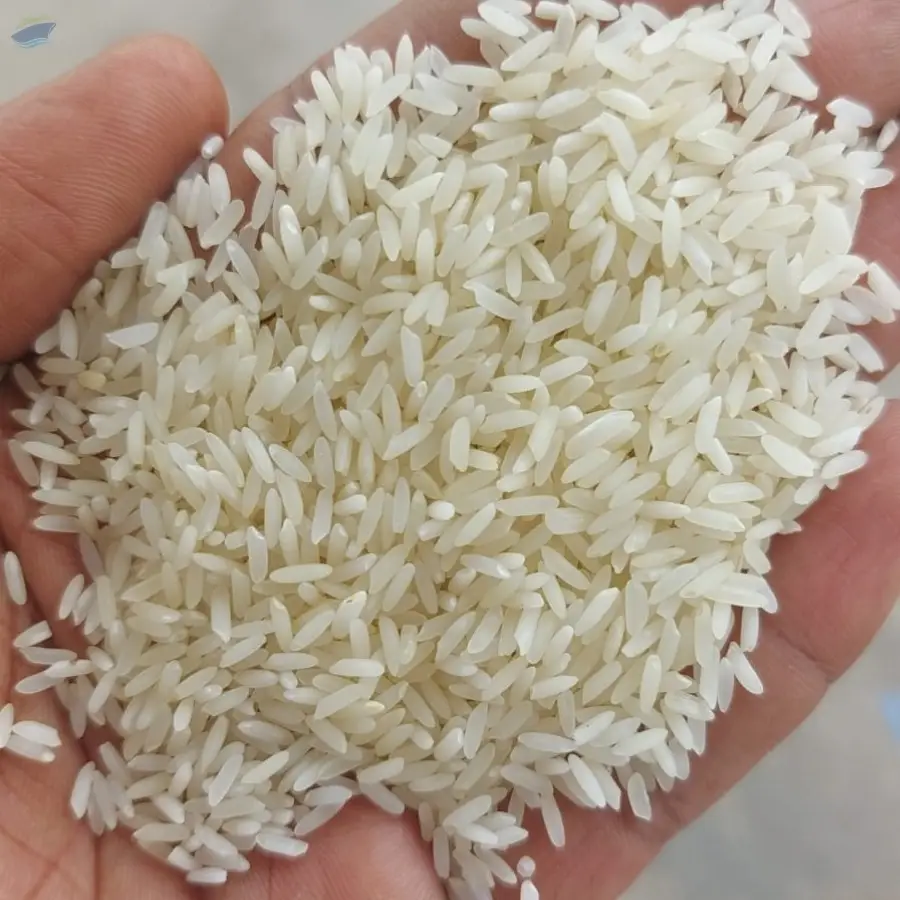
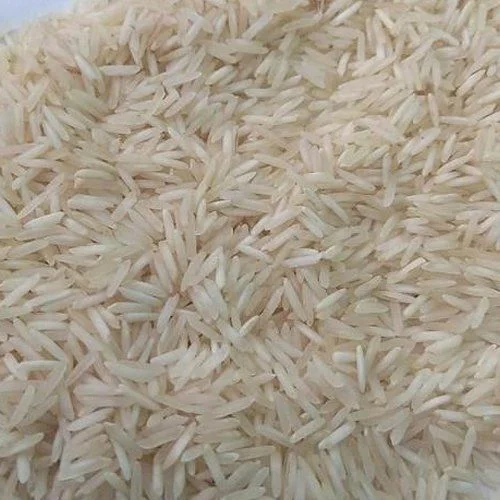
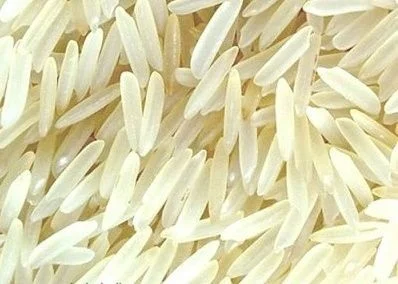
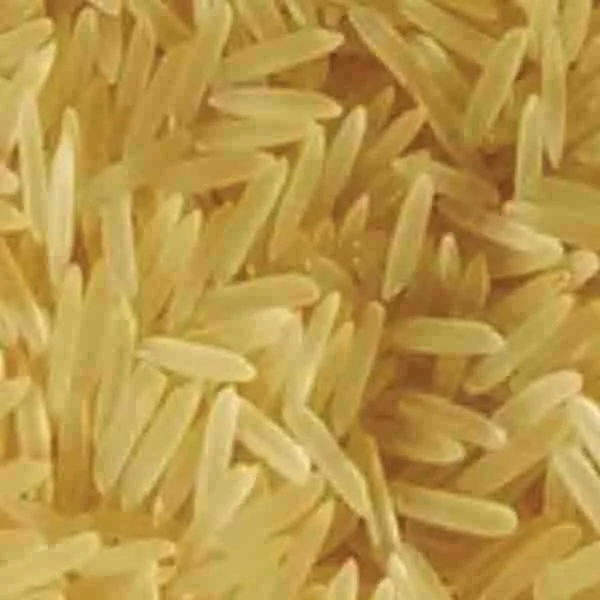
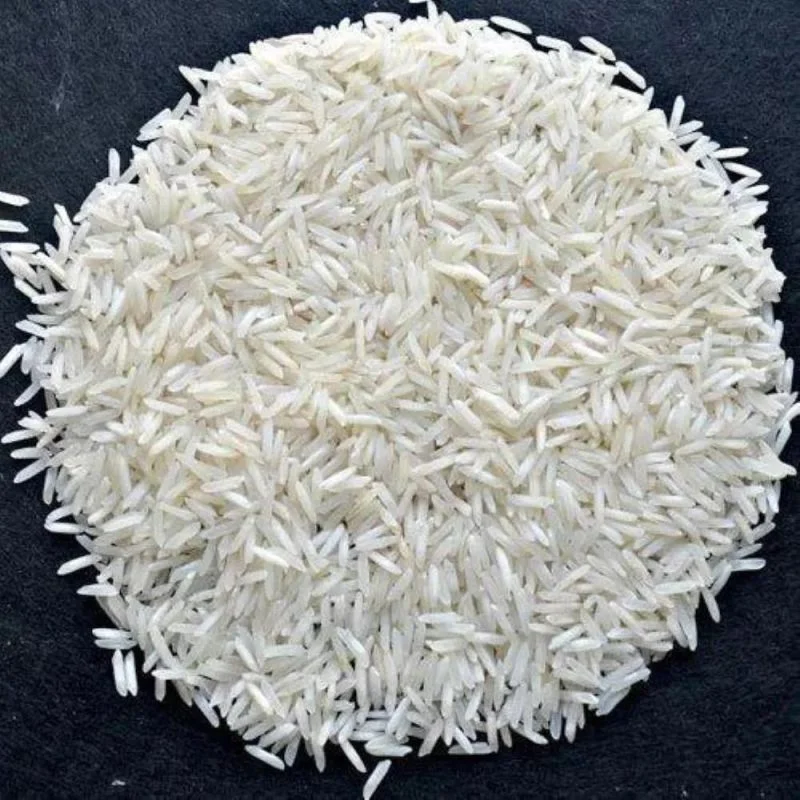
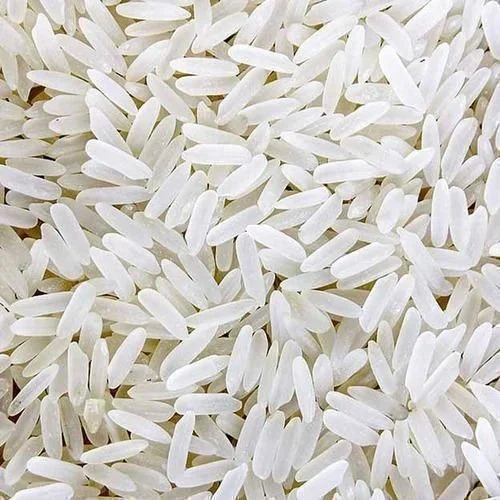
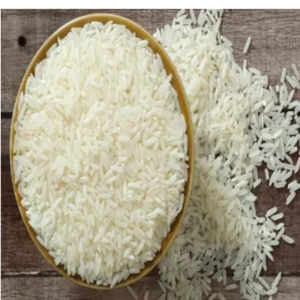
GLOBAL FOODS is based in Dubai, United Arab Emirates and lists seven active rice products in its catalogue. The supplier’s current catalogue includes Basmati rice, Irri-9 rice, Irri-6 rice, Pk 386 rice, 1121 white rice, 1121 sella rice, and D-98 basmati rice. All items fall under the broader rice category, which is classified under HS chapter 10 for cereal grains. The product list reflects a focus on long‑grain aromatic varieties and standard milled rice types. The supplier is recorded as an imported tier with a harbor trust rating.
The catalogue does not provide individual HS codes, but the rice family generally uses HS code 1006 for milled rice and 1006.30 for basmati. The seven entries cover both aromatic basmati and non‑aromatic varieties, with designations such as “white”, “sella”, and numbered cultivars that are common in South Asian trade. The supplier mentions capacity to supply globally, indicating readiness for international logistics. No additional product categories beyond rice are listed in the active catalogue. The description aligns with the supplier’s stated focus on foodstuff.
Product Range and Specialties of GLOBAL FOODS
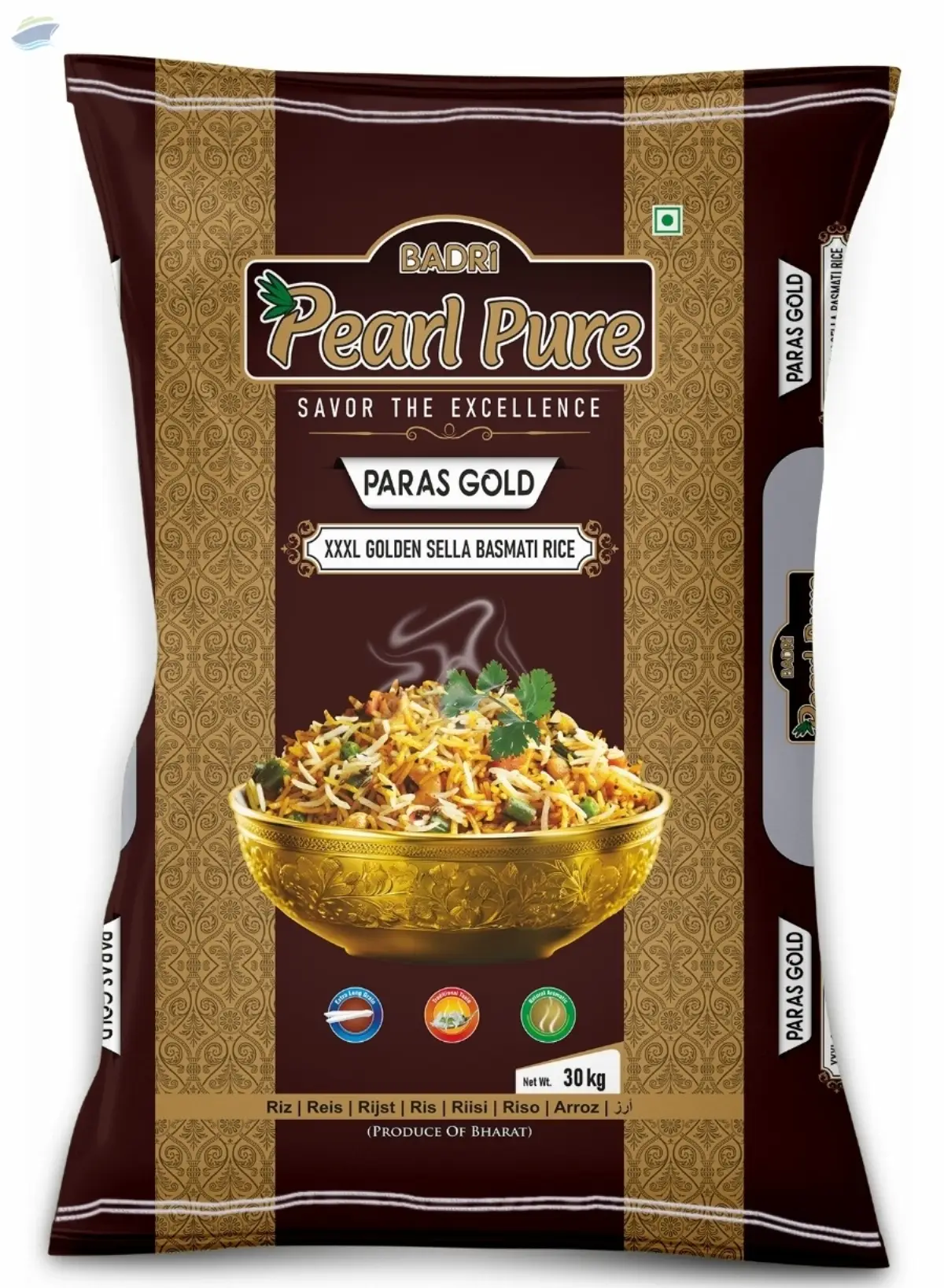
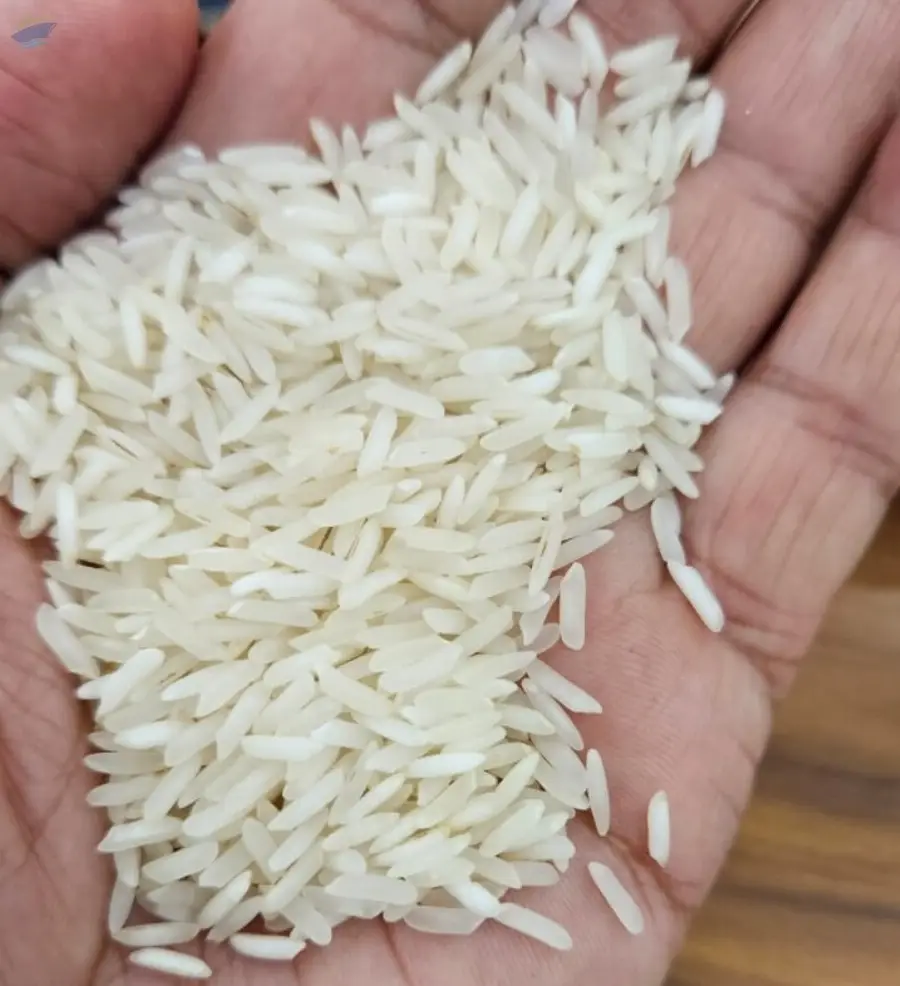
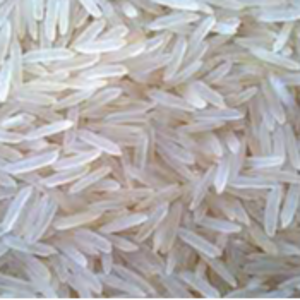
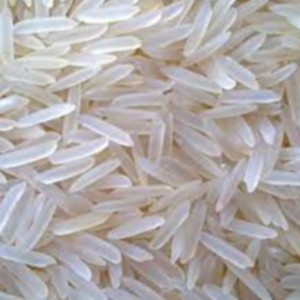
GLOBAL FOODS lists seven rice varieties: Basmati, Irri‑9, Irri‑6, Pk 386, 1121 white, 1121 sella and D‑98 basmati. In international trade, basmati rice is typically graded by kernel length (long‑grain >6 mm), aroma intensity, moisture content (12‑14 % standard) and broken kernel percentage (usually <5 %). Non‑aromatic milled rice such as Irri‑9 and Irri‑6 is often classified by milling degree (white vs. sella) and husk removal rate. Buyers usually receive rice in 25 kg polypropylene bags, and bulk shipments are loaded in 20‑ft or 40‑ft containers. The product mix reflects common export‑ready specifications for South Asian and Middle Eastern markets.
Trade and Export Information - GLOBAL FOODS
Rice exports from the United Arab Emirates are routed primarily to the Middle East, North Africa, East Africa and parts of South Asia where demand for both aromatic and standard milled rice remains strong. The HS‑10 chapter (particularly 1006.30 for basmati and 1006.90 for other milled rice) is subject to customs inspections that verify moisture, pesticide residues and origin certificates. Importers frequently require food safety certifications such as ISO 22000, HACCP, and, where applicable, Halal certification for the region. Standard packaging involves 25 kg bags sealed with moisture‑proof liners, stacked on pallets for container loading; common Incoterms include FOB Dubai Port or CIF to destination ports. Exporters from the UAE benefit from well‑developed cold‑chain logistics and proximity to major shipping lanes in the Persian Gulf.
Sourcing from GLOBAL FOODS - Buyer Guidance
When sourcing rice from GLOBAL FOODS, buyers should request a Certificate of Analysis that details moisture level, broken grain percentage, foreign matter and pesticide residue limits. Verify that the shipment complies with the buyer’s target HS code (e.g., 1006.30 for basmati) and that any required certifications - ISO 22000, HACCP or Halal - are presented before loading. Confirm packaging details such as 25 kg polypropylene bags, pallet configuration and container loading plan to ensure compatibility with the buyer’s warehousing. Sample requests should specify the same grade (e.g., long‑grain basmati, ICUMSA‑type moisture) to validate quality before final order confirmation.
Frequently Asked Questions About GLOBAL FOODS
What rice varieties does GLOBAL FOODS list in its catalogue?
The catalogue includes Basmati rice, Irri‑9 rice, Irri‑6 rice, Pk 386 rice, 1121 white rice, 1121 sella rice and D‑98 basmati rice, totalling seven active products.
Which HS codes are typically applied to the rice products offered by GLOBAL FOODS?
In international trade, milled rice generally falls under HS chapter 10, with 1006.30 used for basmati varieties and 1006.90 for other milled rice types.
What quality parameters should a buyer verify for these rice products?
Buyers usually check moisture content (12‑14 %), broken grain rate (under 5 %), kernel length for basmati (over 6 mm), aroma level and absence of pesticide residues.
Are there standard certifications that buyers should request from GLOBAL FOODS?
Typical certifications for rice imports include ISO 22000, HACCP and, where required, Halal certification; these should be confirmed before shipment.
How is the rice from GLOBAL FOODS packaged for export?
The standard export packaging is 25 kg polypropylene bags, sealed against moisture, placed on pallets and loaded into 20‑ft or 40‑ft containers.
What Incoterms are commonly used for shipping rice from the UAE?
Exporters from Dubai often use FOB Dubai Port or CIF to the buyer’s destination port, depending on the contractual agreement.
What documentation is recommended to request before placing an order?
Request a Certificate of Analysis, the relevant HS code declaration, and copies of any food safety or Halal certificates to confirm compliance.
What are typical lead times and minimum order quantities for rice shipments?
Lead times usually range from 3 to 6 weeks after order confirmation, and minimum order quantities are often set at one 20‑ft container (approximately 20‑22 metric tonnes) unless otherwise negotiated.





 , United Arab Emirates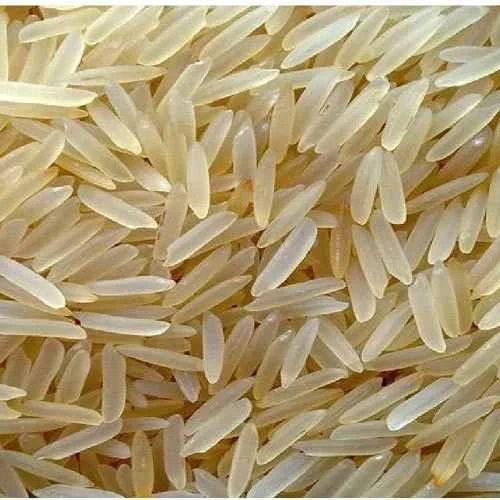
.jpg.png)