Genc Dokum — Verified Supplier
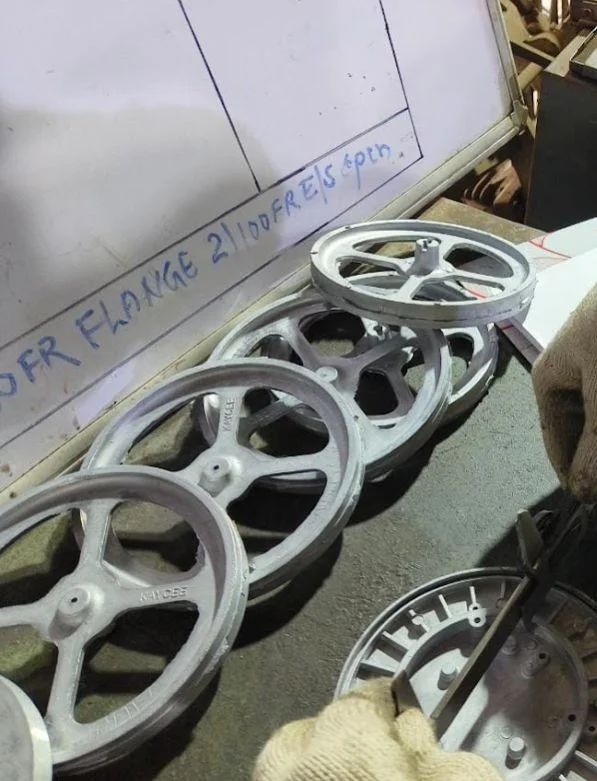
About Genc Dokum - Iron Castings Supplier in Turkey
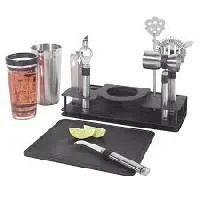
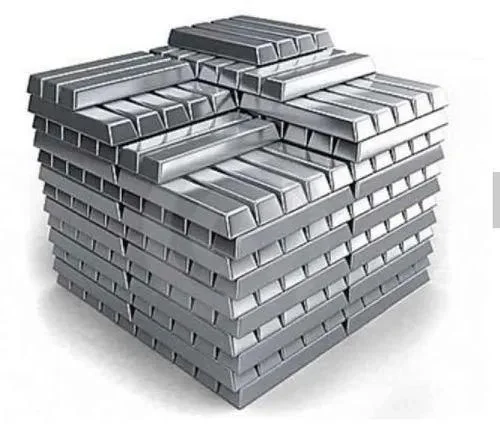
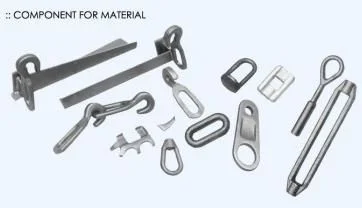
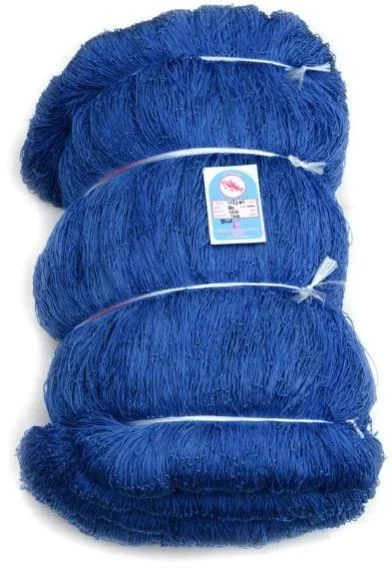
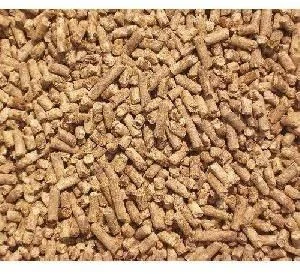
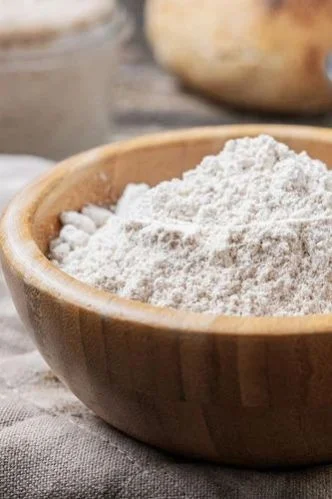
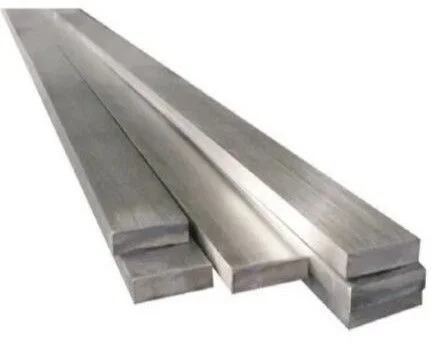
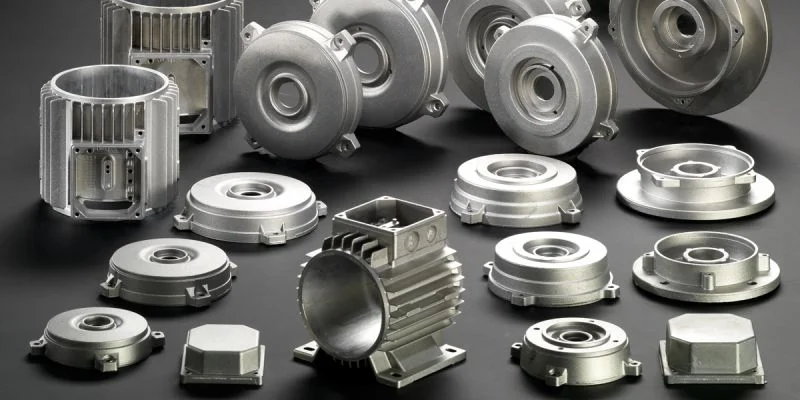
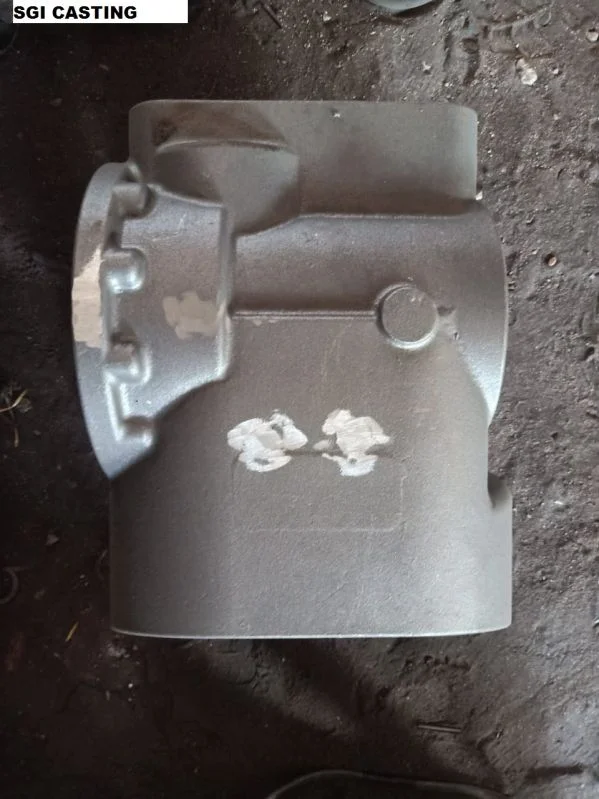
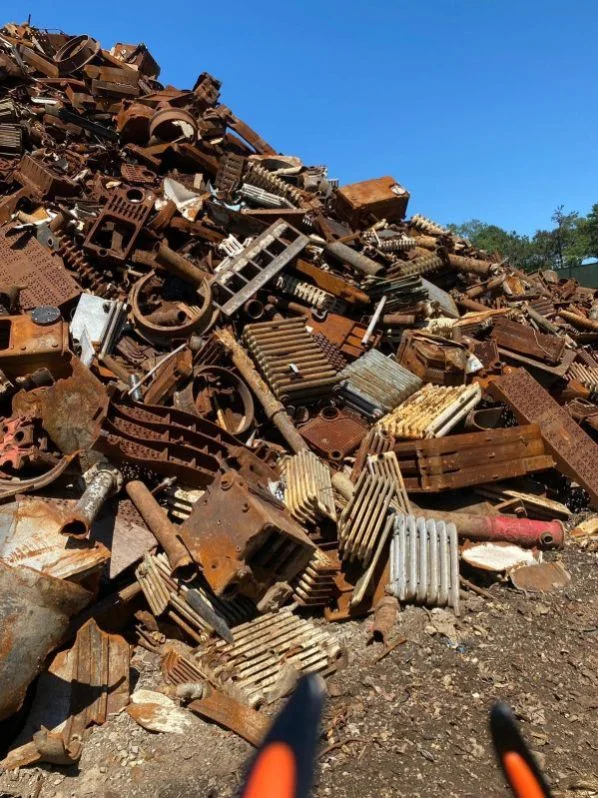
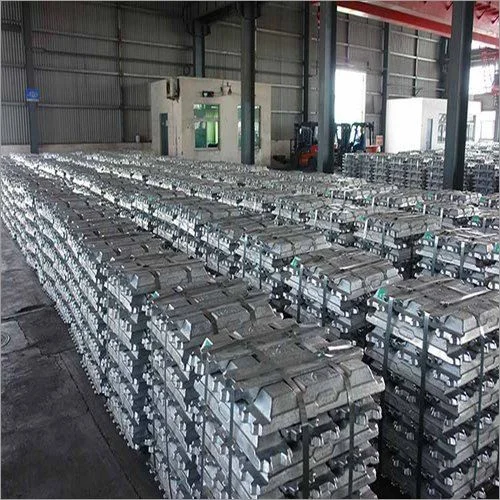
Genc Dokum is based in Turkey and currently lists twelve distinct product lines in its catalogue. The company's portfolio spans metal castings such as iron and zinc products, a range of fishing and agricultural nets, various rope and twine offerings, and several food‑related items including noodles, pasta, flour and fat‑filled milk powder. Additional categories include shipping machinery and spare parts, animal food, and cookware sets. The metal segment features iron castings, zinc ingots and a mixed metal casting line covering steel, bronze, zinc and aluminium. The non‑metal segment also includes bentonite cat litter for pet care. All products are presented under the supplier’s “harbor” trust tier on the platform.
Product Range and Specialties of Genc Dokum
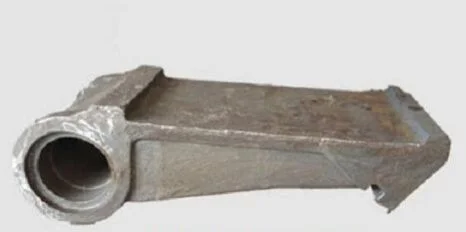
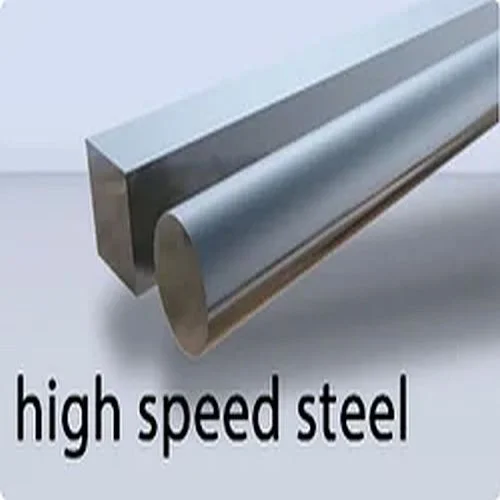
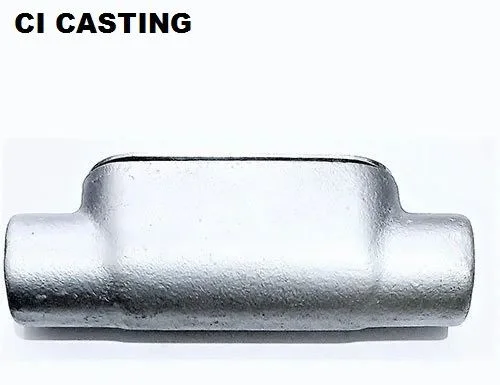
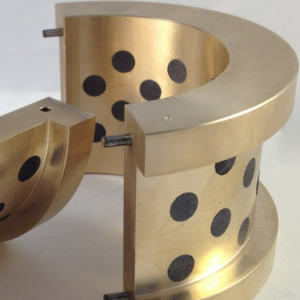
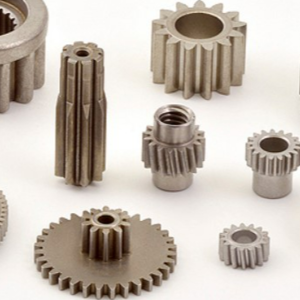
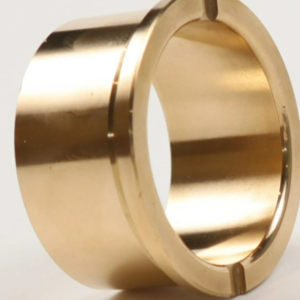
The iron casting line is classified under HS chapter 73 with code 7325.10 and includes gray and ductile cast iron components. Mixed metal castings are listed with HS code 7901.11 and specify high‑purity zinc (99.995 % Z1) as the base material. Investment castings use HS code 8480.41 and may be produced from stainless steels 304/316, carbon steel or alloy steel depending on the part. Structural steel reinforcement items such as deformed rebar and screw‑threaded bars fall under HS code 7214.20 and are supplied in carbon‑steel grades HRB400/HRB500. Food products such as spaghetti, macaroni, pizza dough, flour and fat‑filled milk powder are listed without HS codes in the supplied data but generally correspond to HS chapters 19 and 21. The catalogue also mentions cookware sets, ropes, safety nets and ship building services, which are not assigned HS codes in the provided facts.
Typical specifications for the metal items follow industry norms: gray cast iron usually has a tensile strength of 150‑300 MPa, while ductile cast iron reaches 350‑500 MPa; zinc ingots of Z1 grade meet ASTM B39 purity requirements; rebar grades HRB400 and HRB500 provide yield strengths of 400 MPa and 500 MPa respectively. Investment castings are commonly produced to ISO 2768‑m dimensional tolerances and surface finishes of 0.8 µm Ra. Ropes are typically polypropylene or nylon with breaking loads from 2 kN to 30 kN and diameters between 6 mm and 25 mm. Fishing and safety nets are woven from polyethylene or nylon with mesh sizes ranging 10 mm‑100 mm and are UV‑treated. Food products follow standard specifications: pasta is produced in lengths of 250‑300 mm with moisture ≤12 %, flour ash content ≤0.6 % and fat‑filled milk powder contains ≥30 % milk fat. Cookware sets are often stainless steel (304) or aluminum alloy with heat‑conductivity ≥200 W/m·K.
Trade and Export Information - Genc Dokum
Turkey exports metal castings to the European Union, the Middle East and North Africa, with HS codes 73, 79, 84 and 72 forming the primary tariff categories. Buyers typically require compliance with ISO 9001 quality management, CE marking for mechanical parts and, where applicable, ASTM or EN standards for material grades. Shipping machinery and spare parts are similarly classified under HS 84 and are subject to IEC safety certifications for equipment. Food items such as pasta, flour and milk powder are regulated by Turkish Ministry of Agriculture and Forestry health certificates, ISO 22000 or HACCP compliance, and must meet EU import sanitary requirements. Standard packaging includes 20‑ft or 40‑ft containers, wooden pallets for metal parts, and bulk or polypropylene bags for dry foods; moisture‑barrier liners are common for powders. Common Incoterms used by Turkish exporters are FOB Istanbul Port and CIF to the buyer’s destination, with freight forwarding handled by major Mediterranean carriers.
Sourcing from Genc Dokum - Buyer Guidance
When sourcing metal castings from Genc Dokum, request mill test reports (MTR) that detail chemical composition, tensile strength and hardness values, as well as certificates confirming ISO 9001 or relevant ASTM/EN standards. For rebar and structural steel, ask for compliance documentation to EN 1992‑1‑1 (Eurocode 2) and a certificate of conformity to HRB400/HRB500 grades. Food buyers should obtain a Certificate of Analysis, a HACCP or ISO 22000 audit report, and a health certificate issued by Turkish authorities before shipment. Verify rope and net specifications by requesting breaking load test certificates, mesh size diagrams and UV‑resistance treatment records. Confirm packaging details - container type, pallet dimensions, moisture barrier liners - and ensure that the HS codes on the commercial invoice match those listed in the catalogue. Finally, clarify the Incoterm (FOB or CIF) and ask for a pre‑shipment inspection report to validate quantity and quality before loading.
Frequently Asked Questions About Genc Dokum
What metal grades are available for the casting iron products?
Genc Dokum lists gray cast iron and ductile cast iron; gray cast iron typically provides tensile strength of 150‑300 MPa, while ductile cast iron offers 350‑500 MPa with higher elongation.
Which standards apply to the zinc ingot and mixed metal casting lines?
The zinc ingots are described as high‑purity Z1 (99.995 % Zn) and usually meet ISO 9001 quality management and ASTM B39 specifications. Mixed metal castings under HS 7901.11 are commonly produced to ASTM A36 for steel, ASTM B26 for bronze and ISO 6361 for aluminium.
How can I verify the material composition of the investment castings?
Request a material test report showing the chemical analysis for stainless steel 304/316, carbon or alloy steel, together with dimensional tolerance sheets that follow ISO 2768‑m.
What are the typical specifications for the ropes and fishing nets?
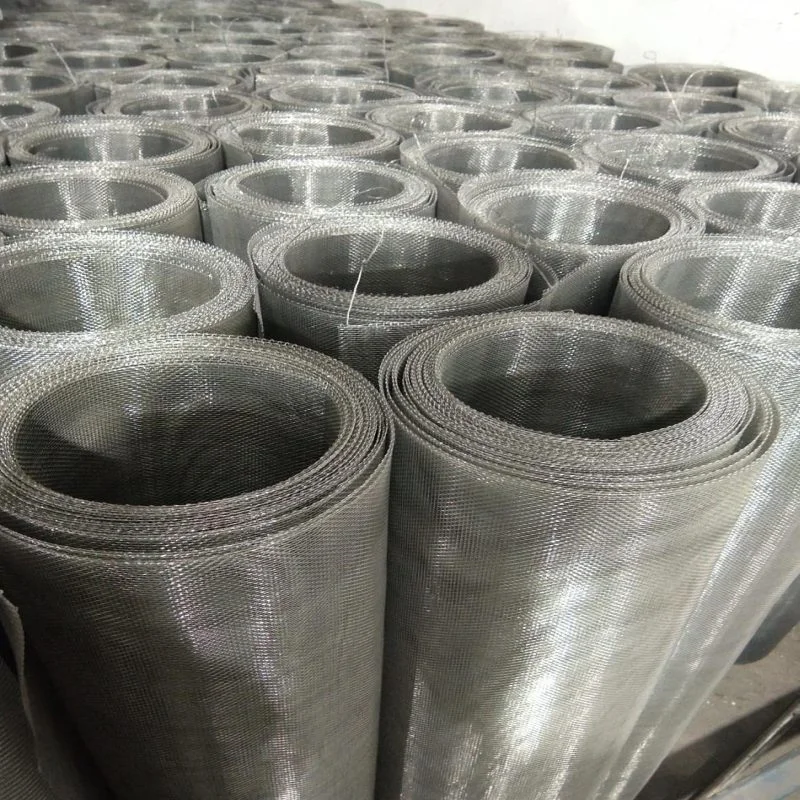
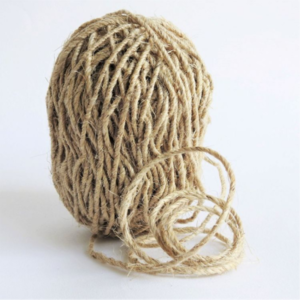
Ropes are generally supplied in polypropylene or nylon with breaking loads ranging from 2 kN to 30 kN, diameters 6 mm‑25 mm and are palletised on wooden frames. Fishing nets are woven from polyethylene or nylon, feature mesh sizes 10 mm‑100 mm and receive UV‑resistant treatment.
Which certifications should I request for the food products such as spaghetti and fat‑filled milk powder?
Buyers normally request a Certificate of Analysis, HACCP compliance and ISO 22000 or an equivalent food‑safety certification, along with a health certificate from Turkish authorities for export.
What packaging and container sizes are used for the bulk food items?
Dry food items like flour, pasta and milk powder are typically packed in 25 kg polypropylene bags or 1 ton bulk bags, loaded into standard 20‑ft or 40‑ft containers with moisture‑barrier liners.
What are the standard Incoterms used for shipping the metal castings?
Export shipments from Turkey commonly use FOB (Istanbul Port) or CIF to the buyer’s destination, with cargo secured in wooden crates or steel drums according to the relevant HS code requirements.




 , Turkey