Agriculture›
 Apparel and fashion accessories›
 Construction & real estate›💡Electronic & Electrical›🍎Food & Beverages›🛋️Home furnishing & supplies›⚗️Industrial goods & chemical›🪨Minerals & metals›📦Miscellaneous›Agriculture›Apparel and fashion accessories›Construction & real estate›💡Electronic & Electrical›🍎Food & Beverages›🛋️Home furnishing & supplies›⚗️Industrial goods & chemical›🪨Minerals & metals›📦Miscellaneous›
Gaomi Shengbaote Cotton Machinery Co., Ltd.
⚓ Harbor , ChinaNew supplier / no reviews yet
Gaomi Shengbaote Cotton Machinery Co., Ltd. Product Catalog

About Gaomi Shengbaote Cotton Machinery Co., Ltd. - Textile Machinery & Equipments Supplier in China
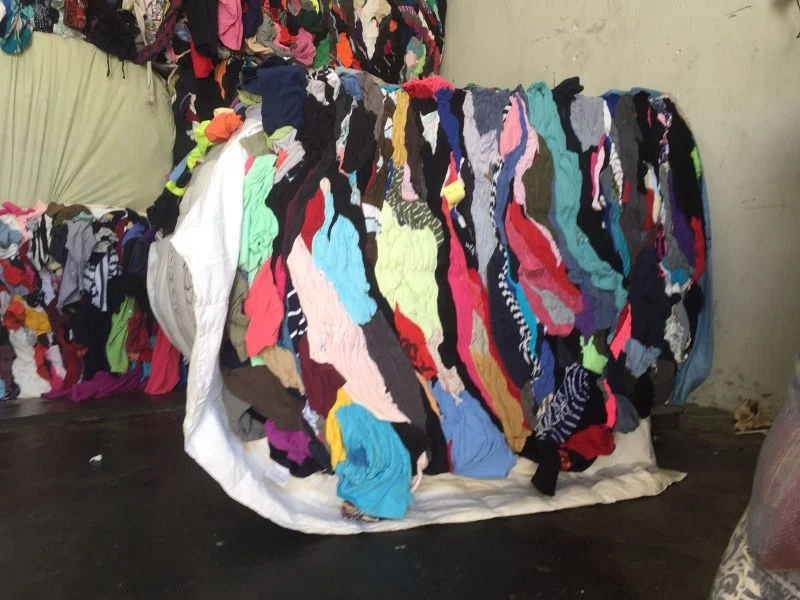
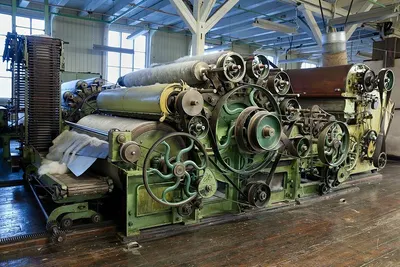
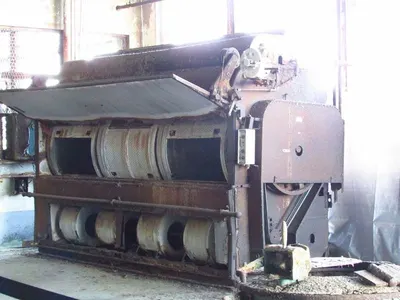
China‑based Gaomi Shengbaote Cotton Machinery Co., Ltd. lists ten distinct products in its catalogue, covering both textile machinery and broader industrial equipment. The portfolio includes cotton waste recycling machines, textile waste recycling lines, opening rollers, baling machines for raw cotton, and cutting machines, each identified by model numbers such as GM400, GM250, SBT600 and SBT 350. All items fall under the general HS chapter 84 machinery classification used for textile processing equipment. The supplier’s catalogue emphasizes equipment designed for the cotton and textile waste streams, offering both automatic and manual configurations.
The listed machines target the secondary processing stage of cotton production, where waste fibers are reclaimed and bales are compacted for transport. Product titles such as “Four Roller Textile Waste Recycling Machine” and “Automatic Baling Machine For Raw Cotton” indicate specific functional modules, while the inclusion of both six‑roller and four‑roller variants reflects differing capacity levels. By providing a range of equipment from cutting to baling, the company addresses multiple steps in the textile recycling workflow, allowing buyers to assemble complete lines or select individual units as needed.
Product Range and Specialties of Gaomi Shengbaote Cotton Machinery Co., Ltd.
Gaomi Shengbaote’s catalogue includes the GM400 and GM250 cotton waste recycling machines, which in industry are typically rated for 5 - 30 kW motor power and process 200 - 800 kg of waste per hour depending on feed size. Four‑roller and six‑roller configurations affect the opening efficiency, with six‑roller models often achieving finer fiber separation and lower residual waste. The SBT600 four‑feed roller opening machine is commonly used to open raw cotton bales, featuring adjustable roller gaps and a typical bale capacity of 250 kg. Automatic baling machines for raw cotton generally produce bales weighing between 150 and 250 kg, equipped with hydraulic presses and steel frames, while manual balers handle smaller batches up to 100 kg. Cutting machines such as the SBT 350 are specified by blade speed (up to 3 m s⁻¹) and can cut fabric or fiber webs to lengths of 10 - 200 mm, a standard range in textile finishing lines.
Frequently Asked Questions About Gaomi Shengbaote Cotton Machinery Co., Ltd.
What types of cotton waste recycling machines does Gaomi Shengbaote offer?
The catalogue lists the GM400 and GM250 cotton waste recycling machines, as well as a four‑roller textile waste recycling unit and a six‑roller variant. Each model is designed to reclaim fiber from off‑cuts and lower‑grade bales, with capacities ranging from 200 kg to 800 kg per hour depending on configuration.
Are the baling machines suitable for raw cotton bales?
Yes. The supplier provides both automatic and manual baling machines specifically labeled for raw cotton, with automatic models capable of forming bales up to 250 kg and manual models handling up to 100 kg per bale. Hydraulic pressure and bale density specifications are included in the technical sheet.
Which certifications should I request before purchasing?
Buyers typically request a CE conformity certificate, an ISO 9001 quality management system audit, and a third‑party inspection report (e.g., SGS) for each machine. These documents verify compliance with safety, environmental and performance standards common in textile equipment trade.
What is the typical lead time for these machines?
Lead times for Chinese textile machinery usually range from 30 to 60 days after order confirmation, depending on the model’s complexity and any required customizations such as voltage adaptation or optional accessories.
How are the machines packaged for export?
Machines are crated on steel‑reinforced pallets, wrapped with protective film, and loaded into 20‑ft or 40‑ft containers. The packaging meets international freight standards and includes moisture‑absorbing packs for sensitive electronic controls.
ChinaRelated Suppliers & Products
Explore similar suppliers, related products and trending categories