Freelancer — Verified Supplier
About Freelancer - Raw Leather and Handicraft Supplier in United Arab Emirates
Freelancer is a UAE-based supplier operating from the United Arab Emirates with an active catalogue of 5 listings spanning raw hides and skins, decorative glassware, seaweed biomass, and finished and unfinished handicraft items. The catalogue is anchored by a raw leather line, which sits within HS chapter 41 (raw hides and skins, other than furskins), and is complemented by silver-plated wine and beer glassware (HS chapter 71 articles of precious metal, or more commonly HS 7013 glassware), dried Eucheuma cottoni seaweed (HS chapter 12 or 1212 for seaweed classified as a raw natural product), and two handicraft lines covering both finished artisan goods and their raw material inputs. This mix places the supplier at the intersection of three distinct commodity streams that converge through UAE re-export channels: animal by-products, marine algae, and artisan craft materials. The United Arab Emirates functions as a regional trade hub linking South Asian leather tanneries, Indian Ocean seaweed harvests, and Asian craft production with buyers across the GCC, Africa, and Europe. Freelancer's 5 active listings reflect the kind of multi-line, opportunistic sourcing profile typical of smaller UAE trading operations that consolidate goods from multiple origins rather than manufacturing them. Buyers reviewing this catalogue should treat each line as a separate sourcing proposition with its own grade conventions, documentation requirements, and inspection norms, rather than as a single integrated product family.
Product Range and Specialties of Freelancer
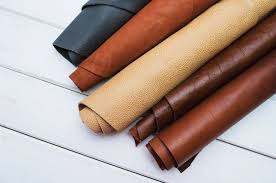
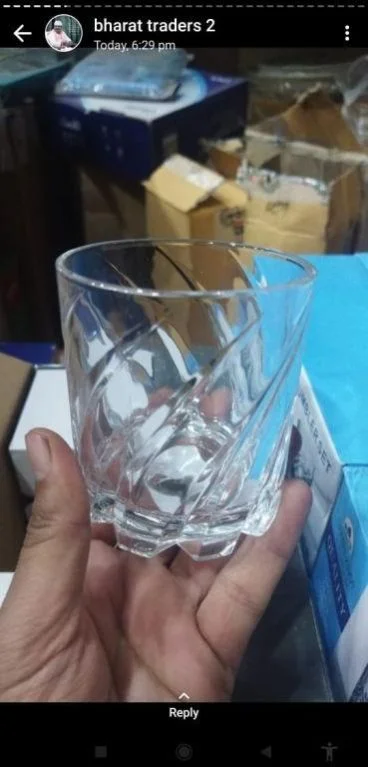
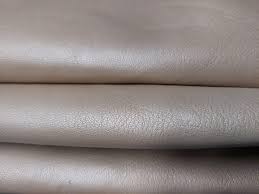
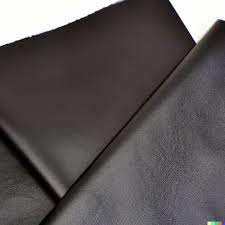
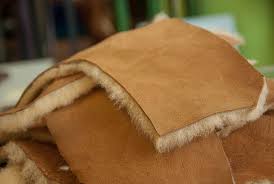
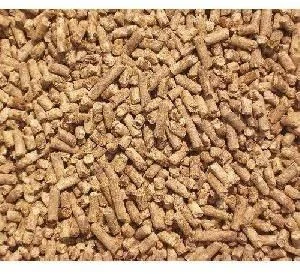
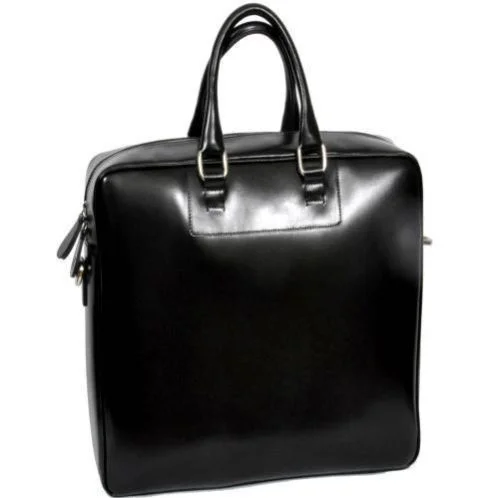
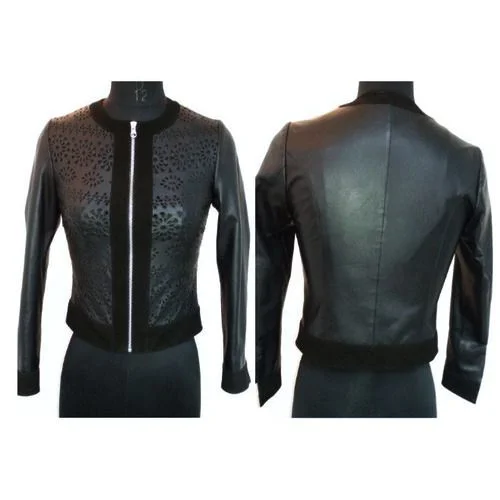
The raw leather listing covers unprocessed or minimally processed hides and skins, which in international trade are typically traded by type (bovine, ovine, caprine, buffalo), by preservation state (wet-salted, dry-salted, fresh, or limed), and by selection grade. Buyers in this segment normally request specification sheets covering trim, substance (thickness in mm), area in square feet, and the absence of defects such as flay cuts, brand marks, and parasite damage; common wet-blue and crust grades follow tannery-specific grading rather than a single universal standard. Finished leather goods for upholstery, footwear linings, and garments typically require additional parameters such as tensile strength (N/mm²), elongation at break, and colour fastness to light and rubbing, but these apply downstream of the raw material stage. The silver wine and beer glasses line refers to silver-plated or silver-decorated hollowware that falls within tableware categories and is typically specified by base material (glass, crystal, or stainless steel substrate), silver-plating thickness in microns, and the applicable silver standard (commonly 90/1000, 925/1000 sterling, or 1000/1000 fine silver on decorative layers). Eucheuma cottoni is a red algae cultivated primarily in Indonesian and Philippine waters and traded as a dried raw material for carrageenan extraction; commercial lots are typically specified by moisture content (target below 12%), impurity levels (sand, salt, epiphytes), and visual grade (A, B, or C based on colour and cleanliness). The handicraft and handicraft raw materials listings cover artisan finished goods and their inputs, which span wood, textile fibres, metalwork components, natural dyes, and decorative inlays depending on the specific craft tradition being supplied.
Trade and Export Information - Freelancer
UAE-based re-exporters of raw leather typically serve tanneries in South Asia (Pakistan, India, Bangladesh), the Levant, and East Africa, where wet-salted and dry-salted hides are processed into crust and finished leather for footwear, leather goods, and upholstery. Raw hides and skins under HS chapter 41 generally require veterinary or sanitary documentation confirming origin and animal health status, and many importing jurisdictions require fumigation, container disinfection, or treatment certificates. Seaweed shipments of Eucheuma cottoni destined for carrageenan processors in China, Europe, and the United States typically move under HS 1212.21 (seaweed and other algae, fresh, chilled, dried or powdered, fit for human consumption) or related subheadings, and buyers usually request certificates of analysis covering moisture, ash, and carrageenan yield potential. Silver-plated glassware and handicraft exports from the UAE generally flow to GCC domestic markets, East Africa, and to a lesser extent European and North American specialty retail channels, often through Jebel Ali or Sharjah air and sea freight. For silver-plated items, buyers in regulated markets typically request confirmation of plating thickness, base-material declarations, and compliance with destination-country metal-content and food-contact standards (where the items are used as drinkware). Handicraft shipments commonly require CITES permits if any component contains protected wood species, reptile leather, or other regulated natural materials, and fumigation certificates remain standard for wood-based crafts entering many markets. Standard Incoterms used in these trades include FOB for containerized dry goods, CIF for buyers who prefer the seller to arrange sea freight and marine insurance, and EXW where the buyer takes possession at the UAE warehouse.
Sourcing from Freelancer - Buyer Guidance
When sourcing raw leather from a UAE trader, buyers should request the species, preservation method, average area per hide in square feet, substance range, and grade selection, along with photographs of representative lots and, where possible, third-party inspection reports from SGS, Bureau Veritas, or Intertek. For Eucheuma cottoni, the moisture content, impurity percentage, harvest origin, and intended end-use (food grade vs. carrageenan extraction grade) should be confirmed in writing, and a representative pre-shipment sample is standard practice given the variability between harvest seasons and farming sites. Silver-plated glassware buyers should ask for the base-material composition, plating thickness in microns, applicable silver standard, and any food-contact compliance documentation required by the destination market. Across all five catalogue lines, buyers should verify the supplier's ability to provide the specific export documents required by the destination country: a commercial invoice, packing list, certificate of origin (often requested under the GCC or other preferential frameworks), and any sanitary, phytosanitary, or CITES documentation relevant to the product. Because Freelancer holds a harbor trust tier, buyers should treat the initial enquiry as a starting point for qualification rather than as a confirmed commercial relationship, and should expect to perform their own due diligence on product specifications, sample evaluation, and shipment history before issuing a purchase order. Container-load quantities for raw leather are commonly quoted per 20 ft FCL, while seaweed and handicrafts are typically priced per kilogram or per piece with consolidation into mixed containers depending on volume.
Frequently Asked Questions About Freelancer
What product categories does Freelancer supply?
Freelancer lists 5 active products covering raw leather, silver wine and beer glasses, Eucheuma cottoni seaweed, finished handicrafts, and raw materials for handicrafts. Each line is sourced and specified separately, so buyers should treat them as independent sourcing propositions rather than a bundled product range.
Which HS code applies to the raw leather listing?
Raw hides and skins fall under HS chapter 41, with subheadings depending on animal type and preservation state (for example, 4101 for raw bovine hides and 4102 for raw ovine or caprine skins). Buyers should confirm the exact subheading with the supplier based on the specific species and preservation method offered.
What specifications should I request for Eucheuma cottoni?
Request moisture content (typically below 12% for stable storage), impurity levels including sand and salt, harvest origin, and visual grade (commonly A, B, or C based on colour and cleanliness). A pre-shipment sample and certificate of analysis from an independent lab are standard practice for this commodity.
Which documents should I ask for when ordering silver-plated glassware?
Ask for the base-material composition, silver-plating thickness in microns, applicable silver standard (such as 925/1000 sterling or a lower decorative plating), and any food-contact compliance documentation required by the destination market. A sample for plating durability testing is recommended before confirming a bulk order.
What certifications are typically required for UAE-origin handicraft exports?
Handicraft shipments containing wood, reptile leather, or other regulated natural materials often require CITES permits, and wood-based items commonly need fumigation certificates for entry into many destination markets. Buyers should confirm the exact material composition with the supplier to determine which permits apply.
What is the typical minimum order quantity for raw leather from a UAE trader?
Raw leather is commonly traded by container, with a 20 ft FCL being a standard reference unit, though some UAE traders will consolidate mixed-species or mixed-grade lots for smaller buyers. The supplier should be asked to confirm the specific MOQ in hides or kilograms per shipment.
Which Incoterms are standard for these product lines?
FOB UAE port and CIF destination port are the most common Incoterms for containerized raw leather, seaweed, and handicraft shipments, while EXW is often used for smaller handicraft orders picked up at the supplier's warehouse. The choice depends on whether the buyer or seller arranges sea freight, insurance, and export clearance.
How should I verify Freelancer before placing a first order?
Request samples for each product line, ask for references or recent shipment documentation, and confirm the supplier's ability to issue the commercial invoice, packing list, certificate of origin, and any product-specific sanitary or phytosanitary certificates required by the destination country. Independent third-party inspection at origin is advisable for a first shipment given the harbor trust tier.




 , United Arab Emirates