Foshan Nanhai Maifeng Food Machinery Co., Ltd. — Verified Supplier
About Foshan Nanhai Maifeng Food Machinery Co., Ltd. - Food Machinery Supplier in China
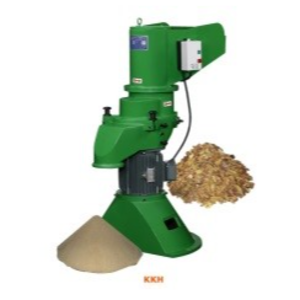
Foshan Nanhai Maifeng Food Machinery Co., Ltd. is based in China and currently lists eight active products in its catalogue. The company’s offerings fall under the broader categories of food processing equipment and hotel‑restaurant machinery, with items such as stand food blender, dough kneading machines, electric food mixers, coffee pulpers and various dough mixers. Three of the dough‑mixing machines are classified under HS code 8438.10, which covers machinery for mixing, kneading or processing dough and pastry products. The catalogue includes both stainless‑steel and carbon‑steel constructions, indicating a focus on durable food‑grade materials. No additional product specifications such as capacity or power are provided in the source data.
The listed mixers feature stainless‑steel 304 bowls and housings, while the supporting frames are made of carbon steel, a common combination for hygienic food‑processing equipment. The coffee pulper and stand blender are described without material details, but they are typically supplied in food‑grade stainless steel to meet hygiene standards. All eight items are positioned for use in commercial kitchens, bakeries and small‑scale food production lines. The company’s catalogue does not mention any certifications held, so buyers should verify compliance with relevant standards before purchase.
Product Range and Specialties of Foshan Nanhai Maifeng Food Machinery Co., Ltd.
Foshan Nanhai Maifeng’s catalogue comprises eight distinct machines: Stand Food Blender B20, Dough Kneading Machine HS20, Electric Food Mixer B40, Coffee Pulper BP120, Meat Mixer TZ5, Mixer for Dough HS260, Mixer Pizza Dough HS100 and Bread Dough Mixer HS40. The three mixers identified with HS code 8438.10 are built with stainless‑steel 304 bowls, a material that meets FDA and EU food‑contact regulations, and carbon‑steel frames for structural strength. In the food‑machinery sector, mixers of this class are commonly offered in capacities ranging from 20 L to 200 L and with motor powers between 0.5 kW and 5 kW, though exact figures are not disclosed for this supplier.
In the broader market, dough mixers are graded by output capacity (kg per batch) and by compliance with standards such as IEC 60204 for electrical safety and ISO 22000 for food safety management. Coffee pulpers used in commercial cafés typically require a minimum extraction efficiency of 85 % and are often tested for stainless‑steel corrosion resistance (ASTM A240). Buyers of bakery‑equipment frequently request certification that the surface finish meets a roughness (Ra) of 0.8 µm or better to ensure easy cleaning. These industry benchmarks help buyers compare the supplier’s offerings with standard specifications.
Trade and Export Information - Foshan Nanhai Maifeng Food Machinery Co., Ltd.
Food‑processing machinery exported from China, especially mixers and blenders, is commonly shipped to Southeast Asian, Middle Eastern and European markets where commercial bakery and café sectors are expanding. HS chapter 84, sub‑heading 8438.10, is routinely inspected by customs for compliance with safety and electromagnetic compatibility regulations, and shipments are often required to be accompanied by a CE Declaration of Conformity or an equivalent test report. Container loading for these medium‑size machines typically uses 20‑ft containers with pallets, each pallet holding up to four units depending on weight and dimensions.
Buyers usually request product documentation such as a factory test certificate, material certification (e.g., SS304 certification), and an ISO 9001 quality‑management audit report, even if the exporter does not list these certifications. Packing standards involve wooden crates or steel frames with moisture‑resistant liners to protect stainless‑steel surfaces during sea freight. Common Incoterms for Chinese food‑machinery exporters are FOB Shanghai or CIF destination port, allowing buyers to arrange onward inland transport.
Sourcing from Foshan Nanhai Maifeng Food Machinery Co., Ltd. - Buyer Guidance
Prospective buyers should ask the supplier for detailed technical data sheets that list motor power, voltage, frequency, capacity (kg per batch) and dimensions for each mixer model. Requesting a sample of the stainless‑steel 304 material or a photographic inspection of weld quality can help verify compliance with food‑grade requirements. Verification of CE or FDA compliance, along with a recent factory audit report, is advisable before signing a purchase order.
MOQ for these types of machinery is typically one unit per model, but lead times can range from 30 to 60 days depending on production scheduling and any required customization such as voltage adaptation. Buyers should confirm packaging details, including crate dimensions and whether the machines are pre‑assembled or shipped in parts, as this affects handling and freight costs. Finally, ensure that the commercial invoice and packing list clearly state HS code 8438.10 for the mixers to avoid customs delays.
Frequently Asked Questions About Foshan Nanhai Maifeng Food Machinery Co., Ltd.
What product categories does Foshan Nanhai Maifeng supply?
The supplier lists eight food‑processing machines, including stand blenders, dough kneading machines, electric mixers, coffee pulpers, meat mixers and three stainless‑steel dough mixers that fall under HS code 8438.10.
Which HS code applies to the dough mixers?
The three dough‑mixing machines (Mixer for Dough HS260, Mixer Pizza Dough HS100 and Bread Dough Mixer HS40) are classified under HS code 8438.10, covering machinery for mixing or kneading dough and pastry products.
What materials are used in the mixers?
The mixers feature bowls and housings made of stainless‑steel 304, while the frames are constructed from carbon steel, a common combination for hygienic, corrosion‑resistant food‑equipment.
Which certifications should a buyer request?
Buyers typically request CE Declaration of Conformity, FDA food‑contact approval, and an ISO 9001 quality‑management audit report, as well as material certificates confirming SS304 composition.
What are typical packaging and shipping methods?
Machines are usually packed in reinforced wooden crates or steel frames with moisture‑resistant liners, loaded on 20‑ft containers on pallets; common Incoterms are FOB Shanghai or CIF destination port.
What is the usual MOQ and lead time?
Minimum order quantities are generally one unit per model, with lead times ranging from 30 to 60 days depending on production scheduling and any required customization.
How can I verify product specifications before purchase?
Request detailed technical data sheets covering motor power, voltage, capacity, dimensions, and a material certification for the stainless‑steel components; a factory test report or sample inspection can further confirm compliance.




 , China






.jpg.png)