Food Ingredient Australia — Verified Suppliers

About Food Ingredient Australia - Food Ingredients Supplier in Australia

Victoria, Australia hosts Food Ingredient Australia, which lists ten active products across its catalogue. The company’s portfolio is organized under categories such as Fruit Seeds, Dragon Fruit, Sweeteners, Vegetable Powder, Sandal Wood Powder and Polyacrylamide, and the product list includes natural sweeteners, preservatives and soluble fiber supplied as powders. Each entry in the catalogue is paired with an HS‑code family: monk fruit extracts fall under HS 1302.19.90 (fruit preparations), nisin and natamycin under HS 2941.90 (organic chemicals), and polydextrose under HS 3911.90.90 (plastic articles). All items are described as powders, reflecting the common bulk form used by food‑ and beverage manufacturers.

Product Range and Specialties of Food Ingredient Australia

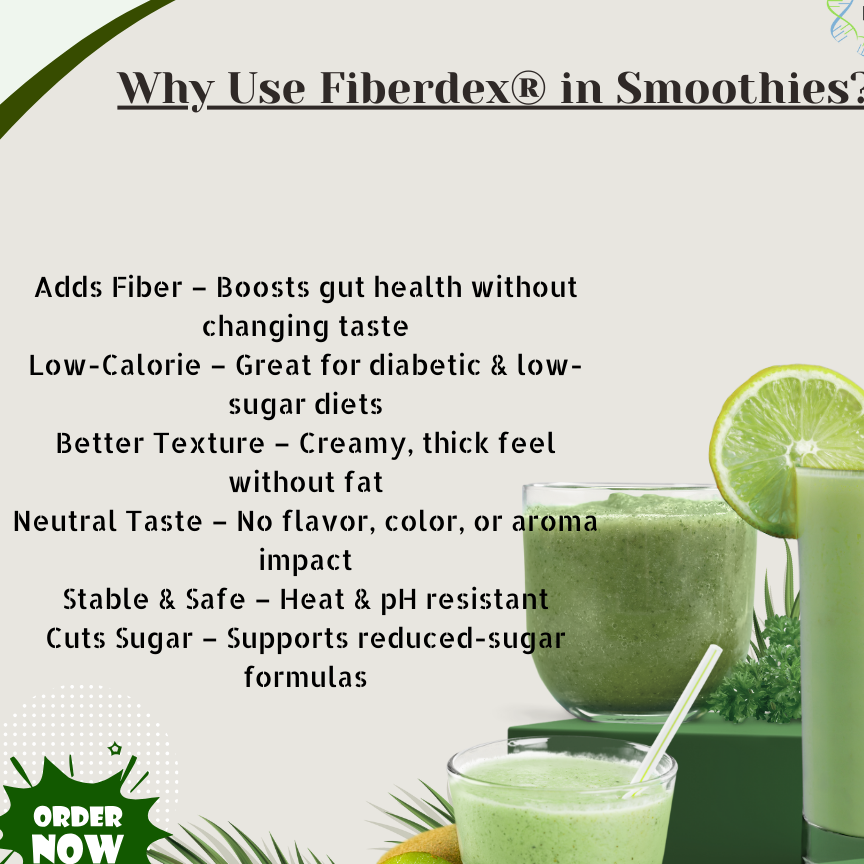
The catalogue contains monk fruit extract (Monk Nectar®) marketed for beverages and food manufacturers, a high‑intensity sucralose product, low‑calorie allulose powder, polydextrose soluble fiber (FIBREDEX®), and two natural preservatives - nisin and natamycin - each supplied in powder form. In the sweetener segment, industry standards typically require purity of 95 %  -  98 % for monk fruit extract, 99.9 % for sucralose and around 95 % for allulose, with moisture content below 5 %. Polydextrose is usually offered with a dextrose equivalent (DE) of 55‑70 and particle size under 250 µm. Preservatives such as nisin and natamycin are graded by activity units (e.g., 1 % nisin ≈ 5,000 IU/g) and must meet microbial limits defined in food‑safety regulations. Products are commonly packed in 25 kg food‑grade polyethylene bags or 20 ft containers for larger shipments.

Trade and Export Information - Food Ingredient Australia

Australia’s food‑ingredient exports are directed primarily to the United States, the European Union, Japan and Southeast Asian markets, where demand for natural sweeteners and clean‑label preservatives is strong. HS chapter 13 (fruit preparations) and chapter 29 (organic chemicals) are the main tariff lines for monk fruit extracts, nisin and natamycin, while HS chapter 39 covers polydextrose as a polymeric food additive. Importers typically require certifications such as ISO 22000, HACCP, FDA GRAS confirmation for sweeteners, and EU Novel Food approval for novel ingredients. Standard shipping practices involve bulk powder in 25 kg bags loaded into 20 ft or 40 ft containers, with Incoterms FOB or CIF frequently used. Australian exporters also observe strict bio‑security and phytosanitary regulations, especially for plant‑derived powders.

Sourcing from Food Ingredient Australia - Buyer Guidance

Buyers should request a current Certificate of Analysis, a Safety Data Sheet and, where applicable, proof of organic status or GRAS clearance before placing an order. Verification of key specifications - purity ≥ 95 %, moisture ≤ 5 %, microbial load < 10 CFU/g and activity levels for nisin or natamycin - helps confirm product suitability for regulated food production. Typical minimum order quantities range from 500 kg to 1 ton, with lead times of four to six weeks after final sample approval. Confirm that packaging meets food‑grade standards and that the shipment will be sealed in moisture‑proof containers to preserve powder stability.

Frequently Asked Questions About Food Ingredient Australia

What sweetener products are listed in the catalogue?

The catalogue includes monk fruit extract (Monk Nectar®), sucralose (JK Sucralose) and allulose (ALLUPURE™) supplied as food‑grade powders. Each product is assigned HS 1302.19.90 for the fruit‑based extracts and a generic packaging description for the high‑intensity sweeteners.

Which preservatives are offered and under what HS codes?

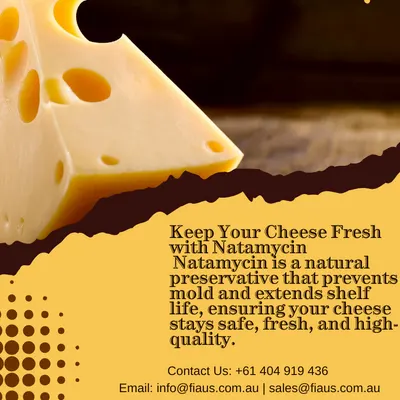
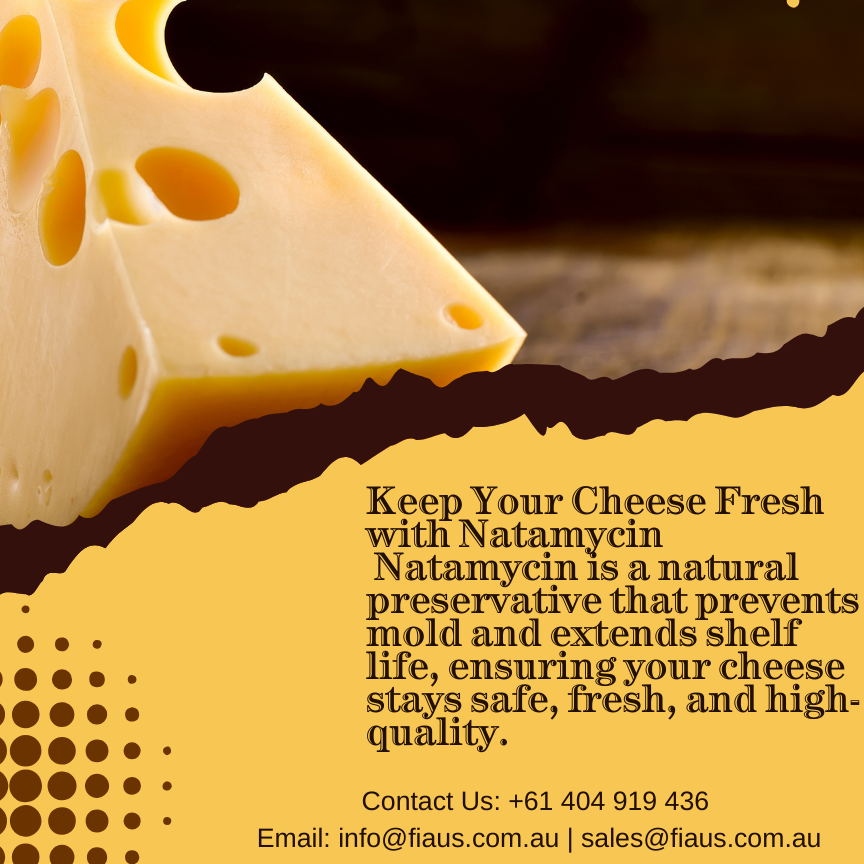
Nisin Shield and Natamycin Shield are listed as natural preservatives and both carry HS 2941.90, the code for organic chemical preparations. They are supplied in powder form for use in beverages, bakery items, cheese and other processed foods.

What is the typical packaging format for these powders?

Products are commonly packed in 25 kg food‑grade polyethylene bags, which can be palletised for loading into 20 ft or 40 ft containers. Bulk shipments may also be presented in bulk bags (e.g., 1 ton super sacks) upon request.

Which certifications should a buyer ask for?

Buyers should request ISO 22000 or HACCP certification, a Certificate of Analysis, and, for sweeteners, FDA GRAS or EU Novel Food documentation where relevant. Organic certification may be required if the buyer needs certified organic ingredients.

What are the standard minimum order quantities and lead times?

Typical minimum order quantities are between 500 kg and 1 ton per product line. Lead time after sample approval is usually four to six weeks, depending on production scheduling and shipping arrangements.

How are the products shipped and what Incoterms are used?

Shipments are made in sealed moisture‑proof containers, loaded into standard 20 ft or 40 ft containers. Common Incoterms for Australian food‑ingredient exporters are FOB Melbourne Port or CIF destination, based on buyer preference.

What quality parameters are important for the powders?

Key parameters include purity (≥ 95 %), moisture content (≤ 5 %), particle size (≤ 250 µm), and microbial limits (e.g., total plate count < 10 CFU/g). For preservatives, activity units such as nisin IU/g are also specified.

Can samples be requested before a full order?

Yes, the supplier offers sample quantities for each product. Buyers should request a sample together with the corresponding Certificate of Analysis to verify compliance with required specifications.


Featured Products from Food Ingredient Australia

Other Suppliers in Fruit Seeds

Top Trusted Suppliers

Related Products in Fruit Seeds

Trending in Parent Category

More Suppliers in Parent Category

Related Products

Other Suppliers

EximNext
58.4K+ live requirements
Register Free🎁 5 free buy-lead credits
Post Requirement
🌍 Trusted by 224.4K+ businesses in 200+ countries|
58.4K+ active requirements right now
✉️ [email protected]
|
Sell on EximNextPost Requirement
EximNext
AgricultureApparelConstructionElectronicFoodHomeIndustrialMineralsMiscellaneous
🔥 Deals|✨ AI Match|🏭 Suppliers|📋 Buy Leads|💰 Trade Finance|⭐ Upgrade
58.4K+ live RFQs·194.4K+ suppliers
🎁 5 free credits →
EximNext
EximNext
Register Free
🎁 5 free buy-lead credits
Sign In
📋Post Requirement💬Get QuotesAI Match📋RFQ Marketplace
All Categories
Services & Tools
🏭Supplier Directory🔥Today's Deals💰Trade FinanceMembership
Sell on EximNext
AboutContactBlogHelp
Food Ingredient Australia

Food Ingredient Australia

Harbor
Country flag , AustraliaEst. 2025-01-01
🏆
1+
Years in Business
🛡️
60/100
Trust Score

Food Ingredient Australia Product Catalog

Showing 10 of 10 products
View all products →
Monk Nectar® Monkfruit Extract – Natural Sweetener for B2B Food & Beverage Manufacturers in Australia
Harbor
Monk Nectar® Monkfruit Extract – Natural Sweetener for B2B Food & Beverage Manufacturers in Australia
Contact
MOQ: 1 Unit
Monk Nectar® Monkfruit Extract – Natural Sweetener for Beverages & Food Manufacturers in Australia
Harbor
Monk Nectar® Monkfruit Extract – Natural Sweetener for Beverages & Food Manufacturers in Australia
Contact
MOQ: 1 Unit
Monk Nectar® Monkfruit Extract – Natural Sweetener for Food & Beverages in Australia
Harbor
Monk Nectar® Monkfruit Extract – Natural Sweetener for Food & Beverages in Australia
Contact
MOQ: 1 Unit
Nisin Shield – Natural Preservative for Food & Beverages in Australia
Harbor
Nisin Shield – Natural Preservative for Food & Beverages in Australia
Contact
MOQ: 1 Unit
ALLUPURE™ Allulose Powder – Low-Calorie Sweetener for Food & Beverages in Australia
Harbor
ALLUPURE™ Allulose Powder – Low-Calorie Sweetener for Food & Beverages in Australia
Contact
MOQ: 1 Unit
Natamycin Shield – Natural Preservative for Cheese & Beverages in Australia
Harbor
Natamycin Shield – Natural Preservative for Cheese & Beverages in Australia
Contact
MOQ: 1 Unit
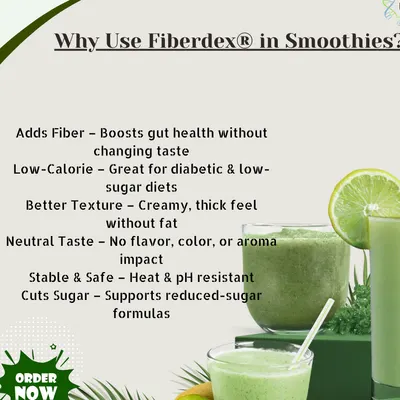
FIBREDEX® Polydextrose – Soluble Fiber for Food & Beverages in Australia
Harbor
FIBREDEX® Polydextrose – Soluble Fiber for Food & Beverages in Australia
Contact
MOQ: 1 Unit
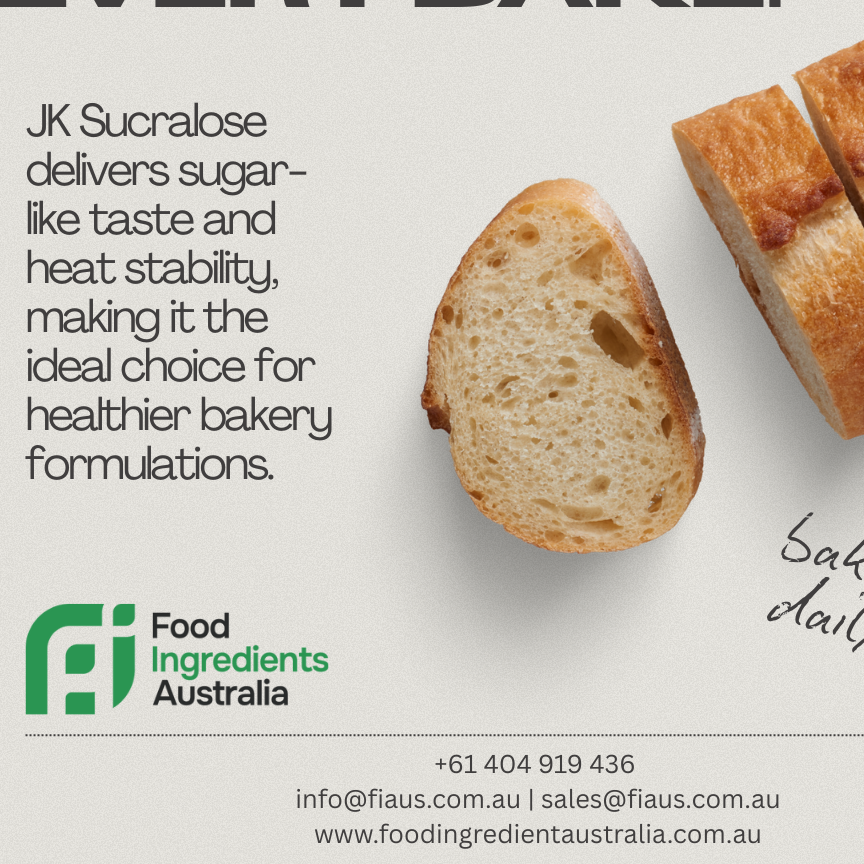
JK Sucralose – High Intensity Sweetener for Bakery, Food & Beverages in Australia
Harbor
JK Sucralose – High Intensity Sweetener for Bakery, Food & Beverages in Australia
Contact
MOQ: 1 Unit
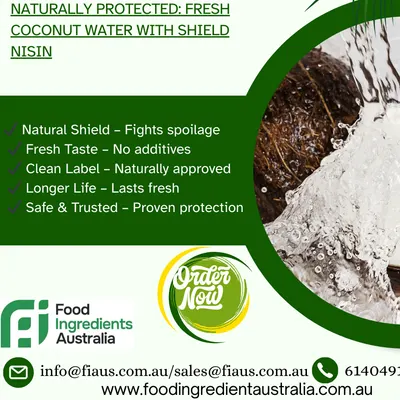
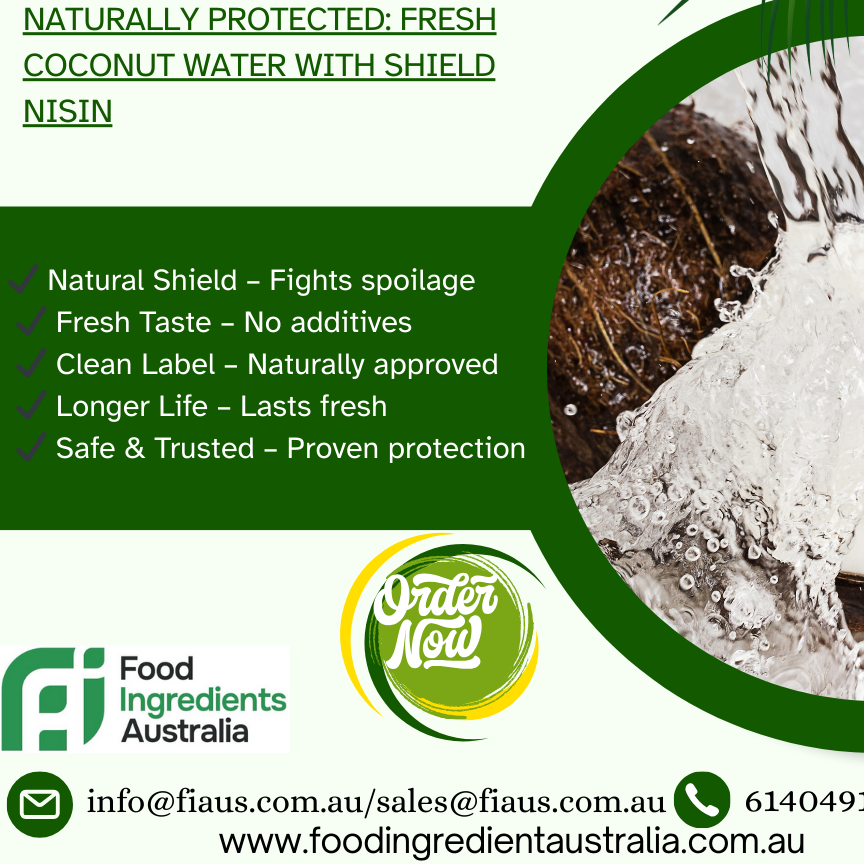
Nisin Shield – Natural Preservative for Coconut Water, Bakery, Food & Beverages in Australia
Harbor
Nisin Shield – Natural Preservative for Coconut Water, Bakery, Food & Beverages in Australia
Contact
MOQ: 1 Unit
Monk Nectar® Monk Fruit Extract for Beverages – Natural Sweetener Supplier in Australia
Harbor
Monk Nectar® Monk Fruit Extract for Beverages – Natural Sweetener Supplier in Australia
Contact
MOQ: 1 Unit

About Food Ingredient Australia - Food Ingredients Supplier in Australia

Victoria, Australia hosts Food Ingredient Australia, which lists ten active products across its catalogue. The company’s portfolio is organized under categories such as Fruit Seeds, Dragon Fruit, Sweeteners, Vegetable Powder, Sandal Wood Powder and Polyacrylamide, and the product list includes natural sweeteners, preservatives and soluble fiber supplied as powders. Each entry in the catalogue is paired with an HS‑code family: monk fruit extracts fall under HS 1302.19.90 (fruit preparations), nisin and natamycin under HS 2941.90 (organic chemicals), and polydextrose under HS 3911.90.90 (plastic articles). All items are described as powders, reflecting the common bulk form used by food‑ and beverage manufacturers.

Product Range and Specialties of Food Ingredient Australia

The catalogue contains monk fruit extract (Monk Nectar®) marketed for beverages and food manufacturers, a high‑intensity sucralose product, low‑calorie allulose powder, polydextrose soluble fiber (FIBREDEX®), and two natural preservatives - nisin and natamycin - each supplied in powder form. In the sweetener segment, industry standards typically require purity of 95 %  -  98 % for monk fruit extract, 99.9 % for sucralose and around 95 % for allulose, with moisture content below 5 %. Polydextrose is usually offered with a dextrose equivalent (DE) of 55‑70 and particle size under 250 µm. Preservatives such as nisin and natamycin are graded by activity units (e.g., 1 % nisin ≈ 5,000 IU/g) and must meet microbial limits defined in food‑safety regulations. Products are commonly packed in 25 kg food‑grade polyethylene bags or 20 ft containers for larger shipments.

Trade and Export Information - Food Ingredient Australia

Australia’s food‑ingredient exports are directed primarily to the United States, the European Union, Japan and Southeast Asian markets, where demand for natural sweeteners and clean‑label preservatives is strong. HS chapter 13 (fruit preparations) and chapter 29 (organic chemicals) are the main tariff lines for monk fruit extracts, nisin and natamycin, while HS chapter 39 covers polydextrose as a polymeric food additive. Importers typically require certifications such as ISO 22000, HACCP, FDA GRAS confirmation for sweeteners, and EU Novel Food approval for novel ingredients. Standard shipping practices involve bulk powder in 25 kg bags loaded into 20 ft or 40 ft containers, with Incoterms FOB or CIF frequently used. Australian exporters also observe strict bio‑security and phytosanitary regulations, especially for plant‑derived powders.

Sourcing from Food Ingredient Australia - Buyer Guidance

Buyers should request a current Certificate of Analysis, a Safety Data Sheet and, where applicable, proof of organic status or GRAS clearance before placing an order. Verification of key specifications - purity ≥ 95 %, moisture ≤ 5 %, microbial load < 10 CFU/g and activity levels for nisin or natamycin - helps confirm product suitability for regulated food production. Typical minimum order quantities range from 500 kg to 1 ton, with lead times of four to six weeks after final sample approval. Confirm that packaging meets food‑grade standards and that the shipment will be sealed in moisture‑proof containers to preserve powder stability.

Frequently Asked Questions About Food Ingredient Australia

What sweetener products are listed in the catalogue?

The catalogue includes monk fruit extract (Monk Nectar®), sucralose (JK Sucralose) and allulose (ALLUPURE™) supplied as food‑grade powders. Each product is assigned HS 1302.19.90 for the fruit‑based extracts and a generic packaging description for the high‑intensity sweeteners.

Which preservatives are offered and under what HS codes?

Nisin Shield and Natamycin Shield are listed as natural preservatives and both carry HS 2941.90, the code for organic chemical preparations. They are supplied in powder form for use in beverages, bakery items, cheese and other processed foods.

What is the typical packaging format for these powders?

Products are commonly packed in 25 kg food‑grade polyethylene bags, which can be palletised for loading into 20 ft or 40 ft containers. Bulk shipments may also be presented in bulk bags (e.g., 1 ton super sacks) upon request.

Which certifications should a buyer ask for?

Buyers should request ISO 22000 or HACCP certification, a Certificate of Analysis, and, for sweeteners, FDA GRAS or EU Novel Food documentation where relevant. Organic certification may be required if the buyer needs certified organic ingredients.

What are the standard minimum order quantities and lead times?

Typical minimum order quantities are between 500 kg and 1 ton per product line. Lead time after sample approval is usually four to six weeks, depending on production scheduling and shipping arrangements.

How are the products shipped and what Incoterms are used?

Shipments are made in sealed moisture‑proof containers, loaded into standard 20 ft or 40 ft containers. Common Incoterms for Australian food‑ingredient exporters are FOB Melbourne Port or CIF destination, based on buyer preference.

What quality parameters are important for the powders?

Key parameters include purity (≥ 95 %), moisture content (≤ 5 %), particle size (≤ 250 µm), and microbial limits (e.g., total plate count < 10 CFU/g). For preservatives, activity units such as nisin IU/g are also specified.

Can samples be requested before a full order?

Yes, the supplier offers sample quantities for each product. Buyers should request a sample together with the corresponding Certificate of Analysis to verify compliance with required specifications.

About Food Ingredient Australia - Food Ingredients Supplier in Australia

Victoria, Australia hosts Food Ingredient Australia, which lists ten active products across its catalogue. The company’s portfolio is organized under categories such as Fruit Seeds, Dragon Fruit, Sweeteners, Vegetable Powder, Sandal Wood Powder and Polyacrylamide, and the product list includes natural sweeteners, preservatives and soluble fiber supplied as powders. Each entry in the catalogue is paired with an HS‑code family: monk fruit extracts fall under HS 1302.19.90 (fruit preparations), nisin and natamycin under HS 2941.90 (organic chemicals), and polydextrose under HS 3911.90.90 (plastic articles). All items are described as powders, reflecting the common bulk form used by food‑ and beverage manufacturers.

Product Range and Specialties of Food Ingredient Australia

The catalogue contains monk fruit extract (Monk Nectar®) marketed for beverages and food manufacturers, a high‑intensity sucralose product, low‑calorie allulose powder, polydextrose soluble fiber (FIBREDEX®), and two natural preservatives - nisin and natamycin - each supplied in powder form. In the sweetener segment, industry standards typically require purity of 95 %  -  98 % for monk fruit extract, 99.9 % for sucralose and around 95 % for allulose, with moisture content below 5 %. Polydextrose is usually offered with a dextrose equivalent (DE) of 55‑70 and particle size under 250 µm. Preservatives such as nisin and natamycin are graded by activity units (e.g., 1 % nisin ≈ 5,000 IU/g) and must meet microbial limits defined in food‑safety regulations. Products are commonly packed in 25 kg food‑grade polyethylene bags or 20 ft containers for larger shipments.

Trade and Export Information - Food Ingredient Australia

Australia’s food‑ingredient exports are directed primarily to the United States, the European Union, Japan and Southeast Asian markets, where demand for natural sweeteners and clean‑label preservatives is strong. HS chapter 13 (fruit preparations) and chapter 29 (organic chemicals) are the main tariff lines for monk fruit extracts, nisin and natamycin, while HS chapter 39 covers polydextrose as a polymeric food additive. Importers typically require certifications such as ISO 22000, HACCP, FDA GRAS confirmation for sweeteners, and EU Novel Food approval for novel ingredients. Standard shipping practices involve bulk powder in 25 kg bags loaded into 20 ft or 40 ft containers, with Incoterms FOB or CIF frequently used. Australian exporters also observe strict bio‑security and phytosanitary regulations, especially for plant‑derived powders.

Sourcing from Food Ingredient Australia - Buyer Guidance

Buyers should request a current Certificate of Analysis, a Safety Data Sheet and, where applicable, proof of organic status or GRAS clearance before placing an order. Verification of key specifications - purity ≥ 95 %, moisture ≤ 5 %, microbial load < 10 CFU/g and activity levels for nisin or natamycin - helps confirm product suitability for regulated food production. Typical minimum order quantities range from 500 kg to 1 ton, with lead times of four to six weeks after final sample approval. Confirm that packaging meets food‑grade standards and that the shipment will be sealed in moisture‑proof containers to preserve powder stability.

Frequently Asked Questions About Food Ingredient Australia
What sweetener products are listed in the catalogue?
The catalogue includes monk fruit extract (Monk Nectar®), sucralose (JK Sucralose) and allulose (ALLUPURE™) supplied as food‑grade powders. Each product is assigned HS 1302.19.90 for the fruit‑based extracts and a generic packaging description for the high‑intensity sweeteners.
Which preservatives are offered and under what HS codes?
Nisin Shield and Natamycin Shield are listed as natural preservatives and both carry HS 2941.90, the code for organic chemical preparations. They are supplied in powder form for use in beverages, bakery items, cheese and other processed foods.
What is the typical packaging format for these powders?
Products are commonly packed in 25 kg food‑grade polyethylene bags, which can be palletised for loading into 20 ft or 40 ft containers. Bulk shipments may also be presented in bulk bags (e.g., 1 ton super sacks) upon request.
Which certifications should a buyer ask for?
Buyers should request ISO 22000 or HACCP certification, a Certificate of Analysis, and, for sweeteners, FDA GRAS or EU Novel Food documentation where relevant. Organic certification may be required if the buyer needs certified organic ingredients.
What are the standard minimum order quantities and lead times?
Typical minimum order quantities are between 500 kg and 1 ton per product line. Lead time after sample approval is usually four to six weeks, depending on production scheduling and shipping arrangements.
How are the products shipped and what Incoterms are used?
Shipments are made in sealed moisture‑proof containers, loaded into standard 20 ft or 40 ft containers. Common Incoterms for Australian food‑ingredient exporters are FOB Melbourne Port or CIF destination, based on buyer preference.
What quality parameters are important for the powders?
Key parameters include purity (≥ 95 %), moisture content (≤ 5 %), particle size (≤ 250 µm), and microbial limits (e.g., total plate count < 10 CFU/g). For preservatives, activity units such as nisin IU/g are also specified.
Can samples be requested before a full order?
Yes, the supplier offers sample quantities for each product. Buyers should request a sample together with the corresponding Certificate of Analysis to verify compliance with required specifications.

Food Ingredient Australia
Country flag , Australia

Harbor
60/100
Trust Score
📦
10
Products
Free to contact — no commission
Escrow payment available
Verified business identity
Compare more suppliers
Post a requirement — get 10 quotes free
Let verified suppliers compete for your business. Free, fast, no commitment.
EximNext Verified Supplier
Business identity verified
Physical address confirmed
Financial history checked
Certifications authenticated
Trade references validated
Due Diligence
Verify this supplier's real shipping history.
Every shipment, every buyer, every port. Trade data that can't be faked.
Run due diligence →
Discover More

Related Suppliers & Products

Explore similar suppliers, related products and trending categories

Featured Products from Food Ingredient Australia
Other Suppliers in Fruit Seeds

Top Trusted Suppliers

Related Products in Fruit Seeds

Trending in Parent Category

More Suppliers in Parent Category

Stay ahead in global trade
Weekly market insights & new supplier alerts.
EximNext
Exim Next is a leading global B2B marketplace, connecting over 205,000 verified suppliers and buyers across 200+ countries. As a trusted import export marketplace, it serves as the essential B2B portal for businesses worldwide, empowering them to expand their international reach. With Exim Next, businesses can trade smarter and grow faster.
SECURE PAYMENTS
VISAMastercardPayPalSWIFTL/CEscrow
Follow us
© 2026 EximNext