Agriculture›
 Apparel and fashion accessories›
 Construction & real estate›💡Electronic & Electrical›🍎Food & Beverages›🛋️Home furnishing & supplies›⚗️Industrial goods & chemical›🪨Minerals & metals›📦Miscellaneous›Agriculture›Apparel and fashion accessories›Construction & real estate›💡Electronic & Electrical›🍎Food & Beverages›🛋️Home furnishing & supplies›⚗️Industrial goods & chemical›🪨Minerals & metals›📦Miscellaneous›
Florist Fashion Product Catalog

About Florist Fashion - Apparel Supplier in India
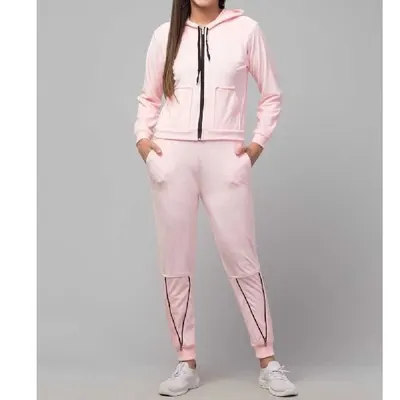
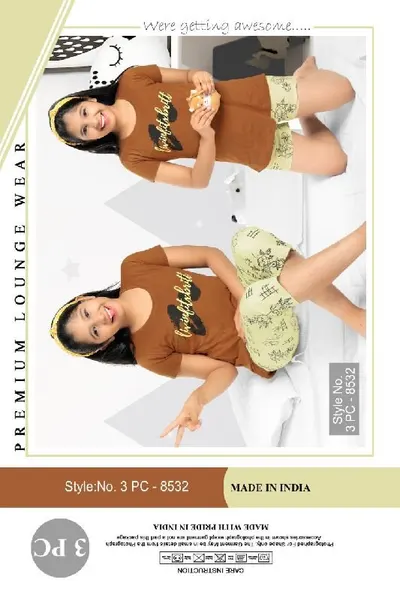
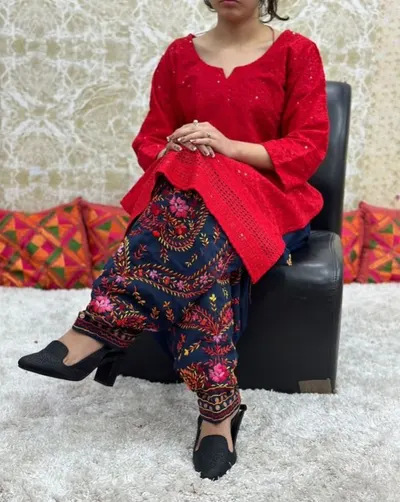
India is a major producer of ready‑made garments, and Florist Fashion lists five active product lines. The catalogue includes Kurtis, Night suits, Tracksuits, Sweatshirts and Bottoms, covering the categories Ladies Kurti, Night Wear, Sportswear/Polo Shirts, Sweatshirts and Leggings And Jeggings. Each line falls under the HS chapters 61 (knitted apparel) and 62 (woven apparel) that are standard for such textile items. The supplier’s trust tier is classified as harbor, indicating a mid‑level risk profile in the platform’s assessment. The product count of five reflects a focused portfolio rather than a broad line‑up.
Product Range and Specialties of Florist Fashion
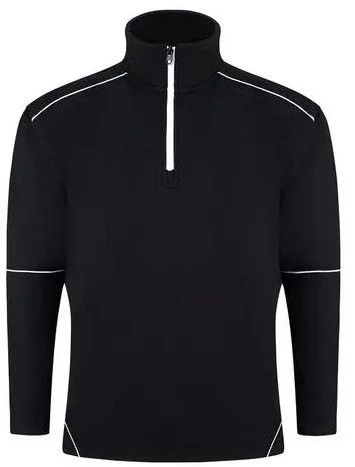
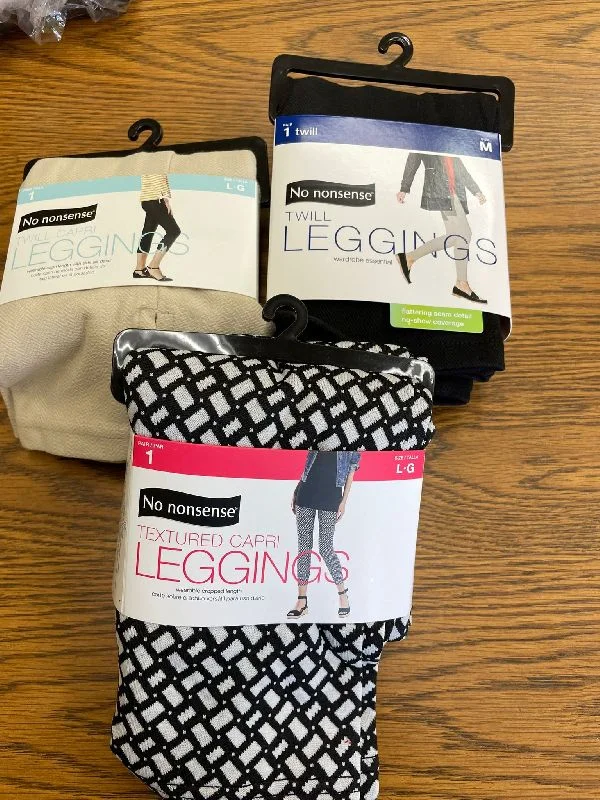
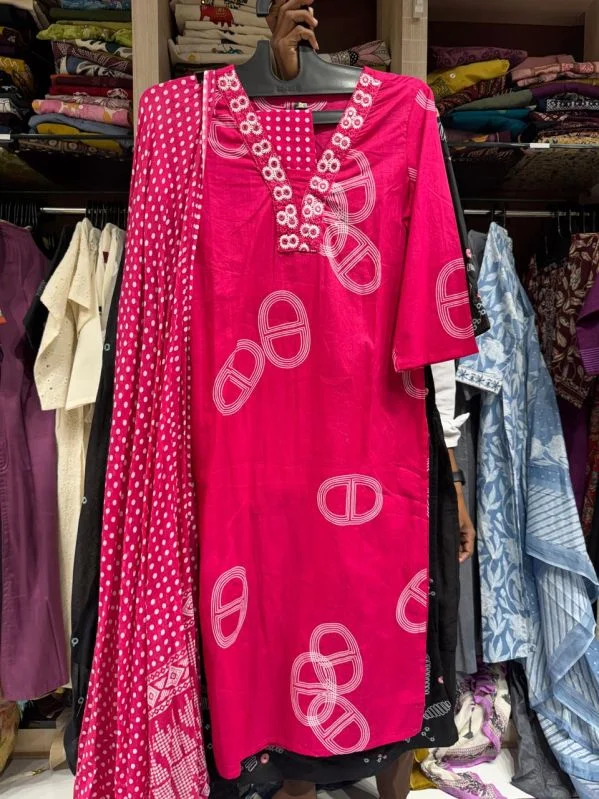
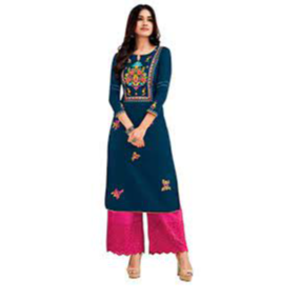
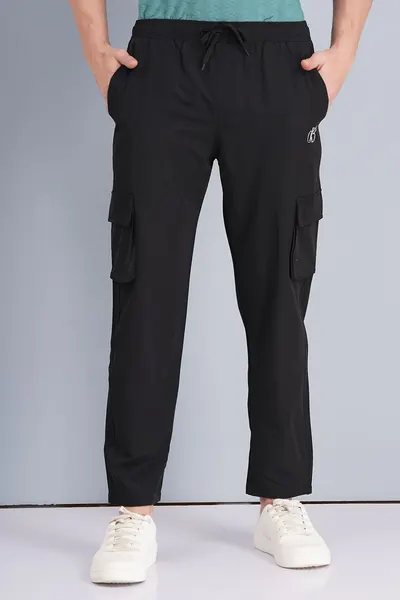
The catalogue offers Kurtis, Night suits, Tracksuits, Sweatshirts and Bottoms. In Indian garment production, Kurtis are commonly offered in cotton‑poplin (140‑180 g/m²) or rayon‑viscose (150‑200 g/m²) with standard sizes ranging from XS to XL. Night suits are typically made from brushed cotton or modal blends with a GSM of 180‑220 to provide softness for sleepwear. Tracksuits are usually constructed from polyester‑cotton blends (65 % polyester, 35 % cotton) with a weight of 250‑300 g/m² for jackets and 220‑260 g/m² for pants. Sweatshirts are frequently produced in ring‑spun cotton or fleece polyester with a typical fabric weight of 280‑350 g/m² and feature ribbed cuffs. Bottoms, covering leggings and jeggings, are often made from a stretch jersey blend of polyester, elastane and cotton, with a typical composition of 80 % polyester, 15 % cotton, 5 % elastane, providing a 4‑6 mm thickness. Standard industry grades for these garments include ISO‑9001 quality management for production consistency and Oeko‑Tex Standard 100 for harmful substance testing, although the supplier’s own certifications are not listed.
Frequently Asked Questions About Florist Fashion
What types of garments are included in Florist Fashion’s catalogue?
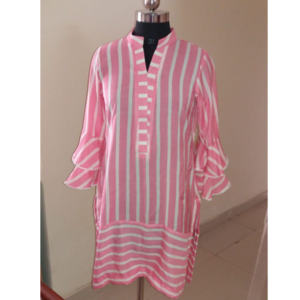
The catalogue lists five garment groups: Kurtis (women’s tunic tops), Night suits (sleepwear sets), Tracksuits (sport jackets and matching pants), Sweatshirts (pull‑over fleece tops) and Bottoms (leggings, jeggings and similar tight‑fit trousers).
Which material compositions are typical for these products?
Kurtis and Night suits are commonly made from cotton or rayon‑viscose blends, Tracksuits use polyester‑cotton mixes, Sweatshirts are produced in ring‑spun cotton or polyester fleece, and Bottoms usually contain polyester, cotton and elastane for stretch.
What HS code chapters apply to these items?
The garments fall under HS Chapter 61 for knitted apparel and Chapter 62 for woven apparel, with sub‑headings such as 6104‑6105 for tops and 6203‑6204 for trousers.
What certifications should a buyer request for these apparel products?
Buyers typically request Oeko‑Tex Standard 100 for harmful‑substance testing, ISO‑9001 for quality management, and, for organic cotton, GOTS certification; fire‑safety certificates may be needed for children’s nightwear.
What is the usual minimum order quantity and lead time?
Typical minimum order quantities range from 500 to 1,000 pieces per style, with production lead times of 30‑45 days after sample approval, subject to change based on fabric availability.
 India
Related Suppliers & Products
Explore similar suppliers, related products and trending categories