Feicheng City Dongdafeng Steel Ball Factory — Verified Supplier
About Feicheng City Dongdafeng Steel Ball Factory - Steel Balls Supplier in China
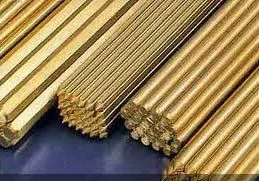
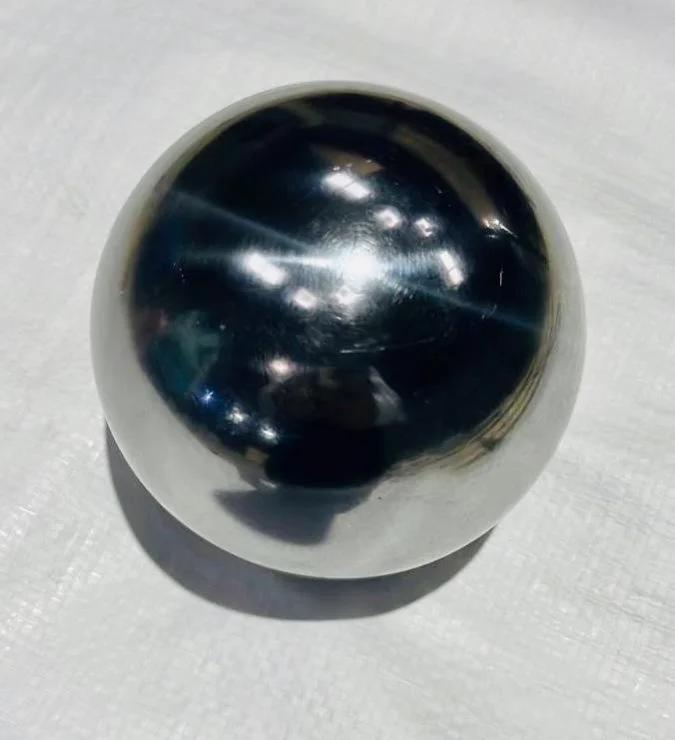
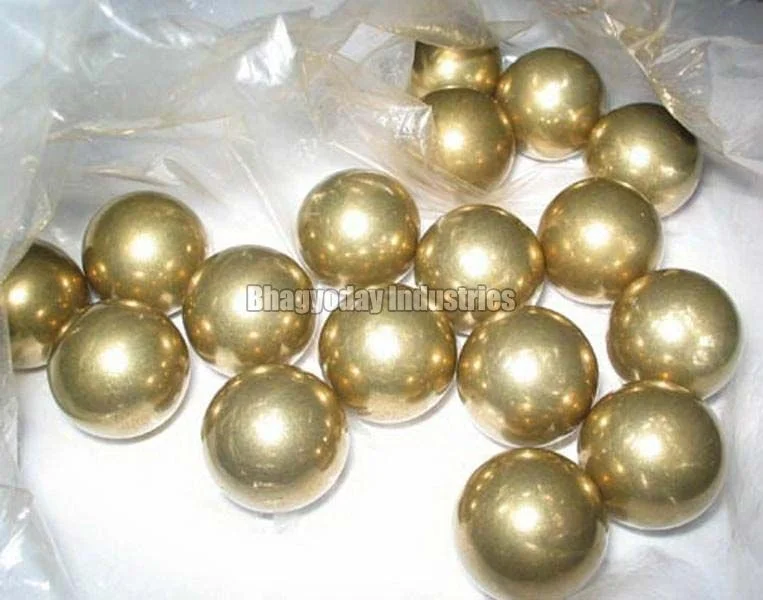
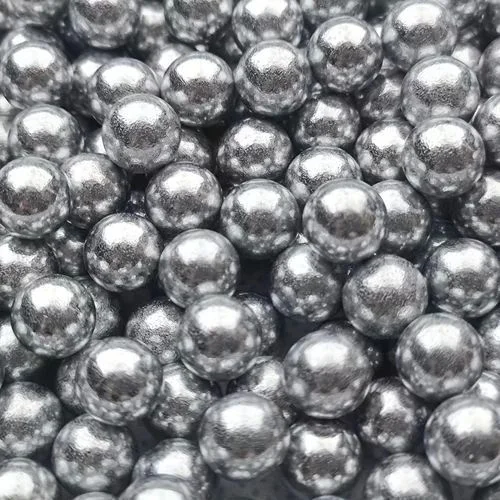
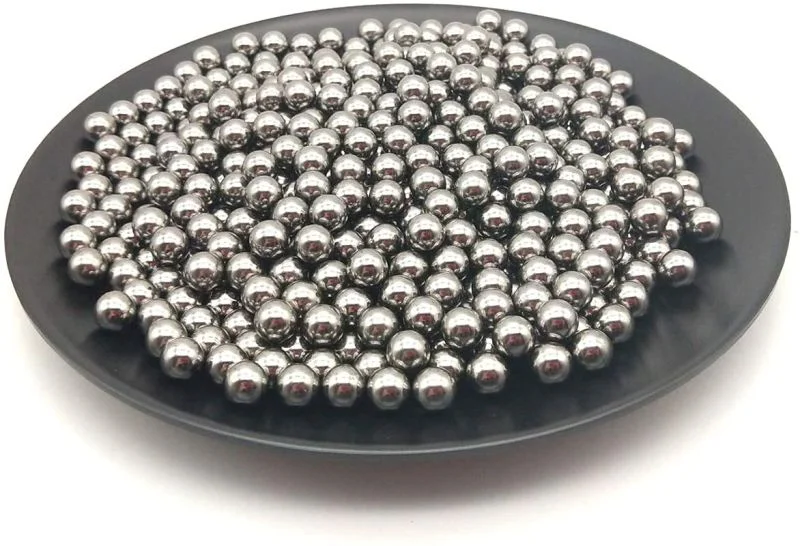
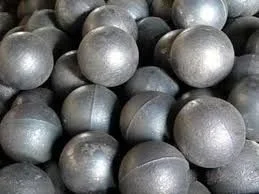
China, specifically Feicheng City, lists five active products focused on steel and alloy balls. The catalogue includes a carbon steel ball for bearing applications (HS code 8482.91, material high‑carbon steel AISI 1065‑1095), a stainless steel ball (HS code 7326.90, material AISI 304/316), a chrome steel ball (HS code 7326.90, material GCr15/AISI 52100), a copper‑zinc alloy brass ball (HS code 7403.21, typical H62/H65 grade), and a 50 mm steel ball together with a 30 mm copper sphere (HS code 7326.90, chrome steel).
The product set covers standard diameters from 6 mm to 50 mm and addresses bearing, agricultural machinery, and general engineering uses. Each entry is tied to an HS‑code family that aligns with global customs classifications for precision metal balls, allowing buyers to reference the appropriate tariff and regulatory framework when importing.
Product Range and Specialties of Feicheng City Dongdafeng Steel Ball Factory
The listed items comprise high‑carbon carbon steel bearing balls, chrome steel (GCr15) balls, stainless steel (304/316) balls, and brass balls made from CuZn alloy in H62/H65 grades. In the bearing industry, carbon steel balls are commonly supplied to hardness 60‑66 HRC and dimensional tolerance IT6‑IT9 per ISO 492, while chrome steel balls meet hardness 58‑62 HRC and similar tolerances. Stainless steel balls are selected for corrosion‑resistant applications and typically conform to ASTM A240. Brass balls are used where non‑magnetic properties are required and follow BS‑EN‑10275 specifications. Typical size ranges for these categories run from 2 mm up to 100 mm, with the supplier’s catalogue covering 6 mm‑50 mm diameters.
Trade and Export Information - Feicheng City Dongdafeng Steel Ball Factory
China is a leading exporter of precision steel balls, supplying automotive, machinery, and agricultural equipment manufacturers in Europe, North America, and Southeast Asia. The HS codes 8482.91, 7326.90 and 7403.21 are routinely inspected for material certification, hardness testing, and compliance with ISO 9001 quality‑management systems. Importers often request mill test certificates, CE marking for EU markets, and ASTM or DIN test reports depending on the end‑use. Standard export logistics from Chinese ports use FOB or CIF terms, with packaging in wooden crates or bulk plastic liners to protect spherical integrity during sea freight.
Sourcing from Feicheng City Dongdafeng Steel Ball Factory - Buyer Guidance
Buyers should request mill test certificates that detail chemical composition and hardness for each alloy, as well as dimensional inspection reports referencing ISO 492 tolerance grades. Verification of ISO 9001 or ISO 14001 certification, if held, helps confirm consistent production processes. Typical minimum order quantities range from 10 000 pieces or approximately one metric ton, with lead times of 30‑45 days after order confirmation. Confirm packaging type (e.g., 20 ft container with wooden pallets) and whether anti‑corrosion coating or lubrication is required for the specific application.
Frequently Asked Questions About Feicheng City Dongdafeng Steel Ball Factory
What material grades are offered for bearing balls?
The catalogue lists high‑carbon steel (AISI 1065‑1095) for bearing balls, chrome steel (GCr15/AISI 52100) and stainless steel (AISI 304/316). Each grade aligns with common hardness levels of 60‑66 HRC for carbon steel and 58‑62 HRC for chrome steel.
Which HS codes apply to the steel and brass balls?
Carbon steel bearing balls use HS 8482.91, stainless and chrome steel balls fall under HS 7326.90, and copper‑zinc alloy brass balls are classified with HS 7403.21.
What typical diameters are available?
The supplier’s range includes 6 mm, 8 mm, 12 mm, 15 mm, 30 mm and 50 mm balls, covering most standard bearing and engineering applications.
What certifications should a buyer request?
Buyers should ask for mill test certificates, hardness test reports, and, if available, ISO 9001 or ISO 14001 quality‑management certificates, as these are commonly required for precision metal ball imports.
What is the usual packaging for bulk shipments?
Bulk orders are typically packed in wooden crates or bulk plastic containers inside 20 ft or 40 ft containers, with internal dividers to prevent movement of the spherical items.
What are typical payment and shipping terms?
Export transactions from China frequently use FOB Shanghai or CIF destination, with payment methods such as T/T in advance or L/C at sight, depending on the buyer’s preference.
How can a buyer obtain a sample?
Buyers can request a sample set of each ball size and material; the supplier generally provides a small quantity after confirming the buyer’s test specifications and shipping address.
What lead time should be expected for a standard order?
Standard production and preparation lead time is 30‑45 days from order confirmation, assuming no custom alloy specifications are required.




 , China