Agriculture›
 Apparel and fashion accessories›
 Construction & real estate›💡Electronic & Electrical›🍎Food & Beverages›🛋️Home furnishing & supplies›⚗️Industrial goods & chemical›🪨Minerals & metals›📦Miscellaneous›Agriculture›Apparel and fashion accessories›Construction & real estate›💡Electronic & Electrical›🍎Food & Beverages›🛋️Home furnishing & supplies›⚗️Industrial goods & chemical›🪨Minerals & metals›📦Miscellaneous›
Fashion Garments Product Catalog
About Fashion Garments - Apparel Supplier in India
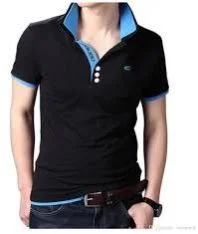
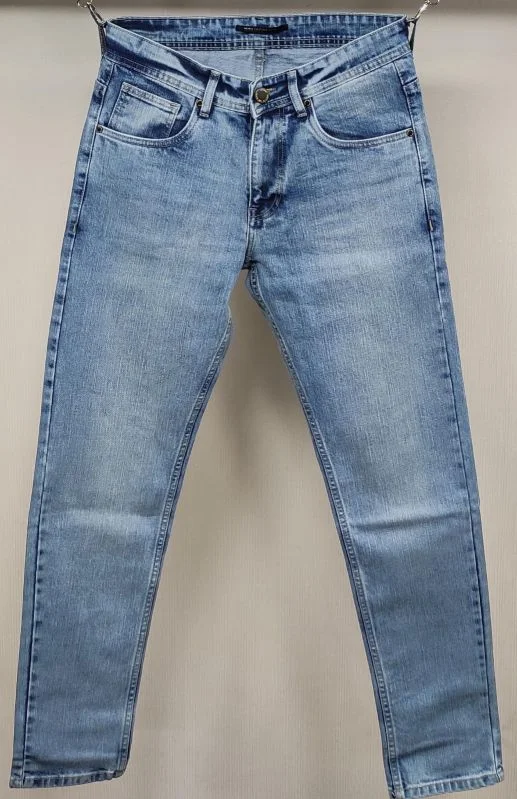
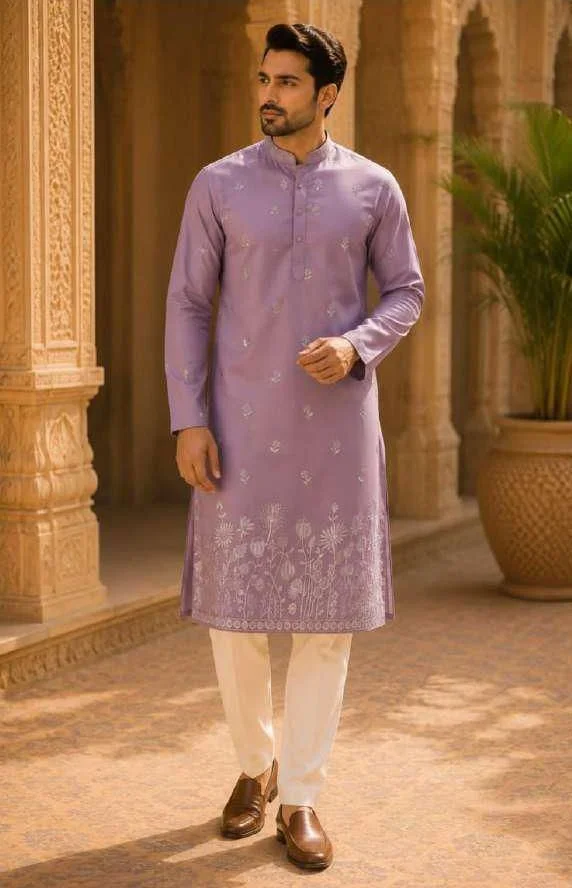
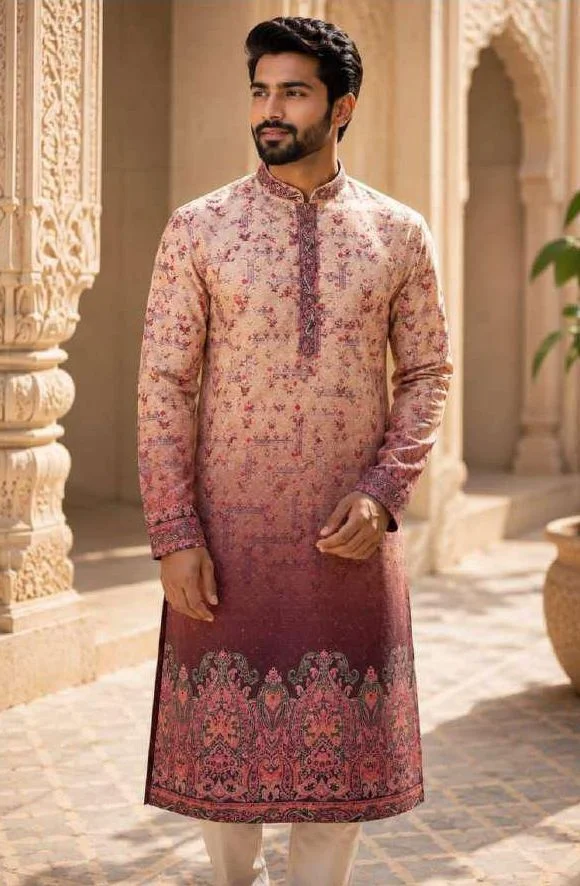
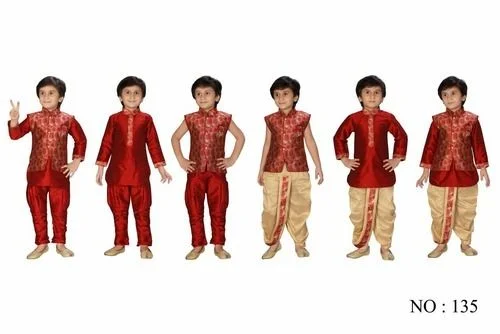
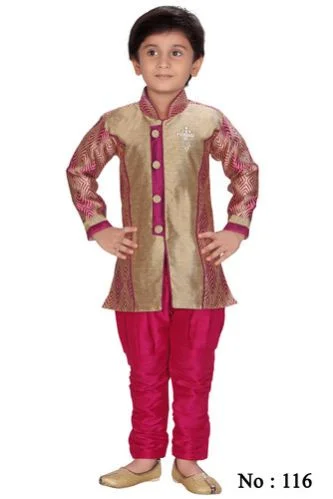
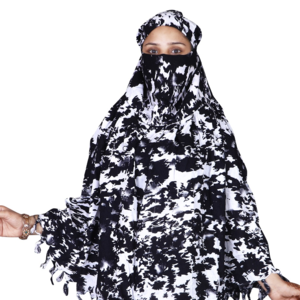
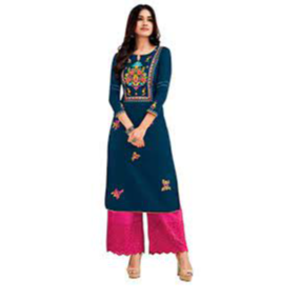
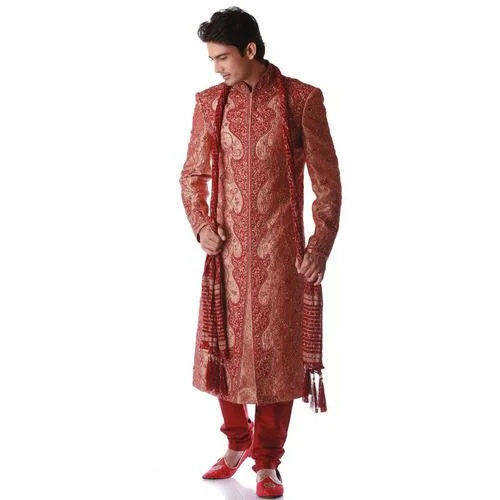
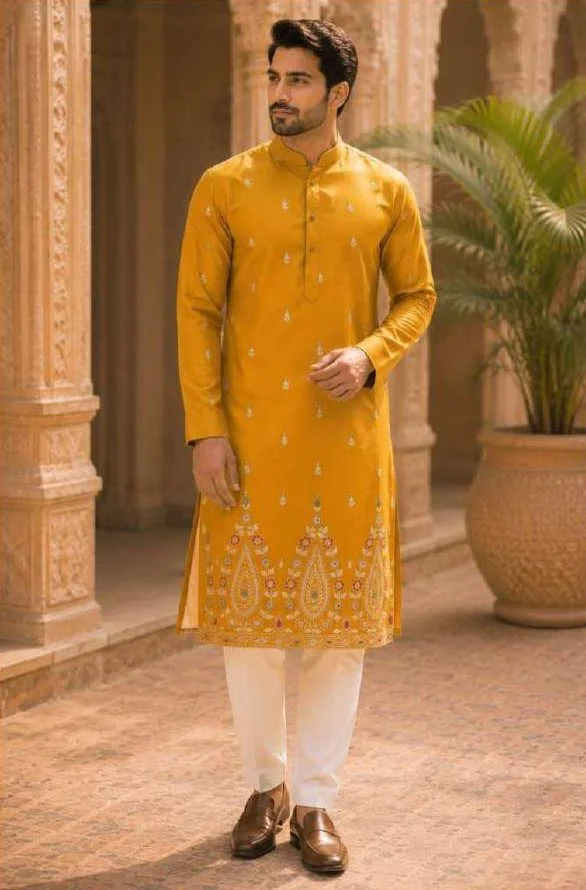
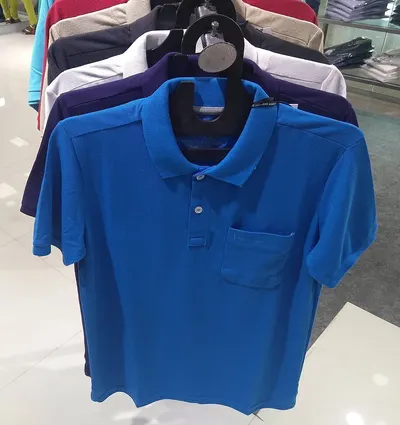
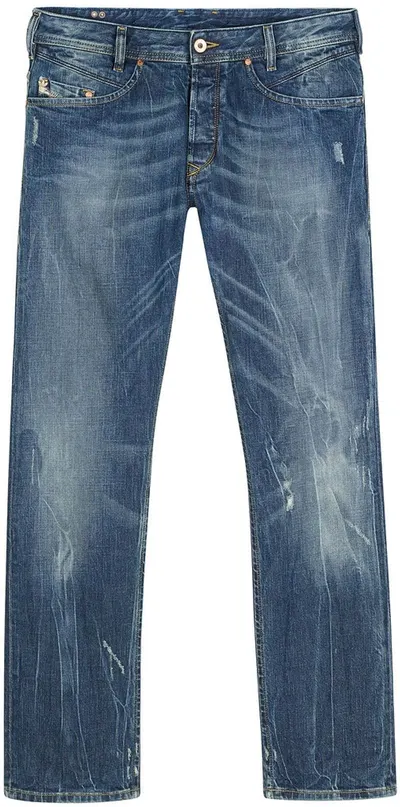
India hosts Fashion Garments, a supplier that currently lists six active products across several apparel categories. The catalogue includes a Kurta Pajama set, a Kurta with Jacket set, 100 % cotton winter hoodies, high‑quality men’s brief boxers, dry‑fit polo T‑shirts for sportswear, and slim‑fit ripped denim jeans. Each item falls under the HS chapter 61/62 family that covers knitted or crocheted garments (HS 6101‑6105) and sewn apparel (HS 6201‑6205). The supplier’s top‑level categories are Kurta Payjama, Leather Jackets, Knitted & Woven Garments, Agriculture, Shirts & T‑Shirts, and Denim, reflecting a focus on traditional and contemporary men’s wear.
The listed products represent typical Indian export segments where cotton, blended fabrics and denim are produced in large volumes. Buyers generally encounter HS 6203 for men’s trousers, HS 6204 for shirts and tops, and HS 6204‑10 for denim garments. While the supplier’s catalogue does not specify certifications, Indian apparel exporters often work to meet BSCI, ISO 9001, and specific buyer‑requested test reports for colour fastness and shrinkage. Export logistics commonly use FOB or CIF terms, with shipments packed in export‑grade cartons and poly‑bag inner packs suitable for bulk orders.
Product Range and Specialties of Fashion Garments
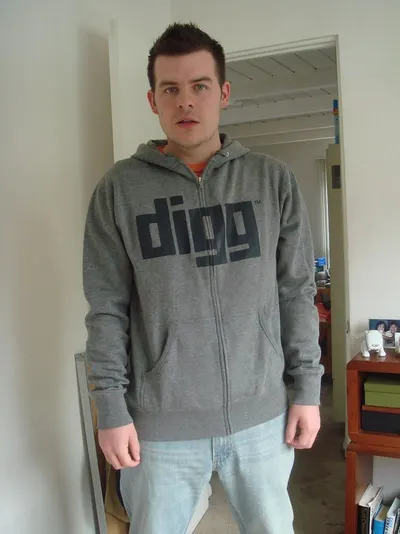
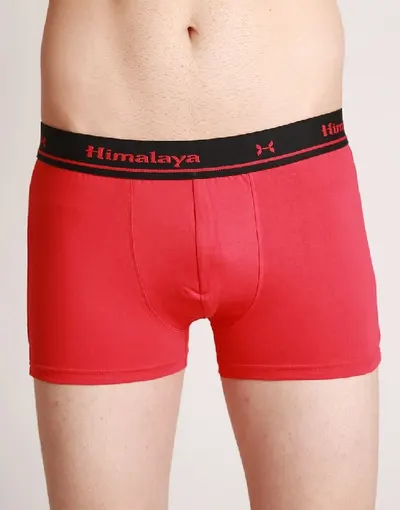
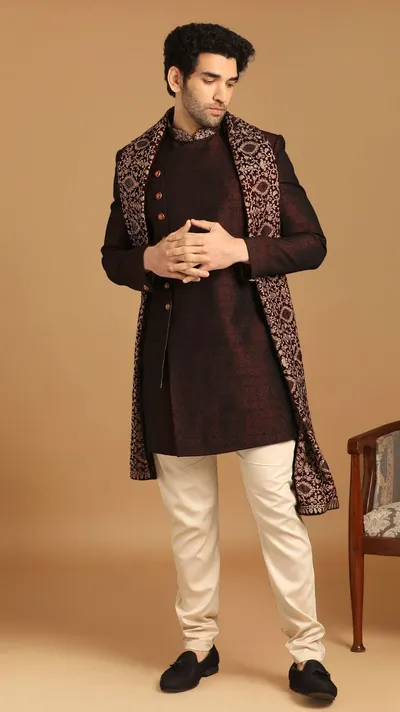
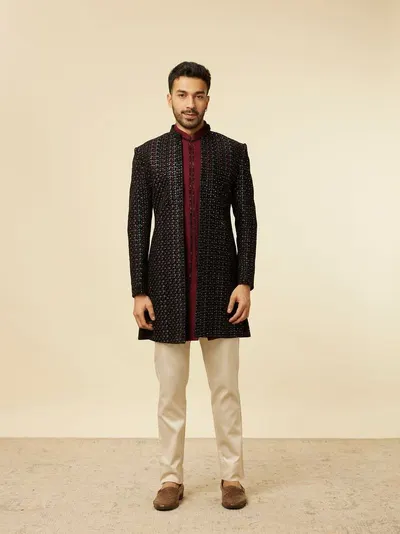
Fashion Garments’ catalogue covers six distinct items. The Kurta Pajama set is typically made from 100 % cotton with a fabric weight of 180‑220 gsm, finished with a plain weave suitable for casual and semi‑formal wear. The Kurta with Jacket set adds a lightweight jacket of 250‑280 gsm cotton‑blend, often featuring a single‑breasted cut. The winter hoodies are advertised as 100 % cotton, usually produced at 260‑300 gsm with a brushed interior for extra warmth. The men’s brief boxer combines cotton with elastane, offering a typical stretch of 5‑10 % and a waistband width of 30‑35 mm. The dry‑fit polo T‑shirts are polyester‑cotton blends (often 65 % polyester, 35 % cotton) engineered for moisture‑wicking and quick drying, with a standard weight of 150‑170 gsm. The denim jeans are cut in a slim‑fit style, commonly using 12‑14 oz (≈ 340‑380 gsm) 100 % cotton denim with a stretch component of 2‑3 % for comfort, and feature typical rivet and zip hardware.
Frequently Asked Questions About Fashion Garments
What product categories does Fashion Garments list?
The supplier lists six items: a Kurta Pajama set, a Kurta with Jacket set, 100 % cotton winter hoodies, men’s brief boxers, dry‑fit polo T‑shirts and slim‑fit ripped denim jeans.
Are any certifications mentioned for Fashion Garments?
The supplied facts do not list certifications; buyers should request any required compliance documents such as BSCI audit reports, ISO 9001 or specific test certificates.
Which HS codes are typically applied to these garments?
Kurta and shirt items fall under HS 6204, the hoodie under HS 6109, the boxer under HS 6108, and the denim jeans under HS 6203 for men’s trousers.
What are the usual minimum order quantities for Indian apparel suppliers?
Typical MOQs range from 500 to 1,000 pieces per style, though the exact figure should be confirmed with the supplier for each product.
How long does production take after a sample is approved?
Standard lead times in the Indian garment sector are 30‑45 days from sample approval to shipment, depending on order size and fabric availability.
 India
Related Suppliers & Products
Explore similar suppliers, related products and trending categories