Farrukh — Verified Supplier
About Farrukh - Rice Supplier in United Arab Emirates
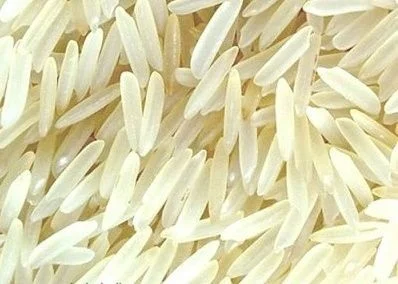
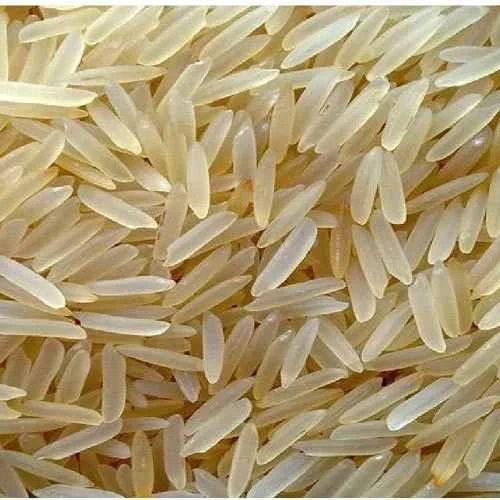
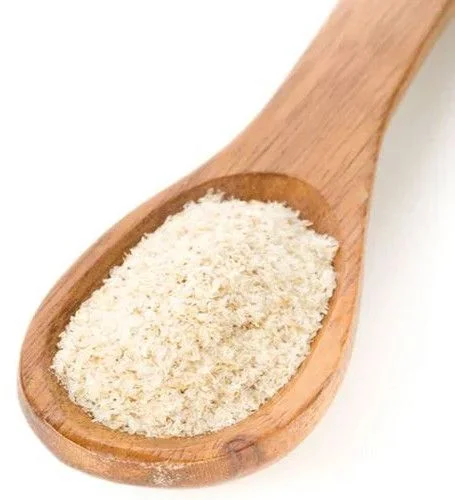
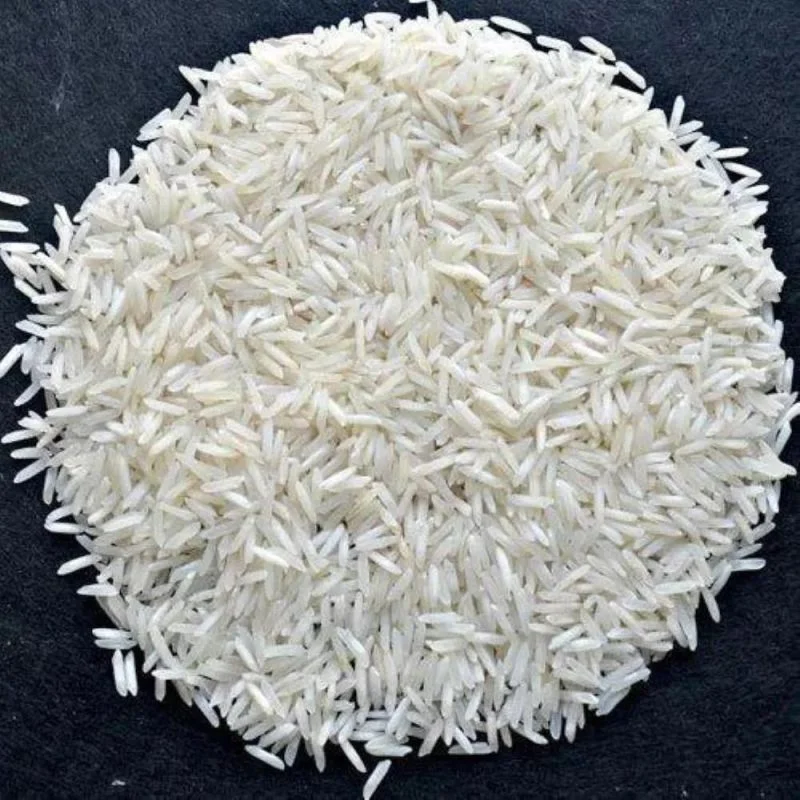
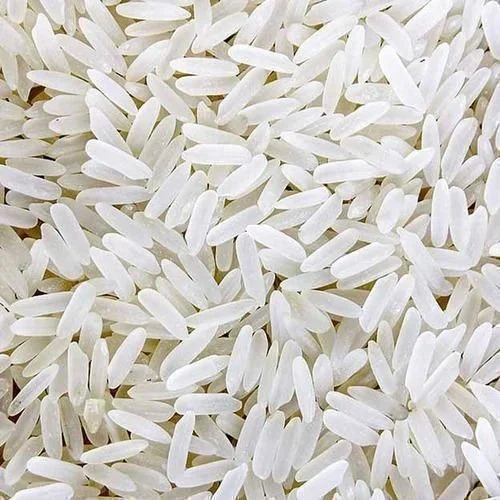
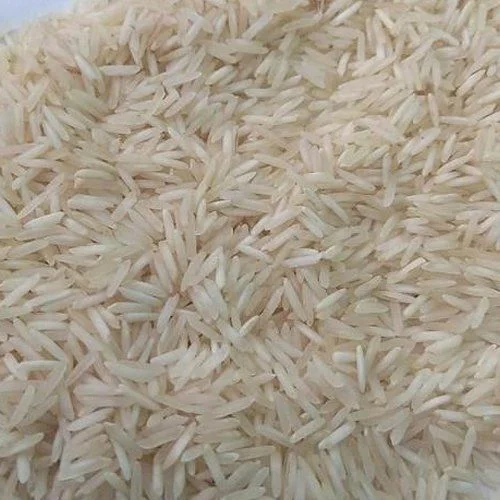
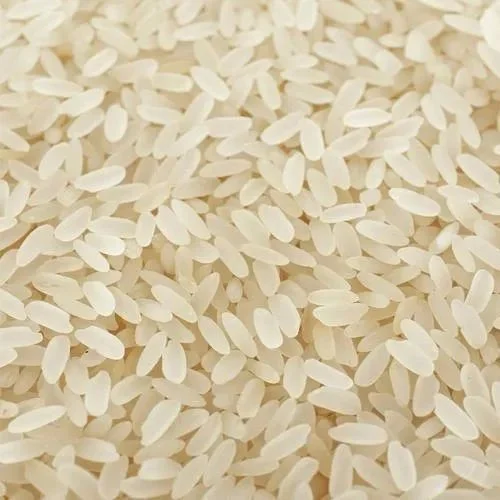
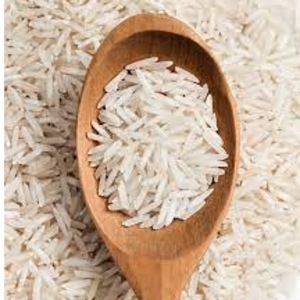
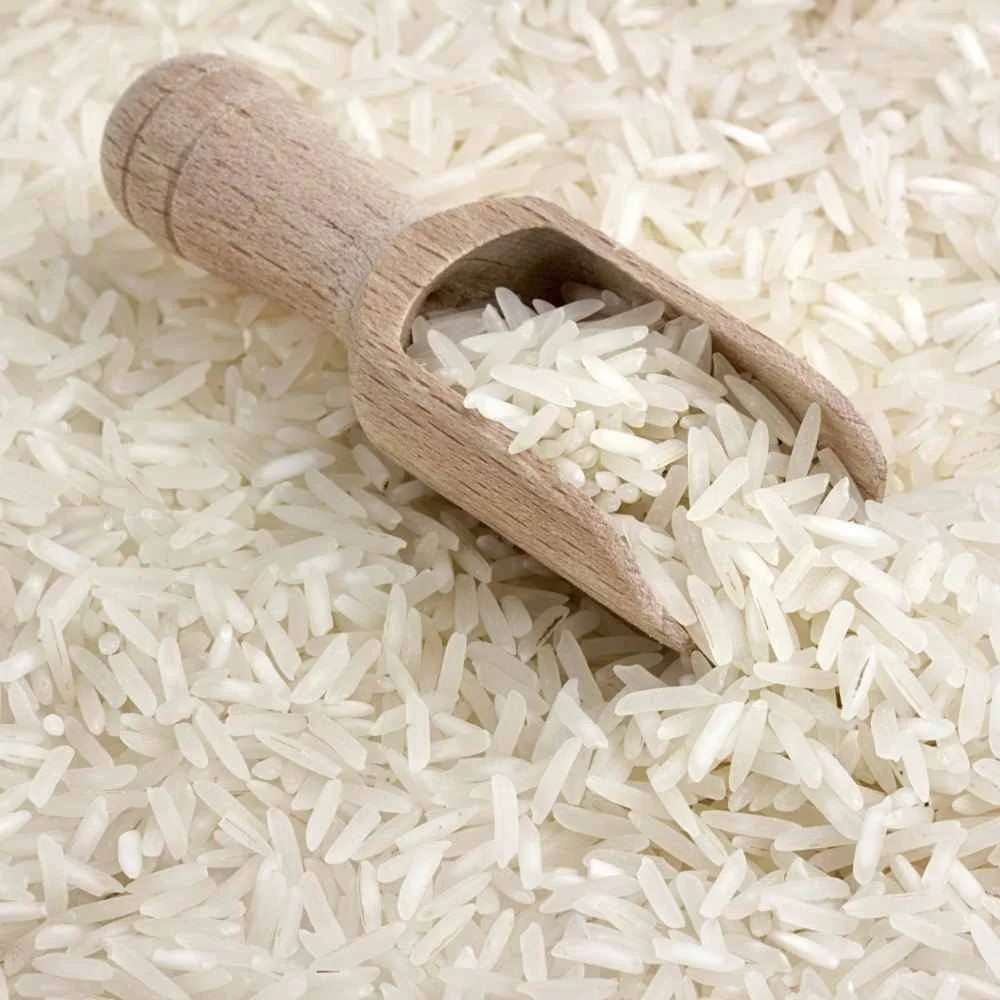
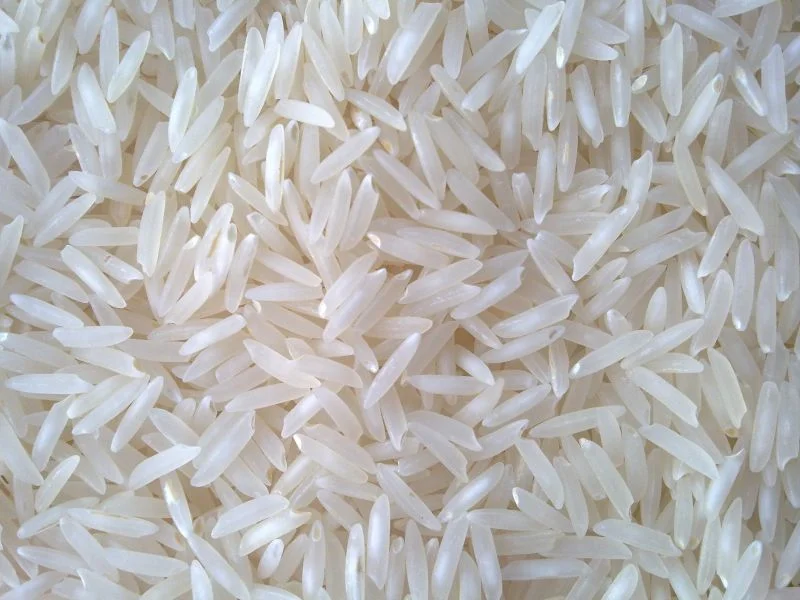
United Arab Emirates based Farrukh lists five active products. The catalogue includes Yellow Duster, Super Kernel Basmati Rice (HS 1006.30, material Oryza sativa L. Basmati variety), Broken White Rice and Husk, Himalayan Pink Salt Lamp, and a generic Basmati rice entry. The reported top categories are Rice, Corn, Basmati Rice and Salt, showing a focus on edible grains and a mineral‑based decorative item.
The rice items fall under HS chapter 1006 (rice) while the salt lamp aligns with HS chapter 2501 (salt). No HS code is provided for Yellow Duster or Broken White Rice and Husk in the supplied data, so they are referenced only by name. Although corn appears in the top categories, the current catalogue does not contain a specific corn SKU.
Product Range and Specialties of Farrukh
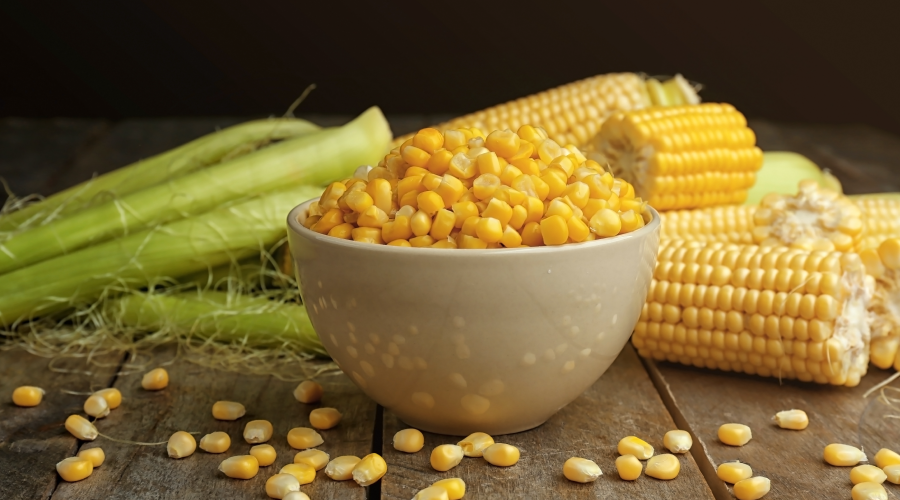
Basmati rice is commonly graded by grain length (6.5‑7.5 mm), aroma intensity, moisture content (12‑14 %) and milling recovery above 70 %. Super Kernel Basmati Rice would be expected to meet these parameters, while broken white rice and husk are typically sold with a broken rate of 5‑15 % and similar moisture levels. When corn is offered, the standard classification is yellow dent (HS 1005.90) with kernel moisture around 13‑14 % and protein 7‑9 %. Himalayan pink salt used for decorative lamps usually contains 98‑99 % NaCl with trace minerals, and the lamps are shipped in protective glass containers.
The HS code 1006.30 identifies aromatic basmati rice, and generic basmati entries would also fall under this sub‑heading. Salt‑based products are recorded under HS 2501.00. Buyers frequently request laboratory analysis for moisture, ash, and microbial limits for rice, and purity and heavy‑metal testing for salt. Bulk rice is typically packed in 25 kg polypropylene bags, while salt lamps are boxed with cushioning for sea or air freight.
Trade and Export Information - Farrukh
The United Arab Emirates acts as a re‑export hub for food grains, routing rice and corn to South Asia, the Gulf Cooperation Council and East Africa. Export shipments of basmati rice under HS 1006.30 generally require a phytosanitary certificate and may be subject to inspection under the Gulf Standardization Organization or the importing country’s food‑safety authority. Salt and decorative salt lamps are commonly shipped to Europe and North America, where CE marking or REACH compliance may be requested by importers.
Typical incoterms for bulk grain from the UAE are FOB Jebel Ali or CIF to the buyer’s destination port. Buyers should verify that Farrukh can provide a Certificate of Origin, a recent Laboratory Analysis Report, and, where applicable, HACCP or ISO 22000 documentation. Container loading follows standard 20 ft (≈18 t) or 40 ft (≈38 t) capacities for bagged rice, while salt lamps are packed in smaller cartons suitable for mixed‑mode freight.
Sourcing from Farrukh - Buyer Guidance
Prospective buyers should request a current Certificate of Analysis covering moisture (12‑14 % for rice), broken percentage and microbial limits before confirming an order of Super Kernel Basmati Rice. For broken white rice and husk, a milling recovery statement helps assess value. Salt‑lamp purchases should be accompanied by a material safety data sheet confirming NaCl purity and the absence of hazardous additives.
Verify packaging specifications - 25 kg bags for rice with a water‑resistant liner, and sturdy cardboard with foam inserts for salt lamps. Confirm the supplier’s ability to meet standard lead times of 30‑45 days for bulk grain and 15‑20 days for decorative items, and clarify the minimum order quantity, which commonly ranges from one 20 ft container for rice to a single pallet (≈200 units) for lamps.
Frequently Asked Questions About Farrukh
What HS codes are associated with Farrukh’s rice products?
The catalogue lists Super Kernel Basmati Rice under HS 1006.30, which covers aromatic basmati rice; other rice items fall under the broader HS 1006 chapter for milled rice.
Does Farrukh provide quality certificates for its basmati rice?
The supplier’s data does not specify held certifications, so buyers should request a recent Certificate of Analysis and, if required, HACCP or ISO 22000 documentation.
What are the typical packaging formats for the rice products?
Bulk rice is commonly packed in 25 kg polypropylene bags suitable for container loading, while broken rice and husk may use similar bag sizes with a water‑resistant liner.
What purity level is expected for the Himalayan Pink Salt Lamp?
Decorative salt lamps are generally made from mineral salt with NaCl purity of 98‑99 %, and buyers should ask for a material safety data sheet confirming this specification.
Which markets commonly import basmati rice from the UAE?
Major importers include South Asian countries, Gulf Cooperation Council members and East African nations, often under FOB or CIF terms.
What documentation is needed for customs clearance of the rice shipments?
Standard documents include a commercial invoice, packing list, Certificate of Origin, phytosanitary certificate and a laboratory test report that meets the destination country’s food‑safety standards.
What is the minimum order quantity for a 20 ft container of rice?
A full 20 ft container typically holds about 18 metric tonnes of 25 kg bags, which is a common MOQ for bulk grain exporters.
What lead time should a buyer expect for the salt lamp product?
Lead times for decorative items such as the Himalayan Pink Salt Lamp are usually 15‑20 days after order confirmation, subject to production scheduling.




 , United Arab Emirates