Farao Global Ltd. — Verified Supplier
About Farao Global Ltd. - Horns, Skins, Hides, Skulls, Feathers & Hairs Of Animals Supplier in South Africa
Farao Global Ltd. operates out of South Africa and currently lists nine active products. The catalogue focuses on animal‑derived materials that belong to the broader category of horns, skins, hides, skulls, feathers and hairs. All items are sourced from livestock and wildlife species commonly processed in the region. The product list includes rabbit skins, various salted donkey hides, goat skins, cow horns, deer horns, wet cow hides, merino sheep skins and standard sheep skins. These items are typically classified under HS Chapter 41 for raw hides and skins and HS Chapter 05 for animal horns. Export documentation follows South African customs requirements for animal products.
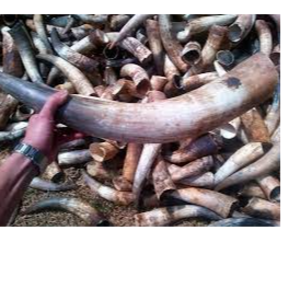
The supplier’s inventory comprises both wet and dry salted hides, indicating readiness for leather processing or immediate shipment. Wet salted hides retain higher moisture, while dry salted hides are packaged for longer shelf life. Horn items such as cow and deer horns are supplied in natural form, often used for decorative or craft applications. Skin varieties such as merino sheep skins are noted for fine fibre quality, whereas rabbit skins are valued for their lightweight pelage. The catalogue does not specify certifications, so buyers typically request compliance documents relevant to animal products. Typical trade terms include FOB South Africa with options for CIF to major importing regions.
Product Range and Specialties of Farao Global Ltd.
Farao Global Ltd.’s product range covers rabbit skins, wet and dry salted donkey hides, salted goat skins, wet cow hides, merino and standard sheep skins, as well as cow and deer horns. In the global leather market, rabbit skins are graded by pelage length (e.g., 10‑15 mm) and fur density, while goat and sheep skins are evaluated for thickness (typically 1.0‑1.5 mm) and grain uniformity. Donkey hides, when salted, are often processed for high‑grade leather and are assessed for tensile strength (≈ 20‑30 MPa) and moisture content (≤ 12 %). Horns are measured by length (commonly 150‑300 mm) and curvature, and are frequently finished to meet decorative industry standards. Buyers generally look for documentation such as CITES permits for wildlife‑derived items, ISO 9001 quality management certificates, and laboratory test reports confirming moisture, thickness and tensile properties.
Trade and Export Information - Farao Global Ltd.
South Africa is a notable exporter of raw hides, skins and animal horns, supplying markets in Europe, North America, the Middle East and parts of Asia. Exports in HS Chapter 41 are subject to inspections by the South African Department of Agriculture, Forestry and Fisheries that verify species identification and sanitary conditions. Typical importers are leather manufacturers, fashion houses, upholstery producers and craft material distributors who require compliance with REACH and EU animal‑product regulations. Common certifications requested include CITES for protected species, ISO 14001 for environmental management, and third‑party laboratory analyses for moisture and tensile strength.
Logistics for these goods usually involve containerised shipments, with wet hides packed in sealed, insulated crates to preserve moisture, while dry salted hides and horns are shipped in bulk in wooden crates or cardboard boxes. Standard Incoterms are FOB Port of Durban or CIF to buyer‑specified ports, with temperature‑controlled handling recommended for wet hides. Customs clearance often requires phytosanitary certificates and, where applicable, wildlife trade permits.
Sourcing from Farao Global Ltd. - Buyer Guidance
When sourcing from Farao Global Ltd., buyers should request detailed product specifications, including skin thickness, moisture level, grain pattern and horn dimensions. Samples of each skin type and horn are commonly provided in small quantities, allowing verification of fibre quality, colour and flexibility before larger orders. Buyers must also obtain CITES documentation for any wildlife‑derived items such as deer horns, and ask for ISO 9001 or equivalent quality system certificates if required by the buyer’s jurisdiction.
Prior to finalising orders, verify that the supplier’s packaging meets the buyer’s requirements - wet hides typically need vacuum‑sealed polyethylene bags, while dry hides and horns are often packed in sturdy wooden crates with moisture‑absorbing liners. Confirm lead times, which for salted hides usually range from 2‑4 weeks after receipt of a purchase order, and clarify the preferred Incoterm. Maintain records of all test reports and certificates to satisfy downstream compliance audits.
Frequently Asked Questions About Farao Global Ltd.
What types of skins does Farao Global Ltd. offer?
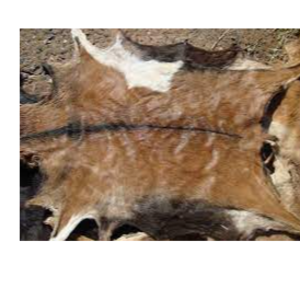
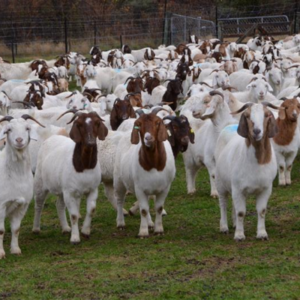
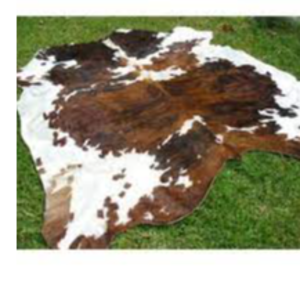
The supplier lists rabbit skins, wet and dry salted donkey hides, salted goat skins, wet cow hides, merino sheep skins and standard sheep skins. These skins are presented as raw or salted products suitable for further leather processing.
Are the horns supplied in natural or processed form?
Cow horns and deer horns are offered in their natural, unsplit condition. Buyers can request additional finishing if required, but the catalogue does not specify any machining.
Which certifications are available from the supplier?
The catalogue does not mention any specific certifications held by the supplier. Buyers typically request CITES permits, ISO 9001 quality management certificates or third‑party laboratory test reports for animal‑product shipments.
What packaging is used for wet hides?
Wet hides are commonly packed in sealed, moisture‑resistant polyethylene bags or insulated crates to maintain humidity during transit. This packaging helps prevent drying and preserves the hides’ quality until they reach the buyer.
What are typical minimum order quantities and lead times?
Minimum order quantities vary by product but generally start at a single full hide or a batch of horns. Lead times for salted hides are usually 2‑4 weeks from order confirmation.
Which markets import these South African animal products?
Major import destinations include the European Union, the United States, the United Arab Emirates and China. In these regions, leather manufacturers and craft goods producers are the primary buyers of raw hides, skins and horns.
What HS chapters cover these products?
Raw hides and skins fall under HS Chapter 41, while animal horns are classified under HS Chapter 05 for animal products. These chapter designations are used by customs authorities worldwide for tariff and regulatory purposes.




 , South Africa