Agriculture›
 Apparel and fashion accessories›
 Construction & real estate›💡Electronic & Electrical›🍎Food & Beverages›🛋️Home furnishing & supplies›⚗️Industrial goods & chemical›🪨Minerals & metals›📦Miscellaneous›Agriculture›Apparel and fashion accessories›Construction & real estate›💡Electronic & Electrical›🍎Food & Beverages›🛋️Home furnishing & supplies›⚗️Industrial goods & chemical›🪨Minerals & metals›📦Miscellaneous›
Electro Company Product Catalog


About Electro Company - Cars, Jeeps & Vans Supplier in Hong Kong
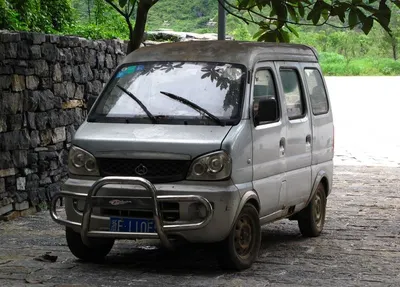
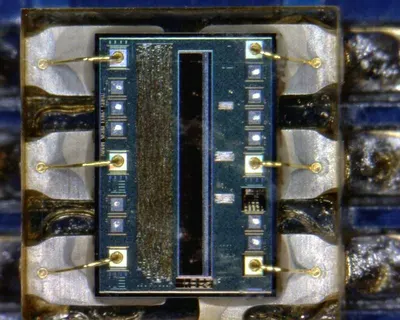
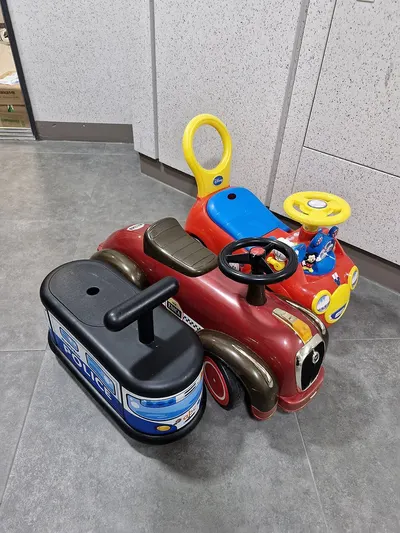
Electro Company is based in Hong Kong and lists five active products in its catalogue. The product set includes bath sponges, a pull‑back toy car, the Ford KA 1.3 automobile, a memory chip, and a Mitsubishi Pajero vehicle. These items fall under the broader category of Cars, Jeeps & Vans, with the addition of consumer goods and electronic components. The supplier is classified as an imported tier with a harbor trust tier, indicating it operates through Hong Kong’s port infrastructure. The catalogue reflects a mix of automotive, electronic and personal‑care items that are commonly traded from the region.
The five products cover distinct material groups: natural or synthetic cellulose for bath sponges, plastic and metal components for the pull‑back car, full‑size vehicle assemblies for the Ford KA and Mitsubishi Pajero, and semiconductor silicon for the memory chip. Each product aligns with separate HS‑code families used in international trade, such as chapter 95 for toys, chapter 87 for motor vehicles, and chapter 85 for electronic integrated circuits. Buyers can therefore expect different documentation and compliance requirements for each line. The supplier’s portfolio demonstrates a diversified approach to exporting goods from Hong Kong.
Product Range and Specialties of Electro Company
Electro Company’s catalogue lists bath sponges, a pull‑back car toy, two passenger vehicles (Ford KA 1.3 and Mitsubishi Pajero) and a memory chip. In the sponge market, buyers typically look for materials classified as natural sea sponge (HS 6301) or synthetic cellulose with moisture content below 10 % and a density of 0.02 - 0.04 g cm‑3. Pull‑back toys are usually made from ABS plastic, sized around 10 cm, and conform to safety standards such as EN 71‑1 for mechanical properties. Automotive listings such as the Ford KA and Mitsubishi Pajero fall under HS 8703 and are evaluated on engine displacement, emission standard (e.g., Euro 5), and safety features like airbags and ABS. Memory chips belong to HS 8542 and are assessed on storage capacity (e.g., 4 GB to 64 GB), operating voltage, and compliance with RoHS and CE marking.
Industry practice for these categories includes specific grading: sponges are graded by absorbency (e.g., 15 ml g‑1), toys by age suitability (e.g., 3 + years), vehicles by model year and emission class, and chips by speed (MHz) and package type (e.g., BGA). Typical packaging ranges from bulk cartons for sponges (20 kg per container) to individual pallets for automotive parts (standard 40 ft container holds up to 10 units) and anti‑static trays for semiconductor devices. These standards help buyers align product specifications with end‑use requirements.
Frequently Asked Questions About Electro Company
What product categories does Electro Company list in its catalogue?
The catalogue includes bath sponges, a pull‑back toy car, the Ford KA 1.3 automobile, a Mitsubishi Pajero vehicle and a memory chip, covering consumer textiles, toys, automotive and electronic components.
How many active products are listed by Electro Company?
Electro Company lists five active products in its current catalogue.
Which HS‑code chapters are typically applicable to these products?
Bath sponges fall under HS chapter 63, pull‑back toys under chapter 95, vehicles under chapter 87, and memory chips under chapter 85, each requiring the usual customs documentation.
What certifications are commonly required for the memory chip?
Buyers usually request CE marking, RoHS compliance and a test report confirming storage capacity and operating voltage for memory chips.
What safety standard applies to the pull‑back toy car?
The pull‑back toy should comply with EN 71‑1, which covers mechanical and physical properties for toys intended for children.
 Hong Kong
Related Suppliers & Products
Explore similar suppliers, related products and trending categories