Egyptian Marble Granite — Verified Supplier

About Egyptian Marble Granite - Marble & Granite Supplier in Egypt

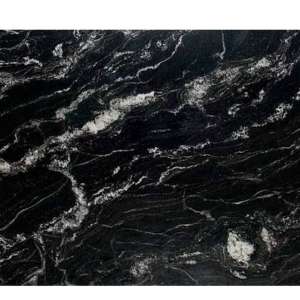
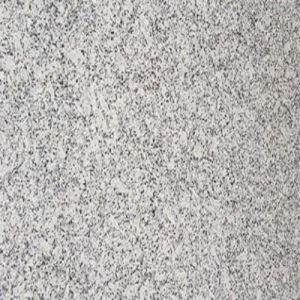
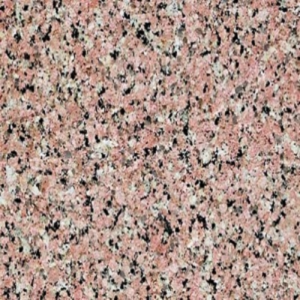
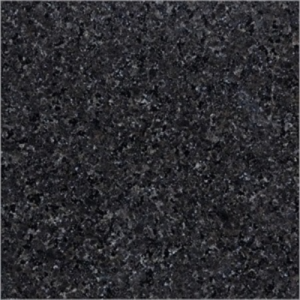
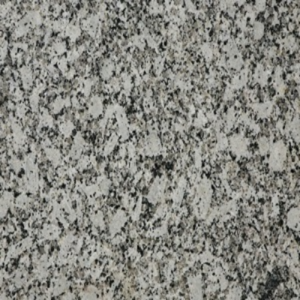
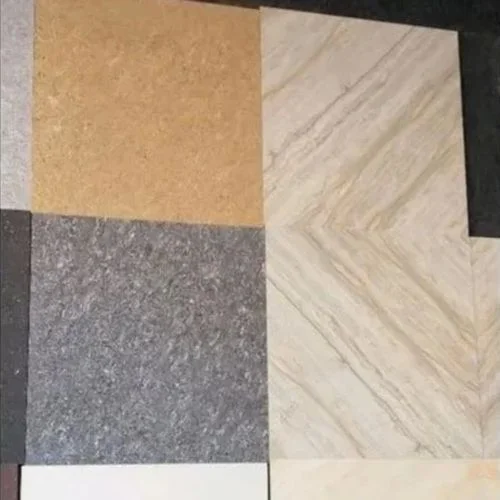
Egypt, a major exporter of natural stone, lists 15 active products across marble, granite, tiles, agriculture and limestone categories. The catalogue includes items such as EMG Egypt Granite, Egyptian Limestone, Beige marble flooring, Egyptian stone tiles, Galala Marble, and split‑face granite tiles. Product titles reference both raw stone (granite, limestone) and finished formats (polished tiles, tumbled marble, finishing tiles). The supplier groups the offerings under the broader Marble & Granite category, which aligns with HS chapter 68, heading 6802 for marble, granite, limestone and other ornamental stone. Each entry reflects a specific stone type or surface finish rather than a generic description. The listed products cover a range of finishes including polished, tumbled, honed and split‑face, which are standard treatments in the stone industry. Several entries mention colour descriptors such as Beige, Nile Grey and Brown, indicating natural hue variations common in Egyptian quarries. The catalogue also references tile formats, suggesting typical dimensions of 600 × 600 mm or 300 × 300 mm with a thickness of 20 mm, although exact sizes are not specified. No HS codes are provided in the source data, but the stone family generally falls under HS 6802. The supplier’s trust tier is identified as “harbor”, indicating a moderate level of platform verification.

Product Range and Specialties of Egyptian Marble Granite

The catalogue presents fifteen distinct stone items, ranging from raw Egypt granite and limestone blocks to finished products such as beige marble flooring, polished finishing tiles and tumbled marble. Entries like “EMG‑Egyptian Marble Granite | Natural Stone Tile” and “EMG | Types of Marble found in Egypt” imply a selection of both common Egyptian varieties (e.g., Galala, Nile Grey) and specialty finishes (polished, honed, split‑face). In the natural stone market, grades are typically defined by colour uniformity, veining pattern and surface finish, with standards such as ISO 1302 describing surface texture levels. Industry practice for marble and granite includes specifying water absorption below 0.5 % for granite and below 0.1 % for marble, compressive strength above 120 MPa for granite, and a minimum surface hardness of 6 Mohs. Tile thickness is most often 10 - 30 mm, and edge profiles (straight, bullnose, chamfer) are defined in product drawings. Buyers usually request certification to ASTM C615 (dimension tolerances) and ISO 9001 quality management, although such certificates are not listed for this supplier.

Trade and Export Information - Egyptian Marble Granite

Egypt is a long‑standing source of ornamental stone, with the majority of exports shipped to Europe (Italy, Spain, Germany), the Middle East (UAE, Saudi Arabia) and North America. The HS code 6802 covers marble, granite, limestone and other ornamental stone, and customs authorities commonly request a commercial invoice, a phytosanitary certificate (if the stone is packaged with organic material) and a certificate of origin for preferential duty rates. Typical export packaging for stone tiles includes wooden crates or steel frames, palletised with inter‑layer cushioning to prevent chipping. A 20‑foot container can accommodate roughly 12 - 14 cubic metres of finished tile, equivalent to about 1,800 m² of 600 × 600 mm tiles at 20 mm thickness. Buyers often stipulate Incoterms such as FOB Alexandria port or CIF Dubai, and may require compliance with CE marking for the European market or ASTM standards for the US market. Egyptian stone exporters generally hold ISO 9001 and may obtain additional certifications like CE or GOST on request.

Sourcing from Egyptian Marble Granite - Buyer Guidance

When sourcing from this supplier, request product samples that show the exact finish (polished, tumbled, honed) and colour batch to verify visual consistency. Ask for test reports covering water absorption, compressive strength and dimensional tolerance, which are standard quality indicators for marble and granite. Confirm the HS code 6802 on the commercial invoice and verify that the supplier can provide a certificate of origin and any required third‑party inspection reports (e.g., SGS, Bureau Veritas). Clarify the minimum order quantity, which for tile formats typically starts at one full 20‑ft container, and obtain lead‑time estimates that usually range from 30 to 60 days after order confirmation. Verify packaging details - crated or palletised - and ensure that the agreed Incoterm (FOB or CIF) matches your logistics plan.

Frequently Asked Questions About Egyptian Marble Granite

What types of stone does Egyptian Marble Granite list in its catalogue?

The catalogue includes Egypt granite, Egyptian limestone, various marble varieties such as Beige, Nile Grey and Galala, and finished formats like polished tiles, tumbled marble and split‑face granite tiles.

Are surface finishes like polished or tumbled available?

Yes, product titles refer to polished finishing tiles, tumbled marble and honed or split‑face finishes, which are common treatments for decorative stone.

Which HS code applies to the stone products offered?

Stone products such as marble, granite and limestone fall under HS heading 6802, the standard code for ornamental stone.

What certifications should a buyer request for these stone goods?

Buyers typically request ISO 9001 quality management certificates, ASTM C615 dimension test reports, and a certificate of origin; additional CE or ASTM certifications may be required for specific markets.

What are typical dimensions and thicknesses for the tiles listed?

Industry practice for decorative stone tiles is 300 × 300 mm to 600 × 600 mm size with a thickness of 10 mm to 30 mm, most often 20 mm for standard flooring applications.

What is a common minimum order quantity and lead time?

For finished tile shipments, a full 20‑foot container (approximately 1,800 m² at 600 × 600 mm) is a typical minimum, with lead times ranging from 30 to 60 days after order confirmation.

How are the stone products usually packaged for export?

Export shipments are generally packed in wooden crates or steel frames, placed on pallets with cushioning layers to protect against chipping during sea transit.

Which markets import Egyptian stone most frequently?

European countries, the Gulf Cooperation Council states and North America are the primary import destinations for Egyptian marble and granite.


Featured Products from this Supplier

Other Suppliers in Primary Category

Top Trusted Suppliers

Related Products

Trending in Parent Category

More Suppliers in Category

Related Products

Other Suppliers

EximNext
58.5K+ live requirements
Register Free🎁 Reach verified global buyers
Post Requirement
🌍 Trusted by 224.6K+ businesses in 200+ countries|
58.5K+ active requirements right now
✉️ [email protected]
|
Sell on EximNextPost Requirement
EximNext
AgricultureApparelConstructionElectronicFoodHomeIndustrialMineralsMiscellaneous
🔥 Deals|✨ AI Match|🏭 Suppliers|📋 Buy Leads|💰 Trade Finance
58.5K+ live RFQs·194.6K+ suppliers
🎁 Reach global buyers →
EximNext
EximNext
Register Free
🎁 Reach verified global buyers
Sign In
📋Post Requirement💬Get QuotesAI Match📋RFQ Marketplace
All Categories
Services & Tools
🏭Supplier Directory🔥Today's Deals💰Trade Finance
Sell on EximNext
AboutContactBlogHelp
🏭

Egyptian Marble Granite

Harbor
Country flag , Egypt
🛡️
55/100
Trust Score

Egyptian Marble Granite Product Catalog

Showing 12 of 15 products
View all products →
Emg | split face tiles egypt granite
Harbor
Emg | split face tiles egypt granite
Contact
MOQ: 1 Unit
EMG | Tumbled Marble
Harbor
EMG | Tumbled Marble
Contact
MOQ: 1 Unit
Egyptian Marble Granite , Nile Grey Marble
Harbor
Egyptian Marble Granite , Nile Grey Marble
Contact
MOQ: 1 Unit
Emg | finishing tiles | polished
Harbor
Emg | finishing tiles | polished
Contact
MOQ: 1 Unit
Egypt Granite
Harbor
Egypt Granite
Contact
MOQ: 1 Unit
Marble Granite
Harbor
Marble Granite
Contact
MOQ: 1 Unit
Egyptian Marble Granite | Galala Marble
Harbor
Egyptian Marble Granite | Galala Marble
Contact
MOQ: 1 Unit
EMG | Egyptian Marble Tiles
Harbor
EMG | Egyptian Marble Tiles
Contact
MOQ: 1 Unit
EMG | Types of Marble found in Egypt
Harbor
EMG | Types of Marble found in Egypt
Contact
MOQ: 1 Unit
Emg | Beige Marble Flooring
Harbor
Emg | Beige Marble Flooring
Contact
MOQ: 1 Unit
EMG-Egyptian Marble Granite | Natural Stone Tile
Harbor
EMG-Egyptian Marble Granite | Natural Stone Tile
Contact
MOQ: 1 Unit
EMG-Egyptian Marble Granite | Egyptian Stone
Harbor
EMG-Egyptian Marble Granite | Egyptian Stone
Contact
MOQ: 1 Unit

About Egyptian Marble Granite - Marble & Granite Supplier in Egypt

Egypt, a major exporter of natural stone, lists 15 active products across marble, granite, tiles, agriculture and limestone categories. The catalogue includes items such as EMG Egypt Granite, Egyptian Limestone, Beige marble flooring, Egyptian stone tiles, Galala Marble, and split‑face granite tiles. Product titles reference both raw stone (granite, limestone) and finished formats (polished tiles, tumbled marble, finishing tiles). The supplier groups the offerings under the broader Marble & Granite category, which aligns with HS chapter 68, heading 6802 for marble, granite, limestone and other ornamental stone. Each entry reflects a specific stone type or surface finish rather than a generic description. The listed products cover a range of finishes including polished, tumbled, honed and split‑face, which are standard treatments in the stone industry. Several entries mention colour descriptors such as Beige, Nile Grey and Brown, indicating natural hue variations common in Egyptian quarries. The catalogue also references tile formats, suggesting typical dimensions of 600 × 600 mm or 300 × 300 mm with a thickness of 20 mm, although exact sizes are not specified. No HS codes are provided in the source data, but the stone family generally falls under HS 6802. The supplier’s trust tier is identified as “harbor”, indicating a moderate level of platform verification.

Product Range and Specialties of Egyptian Marble Granite

The catalogue presents fifteen distinct stone items, ranging from raw Egypt granite and limestone blocks to finished products such as beige marble flooring, polished finishing tiles and tumbled marble. Entries like “EMG‑Egyptian Marble Granite | Natural Stone Tile” and “EMG | Types of Marble found in Egypt” imply a selection of both common Egyptian varieties (e.g., Galala, Nile Grey) and specialty finishes (polished, honed, split‑face). In the natural stone market, grades are typically defined by colour uniformity, veining pattern and surface finish, with standards such as ISO 1302 describing surface texture levels. Industry practice for marble and granite includes specifying water absorption below 0.5 % for granite and below 0.1 % for marble, compressive strength above 120 MPa for granite, and a minimum surface hardness of 6 Mohs. Tile thickness is most often 10 - 30 mm, and edge profiles (straight, bullnose, chamfer) are defined in product drawings. Buyers usually request certification to ASTM C615 (dimension tolerances) and ISO 9001 quality management, although such certificates are not listed for this supplier.

Trade and Export Information - Egyptian Marble Granite

Egypt is a long‑standing source of ornamental stone, with the majority of exports shipped to Europe (Italy, Spain, Germany), the Middle East (UAE, Saudi Arabia) and North America. The HS code 6802 covers marble, granite, limestone and other ornamental stone, and customs authorities commonly request a commercial invoice, a phytosanitary certificate (if the stone is packaged with organic material) and a certificate of origin for preferential duty rates. Typical export packaging for stone tiles includes wooden crates or steel frames, palletised with inter‑layer cushioning to prevent chipping. A 20‑foot container can accommodate roughly 12 - 14 cubic metres of finished tile, equivalent to about 1,800 m² of 600 × 600 mm tiles at 20 mm thickness. Buyers often stipulate Incoterms such as FOB Alexandria port or CIF Dubai, and may require compliance with CE marking for the European market or ASTM standards for the US market. Egyptian stone exporters generally hold ISO 9001 and may obtain additional certifications like CE or GOST on request.

Sourcing from Egyptian Marble Granite - Buyer Guidance

When sourcing from this supplier, request product samples that show the exact finish (polished, tumbled, honed) and colour batch to verify visual consistency. Ask for test reports covering water absorption, compressive strength and dimensional tolerance, which are standard quality indicators for marble and granite. Confirm the HS code 6802 on the commercial invoice and verify that the supplier can provide a certificate of origin and any required third‑party inspection reports (e.g., SGS, Bureau Veritas). Clarify the minimum order quantity, which for tile formats typically starts at one full 20‑ft container, and obtain lead‑time estimates that usually range from 30 to 60 days after order confirmation. Verify packaging details - crated or palletised - and ensure that the agreed Incoterm (FOB or CIF) matches your logistics plan.

Frequently Asked Questions About Egyptian Marble Granite

What types of stone does Egyptian Marble Granite list in its catalogue?

The catalogue includes Egypt granite, Egyptian limestone, various marble varieties such as Beige, Nile Grey and Galala, and finished formats like polished tiles, tumbled marble and split‑face granite tiles.

Are surface finishes like polished or tumbled available?

Yes, product titles refer to polished finishing tiles, tumbled marble and honed or split‑face finishes, which are common treatments for decorative stone.

Which HS code applies to the stone products offered?

Stone products such as marble, granite and limestone fall under HS heading 6802, the standard code for ornamental stone.

What certifications should a buyer request for these stone goods?

Buyers typically request ISO 9001 quality management certificates, ASTM C615 dimension test reports, and a certificate of origin; additional CE or ASTM certifications may be required for specific markets.

What are typical dimensions and thicknesses for the tiles listed?

Industry practice for decorative stone tiles is 300 × 300 mm to 600 × 600 mm size with a thickness of 10 mm to 30 mm, most often 20 mm for standard flooring applications.

What is a common minimum order quantity and lead time?

For finished tile shipments, a full 20‑foot container (approximately 1,800 m² at 600 × 600 mm) is a typical minimum, with lead times ranging from 30 to 60 days after order confirmation.

How are the stone products usually packaged for export?

Export shipments are generally packed in wooden crates or steel frames, placed on pallets with cushioning layers to protect against chipping during sea transit.

Which markets import Egyptian stone most frequently?

European countries, the Gulf Cooperation Council states and North America are the primary import destinations for Egyptian marble and granite.

About Egyptian Marble Granite - Marble & Granite Supplier in Egypt

Egypt, a major exporter of natural stone, lists 15 active products across marble, granite, tiles, agriculture and limestone categories. The catalogue includes items such as EMG Egypt Granite, Egyptian Limestone, Beige marble flooring, Egyptian stone tiles, Galala Marble, and split‑face granite tiles. Product titles reference both raw stone (granite, limestone) and finished formats (polished tiles, tumbled marble, finishing tiles). The supplier groups the offerings under the broader Marble & Granite category, which aligns with HS chapter 68, heading 6802 for marble, granite, limestone and other ornamental stone. Each entry reflects a specific stone type or surface finish rather than a generic description. The listed products cover a range of finishes including polished, tumbled, honed and split‑face, which are standard treatments in the stone industry. Several entries mention colour descriptors such as Beige, Nile Grey and Brown, indicating natural hue variations common in Egyptian quarries. The catalogue also references tile formats, suggesting typical dimensions of 600 × 600 mm or 300 × 300 mm with a thickness of 20 mm, although exact sizes are not specified. No HS codes are provided in the source data, but the stone family generally falls under HS 6802. The supplier’s trust tier is identified as “harbor”, indicating a moderate level of platform verification.

Product Range and Specialties of Egyptian Marble Granite

The catalogue presents fifteen distinct stone items, ranging from raw Egypt granite and limestone blocks to finished products such as beige marble flooring, polished finishing tiles and tumbled marble. Entries like “EMG‑Egyptian Marble Granite | Natural Stone Tile” and “EMG | Types of Marble found in Egypt” imply a selection of both common Egyptian varieties (e.g., Galala, Nile Grey) and specialty finishes (polished, honed, split‑face). In the natural stone market, grades are typically defined by colour uniformity, veining pattern and surface finish, with standards such as ISO 1302 describing surface texture levels. Industry practice for marble and granite includes specifying water absorption below 0.5 % for granite and below 0.1 % for marble, compressive strength above 120 MPa for granite, and a minimum surface hardness of 6 Mohs. Tile thickness is most often 10 - 30 mm, and edge profiles (straight, bullnose, chamfer) are defined in product drawings. Buyers usually request certification to ASTM C615 (dimension tolerances) and ISO 9001 quality management, although such certificates are not listed for this supplier.

Trade and Export Information - Egyptian Marble Granite

Egypt is a long‑standing source of ornamental stone, with the majority of exports shipped to Europe (Italy, Spain, Germany), the Middle East (UAE, Saudi Arabia) and North America. The HS code 6802 covers marble, granite, limestone and other ornamental stone, and customs authorities commonly request a commercial invoice, a phytosanitary certificate (if the stone is packaged with organic material) and a certificate of origin for preferential duty rates. Typical export packaging for stone tiles includes wooden crates or steel frames, palletised with inter‑layer cushioning to prevent chipping. A 20‑foot container can accommodate roughly 12 - 14 cubic metres of finished tile, equivalent to about 1,800 m² of 600 × 600 mm tiles at 20 mm thickness. Buyers often stipulate Incoterms such as FOB Alexandria port or CIF Dubai, and may require compliance with CE marking for the European market or ASTM standards for the US market. Egyptian stone exporters generally hold ISO 9001 and may obtain additional certifications like CE or GOST on request.

Sourcing from Egyptian Marble Granite - Buyer Guidance

When sourcing from this supplier, request product samples that show the exact finish (polished, tumbled, honed) and colour batch to verify visual consistency. Ask for test reports covering water absorption, compressive strength and dimensional tolerance, which are standard quality indicators for marble and granite. Confirm the HS code 6802 on the commercial invoice and verify that the supplier can provide a certificate of origin and any required third‑party inspection reports (e.g., SGS, Bureau Veritas). Clarify the minimum order quantity, which for tile formats typically starts at one full 20‑ft container, and obtain lead‑time estimates that usually range from 30 to 60 days after order confirmation. Verify packaging details - crated or palletised - and ensure that the agreed Incoterm (FOB or CIF) matches your logistics plan.

Frequently Asked Questions About Egyptian Marble Granite
What types of stone does Egyptian Marble Granite list in its catalogue?
The catalogue includes Egypt granite, Egyptian limestone, various marble varieties such as Beige, Nile Grey and Galala, and finished formats like polished tiles, tumbled marble and split‑face granite tiles.
Are surface finishes like polished or tumbled available?
Yes, product titles refer to polished finishing tiles, tumbled marble and honed or split‑face finishes, which are common treatments for decorative stone.
Which HS code applies to the stone products offered?
Stone products such as marble, granite and limestone fall under HS heading 6802, the standard code for ornamental stone.
What certifications should a buyer request for these stone goods?
Buyers typically request ISO 9001 quality management certificates, ASTM C615 dimension test reports, and a certificate of origin; additional CE or ASTM certifications may be required for specific markets.
What are typical dimensions and thicknesses for the tiles listed?
Industry practice for decorative stone tiles is 300 × 300 mm to 600 × 600 mm size with a thickness of 10 mm to 30 mm, most often 20 mm for standard flooring applications.
What is a common minimum order quantity and lead time?
For finished tile shipments, a full 20‑foot container (approximately 1,800 m² at 600 × 600 mm) is a typical minimum, with lead times ranging from 30 to 60 days after order confirmation.
How are the stone products usually packaged for export?
Export shipments are generally packed in wooden crates or steel frames, placed on pallets with cushioning layers to protect against chipping during sea transit.
Which markets import Egyptian stone most frequently?
European countries, the Gulf Cooperation Council states and North America are the primary import destinations for Egyptian marble and granite.

🏭
Egyptian Marble Granite
Country flag , Egypt
Harbor
55/100
Trust Score
📦
15
Products
Free to contact — no commission
Escrow payment available
Verified business identity
Compare more suppliers
Post a requirement — get 10 quotes free
Let verified suppliers compete for your business. Free, fast, no commitment.
EximNext Verified Supplier
Business identity verified
Physical address confirmed
Financial history checked
Certifications authenticated
Trade references validated
Due Diligence
Verify this supplier's real shipping history.
Every shipment, every buyer, every port. Trade data that can't be faked.
Run due diligence →
Discover More

Related Suppliers & Products

Explore similar suppliers, related products and trending categories

Featured Products from this Supplier

Other Suppliers in Primary Category

Top Trusted Suppliers

Related Products

Trending in Parent Category

More Suppliers in Category

Stay ahead in global trade
Weekly market insights & new supplier alerts.
EximNext
Exim Next is a leading global B2B marketplace, connecting over 205,000 verified suppliers and buyers across 200+ countries. As a trusted import export marketplace, it serves as the essential B2B portal for businesses worldwide, empowering them to expand their international reach. With Exim Next, businesses can trade smarter and grow faster.
SECURE PAYMENTS
VISAMastercardPayPalSWIFTL/CEscrow
Follow us
© 2026 EximNext