Egyptian Economic Center — Supplier

About Egyptian Economic Center - Chemicals & Allied Products Supplier in Egypt

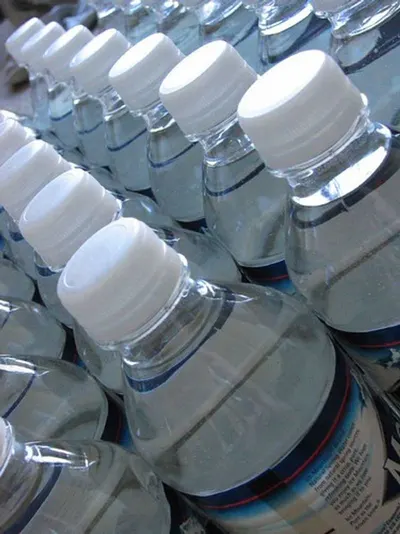
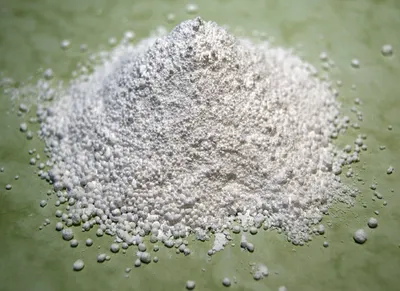
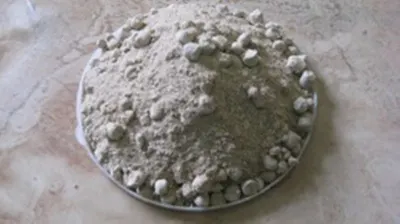
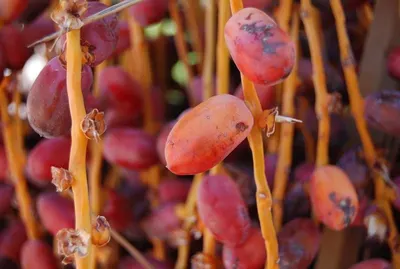
Egypt supplies eleven active products through the Egyptian Economic Center. The catalogue covers chemicals such as Ammonium Nitrate, including a technical grade, and concrete additives classified under HS 3824.40 as water‑reducing/plasticising admixtures. Mineral products include iron‑ore lumps (HS 2601.11, Fe 62‑65 %), ferro‑silicon (HS 7202.21, Si 45‑90 %), potassium feldspar (HS 2529.29, K₂O 6‑11.95 %), gypsum ore (HS 2520.10, ≥95 % purity) and calcium carbonate (HS 2836.50, ≥98 % purity). The centre also lists ball clay (HS 2507.00, Al₂O₃ 18‑28 %) and glass packaging such as jars and bottles, while semi‑dry dates are offered as an agricultural commodity.

The product categories are grouped under Chemicals & Allied Products, Other Ores & Minerals, Glass & Glass Products, Dates, and Industrial Chemicals. Each entry is identified by its HS code where available, linking the material to the international tariff schedule. The supplier’s tier is recorded as imported with a harbor trust tier, indicating operations through Egyptian ports for outbound shipments. No additional corporate history or client information is provided beyond the product list.

Product Range and Specialties of Egyptian Economic Center

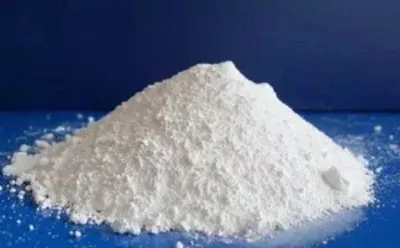
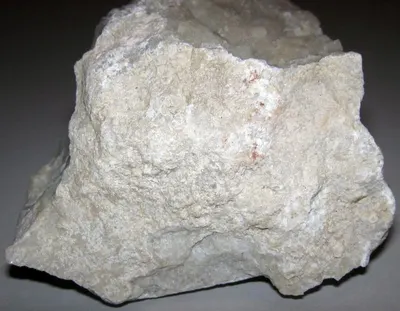
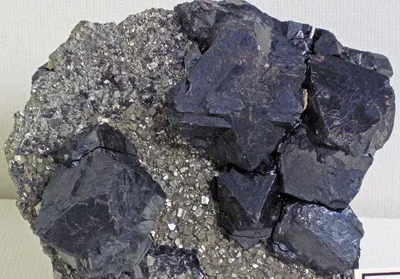
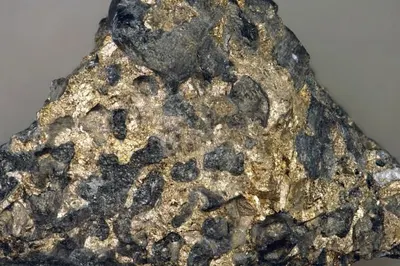
The Egyptian Economic Center’s catalogue includes Ammonium Nitrate, a nitrogen fertilizer typically supplied in grades ranging from AN‑46 (45 % N) to technical grades with purity above 99 %. Concrete additives under HS 3824.40 are usually water‑reducing polymers with dosage rates of 0.5‑2 % by cement weight. Iron‑ore lumps (Fe 62‑65 %) fall within the standard lump ore grade used for blast‑furnace feed, while ferro‑silicon alloys are offered with silicon contents of 45‑90 % for steel deoxidation. Ball clay is a kaolin‑based material with plasticity indices of 20‑30 % and is commonly shipped in 20‑ft containers. Calcium carbonate of ≥98 % purity serves as a filler in plastics and paints, and potassium feldspar with K₂O 6‑11.95 % is a common flux in ceramic glazes. Gypsum ore at >95 % purity is used for cement and plaster production, and glass jars and bottles follow standard soda‑lime glass specifications (thickness 2‑5 mm, capacity 250‑1000 ml). Semi‑dry dates are typically graded by moisture content (15‑20 %) and seed size, meeting Middle‑East export standards.

Trade and Export Information - Egyptian Economic Center

Exporters of Egyptian chemicals and mineral products usually ship to the European Union, the GCC states, North Africa and South‑East Asia. HS 2601 (iron ores), HS 3824 (chemical admixtures), HS 2507 (clays), HS 2836 (calcium compounds), HS 2529 (feldspars), HS 7202 (ferro‑silicon) and HS 2520 (gypsum) are monitored under EU REACH and US EPA import regulations, requiring safety data sheets (SDS) and, where applicable, conformity certificates. Common certifications requested by buyers include ISO 9001 quality management, ISO 14001 environmental management, and product‑specific test reports such as ASTM C618 for pozzolanic materials or ISO 9001‑based assay certificates for fertilizers. Bulk shipments are typically packed in 20‑ft or 40‑ft containers, with powders in polypropylene bulk bags (25 kg) and solid ores in steel drums or open‑top containers. Standard Incoterms used by Egyptian exporters are FOB Alexandria and CIF Dubai, with freight forwarding handled through Mediterranean ports.

Typical buyers of these categories - construction material manufacturers, fertilizer distributors, glass producers and food importers - require compliance with regional standards such as EN 13187 for cement additives, ASTM C618 for pozzolanic materials, and ISO 22000 for dried fruit. Egypt’s export infrastructure supports containerised shipments and bulk handling, and customs procedures reference the HS codes provided, facilitating quick clearance when proper documentation is supplied.

Sourcing from Egyptian Economic Center - Buyer Guidance

When sourcing Ammonium Nitrate or its technical grade, request the nitrogen content analysis, moisture level, and a recent SDS. For concrete additives, ask for the polymer type, solid content percentage, and a performance test report (e.g., slump retention). Mineral products should be accompanied by assay certificates showing Fe, Si, K₂O or CaSO₄ percentages, as well as bulk density and moisture content. Ball clay and calcium carbonate buyers normally request particle‑size distribution curves and loss‑on‑ignition values. Samples of glass jars are evaluated for wall thickness, impact resistance (ISO 1043) and chemical durability. Semi‑dry dates buyers should obtain moisture analysis, seed‑to‑flesh ratio, and a phytosanitary certificate for export.

Verification of ISO 9001 certification, REACH registration (for chemicals) and any applicable country‑specific import permits should be confirmed before contract finalisation. Confirm that the HS codes on commercial invoices match the product specifications to avoid customs delays. Ensure that packaging meets the buyer’s logistic plan - bulk bags for powders, wooden crates for glass, and sealed cartons for dates.

Frequently Asked Questions About Egyptian Economic Center

What product categories does the Egyptian Economic Center list?

The centre lists chemicals such as Ammonium Nitrate, concrete additives, mineral ores (iron ore lumps, ferro‑silicon, potassium feldspar, gypsum), industrial minerals (ball clay, calcium carbonate), glass jars and bottles, and semi‑dry dates.

Are HS codes provided for all products?

HS codes are supplied for iron‑ore lumps (2601.11), concrete additives (3824.40), ball clay (2507.00), calcium carbonate (2836.50), potassium feldspar (2529.29), ferro‑silicon (7202.21) and gypsum ores (2520.10). Other items such as Ammonium Nitrate and glass packaging are listed without HS codes.

Which certifications should a buyer request from this supplier?

Buyers should request ISO 9001 quality management certification, product‑specific test reports (e.g., nitrogen content for Ammonium Nitrate, purity assays for calcium carbonate), and safety data sheets. For chemicals, REACH registration or equivalent compliance documents are advisable.

What are typical packaging formats for the listed minerals?

Mineral powders such as calcium carbonate and concrete additives are usually packed in 25 kg polypropylene bulk bags or 1 ton paper bags. Iron‑ore lumps and ferro‑silicon are shipped in steel drums or open‑top containers, while ball clay can be loaded in 20‑ft containers on pallets.

What are common incoterms used for shipments from Egypt?

Export transactions commonly use FOB Alexandria for direct buyer handling or CIF Dubai when the seller arranges freight and insurance to the destination port.

What is the usual minimum order quantity (MOQ) for concrete additives?

Suppliers typically set an MOQ of one 20‑ft container, equivalent to roughly 20 tons, but smaller bulk‑bag orders of 5 tons may be negotiated upon request.

How long does it take to receive a sample of semi‑dry dates?

A standard sample of 5 kg can be dispatched within 5‑7 business days after the buyer provides a signed pro‑forma invoice and covers shipping costs.

What documentation is needed for customs clearance of ferro‑silicon?

Customs requires a commercial invoice showing HS 7202.21, a certificate of origin, an assay report confirming silicon content, and any applicable safety data sheet for the alloy.


Other Suppliers in Chemicals & Allied Products

Top Trusted Suppliers

Related Products in Chemicals & Allied Products

Trending in Parent Category

More Suppliers in Parent Category

Related Products

Other Suppliers

EximNext
7.1K+ live requirements
Register Free🎁 Reach global buyers
Post Requirement
🌍 Trusted by 225K+ businesses in 200+ countries|
7.1K+ active requirements right now
✉️ [email protected]
|
Sell on EximNextPost Requirement
EximNext
AgricultureApparelConstructionElectronicFoodHomeIndustrialMineralsMiscellaneous
🔥 Deals|✨ AI Match|🏭 Suppliers|📋 Buy Leads|💰 Trade Finance
7.1K+ live RFQs·194.8K+ suppliers
🎁 Reach global buyers →
EximNext
EximNext
Register Free
🎁 Reach global buyers
Sign In
📋Post Requirement💬Get Quotes✨AI Match📋RFQ Marketplace
All Categories
Services & Tools
🏭Supplier Directory🔥Today's Deals💰Trade Finance
Sell on EximNext →
AboutContactBlogHelp
Industrial & Minerals  ·  Egypt
11
products listed

Egyptian Economic Center

⚓ Harbor
Country flag , EgyptNew supplier / no reviews yet
🛡️
56/100
Trust Score

Egyptian Economic Center Product Catalog

Showing 11 of 11 products
View all products →
Ammonium Nitrate (Technical Grade)
⚓ Harbor
Ammonium Nitrate (Technical Grade)
Contact
MOQ: 1 Unit
Lumps
⚓ Harbor
Lumps
Contact
MOQ: 1 Unit
Concrete Additives
⚓ Harbor
Concrete Additives
Contact
MOQ: 1 Unit
Ball Clay
⚓ Harbor
Ball Clay
Contact
MOQ: 1 Unit
Calcium Carbonate
⚓ Harbor
Calcium Carbonate
Contact
MOQ: 1 Unit
Potassium Feldspar
⚓ Harbor
Potassium Feldspar
Contact
MOQ: 1 Unit
Ferro Silicon
⚓ Harbor
Ferro Silicon
Contact
MOQ: 1 Unit
Gypsum Ores
⚓ Harbor
Gypsum Ores
Contact
MOQ: 1 Unit
Semi Dry Dates
⚓ Harbor
Semi Dry Dates
Contact
MOQ: 1 Unit
Glass Jars & bottles
⚓ Harbor
Glass Jars & bottles
Contact
MOQ: 1 Unit
Ammonium Nitrate
⚓ Harbor
Ammonium Nitrate
Contact
MOQ: 1 Unit

About Egyptian Economic Center - Chemicals & Allied Products Supplier in Egypt

Egypt supplies eleven active products through the Egyptian Economic Center. The catalogue covers chemicals such as Ammonium Nitrate, including a technical grade, and concrete additives classified under HS 3824.40 as water‑reducing/plasticising admixtures. Mineral products include iron‑ore lumps (HS 2601.11, Fe 62‑65 %), ferro‑silicon (HS 7202.21, Si 45‑90 %), potassium feldspar (HS 2529.29, K₂O 6‑11.95 %), gypsum ore (HS 2520.10, ≥95 % purity) and calcium carbonate (HS 2836.50, ≥98 % purity). The centre also lists ball clay (HS 2507.00, Al₂O₃ 18‑28 %) and glass packaging such as jars and bottles, while semi‑dry dates are offered as an agricultural commodity.

The product categories are grouped under Chemicals & Allied Products, Other Ores & Minerals, Glass & Glass Products, Dates, and Industrial Chemicals. Each entry is identified by its HS code where available, linking the material to the international tariff schedule. The supplier’s tier is recorded as imported with a harbor trust tier, indicating operations through Egyptian ports for outbound shipments. No additional corporate history or client information is provided beyond the product list.

Product Range and Specialties of Egyptian Economic Center

The Egyptian Economic Center’s catalogue includes Ammonium Nitrate, a nitrogen fertilizer typically supplied in grades ranging from AN‑46 (45 % N) to technical grades with purity above 99 %. Concrete additives under HS 3824.40 are usually water‑reducing polymers with dosage rates of 0.5‑2 % by cement weight. Iron‑ore lumps (Fe 62‑65 %) fall within the standard lump ore grade used for blast‑furnace feed, while ferro‑silicon alloys are offered with silicon contents of 45‑90 % for steel deoxidation. Ball clay is a kaolin‑based material with plasticity indices of 20‑30 % and is commonly shipped in 20‑ft containers. Calcium carbonate of ≥98 % purity serves as a filler in plastics and paints, and potassium feldspar with K₂O 6‑11.95 % is a common flux in ceramic glazes. Gypsum ore at >95 % purity is used for cement and plaster production, and glass jars and bottles follow standard soda‑lime glass specifications (thickness 2‑5 mm, capacity 250‑1000 ml). Semi‑dry dates are typically graded by moisture content (15‑20 %) and seed size, meeting Middle‑East export standards.

Trade and Export Information - Egyptian Economic Center

Exporters of Egyptian chemicals and mineral products usually ship to the European Union, the GCC states, North Africa and South‑East Asia. HS 2601 (iron ores), HS 3824 (chemical admixtures), HS 2507 (clays), HS 2836 (calcium compounds), HS 2529 (feldspars), HS 7202 (ferro‑silicon) and HS 2520 (gypsum) are monitored under EU REACH and US EPA import regulations, requiring safety data sheets (SDS) and, where applicable, conformity certificates. Common certifications requested by buyers include ISO 9001 quality management, ISO 14001 environmental management, and product‑specific test reports such as ASTM C618 for pozzolanic materials or ISO 9001‑based assay certificates for fertilizers. Bulk shipments are typically packed in 20‑ft or 40‑ft containers, with powders in polypropylene bulk bags (25 kg) and solid ores in steel drums or open‑top containers. Standard Incoterms used by Egyptian exporters are FOB Alexandria and CIF Dubai, with freight forwarding handled through Mediterranean ports.

Typical buyers of these categories - construction material manufacturers, fertilizer distributors, glass producers and food importers - require compliance with regional standards such as EN 13187 for cement additives, ASTM C618 for pozzolanic materials, and ISO 22000 for dried fruit. Egypt’s export infrastructure supports containerised shipments and bulk handling, and customs procedures reference the HS codes provided, facilitating quick clearance when proper documentation is supplied.

Sourcing from Egyptian Economic Center - Buyer Guidance

When sourcing Ammonium Nitrate or its technical grade, request the nitrogen content analysis, moisture level, and a recent SDS. For concrete additives, ask for the polymer type, solid content percentage, and a performance test report (e.g., slump retention). Mineral products should be accompanied by assay certificates showing Fe, Si, K₂O or CaSO₄ percentages, as well as bulk density and moisture content. Ball clay and calcium carbonate buyers normally request particle‑size distribution curves and loss‑on‑ignition values. Samples of glass jars are evaluated for wall thickness, impact resistance (ISO 1043) and chemical durability. Semi‑dry dates buyers should obtain moisture analysis, seed‑to‑flesh ratio, and a phytosanitary certificate for export.

Verification of ISO 9001 certification, REACH registration (for chemicals) and any applicable country‑specific import permits should be confirmed before contract finalisation. Confirm that the HS codes on commercial invoices match the product specifications to avoid customs delays. Ensure that packaging meets the buyer’s logistic plan - bulk bags for powders, wooden crates for glass, and sealed cartons for dates.

Frequently Asked Questions About Egyptian Economic Center

What product categories does the Egyptian Economic Center list?

The centre lists chemicals such as Ammonium Nitrate, concrete additives, mineral ores (iron ore lumps, ferro‑silicon, potassium feldspar, gypsum), industrial minerals (ball clay, calcium carbonate), glass jars and bottles, and semi‑dry dates.

Are HS codes provided for all products?

HS codes are supplied for iron‑ore lumps (2601.11), concrete additives (3824.40), ball clay (2507.00), calcium carbonate (2836.50), potassium feldspar (2529.29), ferro‑silicon (7202.21) and gypsum ores (2520.10). Other items such as Ammonium Nitrate and glass packaging are listed without HS codes.

Which certifications should a buyer request from this supplier?

Buyers should request ISO 9001 quality management certification, product‑specific test reports (e.g., nitrogen content for Ammonium Nitrate, purity assays for calcium carbonate), and safety data sheets. For chemicals, REACH registration or equivalent compliance documents are advisable.

What are typical packaging formats for the listed minerals?

Mineral powders such as calcium carbonate and concrete additives are usually packed in 25 kg polypropylene bulk bags or 1 ton paper bags. Iron‑ore lumps and ferro‑silicon are shipped in steel drums or open‑top containers, while ball clay can be loaded in 20‑ft containers on pallets.

What are common incoterms used for shipments from Egypt?

Export transactions commonly use FOB Alexandria for direct buyer handling or CIF Dubai when the seller arranges freight and insurance to the destination port.

What is the usual minimum order quantity (MOQ) for concrete additives?

Suppliers typically set an MOQ of one 20‑ft container, equivalent to roughly 20 tons, but smaller bulk‑bag orders of 5 tons may be negotiated upon request.

How long does it take to receive a sample of semi‑dry dates?

A standard sample of 5 kg can be dispatched within 5‑7 business days after the buyer provides a signed pro‑forma invoice and covers shipping costs.

What documentation is needed for customs clearance of ferro‑silicon?

Customs requires a commercial invoice showing HS 7202.21, a certificate of origin, an assay report confirming silicon content, and any applicable safety data sheet for the alloy.

About Egyptian Economic Center - Chemicals & Allied Products Supplier in Egypt

Egypt supplies eleven active products through the Egyptian Economic Center. The catalogue covers chemicals such as Ammonium Nitrate, including a technical grade, and concrete additives classified under HS 3824.40 as water‑reducing/plasticising admixtures. Mineral products include iron‑ore lumps (HS 2601.11, Fe 62‑65 %), ferro‑silicon (HS 7202.21, Si 45‑90 %), potassium feldspar (HS 2529.29, K₂O 6‑11.95 %), gypsum ore (HS 2520.10, ≥95 % purity) and calcium carbonate (HS 2836.50, ≥98 % purity). The centre also lists ball clay (HS 2507.00, Al₂O₃ 18‑28 %) and glass packaging such as jars and bottles, while semi‑dry dates are offered as an agricultural commodity.

The product categories are grouped under Chemicals & Allied Products, Other Ores & Minerals, Glass & Glass Products, Dates, and Industrial Chemicals. Each entry is identified by its HS code where available, linking the material to the international tariff schedule. The supplier’s tier is recorded as imported with a harbor trust tier, indicating operations through Egyptian ports for outbound shipments. No additional corporate history or client information is provided beyond the product list.

Product Range and Specialties of Egyptian Economic Center

The Egyptian Economic Center’s catalogue includes Ammonium Nitrate, a nitrogen fertilizer typically supplied in grades ranging from AN‑46 (45 % N) to technical grades with purity above 99 %. Concrete additives under HS 3824.40 are usually water‑reducing polymers with dosage rates of 0.5‑2 % by cement weight. Iron‑ore lumps (Fe 62‑65 %) fall within the standard lump ore grade used for blast‑furnace feed, while ferro‑silicon alloys are offered with silicon contents of 45‑90 % for steel deoxidation. Ball clay is a kaolin‑based material with plasticity indices of 20‑30 % and is commonly shipped in 20‑ft containers. Calcium carbonate of ≥98 % purity serves as a filler in plastics and paints, and potassium feldspar with K₂O 6‑11.95 % is a common flux in ceramic glazes. Gypsum ore at >95 % purity is used for cement and plaster production, and glass jars and bottles follow standard soda‑lime glass specifications (thickness 2‑5 mm, capacity 250‑1000 ml). Semi‑dry dates are typically graded by moisture content (15‑20 %) and seed size, meeting Middle‑East export standards.

Trade and Export Information - Egyptian Economic Center

Exporters of Egyptian chemicals and mineral products usually ship to the European Union, the GCC states, North Africa and South‑East Asia. HS 2601 (iron ores), HS 3824 (chemical admixtures), HS 2507 (clays), HS 2836 (calcium compounds), HS 2529 (feldspars), HS 7202 (ferro‑silicon) and HS 2520 (gypsum) are monitored under EU REACH and US EPA import regulations, requiring safety data sheets (SDS) and, where applicable, conformity certificates. Common certifications requested by buyers include ISO 9001 quality management, ISO 14001 environmental management, and product‑specific test reports such as ASTM C618 for pozzolanic materials or ISO 9001‑based assay certificates for fertilizers. Bulk shipments are typically packed in 20‑ft or 40‑ft containers, with powders in polypropylene bulk bags (25 kg) and solid ores in steel drums or open‑top containers. Standard Incoterms used by Egyptian exporters are FOB Alexandria and CIF Dubai, with freight forwarding handled through Mediterranean ports.

Typical buyers of these categories - construction material manufacturers, fertilizer distributors, glass producers and food importers - require compliance with regional standards such as EN 13187 for cement additives, ASTM C618 for pozzolanic materials, and ISO 22000 for dried fruit. Egypt’s export infrastructure supports containerised shipments and bulk handling, and customs procedures reference the HS codes provided, facilitating quick clearance when proper documentation is supplied.

Sourcing from Egyptian Economic Center - Buyer Guidance

When sourcing Ammonium Nitrate or its technical grade, request the nitrogen content analysis, moisture level, and a recent SDS. For concrete additives, ask for the polymer type, solid content percentage, and a performance test report (e.g., slump retention). Mineral products should be accompanied by assay certificates showing Fe, Si, K₂O or CaSO₄ percentages, as well as bulk density and moisture content. Ball clay and calcium carbonate buyers normally request particle‑size distribution curves and loss‑on‑ignition values. Samples of glass jars are evaluated for wall thickness, impact resistance (ISO 1043) and chemical durability. Semi‑dry dates buyers should obtain moisture analysis, seed‑to‑flesh ratio, and a phytosanitary certificate for export.

Verification of ISO 9001 certification, REACH registration (for chemicals) and any applicable country‑specific import permits should be confirmed before contract finalisation. Confirm that the HS codes on commercial invoices match the product specifications to avoid customs delays. Ensure that packaging meets the buyer’s logistic plan - bulk bags for powders, wooden crates for glass, and sealed cartons for dates.

Frequently Asked Questions About Egyptian Economic Center
What product categories does the Egyptian Economic Center list?
The centre lists chemicals such as Ammonium Nitrate, concrete additives, mineral ores (iron ore lumps, ferro‑silicon, potassium feldspar, gypsum), industrial minerals (ball clay, calcium carbonate), glass jars and bottles, and semi‑dry dates.
Are HS codes provided for all products?
HS codes are supplied for iron‑ore lumps (2601.11), concrete additives (3824.40), ball clay (2507.00), calcium carbonate (2836.50), potassium feldspar (2529.29), ferro‑silicon (7202.21) and gypsum ores (2520.10). Other items such as Ammonium Nitrate and glass packaging are listed without HS codes.
Which certifications should a buyer request from this supplier?
Buyers should request ISO 9001 quality management certification, product‑specific test reports (e.g., nitrogen content for Ammonium Nitrate, purity assays for calcium carbonate), and safety data sheets. For chemicals, REACH registration or equivalent compliance documents are advisable.
What are typical packaging formats for the listed minerals?
Mineral powders such as calcium carbonate and concrete additives are usually packed in 25 kg polypropylene bulk bags or 1 ton paper bags. Iron‑ore lumps and ferro‑silicon are shipped in steel drums or open‑top containers, while ball clay can be loaded in 20‑ft containers on pallets.
What are common incoterms used for shipments from Egypt?
Export transactions commonly use FOB Alexandria for direct buyer handling or CIF Dubai when the seller arranges freight and insurance to the destination port.
What is the usual minimum order quantity (MOQ) for concrete additives?
Suppliers typically set an MOQ of one 20‑ft container, equivalent to roughly 20 tons, but smaller bulk‑bag orders of 5 tons may be negotiated upon request.
How long does it take to receive a sample of semi‑dry dates?
A standard sample of 5 kg can be dispatched within 5‑7 business days after the buyer provides a signed pro‑forma invoice and covers shipping costs.
What documentation is needed for customs clearance of ferro‑silicon?
Customs requires a commercial invoice showing HS 7202.21, a certificate of origin, an assay report confirming silicon content, and any applicable safety data sheet for the alloy.

Egyptian Economic Center
Country flag Egypt
⚓ HarborIndustrial & Minerals
56/100
Trust Score
11
Products
✓ Free to contact — no commission
✓ Escrow payment available
✓ Verified business identity
Compare more suppliers
Post a requirement — get 10 quotes free
Let verified suppliers compete for your business. Free, fast, no commitment.
Due Diligence
Verify this supplier's real shipping history.
Every shipment, every buyer, every port. Trade data that can't be faked.
Run due diligence →
Discover More

Related Suppliers & Products

Explore similar suppliers, related products and trending categories

Other Suppliers in Chemicals & Allied Products

Top Trusted Suppliers

Related Products in Chemicals & Allied Products

Trending in Parent Category

More Suppliers in Parent Category

Stay ahead in global trade
Weekly market insights & new supplier alerts.
EximNext
Exim Next is a leading global B2B marketplace, connecting over 220,000 registered suppliers and buyers across 200+ countries. As a trusted import export marketplace, it serves as the essential B2B portal for businesses worldwide, empowering them to expand their international reach. With Exim Next, businesses can trade smarter and grow faster.
SECURE PAYMENTS
VISAMastercardPayPalSWIFTL/CEscrow
Follow us
© 2026 EximNext