Dsd Merchandizers — Verified Supplier
About Dsd Merchandizers - Honey Supplier in India
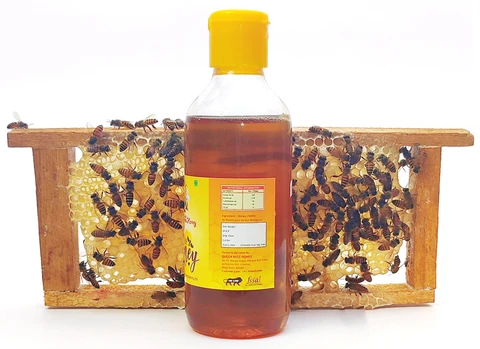
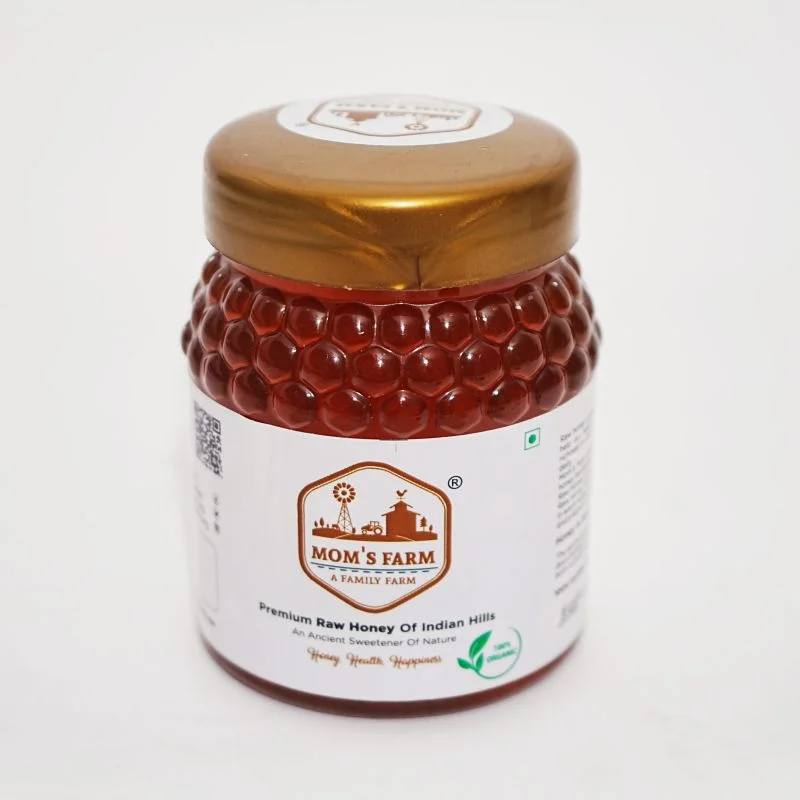
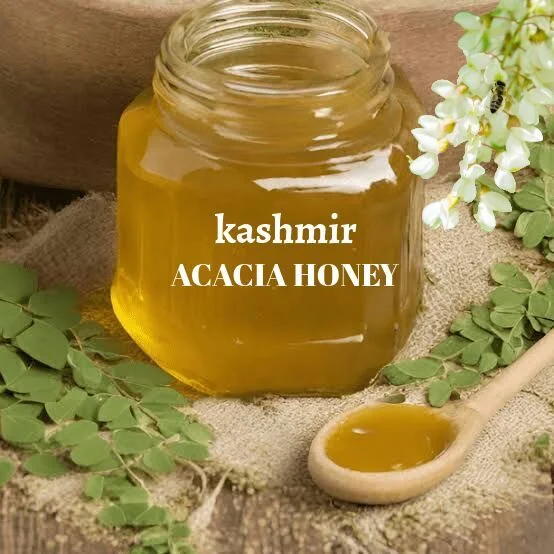
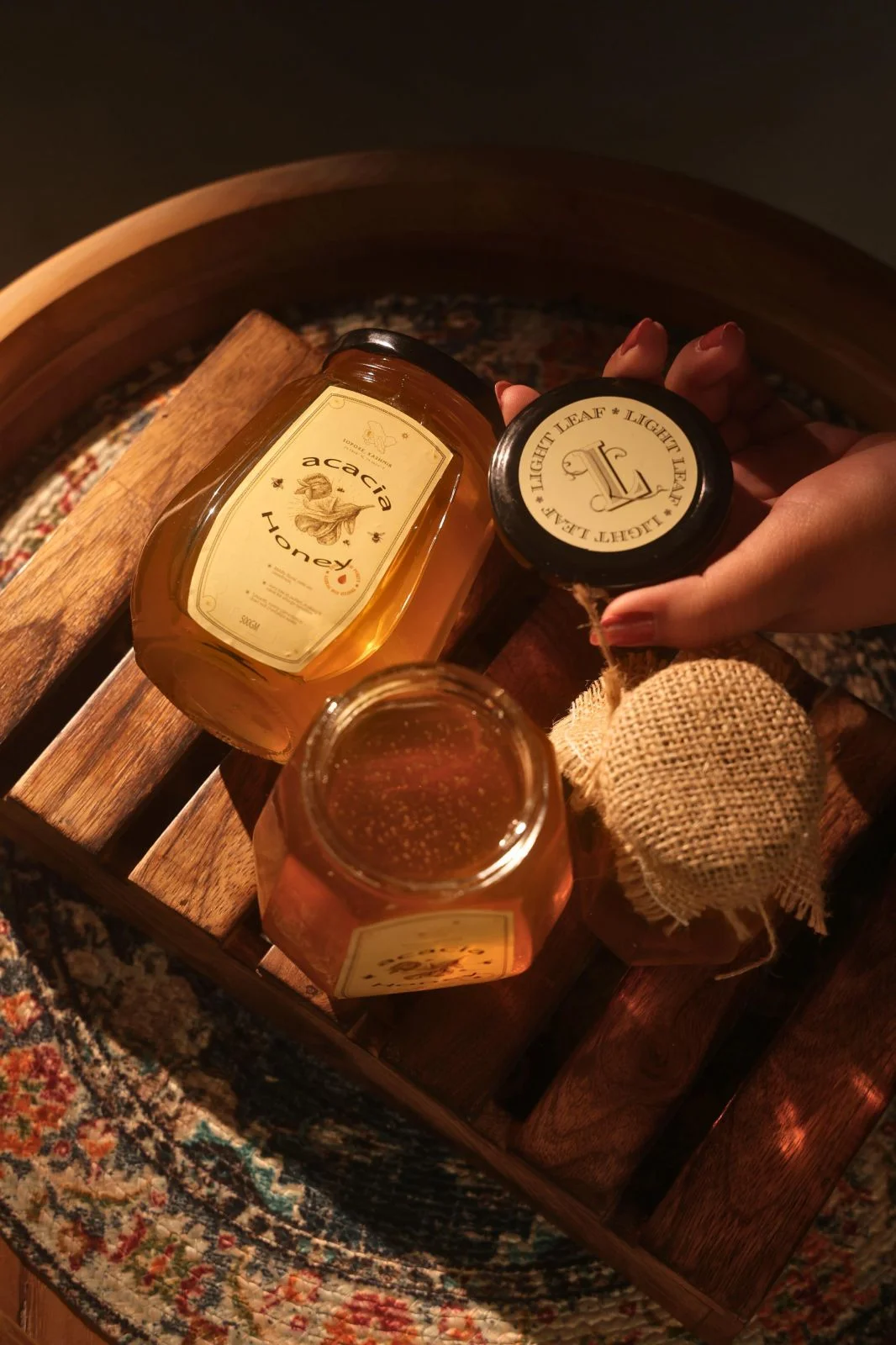
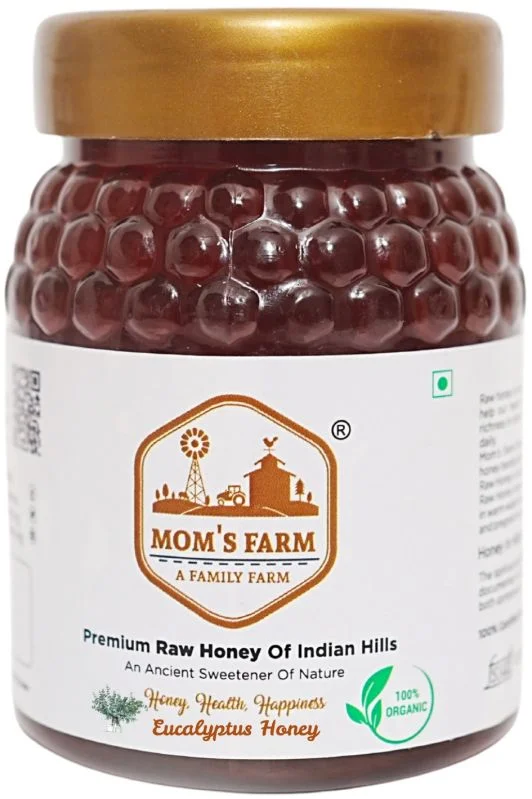
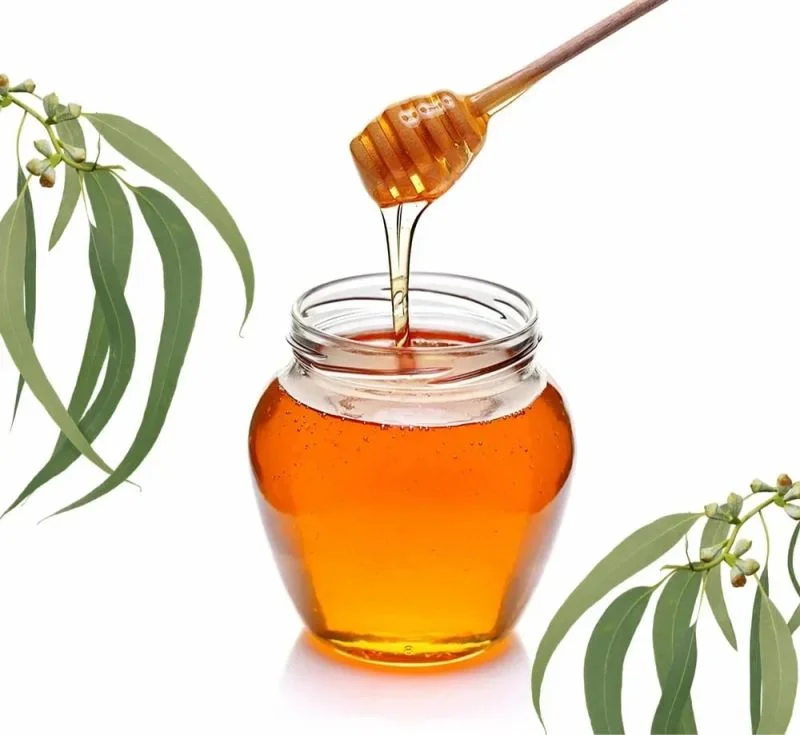
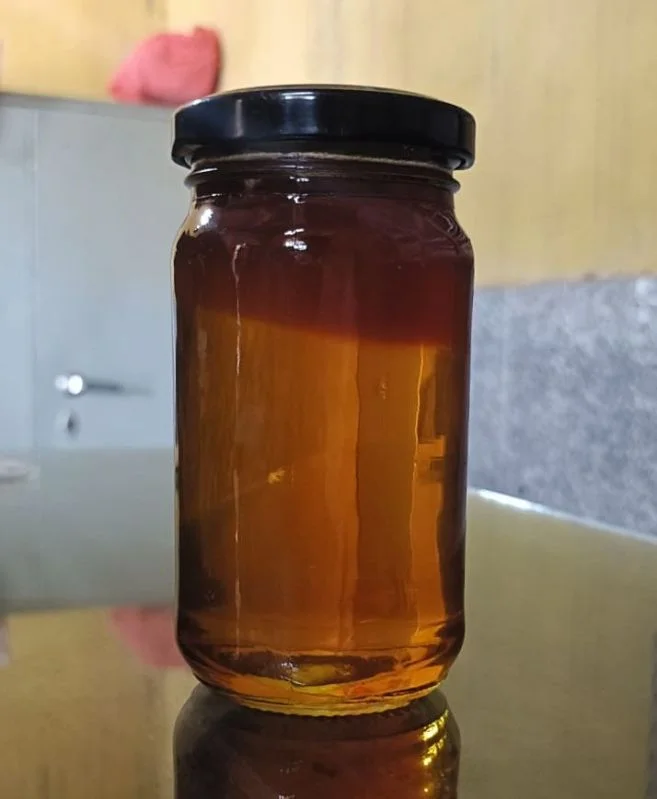
India hosts Dsd Merchandizers, a supplier that currently lists 21 active products across honey and bee‑by‑product categories. The catalogue references monofloral honeys such as Multiflora, Eucalyptus, Mustard Sarson, Coriander, Ajwain, Acacia (Khair), Sidr, Barsim, Lychee and Jamun, as well as bee pollen, honey‑comb and several gift‑pack formats. The Acacia (Khair) Honey entry includes the HS classification 0409.00 and specifies the material as natural raw monofloral honey derived from Acacia catechu nectar. All items fall under the broader HS chapter 04 for edible products of animal origin.
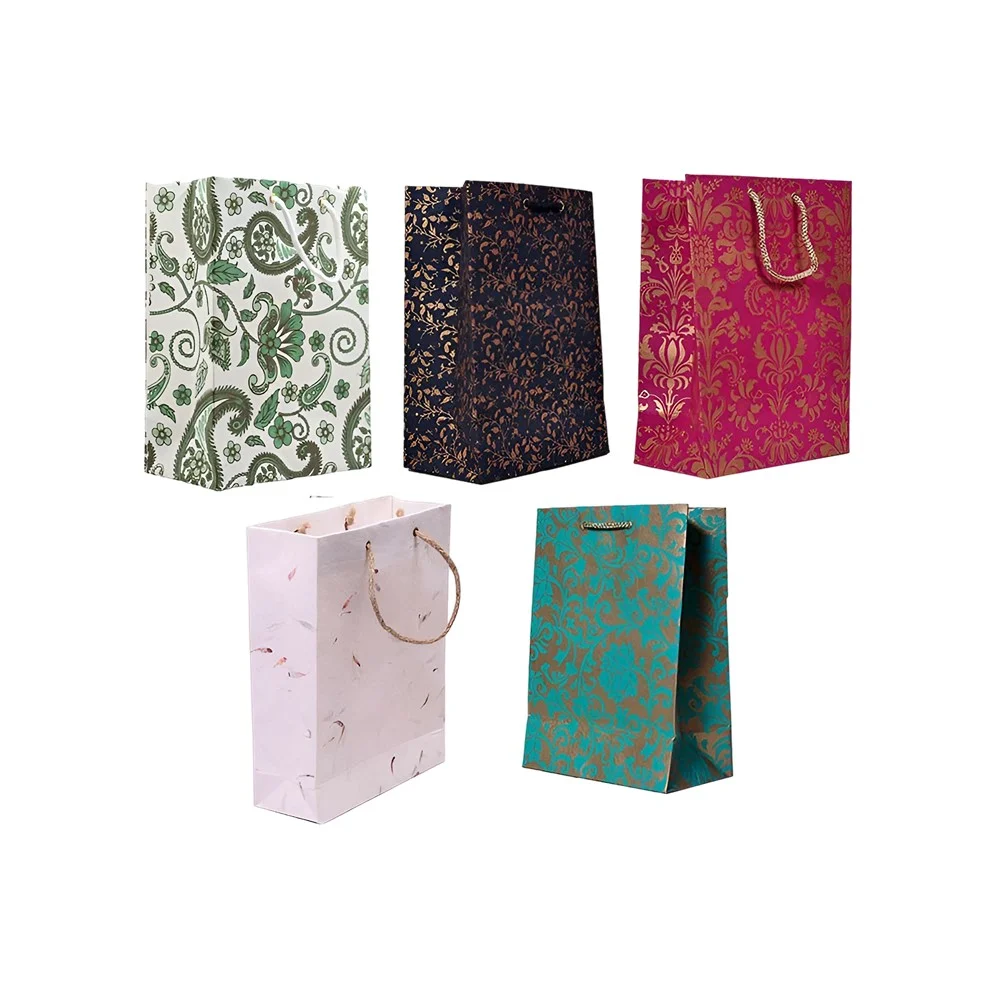
The product list also contains value‑added formats like honey with almond, special handmade chocolate gift boxes, spread‑plus‑honey small gift packs, jute‑bag gift packs and assorted family packs ranging from 2‑bottle to 6‑bottle sets. These offerings illustrate the supplier’s focus on both raw honey varieties and ready‑to‑gift configurations, covering the full spectrum of consumer and bulk‑buyer preferences in the honey market.
Product Range and Specialties of Dsd Merchandizers
The catalogue enumerates eleven distinct honey types, each derived from a specific floral source, plus bee pollen, honey‑comb and assorted gift packaging. In the honey trade, monofloral varieties are typically graded by moisture content (often <20 %), hydroxymethylfurfural (HMF) levels (commonly <40 mg kg⁻¹), and pollen count, with premium grades referenced by Codex or ICUMSA standards (e.g., ICUMSA 45 for clear, light‑colored honey). Indian honeys frequently meet ISO 22000 food‑safety requirements and may carry organic certification when produced under controlled beekeeping practices. Gift packs are usually packed in glass jars (250 g or 500 g) or sealed plastic containers, with secondary cardboard or jute packaging for bulk orders.
Trade and Export Information - Dsd Merchandizers
India is a major exporter of raw and processed honey, supplying the European Union, United States, Middle East and Southeast Asian markets. The primary HS code for natural honey is 0409.00, which covers both monofloral and multifloral varieties and aligns with customs requirements for phytosanitary certification and a certificate of origin. Importers typically request compliance with Codex Alimentarius standards, HACCP food‑safety plans and, where applicable, organic or fair‑trade certifications. Shipping is commonly handled in 20‑ft or 40‑ft containers, with each jar packed in corrugated boxes to protect against breakage; moisture‑resistant inner liners are standard to preserve product quality during transit.
Sourcing from Dsd Merchandizers - Buyer Guidance
Buyers should request a recent laboratory analysis report that includes moisture percentage, HMF level, diastase activity and pollen spectrum for each honey type. Verification of ISO 22000 or HACCP certification, as well as a phytosanitary certificate issued by Indian authorities, is standard practice before finalizing orders. Confirm packaging dimensions, jar material (glass vs. PET) and the weight per carton to ensure compatibility with warehouse handling and customs inspection procedures.
Frequently Asked Questions About Dsd Merchandizers
What honey varieties are listed by Dsd Merchandizers?
The catalogue includes Multiflora, Eucalyptus, Mustard Sarson, Coriander, Ajwain, Acacia (Khair), Sidr, Barsim, Lychee and Jamun honeys, together with bee pollen and honey‑comb products.
Which HS code applies to the Acacia honey offered?
Acacia (Khair) Honey is classified under HS code 0409.00, the standard heading for natural honey of animal origin.
What quality parameters are typical for Indian monofloral honey?
Buyers usually check moisture content below 20 %, HMF under 40 mg kg⁻¹, diastase activity above 8 Schade units and a clear pollen signature that matches the declared floral source.
Which certifications should a buyer request from this supplier?
Typical requests include ISO 22000 or HACCP food‑safety certification, a phytosanitary certificate, and, if required, an organic or fair‑trade certificate issued by an accredited body.
How is the honey typically packaged for export?
Export packs commonly use 250 g or 500 g glass jars sealed with tamper‑evident caps, placed in corrugated cartons; gift sets may be assembled in jute bags or cardboard gift boxes.
What are common minimum order quantities and lead times?
Bulk orders generally start at 500 kg per honey type, with a production and preparation lead time of 30‑45 days after order confirmation, depending on packaging specifications.
What documentation is required for customs clearance?
Importers should obtain a phytosanitary certificate, a certificate of origin, the laboratory analysis report and any applicable certification copies (e.g., ISO 22000) to satisfy customs and regulatory reviews.
Can buyers request sample shipments?
Yes, most exporters provide 250 g sample jars upon request; buyers should specify the honey variety and request the accompanying lab report to verify compliance with target specifications.




 , India