DSD Global Trade — Verified Supplier
About DSD Global Trade - Fresh Onion Supplier in India
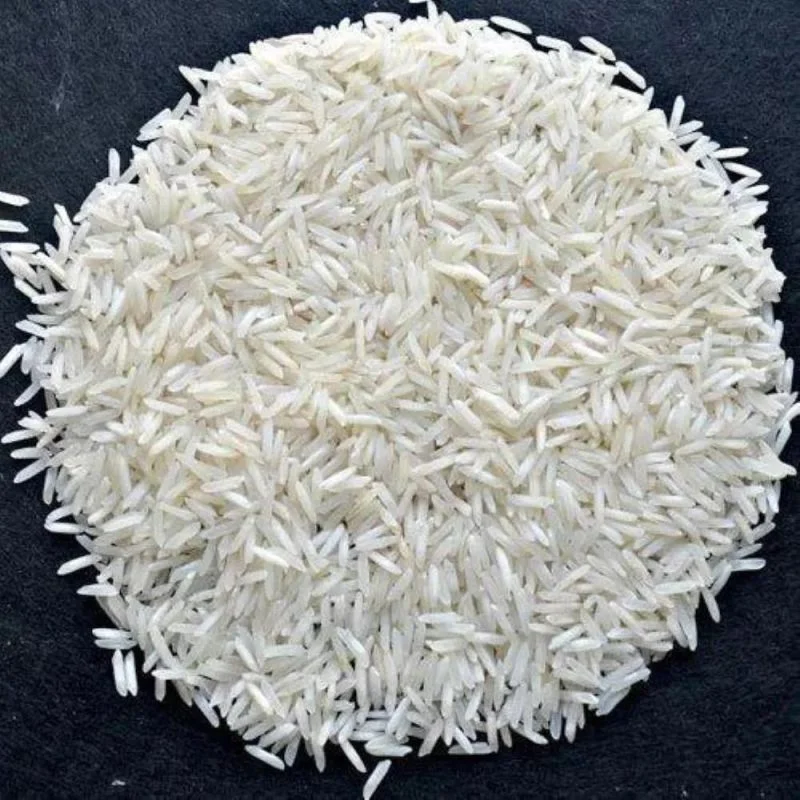
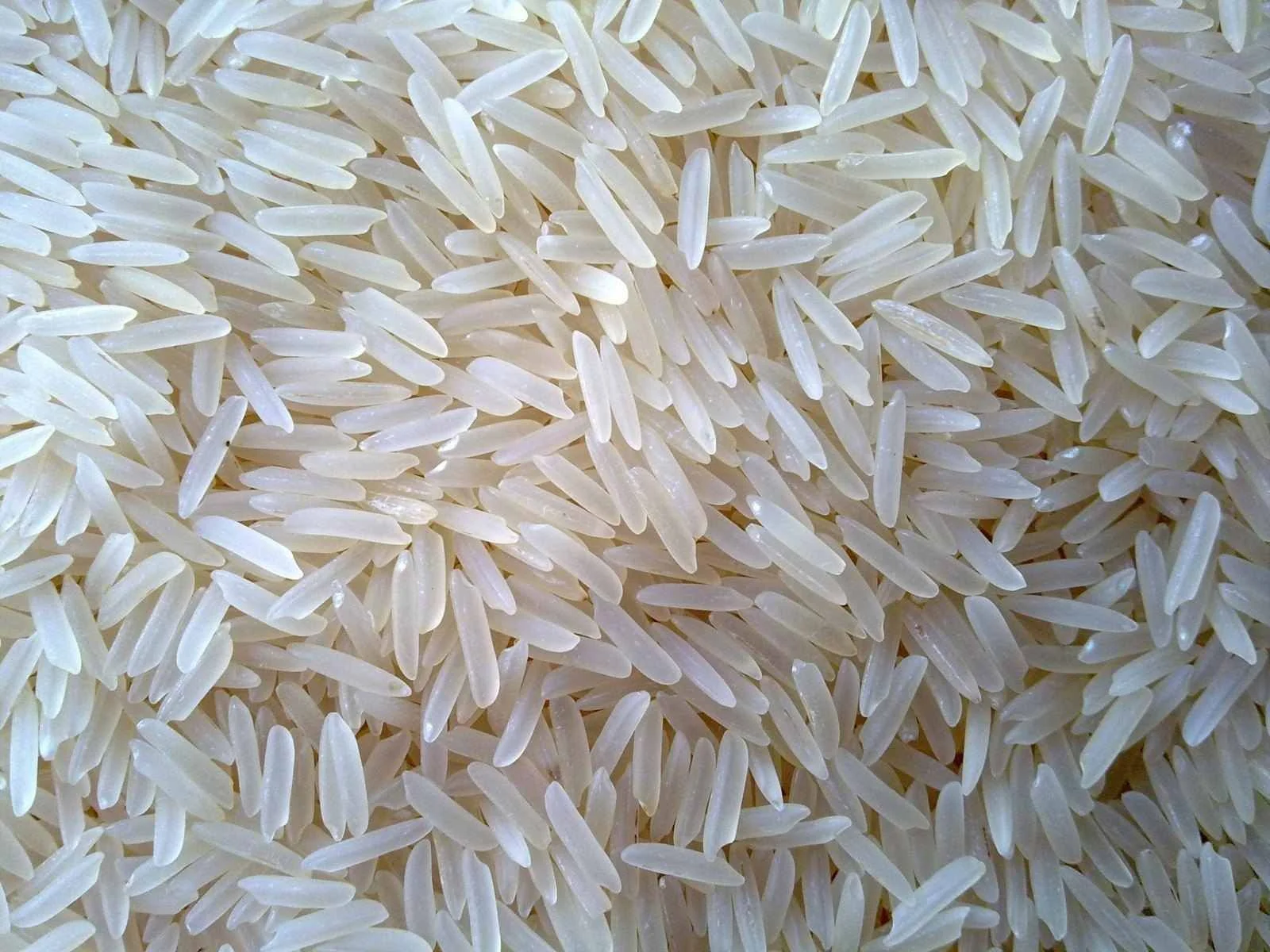
India hosts DSD Global Trade, which currently lists eight distinct products across fresh produce and packaging solutions. The catalogue enumerates fresh onions, basmati rice (HS 1006.30, extra‑long grain aromatic rice), non‑basmati rice, fresh green chilli, fresh lemon, corrugated boxes, food‑grade boxes and paper bags. Each entry reflects a separate SKU, and the supplier’s active product count is eight. The fresh produce items are presented without additional HS codes, while the basmati rice entry includes the specific HS tariff sub‑heading and material description provided in the source data. The packaging items are grouped under generic “box” and “bag” categories without further tariff detail.
The listed product set spans two broad sectors: horticultural commodities and paper‑based packaging. The horticultural line covers staple Indian export crops - onions, chilies and lemons - which are typically harvested in the post‑monsoon season and shipped in bulk or palletised cartons. The packaging line includes corrugated cartons and food‑grade boxes that meet standard flute and burst‑strength specifications, as well as kraft paper bags used for bulk handling. No additional company history, employee numbers or revenue figures are supplied in the source information.
Product Range and Specialties of DSD Global Trade
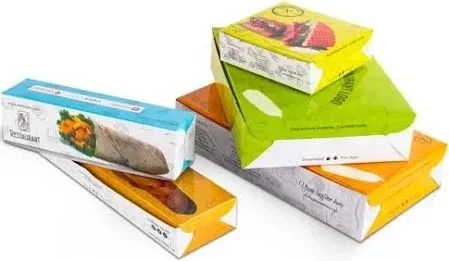
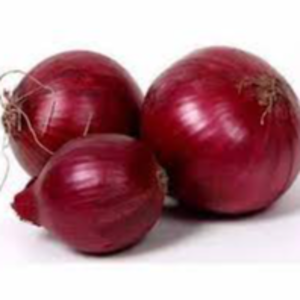
DSD Global Trade’s catalogue contains five fresh‑produce items and three paper‑based packaging products. Onion listings generally refer to medium‑size bulbs with a dry matter content of 10‑12 % and a typical moisture range of 8‑10 %. Basmati rice is identified as extra‑long grain aromatic rice, a category that buyers usually evaluate by grain length (≥7 mm) and polishing degree (ICUMSA 45‑70). Non‑basmati rice covers medium‑grain varieties where bulk density and broken‑grain percentage are key quality metrics. Green chilli entries are typically measured by length (30‑60 mm) and Scoville heat units (1 000‑5 000 SHU). Lemons are evaluated for juice yield (≈45 % of weight) and acidity (pH 2.2‑2.5). Corrugated boxes follow standard single‑wall construction with B‑flute or C‑flute profiles and a minimum burst strength of 250 kPa. Food‑grade boxes are usually coated with food‑safe lacquer and meet FDA or EU food‑contact regulations. Paper bags commonly have a grammage of 70‑120 g/m² and are supplied in bulk rolls or pre‑cut sizes.
Trade and Export Information - DSD Global Trade
India is a major exporter of onions, rice and citrus, with primary markets in the Middle East, South‑East Asia and East Africa for fresh produce. Rice, especially basmati, is shipped under HS chapter 10, where the 1006.30 sub‑heading indicates milled aromatic rice; buyers often require a phytosanitary certificate, a certificate of origin and laboratory analysis for moisture (≤14 %) and foreign matter (<2 %). Packaging products such as corrugated boxes fall under HS 4823 and are generally exported to European and North American distributors that demand compliance with ISO 9001 quality management and, where applicable, FSC certification for sustainable sourcing. Indian exporters typically use CIF or FOB terms, with containers sized 20 ft (≈20 t) for bulk rice and 40 ft high‑cube containers for packaged goods. Standard inspection agencies include the Agricultural and Processed Food Products Export Development Authority (APEDA) for produce and the Bureau of Indian Standards (BIS) for packaging.
Sourcing from DSD Global Trade - Buyer Guidance
When sourcing onions, request a recent phytosanitary certificate, a moisture analysis and a sample that demonstrates the average bulb size and skin integrity. For basmati rice, ask for a mill test report that includes ICUMSA value, grain length distribution and moisture content, together with a certificate of origin and any applicable organic or non‑GMO statements. Green chilli and lemon buyers should obtain pesticide residue test results and confirm that the produce meets the importing country’s maximum residue limits (MRLs). For corrugated and food‑grade boxes, request a product data sheet that lists flute type, board grade, burst strength and, if required, a compliance statement for FDA 21 CFR 176 or EU Regulation 1935/2004. Paper bags should be accompanied by a specification sheet showing grammage, tear resistance and any recycled‑content certification. Verifying these documents before order placement helps reduce customs delays and ensures product conformity to buyer standards.
Frequently Asked Questions About DSD Global Trade
What documentation is needed to import onions from DSD Global Trade?
Buyers should request a phytosanitary certificate, a moisture analysis (typically 8‑10 % moisture) and a recent sample showing average bulb size. Importing countries may also require a certificate of origin.
Which HS code applies to the basmati rice listed by DSD Global Trade?
The basmati rice entry is classified under HS 1006.30, which covers milled aromatic rice of the basmati variety.
What quality parameters are commonly checked for basmati rice?
Buyers usually verify grain length (≥7 mm), polishing degree (ICUMSA 45‑70), moisture content (≤14 %) and broken‑grain percentage (typically <5 %).
How can I evaluate the packaging strength of the corrugated boxes?
Request a product data sheet that specifies the flute profile (B‑flute or C‑flute) and burst strength, which is commonly required to be at least 250 kPa for export shipments.
Are food‑grade boxes from DSD Global Trade compliant with international food‑contact regulations?
The supplier lists food‑grade boxes; buyers should ask for a compliance statement referencing FDA 21 CFR 176 or EU Regulation 1935/2004, and verify that the coating is food‑safe.
What are the typical lead times and minimum order quantities for the paper bags?
Paper bags are generally supplied in bulk rolls with lead times of 2‑4 weeks, and minimum order quantities range from 5 000 to 10 000 units depending on size and grammage.
Which markets does DSD Global Trade primarily serve for its fresh produce?
The company’s fresh produce, such as onions, green chilli and lemon, is commonly exported from India to the Middle East, South‑East Asia and East African regions.
What incoterms are usually used for shipping the rice and packaging products?
Export shipments from India commonly use FOB (Free on Board) or CIF (Cost, Insurance, Freight) terms, with rice typically loaded in 20 ft containers and packaging items in 40 ft high‑cube containers.




 , India