Dry Fruits Delight — Supplier
About Dry Fruits Delight - Cashew Nuts Supplier in India
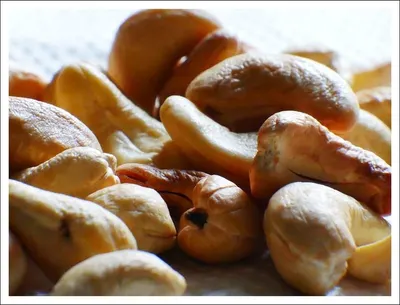
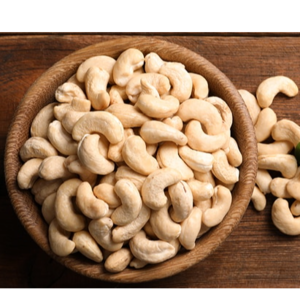
India hosts six dry‑fruit products listed by Dry Fruits Delight, reflecting an active product count of 6. The catalogue enumerates cashew kernels (Kaju), pistachio kernels (Pista), walnut kernels, almond kernels, dried grapes (Kismis) and dried apricots. Each entry aligns with the HS chapter 08 family for edible nuts and fruits, which is used in customs declarations for such commodities. The supplier’s top category is identified as Cashew Nuts, but the list also covers other tree nuts and dried fruit. No additional product families are indicated.
The six items are presented without detailed grades or packaging specifications in the source data, so the description remains limited to the product names. The catalogue does not provide HS codes, certifications, or origin‑specific processing locations. Consequently, buyers must obtain product data sheets to confirm size grades, moisture limits, and any required food safety certifications. The supplier’s trust tier is recorded as “harbor”, indicating a moderate level of platform verification. All listed products fall under the broader category of edible nuts and dried fruits exported from India.
Product Range and Specialties of Dry Fruits Delight
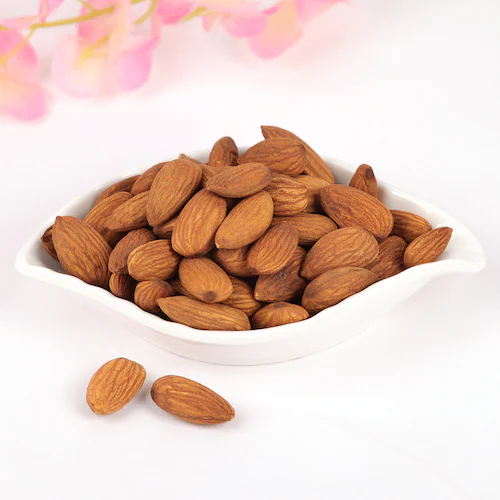
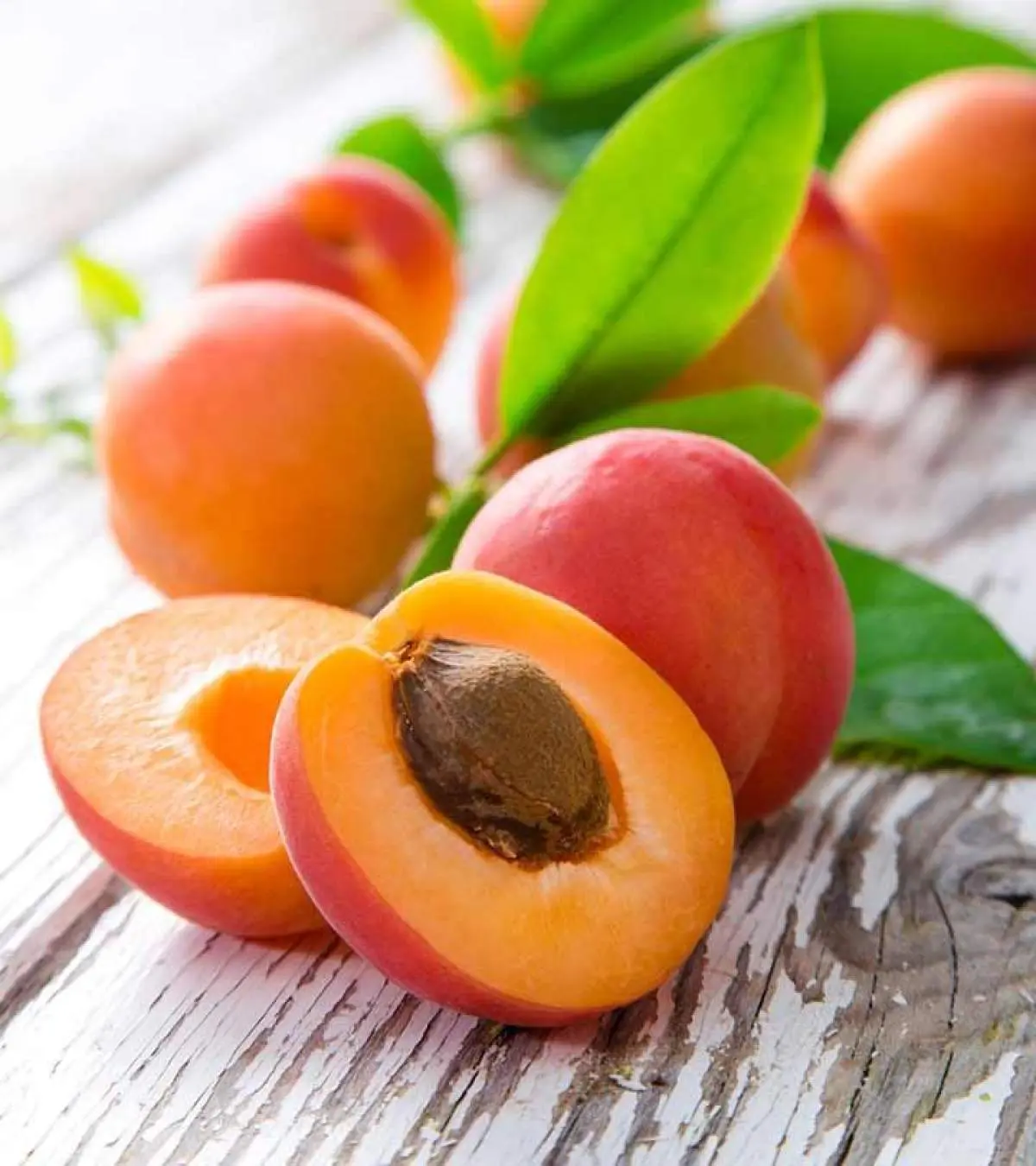
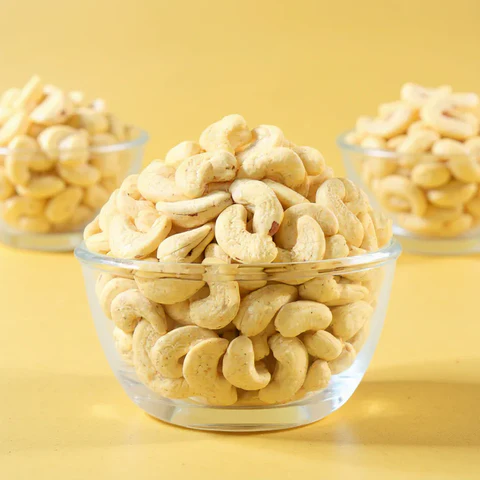
Dry Fruits Delight’s catalogue comprises six core dry‑fruit items: Kaju (cashew kernels), Pista (pistachio kernels), walnut kernels, almond kernels, Kismis (dried grapes), and apricot halves. In international trade, cashew kernels are typically graded AA, A, or B based on size (18 - 22 mm for AA) and moisture below 5 %. Pistachios are usually sorted by kernel color (green) and moisture under 4 %, while walnuts and almonds are graded by kernel size and shell integrity, with moisture limits of 5 % and 4 % respectively. Dried grapes (raisins) are classified by length (7 - 10 mm) and moisture content under 15 %, and dried apricots are evaluated for uniform drying and sugar concentration.
Common industry specifications for these commodities include aflatoxin limits (≤10 µg/kg for nuts in the EU), pesticide residue thresholds, and microbiological standards such as total plate count below 10⁴ CFU/g. Buyers frequently request packaging in 25 kg polypropylene bags or 10 kg cartons, which can be palletised for 20 ft container loads of roughly 18 - 20 metric tonnes for nuts and 15 - 16 tonnes for dried fruit. Standard HS codes applied are 0802 10 for cashew kernels, 0802 20 for pistachios, 0802 30 for walnuts, 0802 40 for almonds, 0805 10 for raisins, and 0805 20 for dried apricots.
Trade and Export Information - Dry Fruits Delight
India ranks among the top global exporters of cashew kernels, pistachios, walnuts, almonds, raisins and dried apricots, supplying markets in the European Union, the United States, the Middle East and Southeast Asia. Export shipments are normally declared under HS chapter 08, with sub‑headings matching each product type (e.g., 0802 10 for cashews). Buyers typically require a phytosanitary certificate, a certificate of origin, and compliance with food safety standards such as ISO 22000, HACCP or FSSC 22000. Depending on the destination, additional certifications like EU organic or US FDA Prior Notice may be requested.
Logistically, nuts and dried fruits are shipped in 20 ft containers at a gross weight of 18 000 kg for nuts and 15 000 kg for dried fruit, using either FOB (Free on Board) from Indian ports such as Mumbai or CIF (Cost, Insurance, Freight) to the buyer’s port. Moisture‑controlled packaging and nitrogen flushing are common practices to preserve quality during sea transport. The supplier’s trust tier “harbor” suggests that platform verification is in place, but buyers should still verify customs documentation and any required import permits in the target market.
Sourcing from Dry Fruits Delight - Buyer Guidance
Prospective buyers should request a detailed product specification sheet that lists size grade, moisture content, aflatoxin level, pesticide residues, and the exact HS code for each item. Samples are usually supplied in a 1 kg or 5 kg pack, allowing laboratory testing for compliance with the buyer’s quality standards before a full order is placed.
In addition to product specs, buyers need to confirm that the supplier can provide a phytosanitary certificate, a certificate of origin and, if required, ISO 22000 or HACCP audit reports. Verification of packaging dimensions, pallet configuration and container loading plans helps avoid unexpected freight costs. Clarifying the minimum order quantity - often 5 metric tonnes per product for a full container load - and the typical lead time of 30‑45 days after order confirmation will align expectations.
Frequently Asked Questions About Dry Fruits Delight
What dry‑fruit products does Dry Fruits Delight list in its catalogue?
The catalogue lists six items: cashew kernels (Kaju), pistachio kernels (Pista), walnut kernels, almond kernels, dried grapes (Kismis) and dried apricot pieces.
Which HS codes are normally used for these products when exporting from India?
Typical HS sub‑headings are 0802 10 for cashew kernels, 0802 20 for pistachios, 0802 30 for walnuts, 0802 40 for almonds, 0805 10 for raisins and 0805 20 for dried apricots.
What quality specifications should buyers check for Indian nuts and dried fruits?
Buyers usually verify size grade (e.g., AA cashews 18‑22 mm), moisture content (≤5 % for most nuts, ≤15 % for raisins), aflatoxin limits (≤10 µg/kg for EU markets) and compliance with food‑safety standards such as ISO 22000 or HACCP.
Which certifications are commonly required for importing these commodities?
Importers often request a phytosanitary certificate, a certificate of origin and evidence of food‑safety management systems like ISO 22000, HACCP or FSSC 22000; organic or EU‑specific certifications are additional if required.
What are typical packaging and container loading practices for these items?
Nuts are usually packed in 25 kg polypropylene bags or 10 kg cartons, while dried fruits may use similar bags; a 20 ft container can carry roughly 18 000 kg of nuts or 15 000 kg of dried fruit, palletised on standard 1 m × 1 m pallets.
What is a common minimum order quantity and lead time for shipments from India?
Suppliers often set a minimum order of about 5 metric tonnes per product, which fills a standard 20 ft container, and the production and documentation process typically requires 30‑45 days from order confirmation.




 , India