Dongying Taixiao Trade Company — Verified Supplier

About Dongying Taixiao Trade Company - Aluminium Products Supplier in China

China hosts Dongying Taixiao Trade Company, which currently lists 17 distinct aluminium‑related products in its catalogue. The entries cover aluminium ingots (HS 7601.20), extruded and harmonica‑shaped aluminium tubes (HS 7604.29, 7608.10‑20), aluminium bars (HS 7604.10), radiator assemblies (HS 8708.91), condensers (HS 7616.99), brass radiator tubes (HS 7407.11) and zinc‑aluminum strips (HS 7904.00). Each product is identified by a specific alloy family, such as Al‑Mn 3003 for most tubes or 6061/6063 for bars and condensers, and the catalogue differentiates between automotive‑specific items and generic raw forms.

The supplier’s top categories include Automobile Spare Parts & Supplies, Aluminum Ingots, Aluminum Tubes, Aluminum Bars and Automobile Radiators/Anti‑Freeze/Coolants. Within the tube family, several listings repeat the harmonica‑shaped profile for automotive radiators, identified under HS codes 7608.11, 7608.20 and 7608.10, while the aluminium bar entry cites alloys 6061, 6063 and 3003. Brass radiator tubes are recorded under HS 7407.11 with a C26000 (70 % Cu/30 % Zn) composition, and the zinc‑al strips are described as a typical ZA‑5 alloy (≈95 % Zn/5 % Al).

Product Range and Specialties of Dongying Taixiao Trade Company

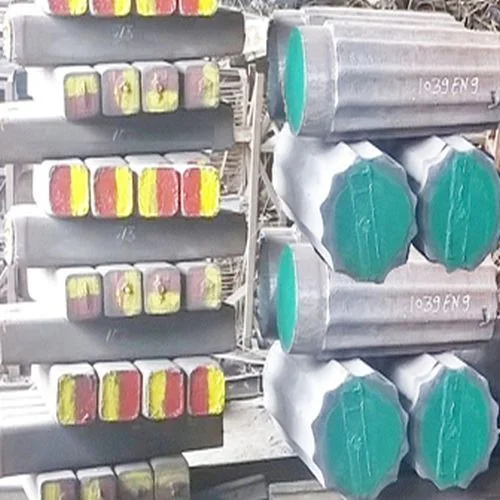
The catalogue concentrates on aluminium extrusion products that are standard in automotive heat‑exchange systems. Harmonica‑shaped tubes are normally produced from Al‑Mn 3003 alloy, containing 1.0‑1.5 % Mn, ≤0.12 % Si and ≤0.05 % Cu, delivering tensile strengths of 150‑200 MPa and elongation of 5‑10 %. Typical wall thicknesses range from 0.6 mm to 2.0 mm with length tolerances of ±2 mm, and the profile is welded or brazed to aluminium plates for radiator cores. Aluminium bars listed under HS 7604.10 are commonly supplied in 6061‑T6 or 6063‑T6 temper, offering 310‑340 MPa tensile strength and standard dimensions up to 200 mm × 200 mm cross‑section.

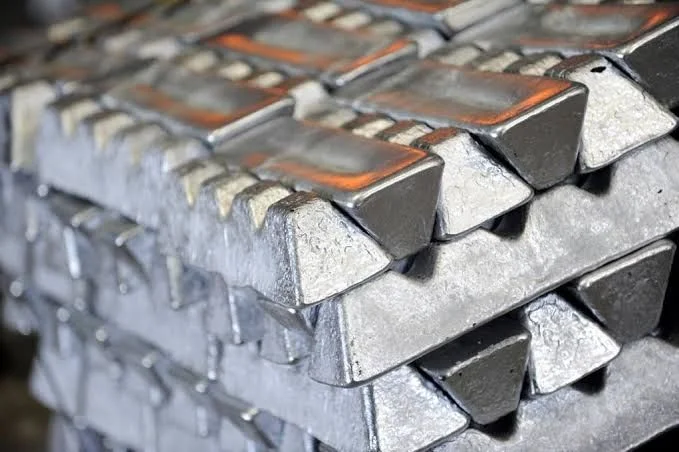
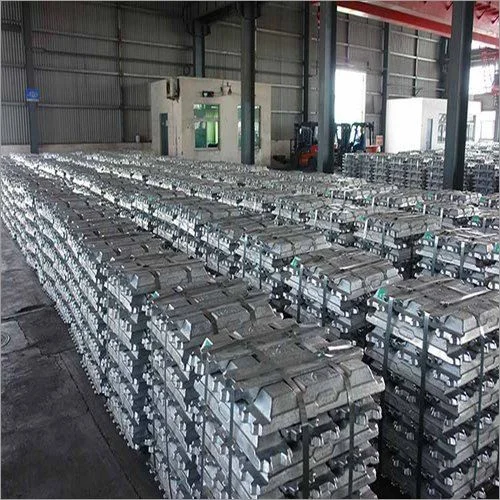
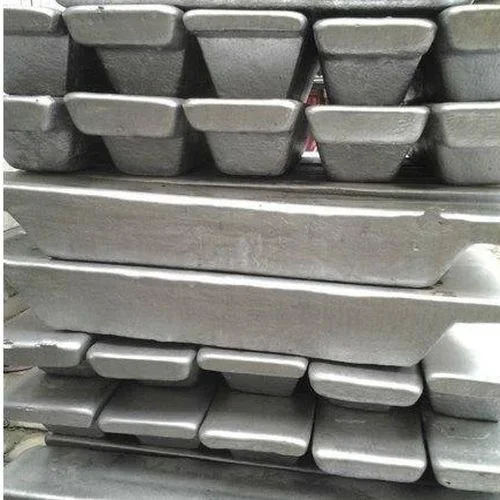
For brass radiator tubes, the C26000 alloy (Cu 70 %/Zn 30 %) is usually annealed, providing good corrosion resistance and a typical outer diameter of 10‑30 mm with wall thicknesses of 0.5‑2 mm. Zinc‑al strips (ZA‑5) are rolled to thicknesses of 0.2‑1.0 mm and are used for corrosion‑protective cladding; they meet the composition limits of ISO 6360. The aluminium ingots (HS 7601.20) are primary A7 grade with a minimum purity of 99.7 % Al, suitable for downstream rolling or extrusion.

Trade and Export Information - Dongying Taixiao Trade Company

China is one of the world’s largest exporters of aluminium extrusions, with major demand coming from automotive manufacturers in Europe, North America and Southeast Asia. HS chapters 76 (Aluminium and aluminium products) and 74 (Copper and copper products) dominate the customs data for these items, and buyers typically require compliance with ASTM B221 (Aluminium extruded tubes), ASTM B209 (Aluminium bars) and EN 755‑2 for automotive radiators. Common certifications requested by importers include ISO 9001 quality management, ISO 14001 environmental management and material‑specific certificates such as EN 573‑3 for aluminium alloy chemistry.

Logistically, the products are shipped in standard 20‑ft or 40‑ft containers, secured on wooden pallets and wrapped in anti‑corrosion film. FOB terms from ports such as Qingdao or Tianjin and CIF to the buyer’s destination are the prevalent Incoterms. Export licences are not required for aluminium, but customs inspections often verify HS code accuracy and material certificates before release.

Sourcing from Dongying Taixiao Trade Company - Buyer Guidance

Buyers should request a Mill Test Certificate (MTC) for every aluminium alloy batch, confirming chemical composition, tensile strength, elongation and temper designation. For the harmonica‑shaped tubes, a dimensional inspection report that lists outer diameter, wall thickness, and welding quality (if applicable) is standard practice. Requesting compliance documents for ASTM B221 or EN 755‑2 helps verify that the tubes meet automotive heat‑exchanger specifications.

For brass radiator tubes and zinc‑al strips, ask for material analysis reports (e.g., ICP‑OES) that confirm Cu/Zn ratios for brass and Zn/Al percentages for the strips, together with surface‑hardness or annealing certificates. Verifying that packaging meets ISPM 15 wood‑pallet standards and that the containers are moisture‑controlled reduces the risk of corrosion during transit.

Frequently Asked Questions About Dongying Taixiao Trade Company

What aluminium alloy grades are offered for the harmonica‑shaped tubes?

The supplier lists Al‑Mn 3003 alloy, typically containing 1.0‑1.5 % Mn, ≤0.12 % Si and ≤0.05 % Cu. This alloy provides tensile strengths of 150‑200 MPa and is widely used for automotive radiator tubes.

How are the aluminium bars packaged for international shipment?

Bars are bundled, wrapped in anti‑corrosion film, placed on standard wooden pallets and loaded into 20‑ft or 40‑ft containers. Pallet dimensions follow ISO 6780 to ensure container fit.

Which certifications should a buyer request for the aluminium ingots?

Buyers should obtain a Mill Test Certificate and verify compliance with ISO 9001 and EN 573‑3, which specifies the chemical purity limits for primary aluminium grades such as A7 (minimum 99.7 % Al).

What are the typical dimensions and tolerances for the brass radiator tubes?

C26000 brass tubes are supplied in diameters from 10 mm to 30 mm with wall thicknesses of 0.5‑2 mm. Dimensional tolerance is generally ±0.1 mm and the surface finish is supplied annealed for easy forming.

What documentation is required for zinc‑aluminum strips?

Buyers should request a material analysis report showing approximately 95 % Zn and 5 % Al, along with compliance to ASTM B506 or ISO 6360 for zinc‑al alloys. A surface‑coating certificate is also advisable.

What are the usual lead times and minimum order quantities?

Lead time is typically 4‑6 weeks after order confirmation, depending on alloy and product form. Minimum order quantities are usually 5 tonnes for aluminium extrusions, 2 tonnes for brass tubes and 1 tonne for zinc‑al strips.

Which Incoterms are most commonly used for these products?

The supplier works with FOB terms from major Chinese ports such as Qingdao or Tianjin, and also offers CIF to the buyer’s destination when requested. This allows the buyer to select the preferred risk and cost allocation.

How can a buyer verify the HS code accuracy before shipment?

Buyers should compare the product description, alloy composition and intended use with the listed HS codes (e.g., 7608.11 for aluminium radiator tubes). Requesting a pre‑shipment customs declaration draft helps confirm that the correct code will be applied.


Featured Products from this Supplier

Other Suppliers in Primary Category

Top Trusted Suppliers

Related Products

Trending in Parent Category

More Suppliers in Category

Related Products

Other Suppliers

EximNext
58.4K+ live requirements
Register Free🎁 5 free buy-lead credits
Post Requirement
🌍 Trusted by 224.4K+ businesses in 200+ countries|
58.4K+ active requirements right now
✉️ [email protected]
|
Sell on EximNextPost Requirement
EximNext
AgricultureApparelConstructionElectronicFoodHomeIndustrialMineralsMiscellaneous
🔥 Deals|✨ AI Match|🏭 Suppliers|📋 Buy Leads|💰 Trade Finance|⭐ Upgrade
58.4K+ live RFQs·194.4K+ suppliers
🎁 5 free credits →
EximNext
EximNext
Register Free
🎁 5 free buy-lead credits
Sign In
📋Post Requirement💬Get QuotesAI Match📋RFQ Marketplace
All Categories
Services & Tools
🏭Supplier Directory🔥Today's Deals💰Trade FinanceMembership
Sell on EximNext
AboutContactBlogHelp
🏭

Dongying Taixiao Trade Company

Harbor
Country flag , China
🛡️
77/100
Trust Score

Dongying Taixiao Trade Company Product Catalog

Showing 12 of 17 products
View all products →
Radiator
Harbor
Radiator
Contact
MOQ: 1 Unit
Aluminum
Harbor
Aluminum
Contact
MOQ: 1 Unit
Extruded Tube
Harbor
Extruded Tube
Contact
MOQ: 1 Unit
Aluminum Ingots
Harbor
Aluminum Ingots
Contact
MOQ: 1 Unit
Tube harmonica Shape Aluminum For Cars
Harbor
Tube harmonica Shape Aluminum For Cars
Contact
MOQ: 1 Unit
Harmonica Shape Aluminum Tube For Auto Parts
Harbor
Harmonica Shape Aluminum Tube For Auto Parts
Contact
MOQ: 1 Unit
Aluminum Harmonica-shaped Tube
Harbor
Aluminum Harmonica-shaped Tube
Contact
MOQ: 1 Unit
Radiator Brass Tube
Harbor
Radiator Brass Tube
Contact
MOQ: 1 Unit
Zinc-al Strips
Harbor
Zinc-al Strips
Contact
MOQ: 1 Unit
Condensers
Harbor
Condensers
Contact
MOQ: 1 Unit
Car Rediator
Harbor
Car Rediator
Contact
MOQ: 1 Unit
Aluminum Bars
Harbor
Aluminum Bars
Contact
MOQ: 1 Unit

About Dongying Taixiao Trade Company - Aluminium Products Supplier in China

China hosts Dongying Taixiao Trade Company, which currently lists 17 distinct aluminium‑related products in its catalogue. The entries cover aluminium ingots (HS 7601.20), extruded and harmonica‑shaped aluminium tubes (HS 7604.29, 7608.10‑20), aluminium bars (HS 7604.10), radiator assemblies (HS 8708.91), condensers (HS 7616.99), brass radiator tubes (HS 7407.11) and zinc‑aluminum strips (HS 7904.00). Each product is identified by a specific alloy family, such as Al‑Mn 3003 for most tubes or 6061/6063 for bars and condensers, and the catalogue differentiates between automotive‑specific items and generic raw forms.

The supplier’s top categories include Automobile Spare Parts & Supplies, Aluminum Ingots, Aluminum Tubes, Aluminum Bars and Automobile Radiators/Anti‑Freeze/Coolants. Within the tube family, several listings repeat the harmonica‑shaped profile for automotive radiators, identified under HS codes 7608.11, 7608.20 and 7608.10, while the aluminium bar entry cites alloys 6061, 6063 and 3003. Brass radiator tubes are recorded under HS 7407.11 with a C26000 (70 % Cu/30 % Zn) composition, and the zinc‑al strips are described as a typical ZA‑5 alloy (≈95 % Zn/5 % Al).

Product Range and Specialties of Dongying Taixiao Trade Company

The catalogue concentrates on aluminium extrusion products that are standard in automotive heat‑exchange systems. Harmonica‑shaped tubes are normally produced from Al‑Mn 3003 alloy, containing 1.0‑1.5 % Mn, ≤0.12 % Si and ≤0.05 % Cu, delivering tensile strengths of 150‑200 MPa and elongation of 5‑10 %. Typical wall thicknesses range from 0.6 mm to 2.0 mm with length tolerances of ±2 mm, and the profile is welded or brazed to aluminium plates for radiator cores. Aluminium bars listed under HS 7604.10 are commonly supplied in 6061‑T6 or 6063‑T6 temper, offering 310‑340 MPa tensile strength and standard dimensions up to 200 mm × 200 mm cross‑section.

For brass radiator tubes, the C26000 alloy (Cu 70 %/Zn 30 %) is usually annealed, providing good corrosion resistance and a typical outer diameter of 10‑30 mm with wall thicknesses of 0.5‑2 mm. Zinc‑al strips (ZA‑5) are rolled to thicknesses of 0.2‑1.0 mm and are used for corrosion‑protective cladding; they meet the composition limits of ISO 6360. The aluminium ingots (HS 7601.20) are primary A7 grade with a minimum purity of 99.7 % Al, suitable for downstream rolling or extrusion.

Trade and Export Information - Dongying Taixiao Trade Company

China is one of the world’s largest exporters of aluminium extrusions, with major demand coming from automotive manufacturers in Europe, North America and Southeast Asia. HS chapters 76 (Aluminium and aluminium products) and 74 (Copper and copper products) dominate the customs data for these items, and buyers typically require compliance with ASTM B221 (Aluminium extruded tubes), ASTM B209 (Aluminium bars) and EN 755‑2 for automotive radiators. Common certifications requested by importers include ISO 9001 quality management, ISO 14001 environmental management and material‑specific certificates such as EN 573‑3 for aluminium alloy chemistry.

Logistically, the products are shipped in standard 20‑ft or 40‑ft containers, secured on wooden pallets and wrapped in anti‑corrosion film. FOB terms from ports such as Qingdao or Tianjin and CIF to the buyer’s destination are the prevalent Incoterms. Export licences are not required for aluminium, but customs inspections often verify HS code accuracy and material certificates before release.

Sourcing from Dongying Taixiao Trade Company - Buyer Guidance

Buyers should request a Mill Test Certificate (MTC) for every aluminium alloy batch, confirming chemical composition, tensile strength, elongation and temper designation. For the harmonica‑shaped tubes, a dimensional inspection report that lists outer diameter, wall thickness, and welding quality (if applicable) is standard practice. Requesting compliance documents for ASTM B221 or EN 755‑2 helps verify that the tubes meet automotive heat‑exchanger specifications.

For brass radiator tubes and zinc‑al strips, ask for material analysis reports (e.g., ICP‑OES) that confirm Cu/Zn ratios for brass and Zn/Al percentages for the strips, together with surface‑hardness or annealing certificates. Verifying that packaging meets ISPM 15 wood‑pallet standards and that the containers are moisture‑controlled reduces the risk of corrosion during transit.

Frequently Asked Questions About Dongying Taixiao Trade Company

What aluminium alloy grades are offered for the harmonica‑shaped tubes?

The supplier lists Al‑Mn 3003 alloy, typically containing 1.0‑1.5 % Mn, ≤0.12 % Si and ≤0.05 % Cu. This alloy provides tensile strengths of 150‑200 MPa and is widely used for automotive radiator tubes.

How are the aluminium bars packaged for international shipment?

Bars are bundled, wrapped in anti‑corrosion film, placed on standard wooden pallets and loaded into 20‑ft or 40‑ft containers. Pallet dimensions follow ISO 6780 to ensure container fit.

Which certifications should a buyer request for the aluminium ingots?

Buyers should obtain a Mill Test Certificate and verify compliance with ISO 9001 and EN 573‑3, which specifies the chemical purity limits for primary aluminium grades such as A7 (minimum 99.7 % Al).

What are the typical dimensions and tolerances for the brass radiator tubes?

C26000 brass tubes are supplied in diameters from 10 mm to 30 mm with wall thicknesses of 0.5‑2 mm. Dimensional tolerance is generally ±0.1 mm and the surface finish is supplied annealed for easy forming.

What documentation is required for zinc‑aluminum strips?

Buyers should request a material analysis report showing approximately 95 % Zn and 5 % Al, along with compliance to ASTM B506 or ISO 6360 for zinc‑al alloys. A surface‑coating certificate is also advisable.

What are the usual lead times and minimum order quantities?

Lead time is typically 4‑6 weeks after order confirmation, depending on alloy and product form. Minimum order quantities are usually 5 tonnes for aluminium extrusions, 2 tonnes for brass tubes and 1 tonne for zinc‑al strips.

Which Incoterms are most commonly used for these products?

The supplier works with FOB terms from major Chinese ports such as Qingdao or Tianjin, and also offers CIF to the buyer’s destination when requested. This allows the buyer to select the preferred risk and cost allocation.

How can a buyer verify the HS code accuracy before shipment?

Buyers should compare the product description, alloy composition and intended use with the listed HS codes (e.g., 7608.11 for aluminium radiator tubes). Requesting a pre‑shipment customs declaration draft helps confirm that the correct code will be applied.

About Dongying Taixiao Trade Company - Aluminium Products Supplier in China

China hosts Dongying Taixiao Trade Company, which currently lists 17 distinct aluminium‑related products in its catalogue. The entries cover aluminium ingots (HS 7601.20), extruded and harmonica‑shaped aluminium tubes (HS 7604.29, 7608.10‑20), aluminium bars (HS 7604.10), radiator assemblies (HS 8708.91), condensers (HS 7616.99), brass radiator tubes (HS 7407.11) and zinc‑aluminum strips (HS 7904.00). Each product is identified by a specific alloy family, such as Al‑Mn 3003 for most tubes or 6061/6063 for bars and condensers, and the catalogue differentiates between automotive‑specific items and generic raw forms.

The supplier’s top categories include Automobile Spare Parts & Supplies, Aluminum Ingots, Aluminum Tubes, Aluminum Bars and Automobile Radiators/Anti‑Freeze/Coolants. Within the tube family, several listings repeat the harmonica‑shaped profile for automotive radiators, identified under HS codes 7608.11, 7608.20 and 7608.10, while the aluminium bar entry cites alloys 6061, 6063 and 3003. Brass radiator tubes are recorded under HS 7407.11 with a C26000 (70 % Cu/30 % Zn) composition, and the zinc‑al strips are described as a typical ZA‑5 alloy (≈95 % Zn/5 % Al).

Product Range and Specialties of Dongying Taixiao Trade Company

The catalogue concentrates on aluminium extrusion products that are standard in automotive heat‑exchange systems. Harmonica‑shaped tubes are normally produced from Al‑Mn 3003 alloy, containing 1.0‑1.5 % Mn, ≤0.12 % Si and ≤0.05 % Cu, delivering tensile strengths of 150‑200 MPa and elongation of 5‑10 %. Typical wall thicknesses range from 0.6 mm to 2.0 mm with length tolerances of ±2 mm, and the profile is welded or brazed to aluminium plates for radiator cores. Aluminium bars listed under HS 7604.10 are commonly supplied in 6061‑T6 or 6063‑T6 temper, offering 310‑340 MPa tensile strength and standard dimensions up to 200 mm × 200 mm cross‑section.

For brass radiator tubes, the C26000 alloy (Cu 70 %/Zn 30 %) is usually annealed, providing good corrosion resistance and a typical outer diameter of 10‑30 mm with wall thicknesses of 0.5‑2 mm. Zinc‑al strips (ZA‑5) are rolled to thicknesses of 0.2‑1.0 mm and are used for corrosion‑protective cladding; they meet the composition limits of ISO 6360. The aluminium ingots (HS 7601.20) are primary A7 grade with a minimum purity of 99.7 % Al, suitable for downstream rolling or extrusion.

Trade and Export Information - Dongying Taixiao Trade Company

China is one of the world’s largest exporters of aluminium extrusions, with major demand coming from automotive manufacturers in Europe, North America and Southeast Asia. HS chapters 76 (Aluminium and aluminium products) and 74 (Copper and copper products) dominate the customs data for these items, and buyers typically require compliance with ASTM B221 (Aluminium extruded tubes), ASTM B209 (Aluminium bars) and EN 755‑2 for automotive radiators. Common certifications requested by importers include ISO 9001 quality management, ISO 14001 environmental management and material‑specific certificates such as EN 573‑3 for aluminium alloy chemistry.

Logistically, the products are shipped in standard 20‑ft or 40‑ft containers, secured on wooden pallets and wrapped in anti‑corrosion film. FOB terms from ports such as Qingdao or Tianjin and CIF to the buyer’s destination are the prevalent Incoterms. Export licences are not required for aluminium, but customs inspections often verify HS code accuracy and material certificates before release.

Sourcing from Dongying Taixiao Trade Company - Buyer Guidance

Buyers should request a Mill Test Certificate (MTC) for every aluminium alloy batch, confirming chemical composition, tensile strength, elongation and temper designation. For the harmonica‑shaped tubes, a dimensional inspection report that lists outer diameter, wall thickness, and welding quality (if applicable) is standard practice. Requesting compliance documents for ASTM B221 or EN 755‑2 helps verify that the tubes meet automotive heat‑exchanger specifications.

For brass radiator tubes and zinc‑al strips, ask for material analysis reports (e.g., ICP‑OES) that confirm Cu/Zn ratios for brass and Zn/Al percentages for the strips, together with surface‑hardness or annealing certificates. Verifying that packaging meets ISPM 15 wood‑pallet standards and that the containers are moisture‑controlled reduces the risk of corrosion during transit.

Frequently Asked Questions About Dongying Taixiao Trade Company
What aluminium alloy grades are offered for the harmonica‑shaped tubes?
The supplier lists Al‑Mn 3003 alloy, typically containing 1.0‑1.5 % Mn, ≤0.12 % Si and ≤0.05 % Cu. This alloy provides tensile strengths of 150‑200 MPa and is widely used for automotive radiator tubes.
How are the aluminium bars packaged for international shipment?
Bars are bundled, wrapped in anti‑corrosion film, placed on standard wooden pallets and loaded into 20‑ft or 40‑ft containers. Pallet dimensions follow ISO 6780 to ensure container fit.
Which certifications should a buyer request for the aluminium ingots?
Buyers should obtain a Mill Test Certificate and verify compliance with ISO 9001 and EN 573‑3, which specifies the chemical purity limits for primary aluminium grades such as A7 (minimum 99.7 % Al).
What are the typical dimensions and tolerances for the brass radiator tubes?
C26000 brass tubes are supplied in diameters from 10 mm to 30 mm with wall thicknesses of 0.5‑2 mm. Dimensional tolerance is generally ±0.1 mm and the surface finish is supplied annealed for easy forming.
What documentation is required for zinc‑aluminum strips?
Buyers should request a material analysis report showing approximately 95 % Zn and 5 % Al, along with compliance to ASTM B506 or ISO 6360 for zinc‑al alloys. A surface‑coating certificate is also advisable.
What are the usual lead times and minimum order quantities?
Lead time is typically 4‑6 weeks after order confirmation, depending on alloy and product form. Minimum order quantities are usually 5 tonnes for aluminium extrusions, 2 tonnes for brass tubes and 1 tonne for zinc‑al strips.
Which Incoterms are most commonly used for these products?
The supplier works with FOB terms from major Chinese ports such as Qingdao or Tianjin, and also offers CIF to the buyer’s destination when requested. This allows the buyer to select the preferred risk and cost allocation.
How can a buyer verify the HS code accuracy before shipment?
Buyers should compare the product description, alloy composition and intended use with the listed HS codes (e.g., 7608.11 for aluminium radiator tubes). Requesting a pre‑shipment customs declaration draft helps confirm that the correct code will be applied.

🏭
Dongying Taixiao Trade Company
Country flag , China
Harbor
77/100
Trust Score
📦
17
Products
Free to contact — no commission
Escrow payment available
Verified business identity
Compare more suppliers
Post a requirement — get 10 quotes free
Let verified suppliers compete for your business. Free, fast, no commitment.
EximNext Verified Supplier
Business identity verified
Physical address confirmed
Financial history checked
Certifications authenticated
Trade references validated
Due Diligence
Verify this supplier's real shipping history.
Every shipment, every buyer, every port. Trade data that can't be faked.
Run due diligence →
Discover More

Related Suppliers & Products

Explore similar suppliers, related products and trending categories

Featured Products from this Supplier

Other Suppliers in Primary Category

Top Trusted Suppliers

Related Products

Trending in Parent Category

More Suppliers in Category

Stay ahead in global trade
Weekly market insights & new supplier alerts.
EximNext
Exim Next is a leading global B2B marketplace, connecting over 205,000 verified suppliers and buyers across 200+ countries. As a trusted import export marketplace, it serves as the essential B2B portal for businesses worldwide, empowering them to expand their international reach. With Exim Next, businesses can trade smarter and grow faster.
SECURE PAYMENTS
VISAMastercardPayPalSWIFTL/CEscrow
Follow us
© 2026 EximNext