Dinesha Poojary — Verified Supplier
About Dinesha Poojary - Spices Supplier in India
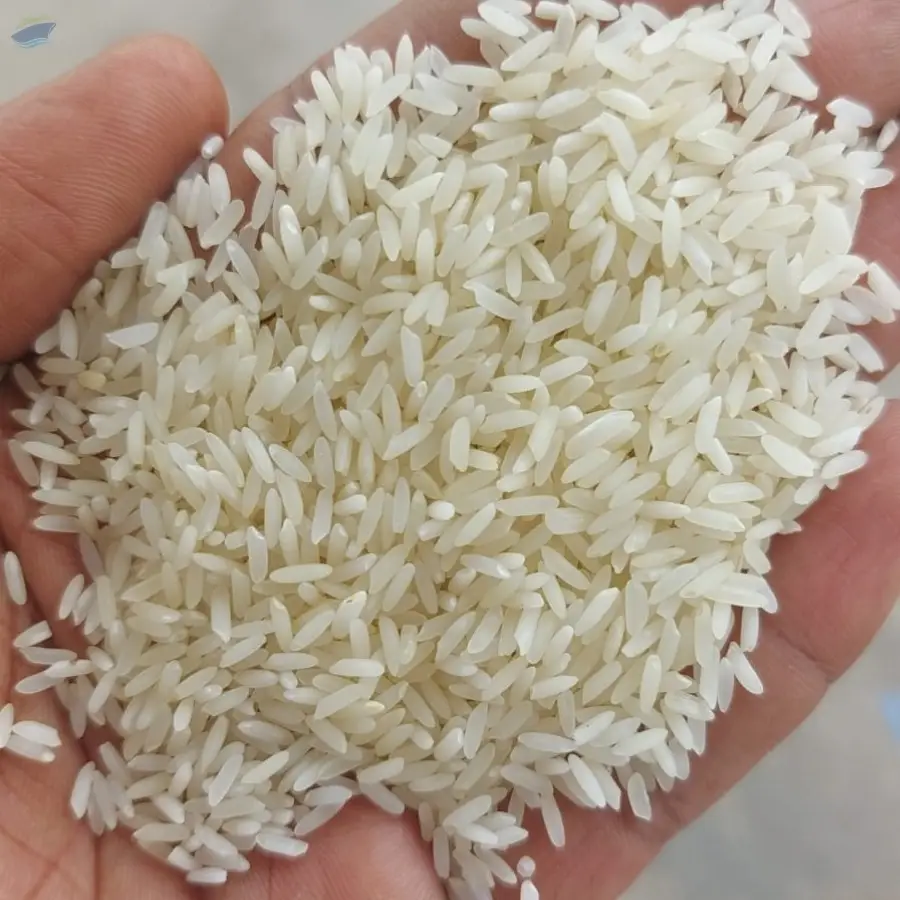
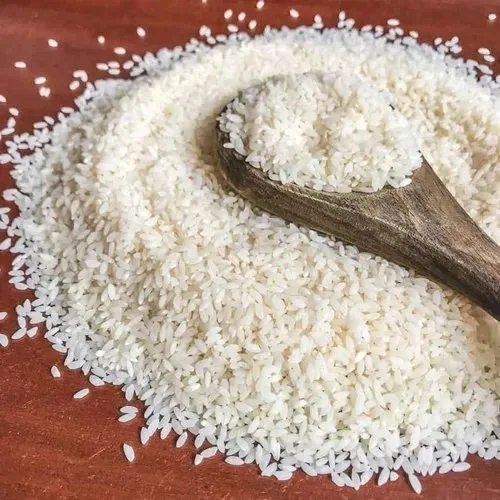
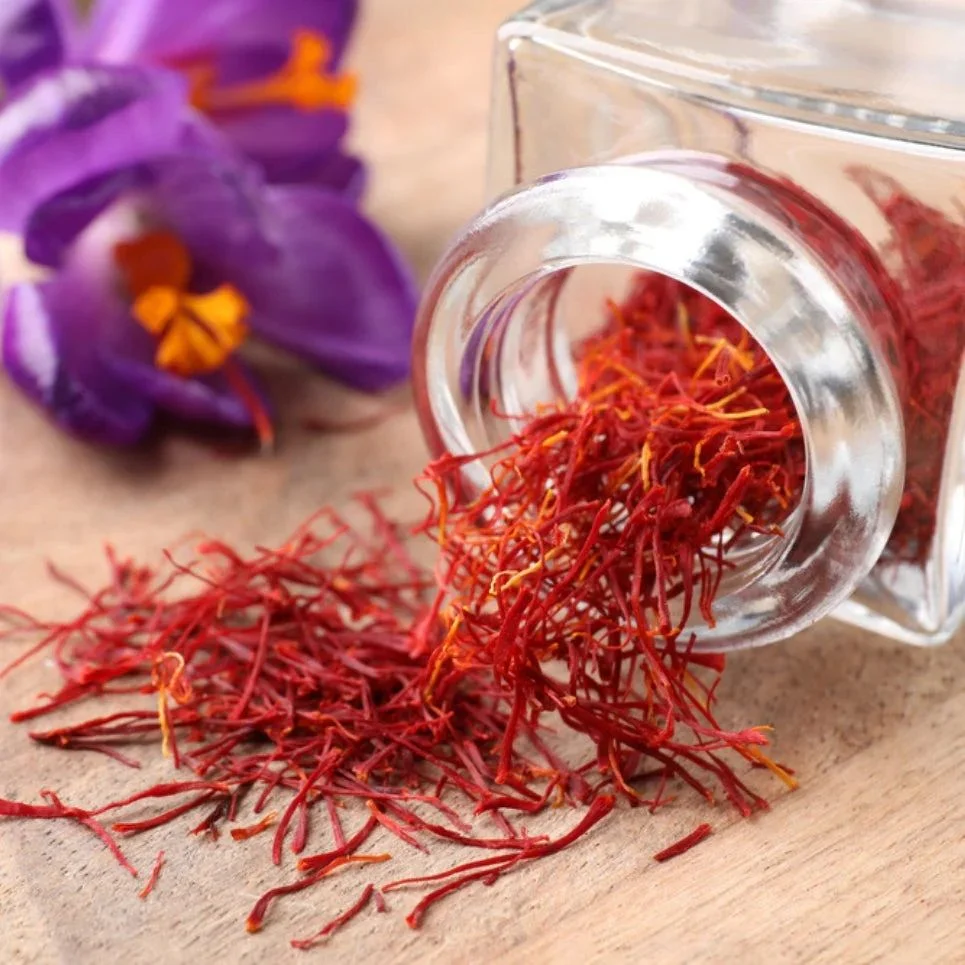
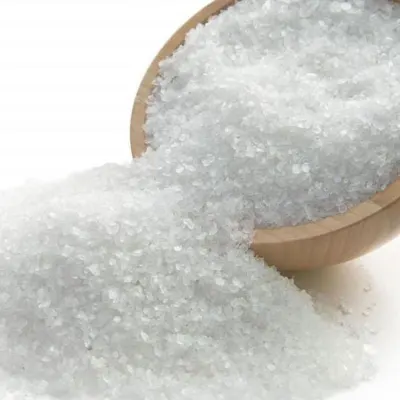
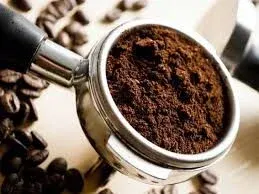
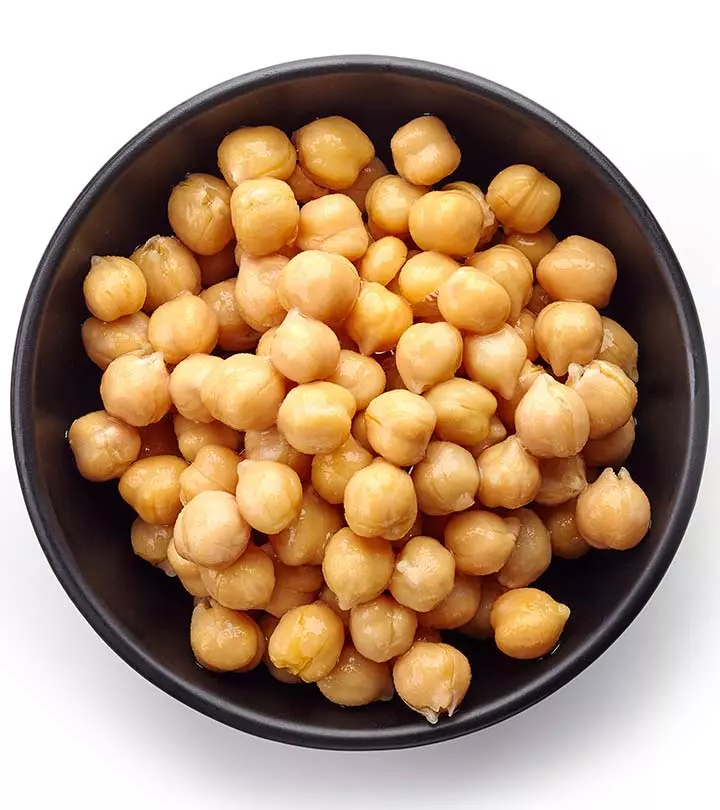
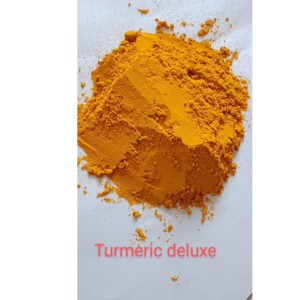
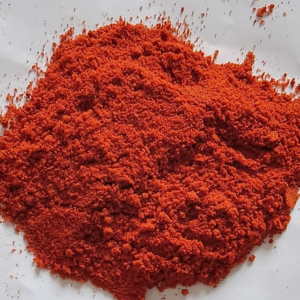
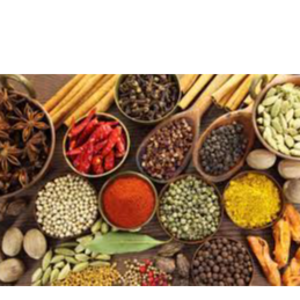
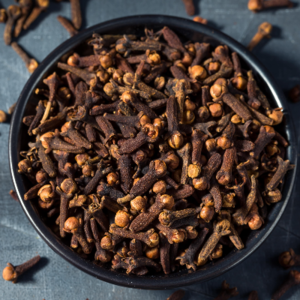
India, operating as an imported supplier, lists 13 active products across spices, coffee, salt, sugar and related food items. The catalogue includes ginger, Kabuli chickpeas, coffee, salt, sugar, turmeric powder, black eye beans, black cardamom, clove, edible oil, red chili powder, rice and saffron. Specific HS code families appear for black eye beans (0713.50) and black cardamom (0908.31). The supplier’s HS‑code exposure therefore covers the 07 (edible vegetables) and 09 (spices, aromatic vegetables) chapters. The product set spans primary spice categories such as ginger, turmeric powder, red chili powder and cloves, as well as legume and grain items like Kabuli chickpeas, black eye beans and rice. Coffee and edible oil broaden the range into beverage and cooking‑oil segments. All items are described as food‑grade commodities suitable for bulk export, with material specifications noted for the bean and cardamom entries. The catalogue reflects typical Indian export commodities that are shipped in bulk containers to overseas markets.
Product Range and Specialties of Dinesha Poojary
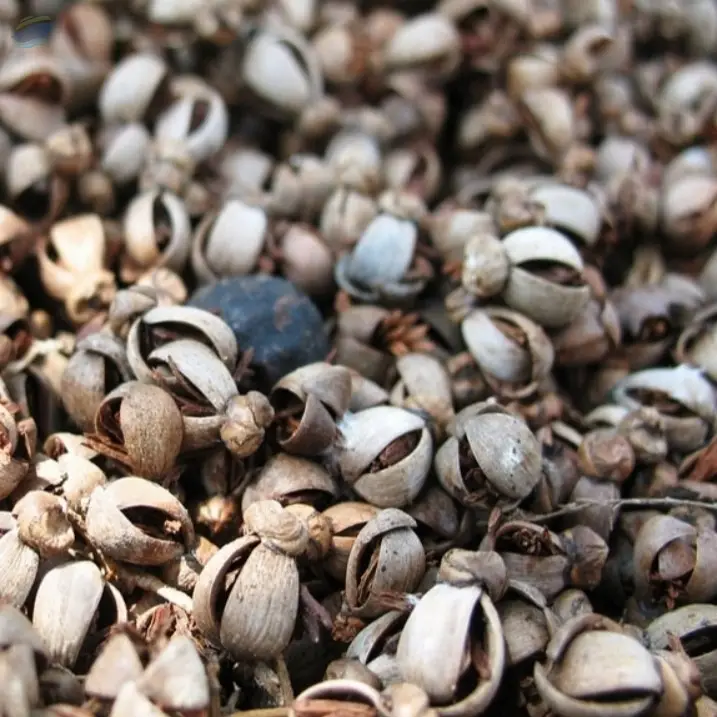
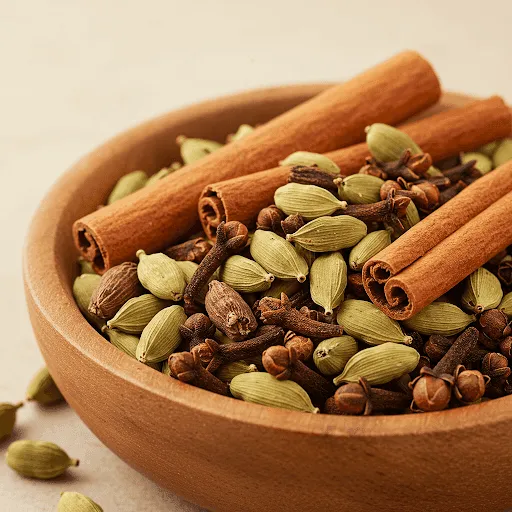
The catalogue lists thirteen distinct food‑grade items: ginger, Kabuli chickpeas, coffee, salt, sugar, turmeric powder, black eye beans (HS 0713.50, dried Vigna unguiculata), black cardamom (HS 0908.31, Amomum subulatum pods), clove, edible oil, red chili powder, rice and saffron. In the spice sector, Indian exporters usually provide grades such as ICUMSA 45 for sugar, ICUMSA 70 for bulk white sugar, and moisture <12 % for dried spices. Coffee is commonly offered as Arabica or Robusta beans with a moisture content of 11‑12 % and a cup score above 70. Legumes like Kabuli chickpeas and black eye beans are graded by size (e.g., 18‑22 mm) and have a permissible moisture limit of 12 %. Industry standards for these categories often reference ISO 22000 food‑safety management, HACCP plans, and the Indian FSSAI regulations. Typical packaging includes food‑grade polyethylene bags (25 kg for spices, 50 kg for beans), jute sacks for rice, and bulk containers for edible oil. Buyers frequently request certificates of analysis (COA) that confirm purity, moisture, and aflatoxin levels for spices and legumes.
Trade and Export Information - Dinesha Poojary
India is a major global exporter of spices, coffee, pulses and edible oils, with the European Union, United States, Middle East and Southeast Asia representing the largest import destinations. HS 0908 (spices) and HS 0713 (dried beans) are routinely inspected under the EU’s Rapid Alert System for Food and Feed (RASFF) and the US Food Safety Modernization Act (FSMA). Export shipments are most often dispatched FOB from major Indian ports such as Mumbai or Chennai, using 20‑ft or 40‑ft containers for dry bulk and bulk tankers for edible oil. Buyers typically require compliance with ISO 22000 or HACCP, phytosanitary certificates for legumes, and COAs that meet the destination country’s maximum residue limits (MRLs). Packaging must meet ISPM 15 standards for wooden pallets and use food‑grade liners to prevent contamination. Indian exporters also follow the Bureau of Indian Standards (BIS) for spice purity and label requirements, which align with many international regulations.
Sourcing from Dinesha Poojary - Buyer Guidance
When sourcing from this supplier, request a full set of documents: phytosanitary certificate for beans, COA for spices indicating moisture (<12 %), ash content and aflatoxin levels, and a test report confirming compliance with the destination country’s MRLs. Verify the HS codes supplied (0713.50 for black eye beans, 0908.31 for black cardamom) against your import tariff schedule to ensure correct duty classification. Ask for sample packs of each spice or legume to evaluate grade, aroma and particle size before confirming bulk orders. Typical minimum order quantities range from 5 metric tons for spices to 10 metric tons for beans, with lead times of 30‑45 days after order confirmation. Ensure the supplier can provide ISO 22000 or HACCP documentation if required by your market, and confirm packaging specifications such as 25 kg polyethylene bags for spices or 50 kg jute sacks for pulses.
Frequently Asked Questions About Dinesha Poojary
What HS code does the supplier use for Black Eye Beans?
The catalogue lists Black Eye Beans under HS 0713.50, which covers dried beans of the Vigna genus.
Which certification should a buyer request for the spice products?
Buyers should ask for ISO 22000 or HACCP food‑safety certificates, as well as a Certificate of Analysis that details moisture, ash and aflatoxin levels.
What is the typical packaging for turmeric powder and red chili powder?
Both spices are commonly packed in food‑grade polyethylene bags of 25 kg each, sealed to protect against moisture and contamination.
Can the supplier provide a sample of the coffee?
Yes, buyers can request a sample of the listed coffee, which is offered in bulk roasted beans suitable for testing aroma, bean size and moisture content (normally 11‑12 %).
What documentation is required for importing Kabuli Chickpeas?
A phytosanitary certificate, a Certificate of Analysis confirming moisture below 12 % and size grading, and compliance with the destination country’s pesticide residue limits are standard.
What are the common export destinations for Indian spices?
The European Union, United States, Middle East and Southeast Asian markets are the primary import regions for Indian spices and related food commodities.
What container size is typically used for shipping edible oil?
Bulk edible oil is usually shipped in ISO‑tank containers of 20 ft or 40 ft capacity, complying with ISPM 15 and food‑grade tank standards.
How does a buyer verify the quality of black cardamom?
Request a COA that specifies pod length, moisture content (generally <10 %), essential oil content and any microbiological test results.




 , India

.jpg.png)