Designmill the world of Hand Embroidery — Manufacturer & Wholesale Supplier
About Designmill the world of Hand Embroidery - Hand Embroidery Supplier in India
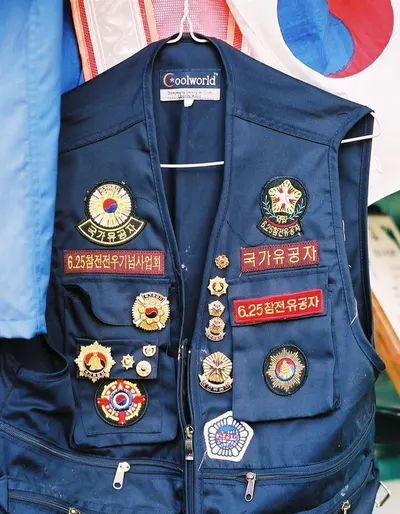
India, East Delhi, in the state of Delhi, lists 26 active products in its catalogue. The catalogue consists mainly of hand‑embroidered badges, military and ceremonial insignia, embroidered aprons, cushion covers and related textile accessories. Specific entries include Royal Navy Officers Cap Badges, Moschino Badges, North America Blazer Badges, various United States military bullion‑wire blazer badges, and fashion‑oriented items such as Ralph Lauren and Balmain blazer badges. Two items carry explicit HS classifications: a Masonic Regalia Past Master Apron classified under HS 6211.42 (satin textile with gold‑color metal trim and cotton backing) and a Masonic Lodge Master Apron under HS 6217.10 (top‑grain leather, satin lined).
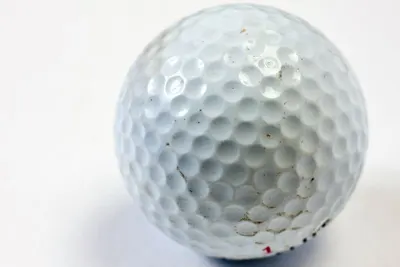
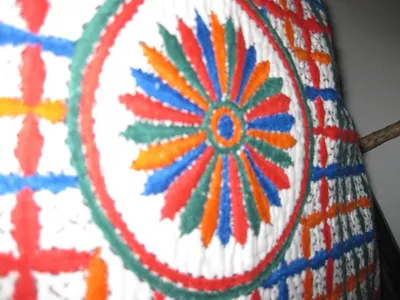
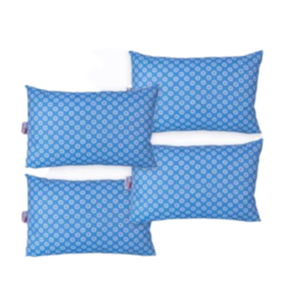
The product list also references Hand Embroidery Peaks and Visors, Professional Golf Association Club Badges, Ryder Cup Golf Club items, and a generic Cushion Cover/pillow Cover. All items are described as handcrafted by artisans, using materials such as bullion wire (gold or silver), satin textiles, leather, and cotton. No other HS codes or material specifications are supplied in the source data.
Product Range and Specialties of Designmill the world of Hand Embroidery
The supplier’s catalogue centres on embroidered insignia and related textile goods. Badge types range from military‑style brass and bullion‑wire pieces to fashion‑brand replicas, while aprons are offered in satin‑trimmed or leather‑lined formats. In the broader hand‑embroidery market, typical specifications include thread counts of 30‑60 tex, bullion wire gauges from 0.2 mm to 0.5 mm, and gold plating of 24 kt or silver plating of 99.9 % purity. Aprons classified under HS 6211.42 usually meet the standard of 100 % cotton or polyester‑cotton blends with decorative metal trim, and leather‑lined aprons (HS 6217.10) are commonly finished with full‑grain or top‑grain leather of 1.5‑2.0 mm thickness. Cushion covers are generally sold as 100 % cotton or polyester, with typical dimensions of 45 × 45 cm and a weight of 180‑220 g/m².
Trade and Export Information - Designmill the world of Hand Embroidery
India is a long‑standing exporter of hand‑embroidered textile accessories, with major import destinations in the United States, the United Kingdom, the United Arab Emirates and Germany. Export shipments for HS 6211.42 and HS 6217.10 normally use 20‑ft or 40‑ft containers packed in sealed cardboard boxes or poly‑bag bundles, with a typical gross weight of 15‑20 kg per cubic metre. Buyers frequently request certificates of origin, ISO 9001 quality management certificates, and Oeko‑Tex Standard 100 for textile items to verify that dyes and threads are free from harmful substances. For metal‑based bullion badges, customs agents may ask for a metal purity test report (e.g., XRF analysis) and a compliance statement with the EU REACH regulation. Incoterms such as FOB Delhi or CIF Dubai are common for these categories.
Sourcing from Designmill the world of Hand Embroidery - Buyer Guidance
When sourcing from this supplier, request a physical sample of the specific badge or apron to assess stitch density, metal plating and colour matching. Ask for a lab report confirming gold or silver purity for bullion‑wire items and a textile test report for fibre content and any Oeko‑Tex compliance. Verify the HS‑code declaration (6211.42 for satin‑trimmed aprons, 6217.10 for leather‑lined aprons) and ensure the supplier can provide a certificate of origin for customs clearance. Clarify the minimum order quantity, which typically starts at 50‑100 pieces for embroidered badges and 20‑30 units for leather aprons, and confirm lead times of 3‑5 weeks after artwork approval.
Frequently Asked Questions About Designmill the world of Hand Embroidery
What types of badges does Designmill the world of Hand Embroidery produce?
The catalogue includes military‑style bullion‑wire blazer badges, fashion brand replicas, royal navy and air force insignia, as well as generic embroidered badges for clubs and societies.
Which material standards apply to the Masonic Regalia aprons?
The satin‑trimmed apron (HS 6211.42) uses a satin textile base with gold‑color metal trim and cotton backing, while the leather apron (HS 6217.10) is made from top‑grain leather lined with satin. Both follow the standard textile and leather specifications for their HS chapters.
Are there common certifications buyers should request for these embroidered goods?
Buyers usually request ISO 9001 for quality management, Oeko‑Tex Standard 100 for textile safety, and a certificate of origin. For bullion‑wire badges, an XRF metal purity report is often required.
What is the typical packaging for badge shipments?
Badges are generally packed in individual sealed poly‑bags, then placed in sturdy cardboard boxes of 20‑30 cm per side, suitable for container loading or air freight.
What are the usual minimum order quantities (MOQ) for embroidered badges and aprons?
MOQ for embroidered badges commonly starts at 50 pieces, while leather or satin‑trimmed aprons usually require a minimum of 20‑30 units per order.
What lead time should a buyer expect after artwork approval?
Lead times are typically 3 to 5 weeks, depending on the complexity of the embroidery and the availability of bullion wire or leather material.
Which international markets import Indian hand‑embroidered badges and aprons most frequently?
Key import markets include the United States, United Kingdom, United Arab Emirates and Germany, where buyers often look for ceremonial and fashion‑oriented embroidered accessories.
How are HS codes used for customs clearance of these products?
The HS code identifies the product class for duty assessment; for example, the satin‑trimmed apron uses HS 6211.42 and the leather apron uses HS 6217.10, allowing customs authorities to apply the correct tariff rates and regulatory checks.





 East Delhi, India