Cyber Ceramics — Supplier
About Cyber Ceramics - Blocks, Tiles & Slabs Supplier in India
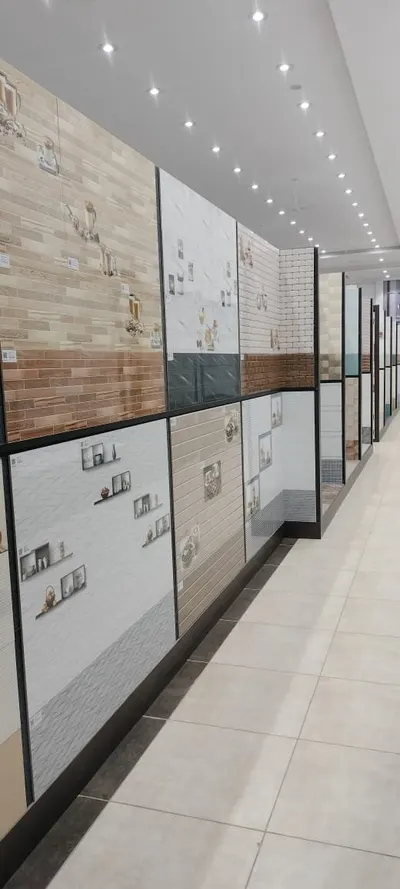
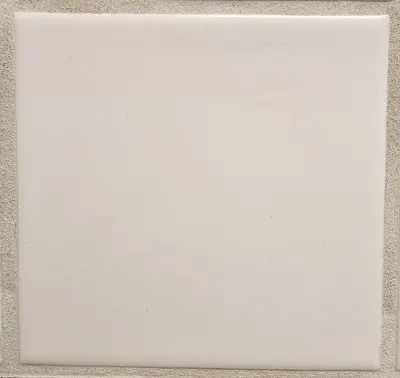
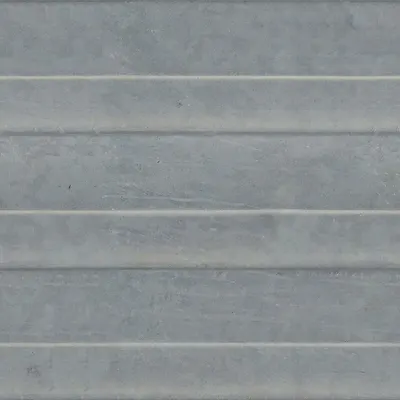
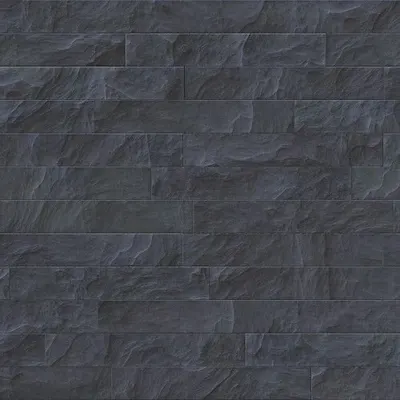
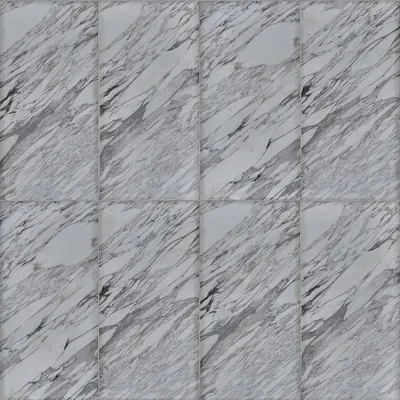
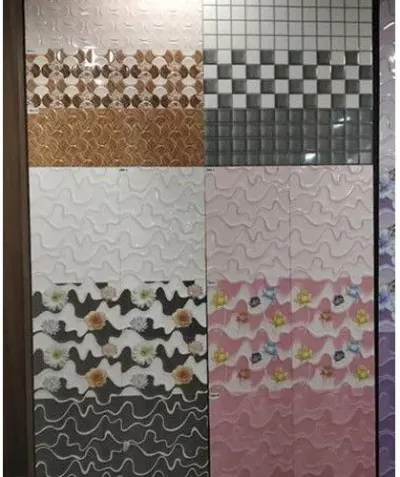
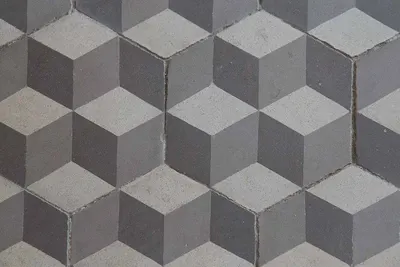
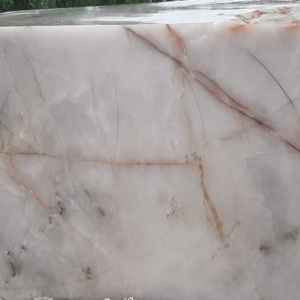
India hosts Cyber Ceramics, which currently lists 20 active products on its catalogue. The supplier categorises its offering under Blocks, Tiles & Slabs, Ceramic Tiles and Wall Tiles. Product titles include Black printed tiles, Plain tiles, Digital wall tiles, Interior wall tile, Luster wall tiles and White ivory printed tiles among others. Several entries specify the HS code 6908.90 and are described as Glazed Ceramic or Porcelain with water absorption not exceeding 0.5 %. One product, Onix dark tiles, is listed with HS code 6802.91 and is made from natural onyx stone, a calcareous stone. All listed items fall within the HS chapter 69 family for ceramic products, except the onyx stone which belongs to chapter 68 for natural stone.
Product Range and Specialties of Cyber Ceramics
Cyber Ceramics’ catalogue features glazed ceramic and porcelain wall tiles in printed, plain and luster finishes, as well as a natural onyx stone tile. In the ceramic tile market, buyers typically evaluate PEI (Porcelain Enamel Institute) ratings from 1 to 5, water absorption below 0.5 % for true porcelain, and slip‑resistance values such as R9 or R10 under ASTM C1028. Standard thickness ranges from 8 mm to 12 mm, with common sizes up to 600 × 600 mm, while square formats often measure 300 × 300 mm or 400 × 400 mm. Porcelain tiles are fired at 1200‑1250 °C, achieving low porosity, whereas glazed ceramic tiles are fired at 1000‑1150 °C and may exhibit higher water absorption. Onyx stone tiles are graded by veining pattern and surface polish, and are frequently used for premium interior cladding. Industry standards also reference ISO 13006 for tile dimensions and tolerances, and buyers often request certification to these standards.
Trade and Export Information - Cyber Ceramics
Indian ceramic tile exporters commonly supply to the Middle East, Europe, North America and African markets, where demand for high‑strength porcelain and decorative wall tiles remains strong. The HS code 6908.90 covers glazed ceramic and porcelain tiles, and customs authorities in importing countries frequently require a certificate of origin, a test report for water absorption, and compliance with the EU’s CE marking or US ASTM standards. Typical export logistics involve loading tiles on pallets wrapped in cardboard, placed in 20‑foot or 40‑foot containers, with FOB or CIF terms prevailing in trade contracts. Indian manufacturers often hold ISO 9001 quality‑management certification and may provide ISO 14001 environmental compliance, which are standard expectations for bulk tile shipments. Inspection agencies such as SGS or Bureau Veritas conduct pre‑shipment sampling to verify dimensions, strength and surface finish against the buyer’s specifications. Seasonal demand peaks in the first and third quarters, influencing container availability and lead times.
Sourcing from Cyber Ceramics - Buyer Guidance
Buyers sourcing tiles from Cyber Ceramics should request a product data sheet that lists dimensions, thickness, PEI rating, water absorption percentage and slip‑resistance class for each tile type. A laboratory test report confirming the ≤0.5 % water absorption for porcelain items and the exact chemical composition of the glazed surface is standard practice. Verification of ISO 9001 certification, a certificate of origin and, where applicable, CE or ASTM conformity statements helps ensure regulatory compliance. Typical minimum order quantities range from 5 000 units to a full 20‑foot container load, and lead times are usually 30‑45 days after order confirmation and receipt of the required documentation. Buyers should also confirm packaging details, such as the number of tiles per box, pallet configuration and whether moisture‑resistant wrapping is used to prevent damage during transit. Requesting a pre‑shipment sample allows the buyer to assess colour consistency, surface finish and dimensional accuracy before full production.
Frequently Asked Questions About Cyber Ceramics
What tile categories are listed by Cyber Ceramics?
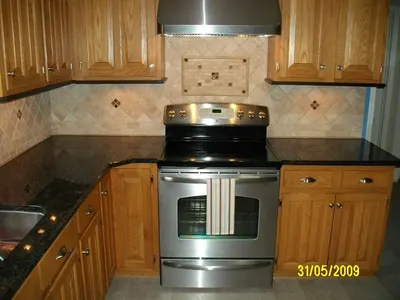
The supplier lists products under Blocks, Tiles & Slabs, Ceramic Tiles and Wall Tiles, including Black printed tiles, Plain tiles, Digital wall tiles, Luster wall tiles, White ivory printed tiles and various square and kitchen wall tiles.
Which HS codes are associated with the tiles?
All glazed ceramic and porcelain wall tiles are classified under HS code 6908.90. The natural onyx stone tile, Onix dark tiles, uses HS code 6802.91.
What material specifications apply to the porcelain tiles in the catalogue?
Porcelain items are described as having water absorption of 0.5 % or less and are fired at temperatures between 1,200 °C and 1,250 °C. The material composition typically includes natural clay, feldspar, silica and kaolin.
Which certifications should a buyer request when importing these tiles?
Buyers should ask for ISO 9001 quality‑management certification, a certificate of origin, and any CE marking or ASTM C1028 slip‑resistance test reports relevant to the target market. ISO 14001 environmental certification is also commonly requested.
How are the tiles usually packaged for export?
Tiles are packed in cardboard boxes placed on wooden pallets, with moisture‑resistant wrapping applied. Full pallets are loaded into 20‑foot or 40‑foot containers for sea freight.
What are the typical minimum order quantities and lead times?
The usual minimum order quantity is around 5,000 tiles or a full 20‑foot container load. Lead times after order confirmation and receipt of documentation are typically 30 to 45 days.




 , India







.jpg.png)