CVS Exports — Verified Supplier
About CVS Exports - Cosmetics & Beauty Products Supplier in India
India hosts CVS Exports, a supplier that currently lists 21 active products across several categories such as Cosmetics & Beauty Products, Stone Sculpture, Jute and Cotton Bags, Slippers, Bamboo Products and other handicrafts. The catalogue includes items ranging from wooden and stone antique carved statues to herbal personal‑care formulations, with three beauty products carrying HS codes in chapter 33 (3304.99 for night cream and face pack, 3305.90 for hair oil). Additional listings include a vetiver pillow (HS 6307.90) and decorative candles (HS 3406.00).
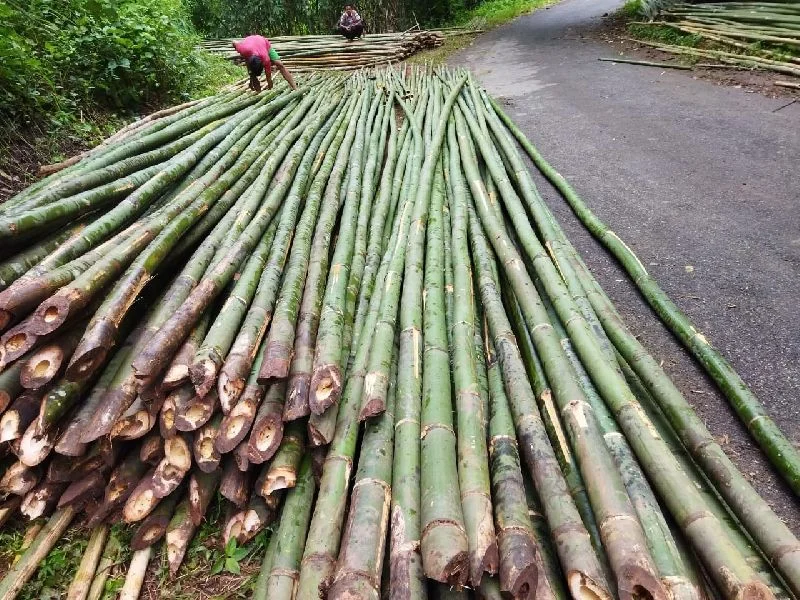
The product set reflects a blend of traditional Indian crafts and modern personal‑care items. Items such as the “Creepy” herbal shampoo, night cream and face pack are formulated with saffron, shea butter, jojoba oil and kaolin, while the “Creepy 24 Herbs Hair Care Oil” combines a blend of twenty‑four herbs. Non‑cosmetic entries include bamboo screening fences, areca plates, and a range of jute and cloth bags, illustrating the supplier’s focus on both decorative and functional goods.
Product Range and Specialties of CVS Exports
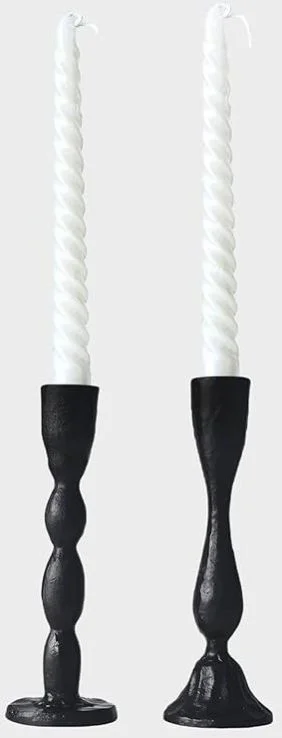
The catalogue lists three finished‑goods cosmetics under HS chapter 33: a saffron night cream, a herbal face pack and a 24‑herb hair oil. In the Indian market these products are typically produced to meet ISO 22716 (Good Manufacturing Practices) and may carry organic or natural‑product certifications such as NATRUE or USDA‑Organic when applicable. Standard specifications include a pH range of 4.5‑6.0 for creams, a minimum shea butter content of 5 % and a fragrance‑free claim for herbal lines. The vetiver pillow falls under HS 6307.90 for other made‑up textile articles; buyers usually look for a filling weight of 150‑250 g per pillow and a cotton or linen cover with a thread count of 200‑300. Decorative candles (HS 3406.00) are generally produced from paraffin, soy or gel bases, with a typical melt point of 55‑60 °C and a burn time of 4‑6 hours per 200 g candle.
Trade and Export Information - CVS Exports
India is a major exporter of handcrafted décor and natural cosmetics, with Europe, the United States and the Middle East accounting for the largest share of demand. HS chapter 33 cosmetics are subject to the EU Cosmetics Regulation (EC) No 1223/2009 and the US FDA’s Voluntary Cosmetic Registration Program, so importers often request a Certificate of Free Sale and a detailed ingredient safety dossier. Handicraft items such as stone statues, bamboo fences and jute bags are classified under HS chapters 68, 44 and 63 respectively, and are routinely inspected for phytosanitary compliance and material origin documentation. Export logistics from Indian ports commonly use 20‑ft or 40‑ft containers, with FOB or CIF terms, and buyers frequently require packaging that meets ISPM 15 standards for wood‑based pallets when stone or bamboo items are shipped.
Sourcing from CVS Exports - Buyer Guidance
When sourcing the herbal cosmetics, request a full Certificate of Analysis (CoA) that lists active ingredient percentages, microbial limits (e.g., total aerobic count < 1000 CFU/g) and stability test results. Verify that the supplier can provide a Material Safety Data Sheet (MSDS) for the oil blend and that any botanical extracts are accompanied by a batch‑specific phytochemical profile. For the vetiver pillow, ask for a fabric composition certificate and a test report confirming the absence of prohibited chemicals such as formaldehyde (limit < 75 ppm). For candles, obtain a burn‑test report and a safety data sheet that details flash point, melt point and any fragrance allergens.
Frequently Asked Questions About CVS Exports
What HS codes apply to the cosmetics listed by CVS Exports?
The night cream and herbal face pack are classified under HS 3304.99, while the 24‑herb hair oil uses HS 3305.90. Both codes fall within chapter 33 for beauty and make‑up preparations.
Which certifications should a buyer request for the herbal beauty products?
Buyers typically request ISO 22716 GMP compliance, a Certificate of Free Sale, and, if an organic claim is made, an NATRUE or USDA‑Organic certificate. A full CoA and MSDS are also standard documents.
Are the jute and cloth bags covered by any specific HS code?
Jute bags are generally classified under HS 6305 (made‑up articles of jute) and cloth bags under HS 6307 (other made‑up textile articles). The catalogue does not list a specific code, so the buyer should confirm the exact classification before shipment.
What quality tests are common for the vetiver pillow?
Typical tests include a filling weight verification (150‑250 g), a thread count check (200‑300 TC), and a chemical safety test for formaldehyde and pesticide residues, with limits set by the EU REACH regulation.
How are the decorative candles packaged for export?
Candles are usually packed in individual cardboard boxes with a protective inner sleeve, then placed in a wooden crate or a corrugated pallet that meets ISPM 15 requirements for any wood packaging. The HS code is 3406.00.
What lead time can a buyer expect for the herbal cosmetics?
Lead times for small‑batch herbal cosmetics in India typically range from 25 to 40 days, depending on raw‑material availability and the need for stability testing. Buyers should confirm the production schedule and any required pre‑shipment inspections.
Which markets import Indian handcrafted stone statues most frequently?
European Union countries, the United States and Gulf Cooperation Council nations are the primary importers of Indian stone and wooden decorative statues, often requiring a Certificate of Origin and compliance with the destination country's cultural heritage import rules.
What documentation is needed for customs clearance of bamboo screening fences?
Customs authorities usually require a commercial invoice, packing list, a phytosanitary certificate for bamboo, and the HS code classification under chapter 44. If the fences are treated, a treatment certificate may also be required.




 , India