CV Makmur Jaya Abadi — Verified Supplier
About CV Makmur Jaya Abadi - Textile Fibers Supplier in Indonesia
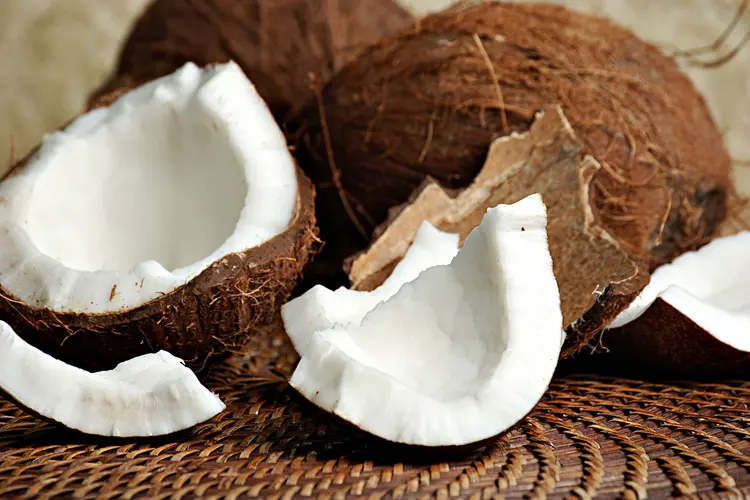
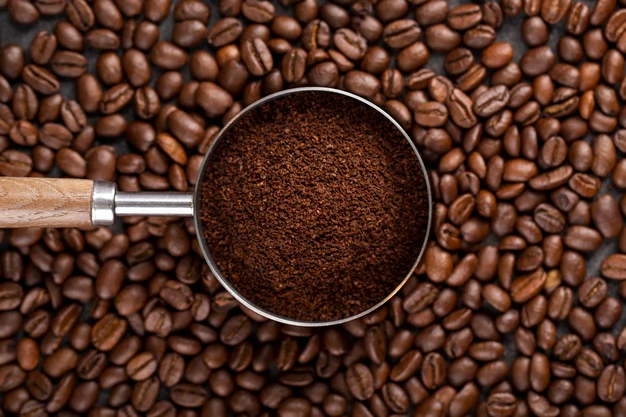
Indonesia hosts CV Makmur Jaya Abadi, which currently lists five distinct products in its catalogue. The supplier’s offerings span banana fiber under the textile fibers category, Gracilaria seaweed, desiccated coconut, semi‑husked coconut, and coffee beans. Each product is identified by its generic category name without additional branding. The catalogue reflects a focus on raw agricultural and marine materials sourced within Indonesia.
The active product count of five aligns with the top categories reported: textile fibers, seaweeds and seashells, desiccated coconut, semi‑husked coconut, and coffee beans. No further product variants or sub‑items are indicated in the supplied data, and the supplier does not disclose certifications or capacity figures.
Product Range and Specialties of CV Makmur Jaya Abadi
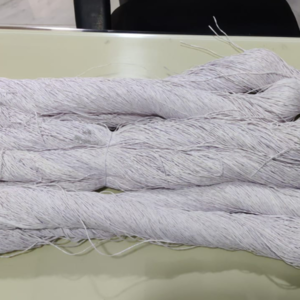
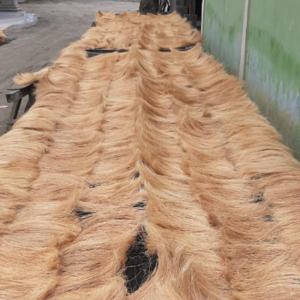
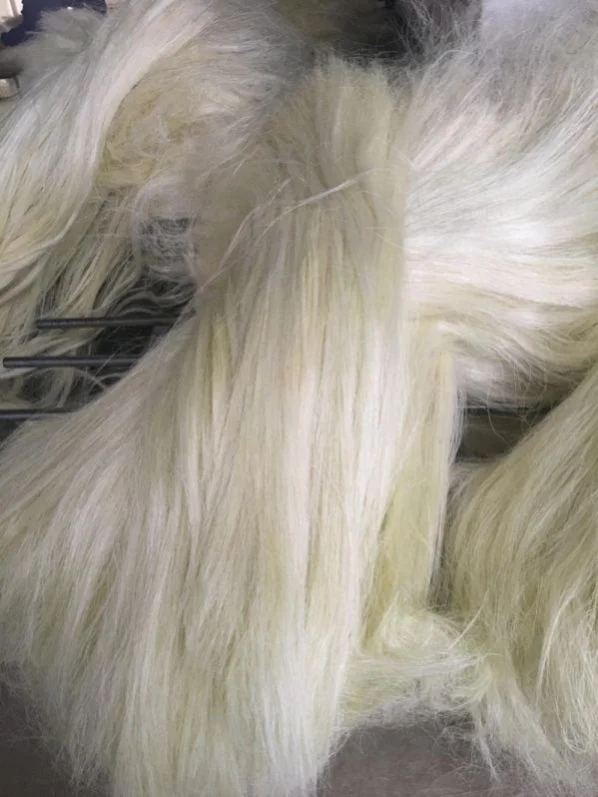
CV Makmur Jaya Abadi’s catalogue includes banana fiber, a natural cellulose fiber typically harvested from the pseudostem of banana plants. In the textile industry banana fiber is often graded by length (30‑80 mm) and tensile strength (≈ 150 MPa) and may be blended with cotton or polyester. Gracilaria seaweed is a red algae used for hydrocolloid extraction; commercial grades are classified by agar yield (15‑20 % dry weight) and moisture content (< 12 %).
Desiccated coconut is usually sold in particle sizes of 0.5‑2 mm with a moisture level below 3 % and a fat content around 65 %. Semi‑husked coconut retains part of the outer husk, providing a higher fiber proportion (≈ 30 % dietary fiber) and is often used in animal feed or bio‑energy applications. Coffee beans from Indonesia are commonly Arabica or Robusta, measured by screen size (15‑19 mm) and moisture (10‑12 %).
Trade and Export Information - CV Makmur Jaya Abadi
Exporters of banana fiber from Indonesia typically ship to textile manufacturers in South‑East Asia and Europe, using container loads of 20‑40 ft with protective packaging to avoid fiber breakage. Seaweed products such as Gracilaria are exported to food ingredient processors in Japan, South Korea, and the United States, where agar standards (ISO 16649‑2) are frequently required. Coconut derivatives are supplied to confectionery and oil processors in the Middle East and North America, with phytosanitary certificates standard for plant‑based goods.
Coffee beans from Indonesia are a major export to specialty roasters in the United States, Europe, and Australia, where certifications such as Fairtrade, organic, or Rainforest Alliance are often requested. Buyers generally expect a Certificate of Origin, a phytosanitary certificate, and, for food items, compliance with Codex Alimentarius limits on pesticide residues. Shipping terms commonly involve FOB or CIF, with bulk bags or jute sacks for coconut products and vacuum‑sealed bags for coffee beans.
Sourcing from CV Makmur Jaya Abadi - Buyer Guidance
When sourcing banana fiber from CV Makmur Jaya Abadi, buyers should request a fiber test report showing length distribution, tensile strength, and moisture content, as well as a sample batch for blending trials. For Gracilaria seaweed, a laboratory analysis confirming agar yield, ash content, and microbiological limits (e.g., total plate count < 10⁴ cfu/g) is standard practice.
For desiccated coconut and semi‑husked coconut, buyers normally ask for moisture analysis, fat content, and a phytosanitary certificate confirming freedom from pests. Coffee bean orders should be accompanied by a moisture grade, screen size verification, and, if required, certifications for organic or Fairtrade status. In all cases, confirming the supplier’s compliance with ISO 9001 quality management or equivalent can reduce risk before placing a full order.
Frequently Asked Questions About CV Makmur Jaya Abadi
What types of banana fiber does CV Makmur Jaya Abadi offer?
The supplier lists banana fiber as a single product, representing raw natural cellulose fiber harvested from banana pseudostems. Typical specifications include length 30‑80 mm and moisture below 8 %.
Does the catalogue include any processed forms of the listed seaweed?
The catalogue mentions Gracilaria seaweed in its raw form; buyers usually receive dried or powdered grades suitable for agar extraction.
What is the typical moisture content for the desiccated coconut supplied?
Desiccated coconut from the supplier is expected to have a moisture level under 3 % to meet food‑grade standards.
Are any certifications explicitly held by CV Makmur Jaya Abadi?
The supplied facts do not list any certifications; buyers should request copies of any quality or export certificates the company may possess.
Which markets does CV Makmur Jaya Abadi target for its coffee beans?
The facts do not specify target markets; generally, Indonesian coffee beans are exported to the United States, Europe, and Australia.
What packaging formats are used for the coconut products?
Coconut products are commonly packed in food‑grade polyethylene bags or bulk jute sacks, but the supplier’s exact packaging is not detailed in the facts.
What documentation is required for importing the listed products?
Standard documents include a commercial invoice, packing list, Certificate of Origin, phytosanitary certificate for plant products, and, where applicable, test reports for moisture or purity.
What is the minimum order quantity for the listed items?
The facts do not provide MOQ; typical industry practice ranges from a 20 kg sample up to full container loads, depending on the product.




 , Indonesia