CV JARING INDO PERKASA — Verified Suppliers
About CV JARING INDO PERKASA - Spices Supplier in Indonesia
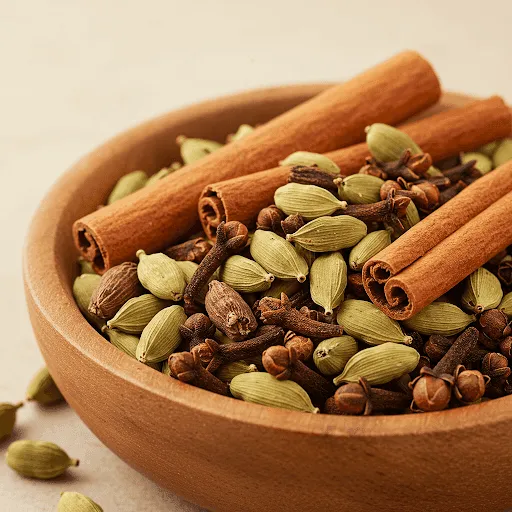
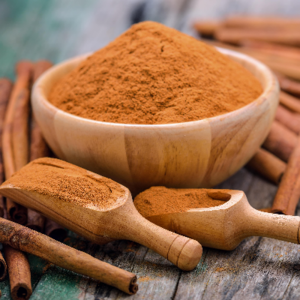
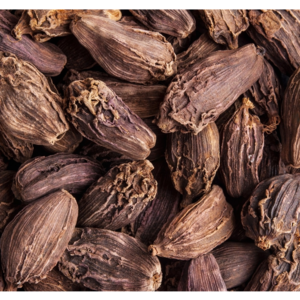
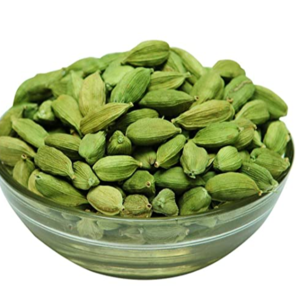
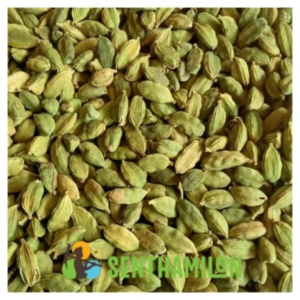
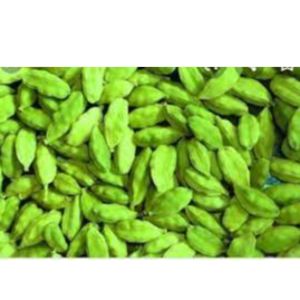
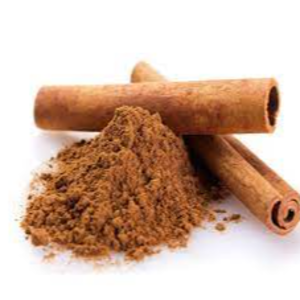
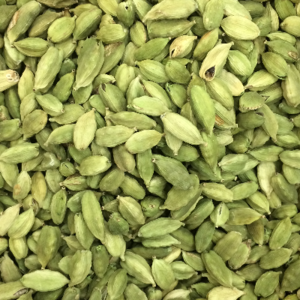
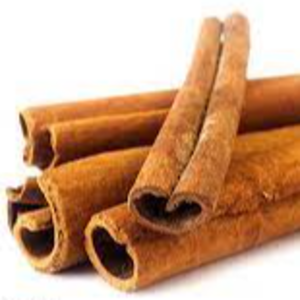
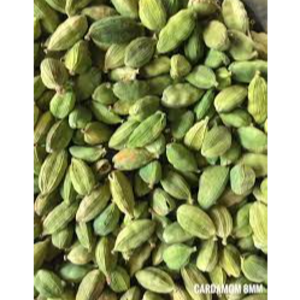
Indonesia, East Java (Jawa Timur) is the base of CV JARING INDO PERKASA, which lists 17 active products across agricultural, spice and food categories. The catalogue includes whole green cardamom pods (HS 0908.31), whole nutmeg kernel (HS 0908.31), cold‑pressed virgin Sacha Inchi seed oil (HS 1515.90), raw onion crackers (HS 1905.30), unroasted Arabica coffee beans (HS 0901.11), coriander seeds (HS 0909.21), natural clove essential oil with 80‑95 % eugenol (HS 3301.29), dried clove buds (HS 0907.00) and Ceylon cinnamon bark (HS 0906.11). Additional listings cover ginger, galangal roots, seaweed varieties and generic agricultural products.
The product descriptions specify botanical material such as Elettaria cardamomum for cardamom, Myristica fragrans for nutmeg, Plukenetia volubilis for the oil, and Syzygium aromaticum for clove oil. The spice items are presented in their raw or dried form, while the oil is described as high‑Omega‑3 ALA and cold‑pressed. Coffee is listed as green Arabica beans, and the onion crackers combine wheat flour with dehydrated onion powder. No further corporate history or capacity figures are provided beyond the 17 listed items.
Product Range and Specialties of CV JARING INDO PERKASA
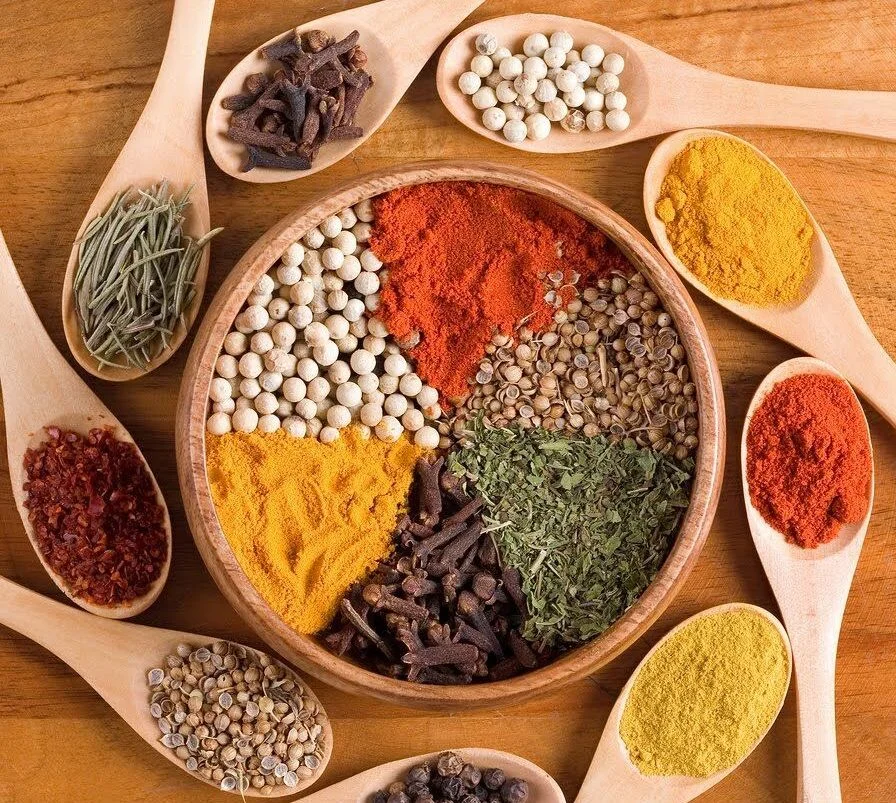
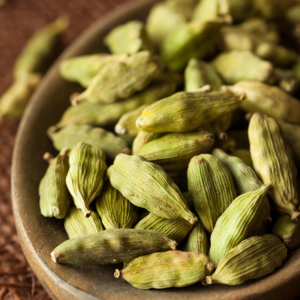
The catalogue covers a core set of spice and condiment products typical for Indonesian exporters: whole cardamom pods, whole nutmeg kernels, dried clove buds, Ceylon cinnamon bark, coriander seeds and ginger roots. In the global spice market, cardamom is graded by pod length (large > 13 mm) and moisture content below 12 %. Nutmeg kernels are evaluated for uniform size and low oil content, while cinnamon is classified as Ceylon (true cinnamon) versus cassia based on coumarin levels. Sacha Inchi oil is commonly sold as virgin or cold‑pressed with an alpha‑linolenic acid (ALA) content of 45‑55 % and free‑fatty‑acid values under 1 %. Clove oil is standardized by eugenol concentration, usually 80‑95 % for food‑grade oil. Coffee beans are sorted by size and grade (AA, A, etc.) and shipped in 60 kg jute bags. Typical bulk packaging for spices includes 25 kg food‑grade polypropylene bags or 1 ton wooden crates, while oils are packed in 200 L food‑grade drums or 25 kg IBC totes.
Trade and Export Information - CV JARING INDO PERKASA
Indonesia ranks among the world’s top exporters of spices, supplying the European Union, United States, Middle East and Asian markets. HS chapter 09 covers most listed spices (0906‑0909), chapter 15 covers vegetable oils such as Sacha Inchi oil (1515.90), and chapter 33 includes essential oils like clove oil (3301.29). Importers usually require certificates of origin, phytosanitary certificates and compliance with food‑safety standards such as ISO 22000 or HACCP. For organic‑tier products, EU organic or USDA organic certificates are commonly requested. Container shipments are standard, with 20‑ft containers holding approximately 20‑22 tons of bulk spices and 40‑ft containers up to 45 tons. Moisture‑controlled, food‑grade liners and inner bags are used to preserve quality during sea freight.
Sourcing from CV JARING INDO PERKASA - Buyer Guidance
Buyers should request a Certificate of Analysis for each spice batch, confirming moisture content (typically <12 % for cardamom and nutmeg), size grading, and pesticide residue limits that meet EU or US maximum residue limits. For Sacha Inchi oil, a COA should show ALA percentage, free‑fatty‑acid level and peroxide value (usually <10 meq O₂/kg). Clove oil buyers need a test report verifying eugenol content within the 80‑95 % range. Verify that the HS code on the commercial invoice matches the product description to avoid customs delays. Typical minimum order quantities are 500 kg for bulk spices, 200 L for oil, and 1 ton for coffee, with lead times of 30‑45 days after order confirmation and sample approval.
Frequently Asked Questions About CV JARING INDO PERKASA
What spice and related products does CV JARING INDO PERKASA list in its catalogue?
The supplier lists 17 items, including whole green cardamom pods, whole nutmeg kernels, cold‑pressed Sacha Inchi oil, raw onion crackers, unroasted Arabica coffee beans, coriander seeds, natural clove oil (80‑95 % eugenol), dried clove buds, Ceylon cinnamon bark, ginger, galangal roots, seaweed varieties and other agricultural seeds.
Which HS codes correspond to the cardamom and nutmeg products?
Both whole green cardamom pods and whole nutmeg kernels are classified under HS code 0908.31, which covers cardamom, nutmeg and related spices in their whole form.
What quality specifications are typical for Indonesian cardamom exports?
Buyers usually require pod length greater than 13 mm, moisture content below 12 %, and a uniform green color. A Certificate of Analysis should confirm these parameters and indicate any pesticide residues within EU limits.
What certifications are commonly required for Indonesian spice shipments?
Importers often ask for ISO 22000 or HACCP compliance, a phytosanitary certificate, a certificate of origin, and, for organic‑tier items, an EU organic or USDA organic certificate. These documents verify food‑safety and traceability.
How are bulk spices typically packaged for export from Indonesia?
Spices are commonly packed in 25 kg food‑grade polypropylene or jute bags, which are then placed in 1 ton wooden crates or stacked in 20‑ft containers. The packaging includes moisture‑resistant liners to maintain product integrity during sea transit.
What is the usual lead time for a shipment of Sacha Inchi oil (HS 1515.90)?
After order confirmation and sample approval, Sacha Inchi oil generally ships within 30‑45 days, allowing time for cold‑press processing, COA issuance and container loading.
Which global markets most frequently import Indonesian cinnamon and clove oil?
The European Union, United States, Middle East and Southeast Asian countries are the primary destinations for Indonesian Ceylon cinnamon and clove oil, driven by demand for natural flavorings and essential oils.
What documentation should a buyer request before finalizing a purchase?
Buyers should ask for a Certificate of Analysis, phytosanitary certificate, certificate of origin, any relevant organic certification, and the commercial invoice that lists the correct HS code for each product.




 , Indonesia


.jpg.png)