CV. Insi — Verified Supplier

About CV. Insi - Charcoal Supplier in Indonesia

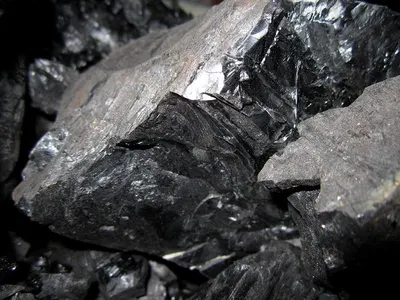
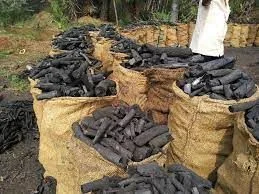
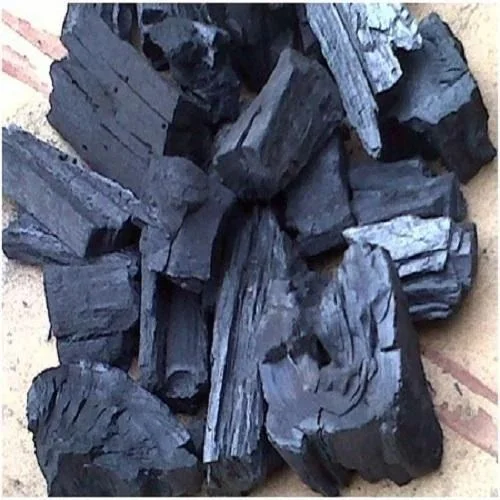
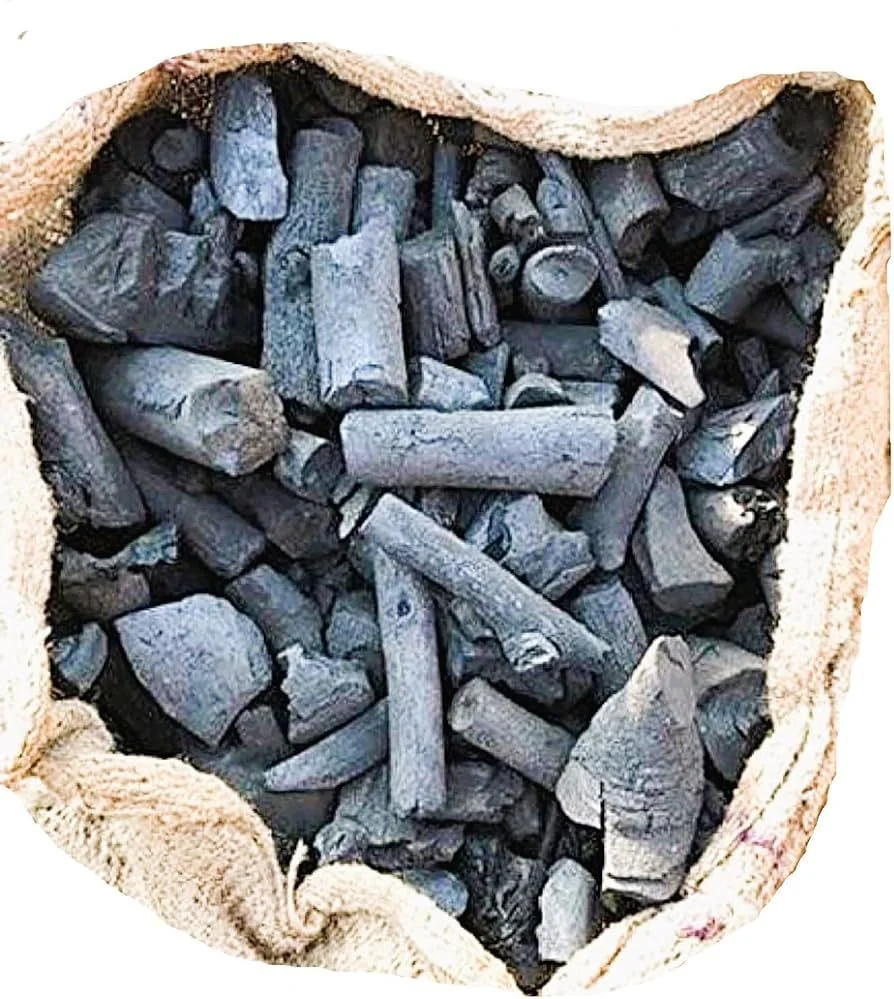
Indonesia, Southeast Asia, hosts six active charcoal products listed by CV. Insi. The catalogue includes Mangrove Charcoal, Coconut Shell Charcoal, Coconut Shell Charcoal Briquette, a mixed Wood Charcoal‑Coconut Shell blend for BBQ use, Tamarind Wood Charcoal, and Sawdust Charcoal Briquette. These items fall under the broader categories of Coconut Shell Charcoal, Charcoal, Wood Charcoal and Charcoal Briquette as indicated in the supplier’s top‑category list. Each product is identified by its material type rather than a specific HS code in the supplied data, placing them within the typical HS chapter 44 family for charcoal products.

Indonesia is a noted exporter of solid fuel charcoal, supplying both domestic grilling markets and industrial heat users. The six products cover a range of feedstocks - mangrove, coconut shell, various wood species and sawdust - allowing buyers to select based on carbon content, ash level and burn characteristics. The mix for BBQ applications reflects a common market demand for consistent size (10‑30 mm) and low smoke output, while briquette formats are often used where uniform shape and higher bulk density are required for bulk handling.

Product Range and Specialties of CV. Insi

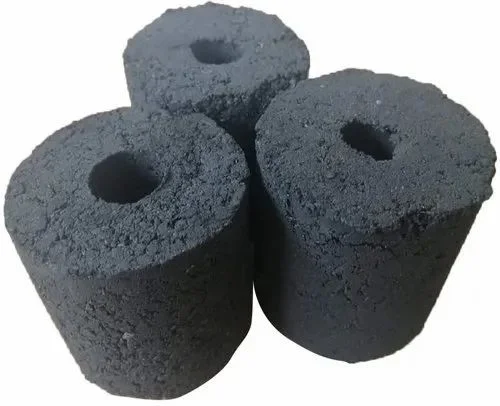
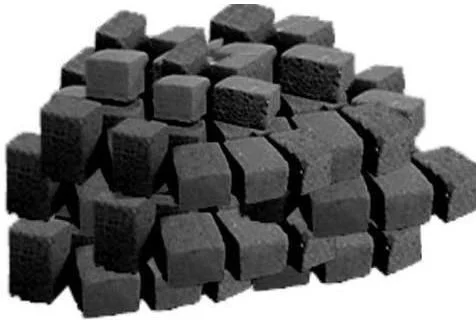
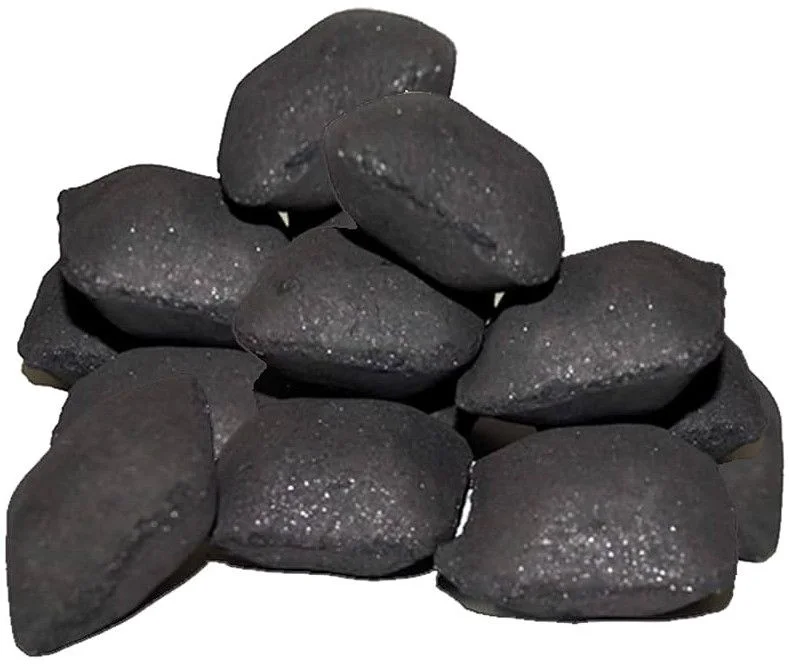
The CV. Insi catalogue lists six distinct charcoal products: Mangrove Charcoal, Coconut Shell Charcoal, Coconut Shell Charcoal Briquette, a Wood Charcoal‑Coconut Shell blend marketed for BBQ, Tamarind Wood Charcoal and Sawdust Charcoal Briquette. In the broader charcoal industry, coconut shell charcoal is prized for its high fixed carbon (typically >85 %), low ash (<5 %) and high hardness, making it suitable for metallurgical and water‑filter applications. Wood‑derived charcoals, such as mangrove or tamarind, normally exhibit moisture contents below 10 % and ash levels around 4‑6 %, with particle sizes from 10 to 30 mm for grilling or heating. Briquettes are compressed forms that often incorporate a natural binder; they usually achieve bulk densities of 0.6‑0.9 g cm⁻³ and burn times 1.5‑2 times longer than loose charcoal of comparable carbon content.

Trade and Export Information - CV. Insi

Indonesia ranks among the top global exporters of charcoal, with the majority of shipments destined for the European Union, the Middle East, South‑East Asian nations and African markets that rely on solid fuel for cooking and small‑scale industry. Export logistics commonly use 20‑ft containers that can carry roughly 20‑22 tonnes of bulk charcoal, packed in 20‑kg polypropylene bags or 25‑kg woven sacks. Buyers often request compliance with ISO 9001 quality‑management systems and, for sustainably sourced wood, FSC or PEFC certification, although such certifications must be confirmed with the supplier. Typical Incoterms include FOB Jakarta Port or CIF to target ports such as Rotterdam, Jeddah or Lagos, with moisture and ash analysis required for customs clearance under HS chapter 44.

Sourcing from CV. Insi - Buyer Guidance

When sourcing charcoal from CV. Insi, buyers should request a product data sheet that details fixed carbon percentage, moisture content, ash level and particle‑size distribution for each feedstock. A laboratory‑tested sample (e.g., 5 kg) should be obtained before a first bulk order to verify burn performance and emissions compliance. Buyers should also confirm whether the supplier can provide any third‑party certifications (ISO 9001, FSC, etc.) and whether the packaging meets the destination country’s phytosanitary or fire‑safety regulations. Verifying the bulk density and packaging dimensions helps calculate container fill rates and freight costs accurately.

Frequently Asked Questions About CV. Insi

What types of charcoal does CV. Insi offer?

The supplier lists six products: Mangrove Charcoal, Coconut Shell Charcoal, Coconut Shell Charcoal Briquette, a Wood Charcoal‑Coconut Shell blend for BBQ, Tamarind Wood Charcoal and Sawdust Charcoal Briquette.

Which feedstock is used for the briquette products?

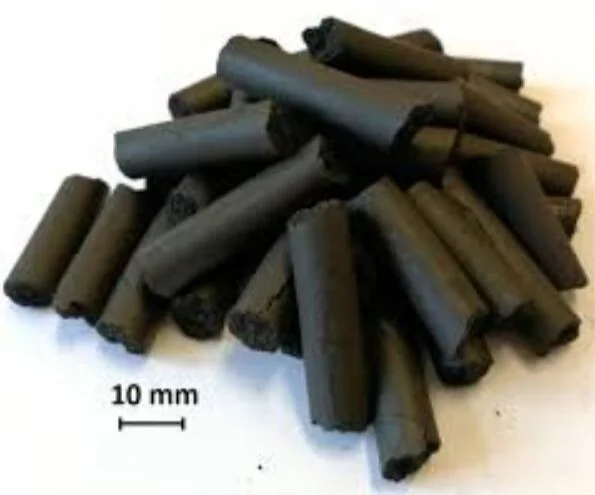
Both the Coconut Shell Charcoal Briquette and the Sawdust Charcoal Briquette are produced from their respective raw materials, compressed with a natural binder to achieve higher bulk density.

What are the typical quality parameters for the coconut shell charcoal?

Industry standards expect fixed carbon above 85 %, ash below 5 %, moisture under 10 % and particle sizes between 10 mm and 30 mm for grilling or industrial use.

How is the mixed wood‑coconut charcoal packaged for export?

Mixed wood‑coconut charcoal for BBQ is usually packed in 20‑kg polypropylene bags, stacked in 20‑ft containers that hold around 20 tonnes of product.

What certifications should a buyer request from CV. Insi?

Buyers typically ask for ISO 9001 quality‑management certification and, if sustainable sourcing is required, FSC or PEFC forest‑management certificates.

What documentation is needed for customs clearance of charcoal from Indonesia?

Customs generally require a commercial invoice, packing list, certificate of origin, and a laboratory analysis report showing moisture and ash content for HS chapter 44 goods.

Featured Products from this Supplier

Other Suppliers in Primary Category

Top Trusted Suppliers

Related Products

Trending in Parent Category

More Suppliers in Category

Related Products

Other Suppliers

EximNext
58.4K+ live requirements
Register Free🎁 5 free buy-lead credits
Post Requirement
🌍 Trusted by 224.3K+ businesses in 200+ countries|
58.4K+ active requirements right now
✉️ [email protected]
|
Sell on EximNextPost Requirement
EximNext
AgricultureApparelConstructionElectronicFoodHomeIndustrialMineralsMiscellaneous
🔥 Deals|✨ AI Match|🏭 Suppliers|📋 Buy Leads|💰 Trade Finance|⭐ Upgrade
58.4K+ live RFQs·194.4K+ suppliers
🎁 5 free credits →
EximNext
EximNext
Register Free
🎁 5 free buy-lead credits
Sign In
📋Post Requirement💬Get QuotesAI Match📋RFQ Marketplace
All Categories
Services & Tools
🏭Supplier Directory🔥Today's Deals💰Trade FinanceMembership
Sell on EximNext
AboutContactBlogHelp
🏭

CV. Insi

Harbor
Country flag , Indonesia
🛡️
54/100
Trust Score

CV. Insi Product Catalog

Showing 6 of 6 products
View all products →
Sawdust Charcoal Briquette
Harbor
Sawdust Charcoal Briquette
Contact
MOQ: 1 Unit
Tamarind Wood Charcoal
Harbor
Tamarind Wood Charcoal
Contact
MOQ: 1 Unit
WOOD CHARCOAL MIX COCONUT SHELL FOR BBQ
Harbor
WOOD CHARCOAL MIX COCONUT SHELL FOR BBQ
Contact
MOQ: 1 Unit
Coconut Shell Charcoal Briquette
Harbor
Coconut Shell Charcoal Briquette
Contact
MOQ: 1 Unit
Coconut Shell Charcoal
Harbor
Coconut Shell Charcoal
Contact
MOQ: 1 Unit
Mangrove Charcoal
Harbor
Mangrove Charcoal
Contact
MOQ: 1 Unit

About CV. Insi - Charcoal Supplier in Indonesia

Indonesia, Southeast Asia, hosts six active charcoal products listed by CV. Insi. The catalogue includes Mangrove Charcoal, Coconut Shell Charcoal, Coconut Shell Charcoal Briquette, a mixed Wood Charcoal‑Coconut Shell blend for BBQ use, Tamarind Wood Charcoal, and Sawdust Charcoal Briquette. These items fall under the broader categories of Coconut Shell Charcoal, Charcoal, Wood Charcoal and Charcoal Briquette as indicated in the supplier’s top‑category list. Each product is identified by its material type rather than a specific HS code in the supplied data, placing them within the typical HS chapter 44 family for charcoal products.

Indonesia is a noted exporter of solid fuel charcoal, supplying both domestic grilling markets and industrial heat users. The six products cover a range of feedstocks - mangrove, coconut shell, various wood species and sawdust - allowing buyers to select based on carbon content, ash level and burn characteristics. The mix for BBQ applications reflects a common market demand for consistent size (10‑30 mm) and low smoke output, while briquette formats are often used where uniform shape and higher bulk density are required for bulk handling.

Product Range and Specialties of CV. Insi

The CV. Insi catalogue lists six distinct charcoal products: Mangrove Charcoal, Coconut Shell Charcoal, Coconut Shell Charcoal Briquette, a Wood Charcoal‑Coconut Shell blend marketed for BBQ, Tamarind Wood Charcoal and Sawdust Charcoal Briquette. In the broader charcoal industry, coconut shell charcoal is prized for its high fixed carbon (typically >85 %), low ash (<5 %) and high hardness, making it suitable for metallurgical and water‑filter applications. Wood‑derived charcoals, such as mangrove or tamarind, normally exhibit moisture contents below 10 % and ash levels around 4‑6 %, with particle sizes from 10 to 30 mm for grilling or heating. Briquettes are compressed forms that often incorporate a natural binder; they usually achieve bulk densities of 0.6‑0.9 g cm⁻³ and burn times 1.5‑2 times longer than loose charcoal of comparable carbon content.

Trade and Export Information - CV. Insi

Indonesia ranks among the top global exporters of charcoal, with the majority of shipments destined for the European Union, the Middle East, South‑East Asian nations and African markets that rely on solid fuel for cooking and small‑scale industry. Export logistics commonly use 20‑ft containers that can carry roughly 20‑22 tonnes of bulk charcoal, packed in 20‑kg polypropylene bags or 25‑kg woven sacks. Buyers often request compliance with ISO 9001 quality‑management systems and, for sustainably sourced wood, FSC or PEFC certification, although such certifications must be confirmed with the supplier. Typical Incoterms include FOB Jakarta Port or CIF to target ports such as Rotterdam, Jeddah or Lagos, with moisture and ash analysis required for customs clearance under HS chapter 44.

Sourcing from CV. Insi - Buyer Guidance

When sourcing charcoal from CV. Insi, buyers should request a product data sheet that details fixed carbon percentage, moisture content, ash level and particle‑size distribution for each feedstock. A laboratory‑tested sample (e.g., 5 kg) should be obtained before a first bulk order to verify burn performance and emissions compliance. Buyers should also confirm whether the supplier can provide any third‑party certifications (ISO 9001, FSC, etc.) and whether the packaging meets the destination country’s phytosanitary or fire‑safety regulations. Verifying the bulk density and packaging dimensions helps calculate container fill rates and freight costs accurately.

Frequently Asked Questions About CV. Insi

What types of charcoal does CV. Insi offer?

The supplier lists six products: Mangrove Charcoal, Coconut Shell Charcoal, Coconut Shell Charcoal Briquette, a Wood Charcoal‑Coconut Shell blend for BBQ, Tamarind Wood Charcoal and Sawdust Charcoal Briquette.

Which feedstock is used for the briquette products?

Both the Coconut Shell Charcoal Briquette and the Sawdust Charcoal Briquette are produced from their respective raw materials, compressed with a natural binder to achieve higher bulk density.

What are the typical quality parameters for the coconut shell charcoal?

Industry standards expect fixed carbon above 85 %, ash below 5 %, moisture under 10 % and particle sizes between 10 mm and 30 mm for grilling or industrial use.

How is the mixed wood‑coconut charcoal packaged for export?

Mixed wood‑coconut charcoal for BBQ is usually packed in 20‑kg polypropylene bags, stacked in 20‑ft containers that hold around 20 tonnes of product.

What certifications should a buyer request from CV. Insi?

Buyers typically ask for ISO 9001 quality‑management certification and, if sustainable sourcing is required, FSC or PEFC forest‑management certificates.

What documentation is needed for customs clearance of charcoal from Indonesia?

Customs generally require a commercial invoice, packing list, certificate of origin, and a laboratory analysis report showing moisture and ash content for HS chapter 44 goods.

About CV. Insi - Charcoal Supplier in Indonesia

Indonesia, Southeast Asia, hosts six active charcoal products listed by CV. Insi. The catalogue includes Mangrove Charcoal, Coconut Shell Charcoal, Coconut Shell Charcoal Briquette, a mixed Wood Charcoal‑Coconut Shell blend for BBQ use, Tamarind Wood Charcoal, and Sawdust Charcoal Briquette. These items fall under the broader categories of Coconut Shell Charcoal, Charcoal, Wood Charcoal and Charcoal Briquette as indicated in the supplier’s top‑category list. Each product is identified by its material type rather than a specific HS code in the supplied data, placing them within the typical HS chapter 44 family for charcoal products.

Indonesia is a noted exporter of solid fuel charcoal, supplying both domestic grilling markets and industrial heat users. The six products cover a range of feedstocks - mangrove, coconut shell, various wood species and sawdust - allowing buyers to select based on carbon content, ash level and burn characteristics. The mix for BBQ applications reflects a common market demand for consistent size (10‑30 mm) and low smoke output, while briquette formats are often used where uniform shape and higher bulk density are required for bulk handling.

Product Range and Specialties of CV. Insi

The CV. Insi catalogue lists six distinct charcoal products: Mangrove Charcoal, Coconut Shell Charcoal, Coconut Shell Charcoal Briquette, a Wood Charcoal‑Coconut Shell blend marketed for BBQ, Tamarind Wood Charcoal and Sawdust Charcoal Briquette. In the broader charcoal industry, coconut shell charcoal is prized for its high fixed carbon (typically >85 %), low ash (<5 %) and high hardness, making it suitable for metallurgical and water‑filter applications. Wood‑derived charcoals, such as mangrove or tamarind, normally exhibit moisture contents below 10 % and ash levels around 4‑6 %, with particle sizes from 10 to 30 mm for grilling or heating. Briquettes are compressed forms that often incorporate a natural binder; they usually achieve bulk densities of 0.6‑0.9 g cm⁻³ and burn times 1.5‑2 times longer than loose charcoal of comparable carbon content.

Trade and Export Information - CV. Insi

Indonesia ranks among the top global exporters of charcoal, with the majority of shipments destined for the European Union, the Middle East, South‑East Asian nations and African markets that rely on solid fuel for cooking and small‑scale industry. Export logistics commonly use 20‑ft containers that can carry roughly 20‑22 tonnes of bulk charcoal, packed in 20‑kg polypropylene bags or 25‑kg woven sacks. Buyers often request compliance with ISO 9001 quality‑management systems and, for sustainably sourced wood, FSC or PEFC certification, although such certifications must be confirmed with the supplier. Typical Incoterms include FOB Jakarta Port or CIF to target ports such as Rotterdam, Jeddah or Lagos, with moisture and ash analysis required for customs clearance under HS chapter 44.

Sourcing from CV. Insi - Buyer Guidance

When sourcing charcoal from CV. Insi, buyers should request a product data sheet that details fixed carbon percentage, moisture content, ash level and particle‑size distribution for each feedstock. A laboratory‑tested sample (e.g., 5 kg) should be obtained before a first bulk order to verify burn performance and emissions compliance. Buyers should also confirm whether the supplier can provide any third‑party certifications (ISO 9001, FSC, etc.) and whether the packaging meets the destination country’s phytosanitary or fire‑safety regulations. Verifying the bulk density and packaging dimensions helps calculate container fill rates and freight costs accurately.

Frequently Asked Questions About CV. Insi
What types of charcoal does CV. Insi offer?
The supplier lists six products: Mangrove Charcoal, Coconut Shell Charcoal, Coconut Shell Charcoal Briquette, a Wood Charcoal‑Coconut Shell blend for BBQ, Tamarind Wood Charcoal and Sawdust Charcoal Briquette.
Which feedstock is used for the briquette products?
Both the Coconut Shell Charcoal Briquette and the Sawdust Charcoal Briquette are produced from their respective raw materials, compressed with a natural binder to achieve higher bulk density.
What are the typical quality parameters for the coconut shell charcoal?
Industry standards expect fixed carbon above 85 %, ash below 5 %, moisture under 10 % and particle sizes between 10 mm and 30 mm for grilling or industrial use.
How is the mixed wood‑coconut charcoal packaged for export?
Mixed wood‑coconut charcoal for BBQ is usually packed in 20‑kg polypropylene bags, stacked in 20‑ft containers that hold around 20 tonnes of product.
What certifications should a buyer request from CV. Insi?
Buyers typically ask for ISO 9001 quality‑management certification and, if sustainable sourcing is required, FSC or PEFC forest‑management certificates.
What documentation is needed for customs clearance of charcoal from Indonesia?
Customs generally require a commercial invoice, packing list, certificate of origin, and a laboratory analysis report showing moisture and ash content for HS chapter 44 goods.

🏭
CV. Insi
Country flag , Indonesia
Harbor
54/100
Trust Score
📦
6
Products
Free to contact — no commission
Escrow payment available
Verified business identity
Compare more suppliers
Post a requirement — get 10 quotes free
Let verified suppliers compete for your business. Free, fast, no commitment.
EximNext Verified Supplier
Business identity verified
Physical address confirmed
Financial history checked
Certifications authenticated
Trade references validated
Due Diligence
Verify this supplier's real shipping history.
Every shipment, every buyer, every port. Trade data that can't be faked.
Run due diligence →
Discover More

Related Suppliers & Products

Explore similar suppliers, related products and trending categories

Featured Products from this Supplier

Other Suppliers in Primary Category

Top Trusted Suppliers

Related Products

Trending in Parent Category

More Suppliers in Category

Stay ahead in global trade
Weekly market insights & new supplier alerts.
EximNext
Exim Next is a leading global B2B marketplace, connecting over 205,000 verified suppliers and buyers across 200+ countries. As a trusted import export marketplace, it serves as the essential B2B portal for businesses worldwide, empowering them to expand their international reach. With Exim Next, businesses can trade smarter and grow faster.
SECURE PAYMENTS
VISAMastercardPayPalSWIFTL/CEscrow
Follow us
© 2026 EximNext