Agriculture›
 Apparel and fashion accessories›
 Construction & real estate›💡Electronic & Electrical›🍎Food & Beverages›🛋️Home furnishing & supplies›⚗️Industrial goods & chemical›🪨Minerals & metals›📦Miscellaneous›Agriculture›Apparel and fashion accessories›Construction & real estate›💡Electronic & Electrical›🍎Food & Beverages›🛋️Home furnishing & supplies›⚗️Industrial goods & chemical›🪨Minerals & metals›📦Miscellaneous›
Confianzacr.com
🚢 Voyage Pune, IndiaEst. 2021-04-06New supplier / no reviews yet
Confianzacr.com Product Catalog
About Confianzacr.com - Apparel & Food Supplier in India
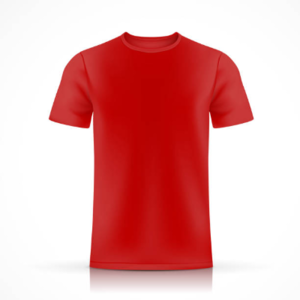
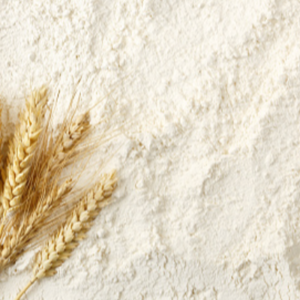
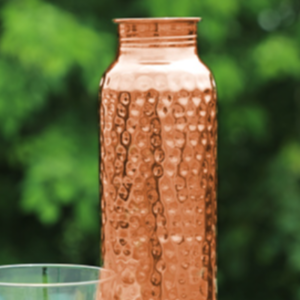
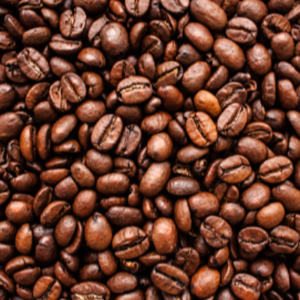
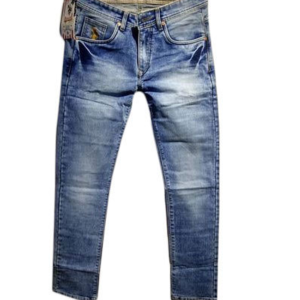
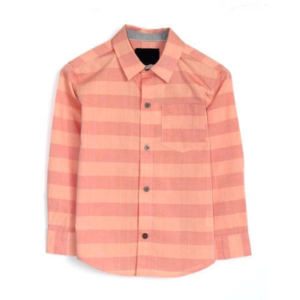
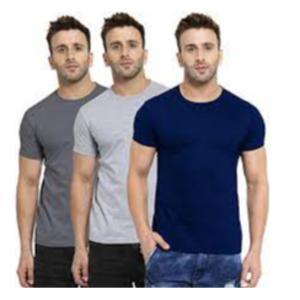
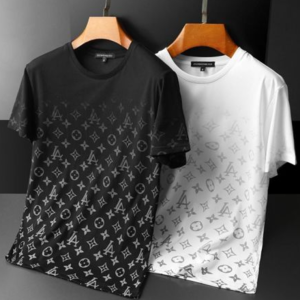
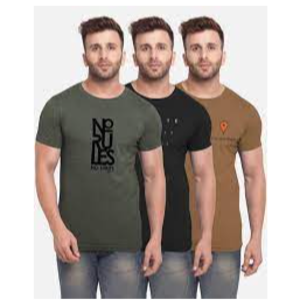
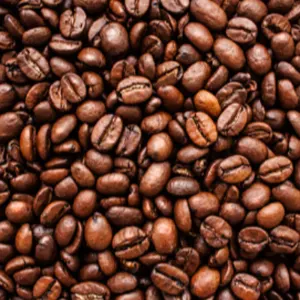
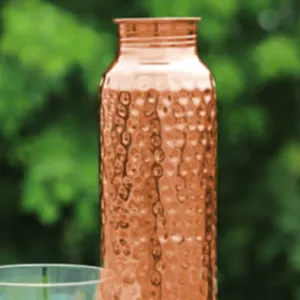
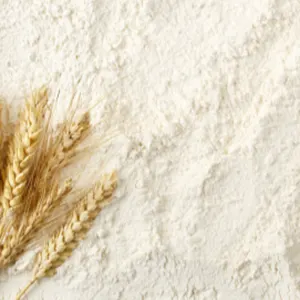
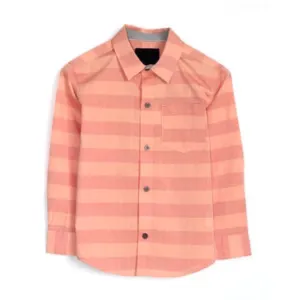
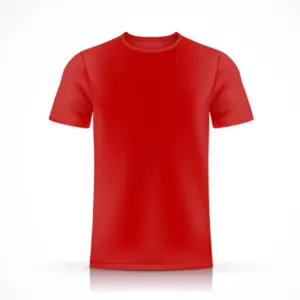
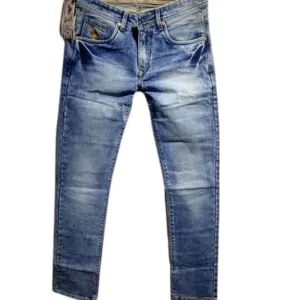
India, Pune, Maharashtra hosts Confianzacr.com, which currently lists six active products in its export catalogue. The catalogue includes three apparel items - Jeans (HS 6204.62, 100% cotton denim or cotton‑denim blend), T‑shirts (HS 6109.10, 100% cotton or cotton‑polyester blend) and Shirts (HS 6205.20, 100% cotton) - as well as three food‑related items: Wheat Flour (HS 1101.00, food‑grade Triticum aestivum), Green Coffee Beans (HS 0901.11, Arabica/Robusta, unroasted) and Copper Bottles (HS 7418.19, pure Cu 99.9%, food‑grade, lead‑free).
The product list reflects two distinct HS code families: chapter 61‑62 for knitted or woven garments and chapter 09‑11 for agricultural commodities and metal articles. Each entry specifies the material composition required for customs classification and for buyer specifications, allowing importers to match the catalogue directly to standard import documentation and tariff schedules.
Product Range and Specialties of Confianzacr.com
Confianzacr.com offers denim jeans that typically range from 12 to 16 oz per square yard, with a standard waist and inseam measurement that aligns with international sizing charts. T‑shirts and shirts are generally supplied in cotton counts of 30 - 40 Ne, with polyester blends often capped at 20 % to meet breathability and shrinkage standards. In the food segment, Indian wheat flour is commonly graded by protein content (10‑12 %) and moisture (≤14 %). Green coffee beans are sorted by species (Arabica or Robusta) and often meet ICUMSA 45‑70 colour standards, while copper bottles are produced from Cu 99.9 % purity, complying with food‑grade metal specifications and lead‑free requirements.
Industry practice for these categories includes certifications such as ISO 9001 for textile quality management, Oeko‑Tex Standard 100 for harmful substance limits, HACCP or FSSAI for food safety, and ASTM B193 for copper purity. Buyers typically request material safety data sheets (MSDS) for metal products and certificates of analysis (CoA) for wheat flour and coffee to verify moisture, ash, and pesticide residues.
Frequently Asked Questions About Confianzacr.com
What HS codes does Confianzacr.com use for its apparel products?
The catalogue lists HS 6204.62 for denim jeans, HS 6109.10 for T‑shirts and HS 6205.20 for shirts, which are the standard tariff headings for woven cotton garments.
Are the coffee beans from Confianzacr.com certified for organic production?
The supplier’s profile does not specify organic certification; buyers should request an organic certificate or a third‑party audit report if organic status is required.
Can Confianzacr.com provide samples before a full order?
The supplier’s profile indicates standard sampling practices; buyers should request a small sample batch (e.g., 5 kg of coffee beans or 10 pcs of each garment) and ask for accompanying test reports.
Which markets does Confianzacr.com primarily export to?
While the supplier’s target markets are not listed, Indian exporters of similar product families typically serve the United States, European Union, Middle East for apparel; Europe and North America for coffee; and regional South Asian countries for wheat flour.
What purity level is offered for the copper bottles?
Copper bottles are made from Cu 99.9 % pure, food‑grade copper and are lead‑free, matching the specifications commonly required for food‑contact metalware.
Pune, IndiaRelated Suppliers & Products
Explore similar suppliers, related products and trending categories