COFFEE R US LTD — Verified Trader & Wholesale Supplier

About COFFEE R US LTD - Agricultural Products Supplier in Kenya

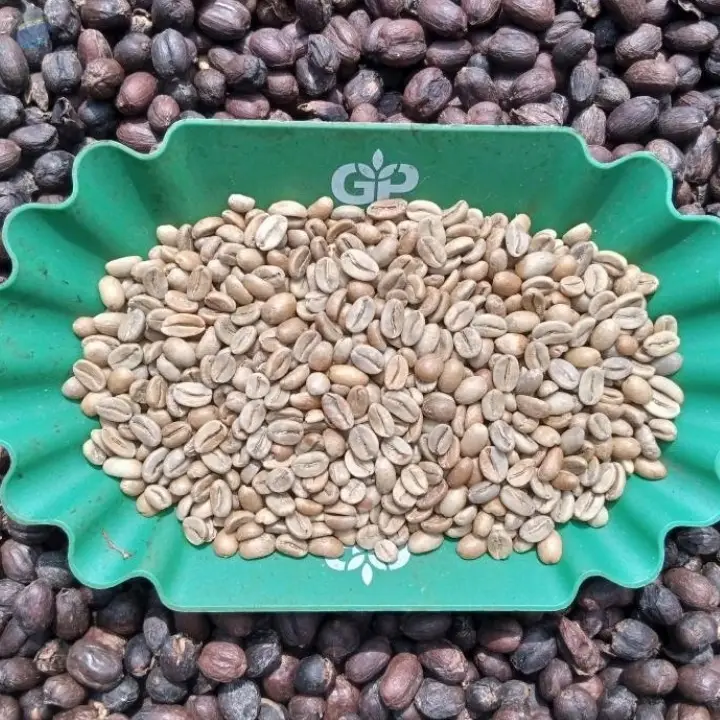
Based in Nairobi, Kenya, COFFEE R US LTD lists ten distinct agricultural products for export. The catalogue includes both beverage crops - such as black tea (HS 0902.40), green tea (HS 0902.10), purple tea (HS 0902.40) and green Arabica coffee (HS 0901.11) - and a range of fresh produce and oils. Fruit and nut items comprise avocado oil (HS 1515.90), macadamia kernels in‑shell (HS 0802.62), bananas (HS 0803.90), sweet potatoes (HS 0714.20), mangoes (HS 0804.50) and dehydrated onions (HS 0712.20). All products are reported under the supplier’s organic tier, indicating compliance with organic farming standards where applicable. The active product count of ten reflects the current breadth of the supplier’s export portfolio.

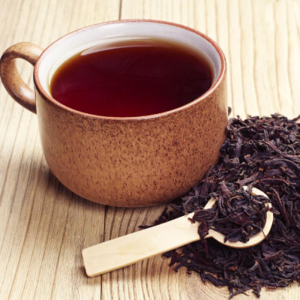
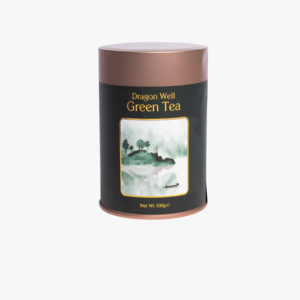
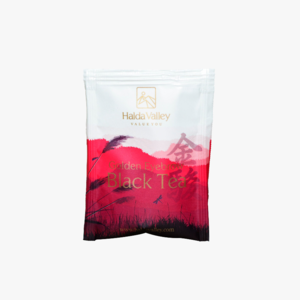
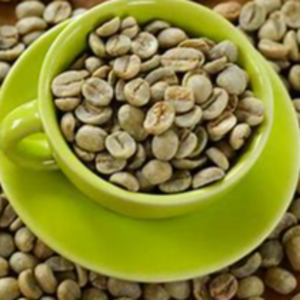
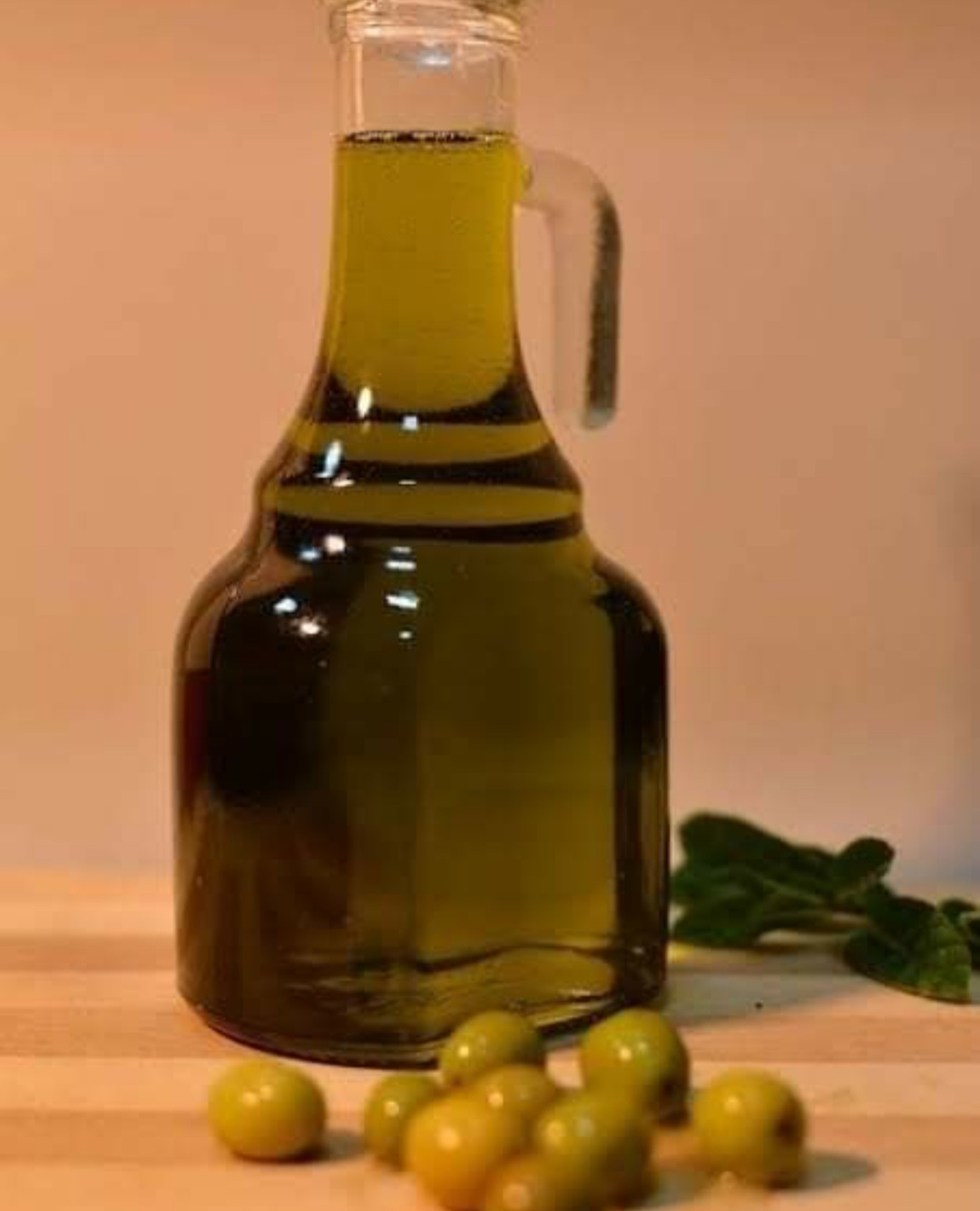
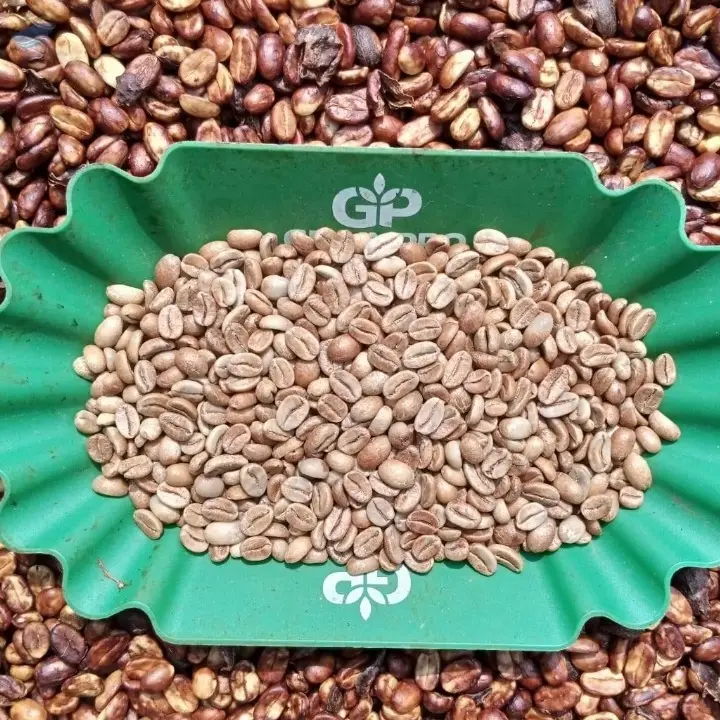
The tea line covers fully fermented black tea leaves, unfermented green tea leaves and the less common purple tea variant, each classified under the 0902 chapter for tea. Coffee is presented as 100 % Arabica green beans, falling under HS 0901.11 for unroasted coffee. The avocado oil entry denotes cold‑pressed oil from Persea americana fruit, while the macadamia item lists raw in‑shell kernels of Macadamia integrifolia. Fresh fruit entries specify common export varieties: Cavendish bananas, Alphonso/Mangifera indica mangoes, and sweet potatoes (Ipomoea batatas). The dehydrated onion product is listed under the 0712 chapter for dried vegetables.

Product Range and Specialties of COFFEE R US LTD

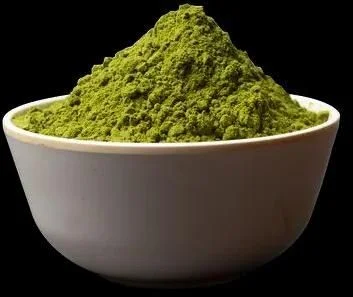
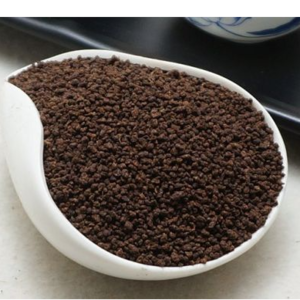
In the tea segment, exporters usually differentiate grades by leaf size and oxidation level. Black tea is often sold as BOP (Broken Orange Pekoe) or OP (Orange Pekoe) with moisture content between 3 % and 5 % and a bulk density of 0.45 t/m³. Green tea is commonly graded as “FTF” (Fine Tea Fraction) with a target catechin content of 8 % - 12 % and a moisture ceiling of 4 %. Purple tea, a niche variety, is typically evaluated for anthocyanin concentration, often exceeding 150 mg/kg. Coffee beans classified under HS 0901.11 are frequently screened for cup score ≥ 80 on the SCA scale and moisture ≤ 12 %.

Avocado oil exported from Kenya is generally cold‑pressed, with free fatty acid (FFA) levels below 0.2 % and an iodine value around 85 - 95. Macadamia kernels are expected to have a shell‑to‑kernel ratio of 30 % and a moisture content under 5 %. Bananas for long‑haul export are usually sized 18 - 22 cm, packed in 18 kg boxes, and must meet a total soluble solids (TSS) range of 18 - 22 °Brix. Sweet potatoes are graded by skin condition and dry matter content, typically 22 % - 24 % dry matter. Mangoes destined for EU markets are required to be free of insect damage and have a firmness of 6 - 8 kg cm⁻². Dehydrated onions are dried to a residual moisture of less than 10 % and packaged in 25 kg polypropylene bags.

Trade and Export Information - COFFEE R US LTD

Kenya’s tea and coffee sectors primarily ship to the European Union, the United States and the Middle East, with HS chapter 0902 and 0901 routinely subject to phytosanitary inspection and, where organic claims are made, to EU organic certification. Fresh fruits such as bananas, mangoes and sweet potatoes are largely destined for the EU and Gulf Cooperation Council markets, where GlobalGAP compliance, EU pesticide residue limits and a phytosanitary certificate are standard prerequisites. Avocado oil and macadamia nuts are increasingly found in North American and Asian specialty food channels, where certifications such as USDA Organic, Fairtrade and ISO 22000 are frequently requested.

Typical export logistics from Nairobi involve FOB loading at the port of Mombasa, with tea and coffee usually packed in 60 kg jute sacks and bulk fruit loaded in refrigerated 20‑ft or 40‑ft containers at 22 °C ± 2 °C. Oil shipments are commonly in 1 000 L drums or bulk tanker containers, while nuts travel in 25 kg polyethylene bags. Buyers generally ask for the HS code, certificate of origin, phytosanitary certificate and, for organic products, the corresponding organic certification document before shipment.

Sourcing from COFFEE R US LTD - Buyer Guidance

When sourcing from COFFEE R US LTD, buyers should request a recent laboratory analysis covering moisture, pesticide residues and, for tea, catechin or anthocyanin content depending on the variety. For coffee, a cup‑profile report and moisture test (≤ 12 %) are standard. Organic claims must be backed by a valid organic certificate recognized by the destination market, and a phytosanitary certificate should accompany all fresh produce shipments.

Samples are typically supplied in 5 kg bags for tea and coffee, and in 2 kg cartons for fruit oils, allowing verification of aroma, flavor and physicochemical parameters. Verify the HS code on the commercial invoice matches the product description, and confirm packaging dimensions to ensure container loading efficiency. Early confirmation of required certifications (GlobalGAP, Fairtrade, ISO 22000) helps avoid customs delays.

Frequently Asked Questions About COFFEE R US LTD

What tea varieties does COFFEE R US LTD export and under which HS codes?

The supplier lists black tea (HS 0902.40), green tea (HS 0902.10) and purple tea (HS 0902.40), all derived from Camellia sinensis leaves with standard moisture limits of 3 % - 5 %.

Which coffee product is offered and what are its key specifications?

Green Arabica coffee beans are listed under HS 0901.11; they are 100 % Arabica, unroasted, with a maximum moisture content of 12 % and typically target a cup score of 80 or higher on the SCA scale.

What certifications should a buyer request for the organic products?

Buyers should ask for a current organic certification recognized by the destination market (e.g., EU organic or USDA Organic) together with a phytosanitary certificate and, where applicable, GlobalGAP compliance for fresh produce.

How are avocado oil and macadamia nuts packaged for export?

Avocado oil is usually shipped in 1 000 L food‑grade drums or 20 ft containers, while macadamia in‑shell kernels are packed in 25 kg polyethylene bags, both labelled with HS 1515.90 and HS 0802.62 respectively.

What are the typical minimum order quantities (MOQ) and lead times?

The supplier generally requires a minimum order of 500 kg per tea or coffee SKU and 1 ton for fresh fruit, with lead times ranging from 30 to 45 days after receipt of a confirmed purchase order and required certificates.

Which markets commonly import the supplier’s fresh fruit?

Kenyan bananas, mangoes and sweet potatoes are most frequently exported to the EU, the Gulf region and the United States, where buyers enforce EU pesticide limits and require a phytosanitary certificate.

What documentation is needed for shipping dehydrated onions?

The export paperwork should include the commercial invoice with HS 0712.20, a phytosanitary certificate, the certificate of origin and, if the product is marketed as organic, the corresponding organic certification.


Other Suppliers in Green Tea

Top Trusted Suppliers

Related Products in Green Tea

Trending in Parent Category

More Suppliers in Parent Category

Related Products

Other Suppliers

EximNext
58.4K+ live requirements
Register Free🎁 5 free buy-lead credits
Post Requirement
🌍 Trusted by 224.4K+ businesses in 200+ countries|
58.4K+ active requirements right now
✉️ [email protected]
|
Sell on EximNextPost Requirement
EximNext
AgricultureApparelConstructionElectronicFoodHomeIndustrialMineralsMiscellaneous
🔥 Deals|✨ AI Match|🏭 Suppliers|📋 Buy Leads|💰 Trade Finance|⭐ Upgrade
58.4K+ live RFQs·194.4K+ suppliers
🎁 5 free credits →
EximNext
EximNext
Register Free
🎁 5 free buy-lead credits
Sign In
📋Post Requirement💬Get QuotesAI Match📋RFQ Marketplace
All Categories
Services & Tools
🏭Supplier Directory🔥Today's Deals💰Trade FinanceMembership
Sell on EximNext
AboutContactBlogHelp
🏭

COFFEE R US LTD

Harbor
Country flag , KenyaEst. 2020-01-01
🏆
6+
Years in Business
🛡️
59/100
Trust Score

COFFEE R US LTD Product Catalog

Showing 10 of 10 products
View all products →
Onions
Harbor
Onions
Contact
MOQ: 1 Unit
Mangoes
Harbor
Mangoes
Contact
MOQ: 1 Unit
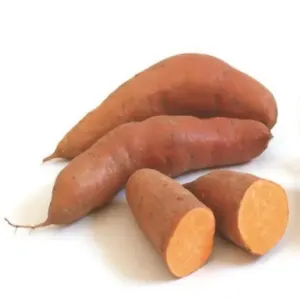
Sweet Potatoes
Harbor
Sweet Potatoes
Contact
MOQ: 1 Unit
Bananas
Harbor
Bananas
Contact
MOQ: 1 Unit
Macadamia
Harbor
Macadamia
Contact
MOQ: 1 Unit
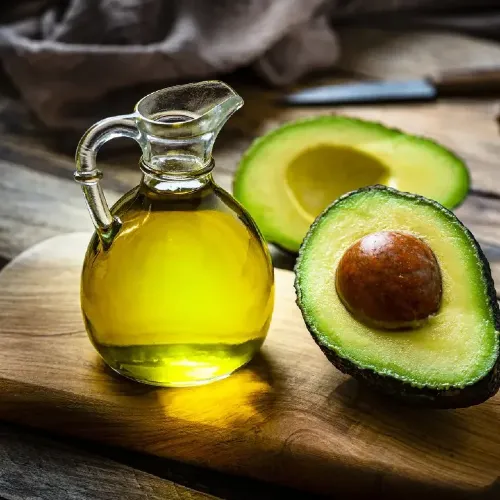
Avocado oil
Harbor
Avocado oil
Contact
MOQ: 1 Unit
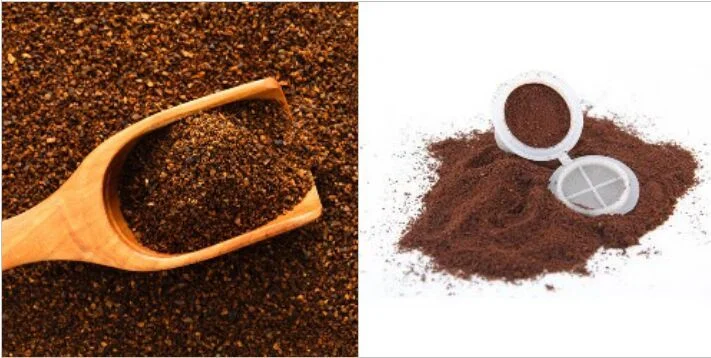
Green Arabica Coffee
Harbor
Green Arabica Coffee
Contact
MOQ: 1 Unit
Purple Tea
Harbor
Purple Tea
Contact
MOQ: 1 Unit
Green Tea
Harbor
Green Tea
Contact
MOQ: 1 Unit
Black Tea
Harbor
Black Tea
Contact
MOQ: 1 Unit

About COFFEE R US LTD - Agricultural Products Supplier in Kenya

Based in Nairobi, Kenya, COFFEE R US LTD lists ten distinct agricultural products for export. The catalogue includes both beverage crops - such as black tea (HS 0902.40), green tea (HS 0902.10), purple tea (HS 0902.40) and green Arabica coffee (HS 0901.11) - and a range of fresh produce and oils. Fruit and nut items comprise avocado oil (HS 1515.90), macadamia kernels in‑shell (HS 0802.62), bananas (HS 0803.90), sweet potatoes (HS 0714.20), mangoes (HS 0804.50) and dehydrated onions (HS 0712.20). All products are reported under the supplier’s organic tier, indicating compliance with organic farming standards where applicable. The active product count of ten reflects the current breadth of the supplier’s export portfolio.

The tea line covers fully fermented black tea leaves, unfermented green tea leaves and the less common purple tea variant, each classified under the 0902 chapter for tea. Coffee is presented as 100 % Arabica green beans, falling under HS 0901.11 for unroasted coffee. The avocado oil entry denotes cold‑pressed oil from Persea americana fruit, while the macadamia item lists raw in‑shell kernels of Macadamia integrifolia. Fresh fruit entries specify common export varieties: Cavendish bananas, Alphonso/Mangifera indica mangoes, and sweet potatoes (Ipomoea batatas). The dehydrated onion product is listed under the 0712 chapter for dried vegetables.

Product Range and Specialties of COFFEE R US LTD

In the tea segment, exporters usually differentiate grades by leaf size and oxidation level. Black tea is often sold as BOP (Broken Orange Pekoe) or OP (Orange Pekoe) with moisture content between 3 % and 5 % and a bulk density of 0.45 t/m³. Green tea is commonly graded as “FTF” (Fine Tea Fraction) with a target catechin content of 8 % - 12 % and a moisture ceiling of 4 %. Purple tea, a niche variety, is typically evaluated for anthocyanin concentration, often exceeding 150 mg/kg. Coffee beans classified under HS 0901.11 are frequently screened for cup score ≥ 80 on the SCA scale and moisture ≤ 12 %.

Avocado oil exported from Kenya is generally cold‑pressed, with free fatty acid (FFA) levels below 0.2 % and an iodine value around 85 - 95. Macadamia kernels are expected to have a shell‑to‑kernel ratio of 30 % and a moisture content under 5 %. Bananas for long‑haul export are usually sized 18 - 22 cm, packed in 18 kg boxes, and must meet a total soluble solids (TSS) range of 18 - 22 °Brix. Sweet potatoes are graded by skin condition and dry matter content, typically 22 % - 24 % dry matter. Mangoes destined for EU markets are required to be free of insect damage and have a firmness of 6 - 8 kg cm⁻². Dehydrated onions are dried to a residual moisture of less than 10 % and packaged in 25 kg polypropylene bags.

Trade and Export Information - COFFEE R US LTD

Kenya’s tea and coffee sectors primarily ship to the European Union, the United States and the Middle East, with HS chapter 0902 and 0901 routinely subject to phytosanitary inspection and, where organic claims are made, to EU organic certification. Fresh fruits such as bananas, mangoes and sweet potatoes are largely destined for the EU and Gulf Cooperation Council markets, where GlobalGAP compliance, EU pesticide residue limits and a phytosanitary certificate are standard prerequisites. Avocado oil and macadamia nuts are increasingly found in North American and Asian specialty food channels, where certifications such as USDA Organic, Fairtrade and ISO 22000 are frequently requested.

Typical export logistics from Nairobi involve FOB loading at the port of Mombasa, with tea and coffee usually packed in 60 kg jute sacks and bulk fruit loaded in refrigerated 20‑ft or 40‑ft containers at 22 °C ± 2 °C. Oil shipments are commonly in 1 000 L drums or bulk tanker containers, while nuts travel in 25 kg polyethylene bags. Buyers generally ask for the HS code, certificate of origin, phytosanitary certificate and, for organic products, the corresponding organic certification document before shipment.

Sourcing from COFFEE R US LTD - Buyer Guidance

When sourcing from COFFEE R US LTD, buyers should request a recent laboratory analysis covering moisture, pesticide residues and, for tea, catechin or anthocyanin content depending on the variety. For coffee, a cup‑profile report and moisture test (≤ 12 %) are standard. Organic claims must be backed by a valid organic certificate recognized by the destination market, and a phytosanitary certificate should accompany all fresh produce shipments.

Samples are typically supplied in 5 kg bags for tea and coffee, and in 2 kg cartons for fruit oils, allowing verification of aroma, flavor and physicochemical parameters. Verify the HS code on the commercial invoice matches the product description, and confirm packaging dimensions to ensure container loading efficiency. Early confirmation of required certifications (GlobalGAP, Fairtrade, ISO 22000) helps avoid customs delays.

Frequently Asked Questions About COFFEE R US LTD

What tea varieties does COFFEE R US LTD export and under which HS codes?

The supplier lists black tea (HS 0902.40), green tea (HS 0902.10) and purple tea (HS 0902.40), all derived from Camellia sinensis leaves with standard moisture limits of 3 % - 5 %.

Which coffee product is offered and what are its key specifications?

Green Arabica coffee beans are listed under HS 0901.11; they are 100 % Arabica, unroasted, with a maximum moisture content of 12 % and typically target a cup score of 80 or higher on the SCA scale.

What certifications should a buyer request for the organic products?

Buyers should ask for a current organic certification recognized by the destination market (e.g., EU organic or USDA Organic) together with a phytosanitary certificate and, where applicable, GlobalGAP compliance for fresh produce.

How are avocado oil and macadamia nuts packaged for export?

Avocado oil is usually shipped in 1 000 L food‑grade drums or 20 ft containers, while macadamia in‑shell kernels are packed in 25 kg polyethylene bags, both labelled with HS 1515.90 and HS 0802.62 respectively.

What are the typical minimum order quantities (MOQ) and lead times?

The supplier generally requires a minimum order of 500 kg per tea or coffee SKU and 1 ton for fresh fruit, with lead times ranging from 30 to 45 days after receipt of a confirmed purchase order and required certificates.

Which markets commonly import the supplier’s fresh fruit?

Kenyan bananas, mangoes and sweet potatoes are most frequently exported to the EU, the Gulf region and the United States, where buyers enforce EU pesticide limits and require a phytosanitary certificate.

What documentation is needed for shipping dehydrated onions?

The export paperwork should include the commercial invoice with HS 0712.20, a phytosanitary certificate, the certificate of origin and, if the product is marketed as organic, the corresponding organic certification.

About COFFEE R US LTD - Agricultural Products Supplier in Kenya

Based in Nairobi, Kenya, COFFEE R US LTD lists ten distinct agricultural products for export. The catalogue includes both beverage crops - such as black tea (HS 0902.40), green tea (HS 0902.10), purple tea (HS 0902.40) and green Arabica coffee (HS 0901.11) - and a range of fresh produce and oils. Fruit and nut items comprise avocado oil (HS 1515.90), macadamia kernels in‑shell (HS 0802.62), bananas (HS 0803.90), sweet potatoes (HS 0714.20), mangoes (HS 0804.50) and dehydrated onions (HS 0712.20). All products are reported under the supplier’s organic tier, indicating compliance with organic farming standards where applicable. The active product count of ten reflects the current breadth of the supplier’s export portfolio.

The tea line covers fully fermented black tea leaves, unfermented green tea leaves and the less common purple tea variant, each classified under the 0902 chapter for tea. Coffee is presented as 100 % Arabica green beans, falling under HS 0901.11 for unroasted coffee. The avocado oil entry denotes cold‑pressed oil from Persea americana fruit, while the macadamia item lists raw in‑shell kernels of Macadamia integrifolia. Fresh fruit entries specify common export varieties: Cavendish bananas, Alphonso/Mangifera indica mangoes, and sweet potatoes (Ipomoea batatas). The dehydrated onion product is listed under the 0712 chapter for dried vegetables.

Product Range and Specialties of COFFEE R US LTD

In the tea segment, exporters usually differentiate grades by leaf size and oxidation level. Black tea is often sold as BOP (Broken Orange Pekoe) or OP (Orange Pekoe) with moisture content between 3 % and 5 % and a bulk density of 0.45 t/m³. Green tea is commonly graded as “FTF” (Fine Tea Fraction) with a target catechin content of 8 % - 12 % and a moisture ceiling of 4 %. Purple tea, a niche variety, is typically evaluated for anthocyanin concentration, often exceeding 150 mg/kg. Coffee beans classified under HS 0901.11 are frequently screened for cup score ≥ 80 on the SCA scale and moisture ≤ 12 %.

Avocado oil exported from Kenya is generally cold‑pressed, with free fatty acid (FFA) levels below 0.2 % and an iodine value around 85 - 95. Macadamia kernels are expected to have a shell‑to‑kernel ratio of 30 % and a moisture content under 5 %. Bananas for long‑haul export are usually sized 18 - 22 cm, packed in 18 kg boxes, and must meet a total soluble solids (TSS) range of 18 - 22 °Brix. Sweet potatoes are graded by skin condition and dry matter content, typically 22 % - 24 % dry matter. Mangoes destined for EU markets are required to be free of insect damage and have a firmness of 6 - 8 kg cm⁻². Dehydrated onions are dried to a residual moisture of less than 10 % and packaged in 25 kg polypropylene bags.

Trade and Export Information - COFFEE R US LTD

Kenya’s tea and coffee sectors primarily ship to the European Union, the United States and the Middle East, with HS chapter 0902 and 0901 routinely subject to phytosanitary inspection and, where organic claims are made, to EU organic certification. Fresh fruits such as bananas, mangoes and sweet potatoes are largely destined for the EU and Gulf Cooperation Council markets, where GlobalGAP compliance, EU pesticide residue limits and a phytosanitary certificate are standard prerequisites. Avocado oil and macadamia nuts are increasingly found in North American and Asian specialty food channels, where certifications such as USDA Organic, Fairtrade and ISO 22000 are frequently requested.

Typical export logistics from Nairobi involve FOB loading at the port of Mombasa, with tea and coffee usually packed in 60 kg jute sacks and bulk fruit loaded in refrigerated 20‑ft or 40‑ft containers at 22 °C ± 2 °C. Oil shipments are commonly in 1 000 L drums or bulk tanker containers, while nuts travel in 25 kg polyethylene bags. Buyers generally ask for the HS code, certificate of origin, phytosanitary certificate and, for organic products, the corresponding organic certification document before shipment.

Sourcing from COFFEE R US LTD - Buyer Guidance

When sourcing from COFFEE R US LTD, buyers should request a recent laboratory analysis covering moisture, pesticide residues and, for tea, catechin or anthocyanin content depending on the variety. For coffee, a cup‑profile report and moisture test (≤ 12 %) are standard. Organic claims must be backed by a valid organic certificate recognized by the destination market, and a phytosanitary certificate should accompany all fresh produce shipments.

Samples are typically supplied in 5 kg bags for tea and coffee, and in 2 kg cartons for fruit oils, allowing verification of aroma, flavor and physicochemical parameters. Verify the HS code on the commercial invoice matches the product description, and confirm packaging dimensions to ensure container loading efficiency. Early confirmation of required certifications (GlobalGAP, Fairtrade, ISO 22000) helps avoid customs delays.

Frequently Asked Questions About COFFEE R US LTD
What tea varieties does COFFEE R US LTD export and under which HS codes?
The supplier lists black tea (HS 0902.40), green tea (HS 0902.10) and purple tea (HS 0902.40), all derived from Camellia sinensis leaves with standard moisture limits of 3 % - 5 %.
Which coffee product is offered and what are its key specifications?
Green Arabica coffee beans are listed under HS 0901.11; they are 100 % Arabica, unroasted, with a maximum moisture content of 12 % and typically target a cup score of 80 or higher on the SCA scale.
What certifications should a buyer request for the organic products?
Buyers should ask for a current organic certification recognized by the destination market (e.g., EU organic or USDA Organic) together with a phytosanitary certificate and, where applicable, GlobalGAP compliance for fresh produce.
How are avocado oil and macadamia nuts packaged for export?
Avocado oil is usually shipped in 1 000 L food‑grade drums or 20 ft containers, while macadamia in‑shell kernels are packed in 25 kg polyethylene bags, both labelled with HS 1515.90 and HS 0802.62 respectively.
What are the typical minimum order quantities (MOQ) and lead times?
The supplier generally requires a minimum order of 500 kg per tea or coffee SKU and 1 ton for fresh fruit, with lead times ranging from 30 to 45 days after receipt of a confirmed purchase order and required certificates.
Which markets commonly import the supplier’s fresh fruit?
Kenyan bananas, mangoes and sweet potatoes are most frequently exported to the EU, the Gulf region and the United States, where buyers enforce EU pesticide limits and require a phytosanitary certificate.
What documentation is needed for shipping dehydrated onions?
The export paperwork should include the commercial invoice with HS 0712.20, a phytosanitary certificate, the certificate of origin and, if the product is marketed as organic, the corresponding organic certification.

🏭
COFFEE R US LTD
Country flag , Kenya
Harbor
59/100
Trust Score
📦
10
Products
Free to contact — no commission
Escrow payment available
Verified business identity
Compare more suppliers
Post a requirement — get 10 quotes free
Let verified suppliers compete for your business. Free, fast, no commitment.
EximNext Verified Supplier
Business identity verified
Physical address confirmed
Financial history checked
Certifications authenticated
Trade references validated
Due Diligence
Verify this supplier's real shipping history.
Every shipment, every buyer, every port. Trade data that can't be faked.
Run due diligence →
Discover More

Related Suppliers & Products

Explore similar suppliers, related products and trending categories

Other Suppliers in Green Tea

Top Trusted Suppliers

Related Products in Green Tea

Trending in Parent Category

More Suppliers in Parent Category

Stay ahead in global trade
Weekly market insights & new supplier alerts.
EximNext
Exim Next is a leading global B2B marketplace, connecting over 205,000 verified suppliers and buyers across 200+ countries. As a trusted import export marketplace, it serves as the essential B2B portal for businesses worldwide, empowering them to expand their international reach. With Exim Next, businesses can trade smarter and grow faster.
SECURE PAYMENTS
VISAMastercardPayPalSWIFTL/CEscrow
Follow us
© 2026 EximNext