Chongqing Shijie Aluminum Industry Co., Ltd. — Verified Supplier
About Chongqing Shijie Aluminum Industry Co., Ltd. - Aluminum Sheets Supplier in China
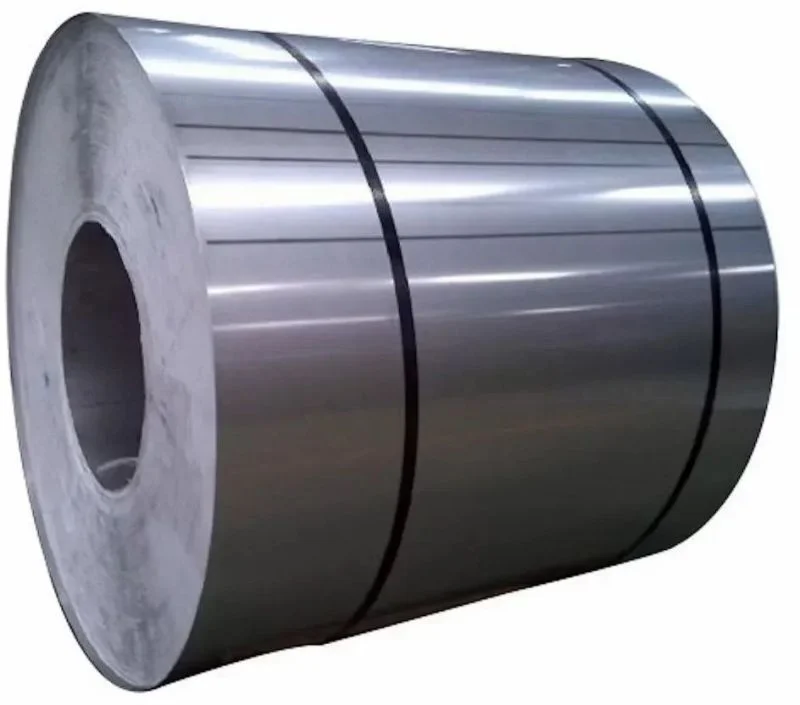
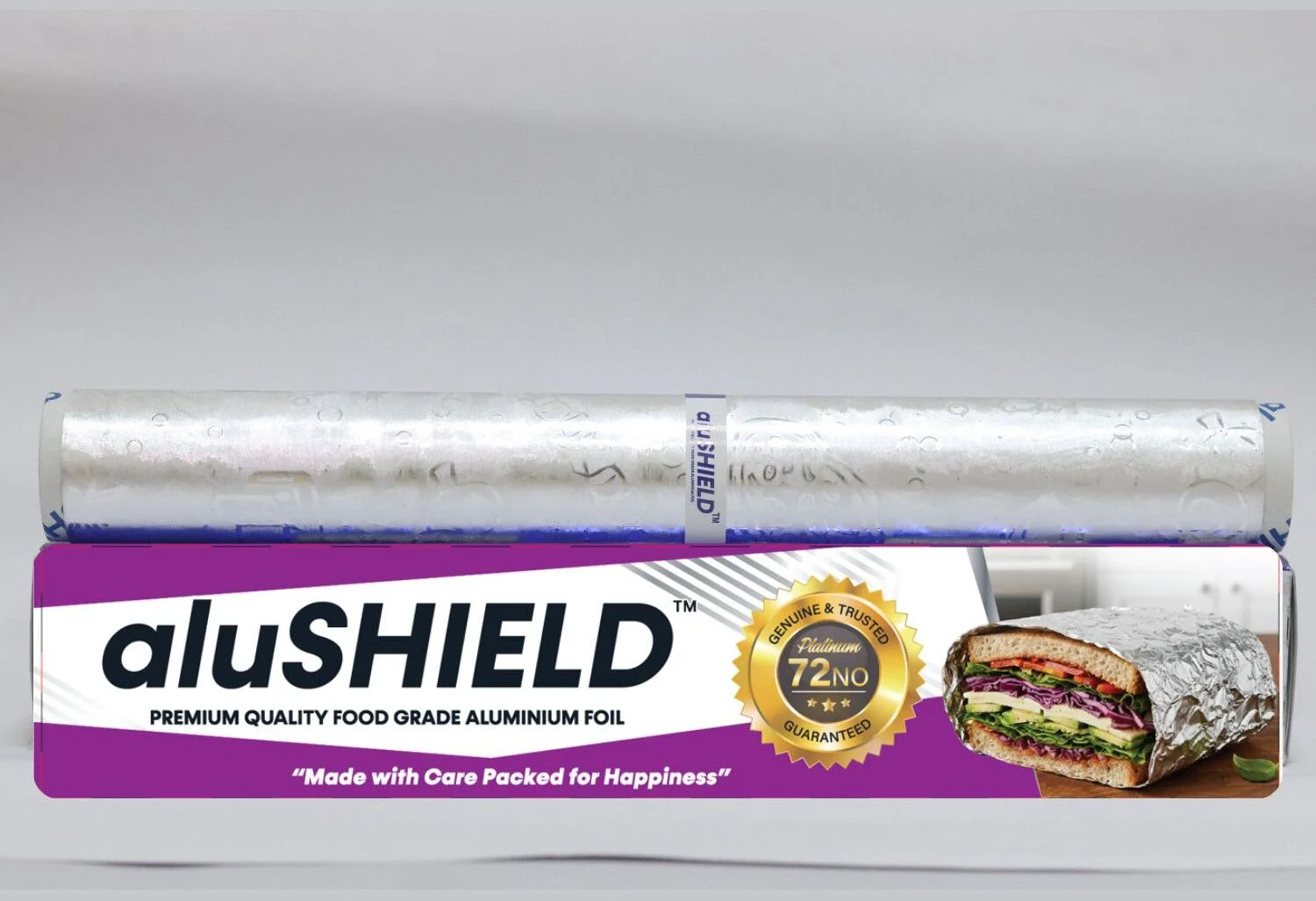
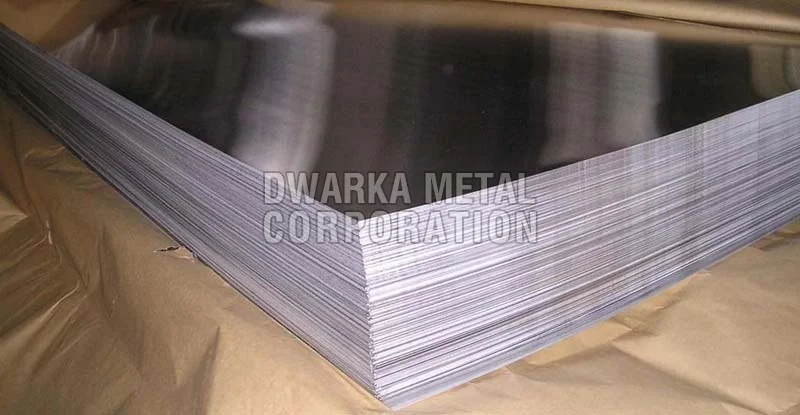
Based in China, Chongqing Shijie Aluminum Industry Co., Ltd. lists five active products in its catalogue. The product set covers rolled aluminum items such as household and food‑grade foil, plain and coated sheet coils, and specialty coils for industrial use. Products are classified under HS codes 7607.11 for foil and 7606.11 or 7606.12 for sheet and coil variants. The catalogue titles include 8011 Household / Food Package Aluminum Foil, Aluminum Coil, 3105 Color Coated Aluminum Sheet Coil, 1100 1060 1050 Aluminum Plain Sheet Coil, and Coated Aluminum Strip For Rubber Weather Strips. Each entry specifies the exact alloy composition used.
The foil product uses Aluminum Alloy 8011, a high‑purity alloy commonly employed for food packaging. Coil products reference Aluminum Alloys 3003 and 5052, while the color‑coated sheet coil is made from Alloy 3105 with a manganese‑rich coating. Plain sheet coils are produced from commercial‑purity grades 1050, 1060 and 1100 containing 99.0‑99.6 % aluminum. The coated strip for rubber weather strips utilizes Alloy 5754, an Al‑Mg alloy suited for extrusion and surface treatment. All items are listed with the corresponding HS codes, enabling straightforward customs classification.
Product Range and Specialties of Chongqing Shijie Aluminum Industry Co., Ltd.
The catalogue comprises five rolled‑product lines: 8011 foil for food packaging, plain commercial‑purity sheets (1050‑1100), alloy 3003/5052 coils, 3105 colour‑coated sheet coil and 5754 coated strip for weather‑strip applications. In the aluminium industry, foil grade 8011 typically meets food‑contact standards, with thicknesses from 0.02 mm to 0.05 mm and tensile strength around 110 MPa. Commercial‑purity grades 1050‑1100 are valued for high electrical conductivity (≈ 61 % IACS) and are often supplied to the packaging and electrical sectors. Alloys 3003 and 5052 are standard for deep‑drawn and formed parts, offering elongation of 12‑30 % and good corrosion resistance. Alloy 3105 is a common choice for pre‑painted roofing and siding, where colour coating thickness ranges 15‑30 µm. Alloy 5754 is widely used for extrusion of weather‑strip profiles, offering a typical yield strength of 190 MPa.
In global markets, rolled aluminium products are governed by standards such as ASTM B209 for sheet and coil dimensions and tensile properties, and ASTM B221 for extruded profiles. Buyers frequently require ISO 9001 quality management certification and, for EU destinations, CE conformity declaration. Typical specifications include thickness tolerance ±0.02 mm, surface roughness Ra ≤ 0.8 µm for coated sheets, and coating adhesion ≥ 3 MPa. Packaging standards call for moisture‑resistant wrapping and steel‑band secured coils to prevent deformation during sea freight.
Trade and Export Information - Chongqing Shijie Aluminum Industry Co., Ltd.
China is one of the world’s largest exporters of rolled aluminium products, and shipments classified under HS 7606 and 7607 are routinely sent to Southeast Asian, European, Middle Eastern and North American markets. Importers in these regions use the aluminium for food packaging, automotive trim, construction cladding and industrial weather‑strip components. Standard export logistics involve loading coils on 20‑ft or 40‑ft containers, with FOB terms from ports such as Shanghai or Ningbo, and CIF options to major hubs like Rotterdam, Dubai and Los Angeles.
Customs authorities typically request a commercial invoice, packing list, Certificate of Origin and material test certificates complying with ASTM or EN standards. For EU buyers, a CE Declaration of Conformity and proof of compliance with REACH restrictions on heavy metals are common prerequisites. Buyers often verify ISO 9001 or ISO 14001 certification, and may request third‑party inspection reports (e.g., SGS, Bureau Veritas) before shipment. Proper coil banding, shrink‑wrap and moisture‑proof inner liners are standard to protect surface finish during ocean transit.
Sourcing from Chongqing Shijie Aluminum Industry Co., Ltd. - Buyer Guidance
Prospective buyers should request an ASTM‑B209 test report for sheet and coil thickness, tensile strength and elongation, and an ASTM‑B221 report for the coated strip if extrusion data is needed. Samples of 1 m² sheet or a 10‑meter coil segment allow verification of surface finish, coating colour uniformity and adhesion. Confirm that the supplier can provide a Certificate of Analysis, ISO 9001 audit report and, where applicable, CE conformity documentation.
Typical minimum order quantities are 5 tonnes for plain or coated coils and 500 kg for foil rolls, with production lead times of four to six weeks after order confirmation. Verify the HS code classification on the commercial invoice to avoid customs delays, and ensure that packaging meets moisture‑resistance specifications for the intended destination climate.
Frequently Asked Questions About Chongqing Shijie Aluminum Industry Co., Ltd.
What aluminium alloys are included in the supplier’s catalogue?
The catalogue lists alloy 8011 for household/food foil, commercial‑purity grades 1050, 1060 and 1100 for plain sheets, alloy 3003 and 5052 for standard coils, alloy 3105 for colour‑coated sheet coil, and alloy 5754 for the coated strip used in rubber weather‑strips. Each alloy is identified with its typical chemical composition and intended application.
Which HS codes correspond to these products?
The foil product is classified under HS 7607.11, while all rolled sheet and coil items fall under HS 7606.11 for plain products or HS 7606.12 for coated and alloy‑specific coils. These codes are used for customs clearance in most importing countries.
What quality standards are typically expected for these aluminium products?
Buyers usually require compliance with ASTM B209 for sheet and coil dimensions and mechanical properties, and ASTM B221 for extruded strips. For shipments to the European Union, a CE Declaration of Conformity and REACH compliance are commonly requested, together with ISO 9001 quality‑management certification.
How are the products packaged for overseas shipment?
Coils are typically banded with steel straps, wrapped in stretch film, and palletised on wooden pallets; foil rolls are placed in corrugated cardboard boxes with moisture‑resistant liners. Containers are loaded following standard 20‑ft or 40‑ft container packing plans to maximise space utilisation.
What are the usual minimum order quantities and lead times?
Minimum orders are generally 5 tonnes for plain or coated coils and 500 kg for foil rolls. After the purchase order is confirmed, production lead time ranges from four to six weeks, depending on product complexity and current factory load.
How can I obtain product samples or test certificates?
The supplier can provide a small foil roll or a 1 m² sheet sample together with an ASTM test report covering thickness, tensile strength and coating adhesion. Material test certificates and a full Certificate of Analysis are supplied on request before shipment.
Which regions import Chinese rolled aluminium products most frequently?
Major import destinations include Southeast Asian countries such as Vietnam and Thailand, the European Union, the Middle East (e.g., United Arab Emirates, Saudi Arabia) and North America, where the aluminium is used for packaging, automotive components and building‑material applications.
What documentation should I ask for before the goods are dispatched?
Required documents typically include a commercial invoice, packing list, Certificate of Origin, ASTM material test certificate, and any applicable conformity certificates such as CE or ISO audit reports. For EU shipments, a REACH compliance statement may also be required.




 , China