Canadian Overseas Trade Inc. Import-export — Supplier
About Canadian Overseas Trade Inc. Import-export - Cement Supplier in Canada
Canadian Overseas Trade Inc. Import-export, based in Canada, lists 8 active products. The company is involved in the export of various products, including Portland 42.5 cement, clinker, gypsum, wire rod, iron, and billet, as well as agricultural products for human and animal consumption. Their product range includes Plaster Of Paris (POP), Petroleum By Products, Cement, Urea, Chicken Eggs, Iron Rods, Calcium Carbonate, and Frozen Chicken.
The company's product catalogue features a diverse range of items, such as Gypsum, Diesel EN 590 10 ppm, Clinker, Cement, White Cement, Urea 46% Prilled and Granular, Eggs, Construction Materials, Calcium Carbonate, and Frozen Chicken Feet 35g Up. These products are typically used in various industries, including construction, agriculture, and food production.
Product Range and Specialties of Canadian Overseas Trade Inc. Import-export
Canadian Overseas Trade Inc. Import-export's product range includes various construction materials, such as cement, clinker, and gypsum. These products are commonly used in the construction industry and must meet specific standards, such as those set by the American Society for Testing and Materials (ASTM). The company also supplies agricultural products, including urea, eggs, and frozen chicken, which are subject to regulations and standards set by organizations such as the Food and Agriculture Organization (FAO) of the United Nations.
The company's catalogue also features petroleum by-products, such as diesel, which are subject to standards and regulations set by organizations such as the International Organization for Standardization (ISO). Buyers should request specifications, such as the cetane number for diesel, to ensure the product meets their requirements.
Trade and Export Information - Canadian Overseas Trade Inc. Import-export
Exporters of cement and construction materials, like Canadian Overseas Trade Inc. Import-export, typically ship their products to regions with high construction activity, such as the Middle East and Asia. These products are usually transported in bulk, using containers or bulk cargo ships, and are subject to regulations and standards set by organizations such as the International Maritime Organization (IMO).
Buyers of agricultural products, such as urea and frozen chicken, usually require certifications, such as those related to food safety and animal health, to ensure the products meet their requirements. These certifications may include ISO 22000 for food safety management and the World Organisation for Animal Health (OIE) standards for animal health.
Sourcing from Canadian Overseas Trade Inc. Import-export - Buyer Guidance
When sourcing from Canadian Overseas Trade Inc. Import-export, buyers should request specifications, such as the type of cement or urea, to ensure the product meets their requirements. They should also request test reports and certifications, such as those related to food safety and construction material standards, to verify the product's quality and compliance with regulations.
Buyers should also verify the company's export capabilities, including their experience with logistics and transportation, to ensure timely and reliable delivery of the products. Additionally, they should confirm the packaging and labeling requirements for the products, as well as any applicable regulations or standards, such as those related to food safety or construction material standards.
Frequently Asked Questions About Canadian Overseas Trade Inc. Import-export
What types of cement does Canadian Overseas Trade Inc. Import-export supply?
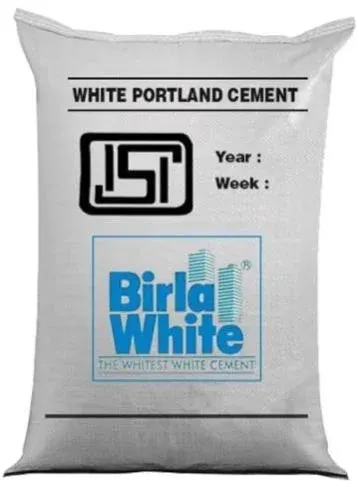
Canadian Overseas Trade Inc. Import-export supplies Portland 42.5 cement, clinker, and white cement. Buyers should request specifications, such as the cement type and strength class, to ensure the product meets their requirements.
What is the typical packaging for frozen chicken feet?
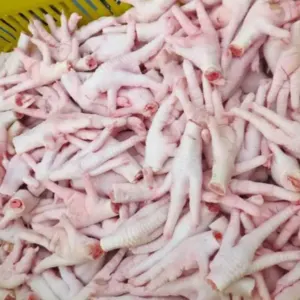
The typical packaging for frozen chicken feet is in bulk or bags, with a net weight of 35g or more per piece. Buyers should confirm the packaging requirements with the supplier to ensure compliance with regulations and standards.
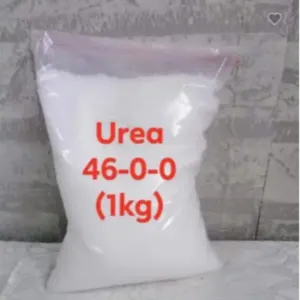
What certifications should buyers request for urea?
Buyers should request certifications, such as ISO 9001 for quality management and ISO 22000 for food safety management, to ensure the urea meets their requirements and complies with regulations and standards.
What is the typical lead time for delivery of construction materials?
The typical lead time for delivery of construction materials, such as cement and gypsum, can vary depending on the supplier and the destination. Buyers should confirm the lead time with the supplier to ensure timely delivery.
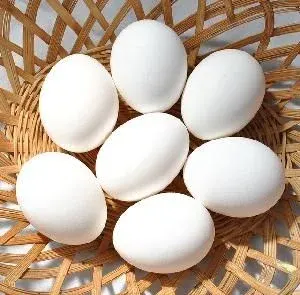
What is the minimum order quantity (MOQ) for eggs?
The MOQ for eggs can vary depending on the supplier and the type of eggs. Buyers should confirm the MOQ with the supplier to ensure they can meet the minimum order requirements.
What is the typical storage requirement for frozen chicken?
The typical storage requirement for frozen chicken is at a temperature of -18°C or lower. Buyers should confirm the storage requirements with the supplier to ensure compliance with regulations and standards.
What certifications should buyers request for diesel?
Buyers should request certifications, such as those related to fuel quality and safety, to ensure the diesel meets their requirements and complies with regulations and standards.
What is the typical transportation mode for bulk cement?
The typical transportation mode for bulk cement is by sea or land, using containers or bulk cargo ships. Buyers should confirm the transportation mode with the supplier to ensure timely and reliable delivery.




 , Canada




.jpg.png)