Caliph Export-import Kft. — Verified Supplier

About Caliph Export-import Kft. - Essential Oils Supplier in Hungary

Hungary‑based Caliph Export‑import Kft. lists 68 active products that span dried herbs, spices, dried flowers and a small selection of essential oils. The catalogue includes items such as Calendula petals, Hibiscus flowers, Marjoram, Cumin seeds, Peppermint and Spearmint leaves, Chamomile flowers, Basil, Parsley, Rosemary, Thyme, Black Cumin seeds, Dill leaves, Aniseed, Caraway seeds, Cardamom seeds, Coriander seeds, Fenugreek seeds, Cloves, White bean, Lemongrass, various crushed herb blends, Heena, Sage leaves, Molokhia leaves, Dry lemon, Basil oil and Black seed oil.

The product list references three HS‑code families that appear in the catalogue: Aniseed is recorded under HS 0909.11 (whole aniseed seeds), Cardamom seeds under HS 0908.32 (black cardamom whole seeds) and White bean under HS 0713.31 (dried white beans). All other items are grouped within the broader HS chapters for spices (0908), aromatic herbs (0909) and dried vegetables (0713).

Product Range and Specialties of Caliph Export-import Kft.

The catalogue covers a typical European herb and spice assortment. Dried herbs such as Parsley, Rosemary, Thyme, Marjoram, Basil, Dill and Sage are usually sold with moisture levels below 12 % and ash content under 5 %, matching EU food‑grade specifications. Spice seeds - including Cumin, Black Cumin, Caraway, Cardamom, Coriander, Fenugreek, Aniseed, Cloves and the listed White bean - are commonly offered in whole‑seed form meeting ISO 22000 hygiene standards and often graded by size (e.g., Cardamom seeds 5 mm ± 0.5 mm). Dried flower products like Calendula, Hibiscus and Chamomile are graded for colour intensity and petal integrity, while essential oils such as Basil oil and Black seed oil are evaluated by GC‑MS profile, oil content (typically 1.5‑2.5 % for basil) and free fatty acid limits. Packaging for most dry goods follows 25 kg polypropylene bags or 1 kg retail packs, and oils are usually supplied in 500 ml amber glass bottles.

Trade and Export Information - Caliph Export-import Kft.

Hungary, as an EU member, follows the EU food safety framework, so exporters of herbs, spices and essential oils generally provide phytosanitary certificates and comply with the EU’s General Food Law (Regulation 178/2002). The HS 0908 and 0909 families are among the most traded spice codes worldwide, with major import markets in Western Europe, the Middle East, North Africa and the United States. Buyers typically request ISO 9001 or HACCP audit reports, and for organic‑labelled products, EU organic certification is required. Standard logistics involve containerised shipments - 20 ft containers holding roughly 20‑22 metric tons of 25 kg bags, or 40 ft containers for larger volumes. Incoterms such as FOB Budapest or CIF Rotterdam are common, and cargo is often sealed in food‑grade liners to meet EU import inspections.

Sourcing from Caliph Export-import Kft. - Buyer Guidance

When sourcing from Caliph Export‑import Kft., buyers should request a current Certificate of Analysis for each batch, covering moisture, ash, pesticide residues and, for oils, peroxide value and acid number. A phytosanitary certificate issued by Hungarian authorities is standard for all dried plant material. Verify that the supplied HS codes match the product description and ask for a sample batch to confirm size grading (e.g., cardamom seed length) and organoleptic quality. Typical minimum order quantities for bulk herbs and spices range from 500 kg to 2 t, with lead times of 30‑45 days after order confirmation, depending on seasonal availability.

Frequently Asked Questions About Caliph Export-import Kft.

What HS codes are used for the spice seeds in the catalogue?

The catalogue lists items under HS 0908 (spices) and HS 0909 (herbs and seeds). Specific examples are Cardamom seeds (0908.32) and Aniseed (0909.11).

Which documents should I ask for before placing an order?

Request a phytosanitary certificate, a Certificate of Analysis that includes moisture, ash and pesticide limits, and any available ISO 9001 or HACCP audit reports. If you need organic certification, ask for the EU organic proof.

What are the typical moisture limits for dried herbs and spices?

European food‑grade specifications usually require moisture below 12 % for dried herbs and below 10 % for whole spice seeds, with occasional tighter limits for premium grades.

How are essential oils like Basil oil evaluated?

Essential oils are tested by gas chromatography‑mass spectrometry (GC‑MS) to verify the presence and concentration of key constituents, and they are checked for peroxide value (typically <5 meq O₂/kg) and free fatty acid content.

What packaging formats are common for the listed products?

Bulk herbs and spices are commonly packed in 25 kg polypropylene bags, while smaller retail quantities use 1 kg paper bags. Oils are usually supplied in 500 ml amber glass bottles or 5 L PET containers.

Which markets import Hungarian herbs and spices most frequently?

Key import regions include Western and Northern Europe, the Middle East, North Africa and the United States, where the HS 0908/0909 families are regularly sourced.

What are typical lead times and order sizes for these products?

Lead times are generally 30‑45 days after order confirmation. Minimum order quantities for bulk dry goods range from 500 kg to 2 t, depending on the specific herb or spice.

Are there any special handling requirements for the dried flower products?

Dried flowers such as Calendula, Hibiscus and Chamomile should be stored in low‑humidity conditions, packed in sealed food‑grade bags, and protected from direct sunlight to preserve colour and volatile oil content.


Featured Products from this Supplier

Other Suppliers in Primary Category

Top Trusted Suppliers

Related Products

Trending in Parent Category

More Suppliers in Category

Related Products

Other Suppliers

EximNext
58.4K+ live requirements
Register Free🎁 5 free buy-lead credits
Post Requirement
🌍 Trusted by 224.4K+ businesses in 200+ countries|
58.4K+ active requirements right now
✉️ [email protected]
|
Sell on EximNextPost Requirement
EximNext
AgricultureApparelConstructionElectronicFoodHomeIndustrialMineralsMiscellaneous
🔥 Deals|✨ AI Match|🏭 Suppliers|📋 Buy Leads|💰 Trade Finance|⭐ Upgrade
58.4K+ live RFQs·194.4K+ suppliers
🎁 5 free credits →
EximNext
EximNext
Register Free
🎁 5 free buy-lead credits
Sign In
📋Post Requirement💬Get QuotesAI Match📋RFQ Marketplace
All Categories
Services & Tools
🏭Supplier Directory🔥Today's Deals💰Trade FinanceMembership
Sell on EximNext
AboutContactBlogHelp
🏭

Caliph Export-import Kft.

Harbor
Country flag , Hungary
🛡️
77/100
Trust Score

Caliph Export-import Kft. Product Catalog

Showing 12 of 69 products
View all products →
Clove Oil
Harbor
Clove Oil
Contact
MOQ: 1 Unit
Flax Seed
Harbor
Flax Seed
Contact
MOQ: 1 Unit
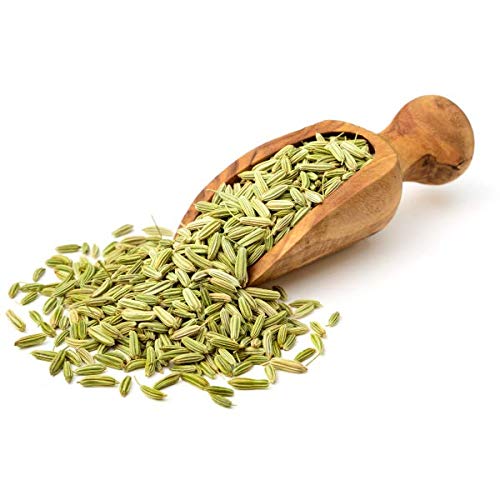
Fennel Seeds
Harbor
Fennel Seeds
Contact
MOQ: 1 Unit
Sunflower Seeds
Harbor
Sunflower Seeds
Contact
MOQ: 1 Unit
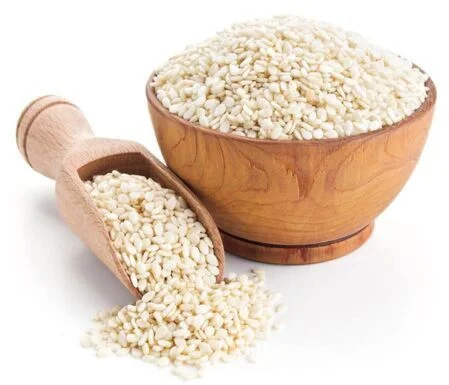
Sesame Seeds
Harbor
Sesame Seeds
Contact
MOQ: 1 Unit
Luffa
Harbor
Luffa
Contact
MOQ: 1 Unit
Chamomile Powder
Harbor
Chamomile Powder
Contact
MOQ: 1 Unit
Liquorice Root
Harbor
Liquorice Root
Contact
MOQ: 1 Unit
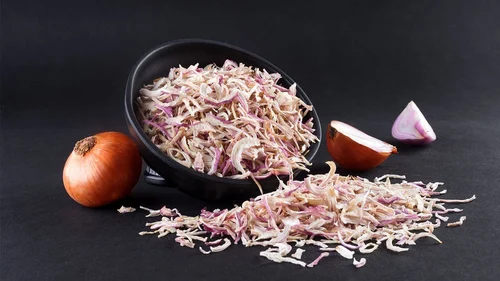
Kibbled Onion And Onion Powder
Harbor
Kibbled Onion And Onion Powder
Contact
MOQ: 1 Unit
Crushed Marjoram
Harbor
Crushed Marjoram
Contact
MOQ: 1 Unit
Crushed Red Chili
Harbor
Crushed Red Chili
Contact
MOQ: 1 Unit
Hibiscus Crushed Leaves
Harbor
Hibiscus Crushed Leaves
Contact
MOQ: 1 Unit

About Caliph Export-import Kft. - Essential Oils Supplier in Hungary

Hungary‑based Caliph Export‑import Kft. lists 68 active products that span dried herbs, spices, dried flowers and a small selection of essential oils. The catalogue includes items such as Calendula petals, Hibiscus flowers, Marjoram, Cumin seeds, Peppermint and Spearmint leaves, Chamomile flowers, Basil, Parsley, Rosemary, Thyme, Black Cumin seeds, Dill leaves, Aniseed, Caraway seeds, Cardamom seeds, Coriander seeds, Fenugreek seeds, Cloves, White bean, Lemongrass, various crushed herb blends, Heena, Sage leaves, Molokhia leaves, Dry lemon, Basil oil and Black seed oil.

The product list references three HS‑code families that appear in the catalogue: Aniseed is recorded under HS 0909.11 (whole aniseed seeds), Cardamom seeds under HS 0908.32 (black cardamom whole seeds) and White bean under HS 0713.31 (dried white beans). All other items are grouped within the broader HS chapters for spices (0908), aromatic herbs (0909) and dried vegetables (0713).

Product Range and Specialties of Caliph Export-import Kft.

The catalogue covers a typical European herb and spice assortment. Dried herbs such as Parsley, Rosemary, Thyme, Marjoram, Basil, Dill and Sage are usually sold with moisture levels below 12 % and ash content under 5 %, matching EU food‑grade specifications. Spice seeds - including Cumin, Black Cumin, Caraway, Cardamom, Coriander, Fenugreek, Aniseed, Cloves and the listed White bean - are commonly offered in whole‑seed form meeting ISO 22000 hygiene standards and often graded by size (e.g., Cardamom seeds 5 mm ± 0.5 mm). Dried flower products like Calendula, Hibiscus and Chamomile are graded for colour intensity and petal integrity, while essential oils such as Basil oil and Black seed oil are evaluated by GC‑MS profile, oil content (typically 1.5‑2.5 % for basil) and free fatty acid limits. Packaging for most dry goods follows 25 kg polypropylene bags or 1 kg retail packs, and oils are usually supplied in 500 ml amber glass bottles.

Trade and Export Information - Caliph Export-import Kft.

Hungary, as an EU member, follows the EU food safety framework, so exporters of herbs, spices and essential oils generally provide phytosanitary certificates and comply with the EU’s General Food Law (Regulation 178/2002). The HS 0908 and 0909 families are among the most traded spice codes worldwide, with major import markets in Western Europe, the Middle East, North Africa and the United States. Buyers typically request ISO 9001 or HACCP audit reports, and for organic‑labelled products, EU organic certification is required. Standard logistics involve containerised shipments - 20 ft containers holding roughly 20‑22 metric tons of 25 kg bags, or 40 ft containers for larger volumes. Incoterms such as FOB Budapest or CIF Rotterdam are common, and cargo is often sealed in food‑grade liners to meet EU import inspections.

Sourcing from Caliph Export-import Kft. - Buyer Guidance

When sourcing from Caliph Export‑import Kft., buyers should request a current Certificate of Analysis for each batch, covering moisture, ash, pesticide residues and, for oils, peroxide value and acid number. A phytosanitary certificate issued by Hungarian authorities is standard for all dried plant material. Verify that the supplied HS codes match the product description and ask for a sample batch to confirm size grading (e.g., cardamom seed length) and organoleptic quality. Typical minimum order quantities for bulk herbs and spices range from 500 kg to 2 t, with lead times of 30‑45 days after order confirmation, depending on seasonal availability.

Frequently Asked Questions About Caliph Export-import Kft.

What HS codes are used for the spice seeds in the catalogue?

The catalogue lists items under HS 0908 (spices) and HS 0909 (herbs and seeds). Specific examples are Cardamom seeds (0908.32) and Aniseed (0909.11).

Which documents should I ask for before placing an order?

Request a phytosanitary certificate, a Certificate of Analysis that includes moisture, ash and pesticide limits, and any available ISO 9001 or HACCP audit reports. If you need organic certification, ask for the EU organic proof.

What are the typical moisture limits for dried herbs and spices?

European food‑grade specifications usually require moisture below 12 % for dried herbs and below 10 % for whole spice seeds, with occasional tighter limits for premium grades.

How are essential oils like Basil oil evaluated?

Essential oils are tested by gas chromatography‑mass spectrometry (GC‑MS) to verify the presence and concentration of key constituents, and they are checked for peroxide value (typically <5 meq O₂/kg) and free fatty acid content.

What packaging formats are common for the listed products?

Bulk herbs and spices are commonly packed in 25 kg polypropylene bags, while smaller retail quantities use 1 kg paper bags. Oils are usually supplied in 500 ml amber glass bottles or 5 L PET containers.

Which markets import Hungarian herbs and spices most frequently?

Key import regions include Western and Northern Europe, the Middle East, North Africa and the United States, where the HS 0908/0909 families are regularly sourced.

What are typical lead times and order sizes for these products?

Lead times are generally 30‑45 days after order confirmation. Minimum order quantities for bulk dry goods range from 500 kg to 2 t, depending on the specific herb or spice.

Are there any special handling requirements for the dried flower products?

Dried flowers such as Calendula, Hibiscus and Chamomile should be stored in low‑humidity conditions, packed in sealed food‑grade bags, and protected from direct sunlight to preserve colour and volatile oil content.

About Caliph Export-import Kft. - Essential Oils Supplier in Hungary

Hungary‑based Caliph Export‑import Kft. lists 68 active products that span dried herbs, spices, dried flowers and a small selection of essential oils. The catalogue includes items such as Calendula petals, Hibiscus flowers, Marjoram, Cumin seeds, Peppermint and Spearmint leaves, Chamomile flowers, Basil, Parsley, Rosemary, Thyme, Black Cumin seeds, Dill leaves, Aniseed, Caraway seeds, Cardamom seeds, Coriander seeds, Fenugreek seeds, Cloves, White bean, Lemongrass, various crushed herb blends, Heena, Sage leaves, Molokhia leaves, Dry lemon, Basil oil and Black seed oil.

The product list references three HS‑code families that appear in the catalogue: Aniseed is recorded under HS 0909.11 (whole aniseed seeds), Cardamom seeds under HS 0908.32 (black cardamom whole seeds) and White bean under HS 0713.31 (dried white beans). All other items are grouped within the broader HS chapters for spices (0908), aromatic herbs (0909) and dried vegetables (0713).

Product Range and Specialties of Caliph Export-import Kft.

The catalogue covers a typical European herb and spice assortment. Dried herbs such as Parsley, Rosemary, Thyme, Marjoram, Basil, Dill and Sage are usually sold with moisture levels below 12 % and ash content under 5 %, matching EU food‑grade specifications. Spice seeds - including Cumin, Black Cumin, Caraway, Cardamom, Coriander, Fenugreek, Aniseed, Cloves and the listed White bean - are commonly offered in whole‑seed form meeting ISO 22000 hygiene standards and often graded by size (e.g., Cardamom seeds 5 mm ± 0.5 mm). Dried flower products like Calendula, Hibiscus and Chamomile are graded for colour intensity and petal integrity, while essential oils such as Basil oil and Black seed oil are evaluated by GC‑MS profile, oil content (typically 1.5‑2.5 % for basil) and free fatty acid limits. Packaging for most dry goods follows 25 kg polypropylene bags or 1 kg retail packs, and oils are usually supplied in 500 ml amber glass bottles.

Trade and Export Information - Caliph Export-import Kft.

Hungary, as an EU member, follows the EU food safety framework, so exporters of herbs, spices and essential oils generally provide phytosanitary certificates and comply with the EU’s General Food Law (Regulation 178/2002). The HS 0908 and 0909 families are among the most traded spice codes worldwide, with major import markets in Western Europe, the Middle East, North Africa and the United States. Buyers typically request ISO 9001 or HACCP audit reports, and for organic‑labelled products, EU organic certification is required. Standard logistics involve containerised shipments - 20 ft containers holding roughly 20‑22 metric tons of 25 kg bags, or 40 ft containers for larger volumes. Incoterms such as FOB Budapest or CIF Rotterdam are common, and cargo is often sealed in food‑grade liners to meet EU import inspections.

Sourcing from Caliph Export-import Kft. - Buyer Guidance

When sourcing from Caliph Export‑import Kft., buyers should request a current Certificate of Analysis for each batch, covering moisture, ash, pesticide residues and, for oils, peroxide value and acid number. A phytosanitary certificate issued by Hungarian authorities is standard for all dried plant material. Verify that the supplied HS codes match the product description and ask for a sample batch to confirm size grading (e.g., cardamom seed length) and organoleptic quality. Typical minimum order quantities for bulk herbs and spices range from 500 kg to 2 t, with lead times of 30‑45 days after order confirmation, depending on seasonal availability.

Frequently Asked Questions About Caliph Export-import Kft.
What HS codes are used for the spice seeds in the catalogue?
The catalogue lists items under HS 0908 (spices) and HS 0909 (herbs and seeds). Specific examples are Cardamom seeds (0908.32) and Aniseed (0909.11).
Which documents should I ask for before placing an order?
Request a phytosanitary certificate, a Certificate of Analysis that includes moisture, ash and pesticide limits, and any available ISO 9001 or HACCP audit reports. If you need organic certification, ask for the EU organic proof.
What are the typical moisture limits for dried herbs and spices?
European food‑grade specifications usually require moisture below 12 % for dried herbs and below 10 % for whole spice seeds, with occasional tighter limits for premium grades.
How are essential oils like Basil oil evaluated?
Essential oils are tested by gas chromatography‑mass spectrometry (GC‑MS) to verify the presence and concentration of key constituents, and they are checked for peroxide value (typically <5 meq O₂/kg) and free fatty acid content.
What packaging formats are common for the listed products?
Bulk herbs and spices are commonly packed in 25 kg polypropylene bags, while smaller retail quantities use 1 kg paper bags. Oils are usually supplied in 500 ml amber glass bottles or 5 L PET containers.
Which markets import Hungarian herbs and spices most frequently?
Key import regions include Western and Northern Europe, the Middle East, North Africa and the United States, where the HS 0908/0909 families are regularly sourced.
What are typical lead times and order sizes for these products?
Lead times are generally 30‑45 days after order confirmation. Minimum order quantities for bulk dry goods range from 500 kg to 2 t, depending on the specific herb or spice.
Are there any special handling requirements for the dried flower products?
Dried flowers such as Calendula, Hibiscus and Chamomile should be stored in low‑humidity conditions, packed in sealed food‑grade bags, and protected from direct sunlight to preserve colour and volatile oil content.

🏭
Caliph Export-import Kft.
Country flag , Hungary
Harbor
77/100
Trust Score
📦
69
Products
Free to contact — no commission
Escrow payment available
Verified business identity
Compare more suppliers
Post a requirement — get 10 quotes free
Let verified suppliers compete for your business. Free, fast, no commitment.
EximNext Verified Supplier
Business identity verified
Physical address confirmed
Financial history checked
Certifications authenticated
Trade references validated
Due Diligence
Verify this supplier's real shipping history.
Every shipment, every buyer, every port. Trade data that can't be faked.
Run due diligence →
Discover More

Related Suppliers & Products

Explore similar suppliers, related products and trending categories

Featured Products from this Supplier

Other Suppliers in Primary Category

Top Trusted Suppliers

Related Products

Trending in Parent Category

More Suppliers in Category

Stay ahead in global trade
Weekly market insights & new supplier alerts.
EximNext
Exim Next is a leading global B2B marketplace, connecting over 205,000 verified suppliers and buyers across 200+ countries. As a trusted import export marketplace, it serves as the essential B2B portal for businesses worldwide, empowering them to expand their international reach. With Exim Next, businesses can trade smarter and grow faster.
SECURE PAYMENTS
VISAMastercardPayPalSWIFTL/CEscrow
Follow us
© 2026 EximNext